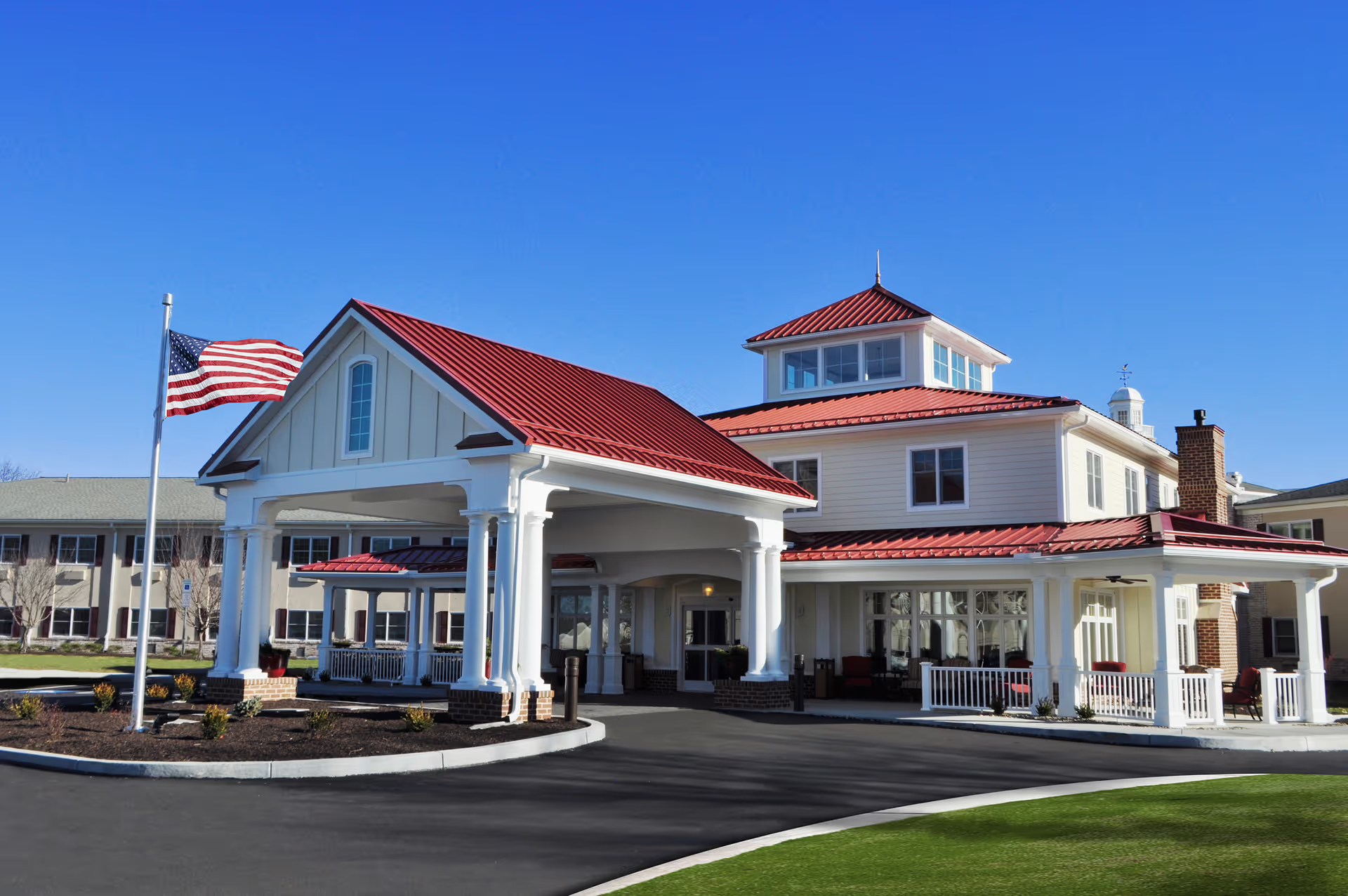
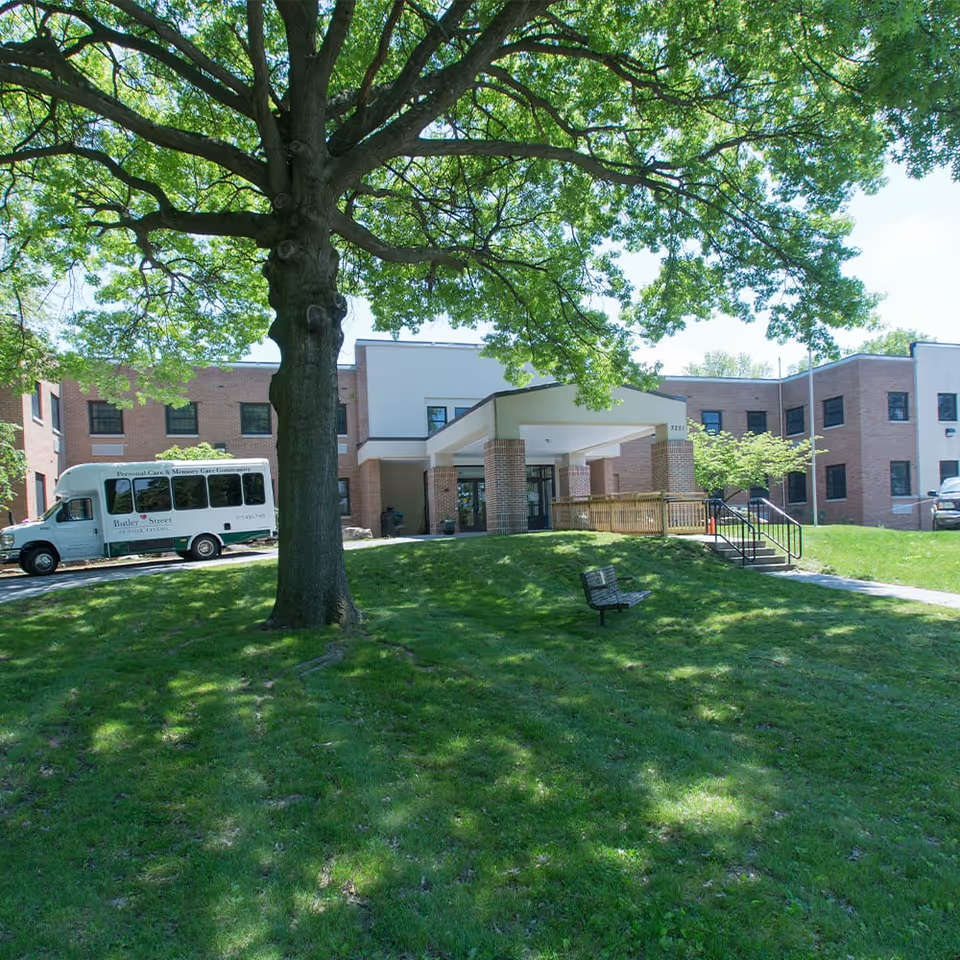
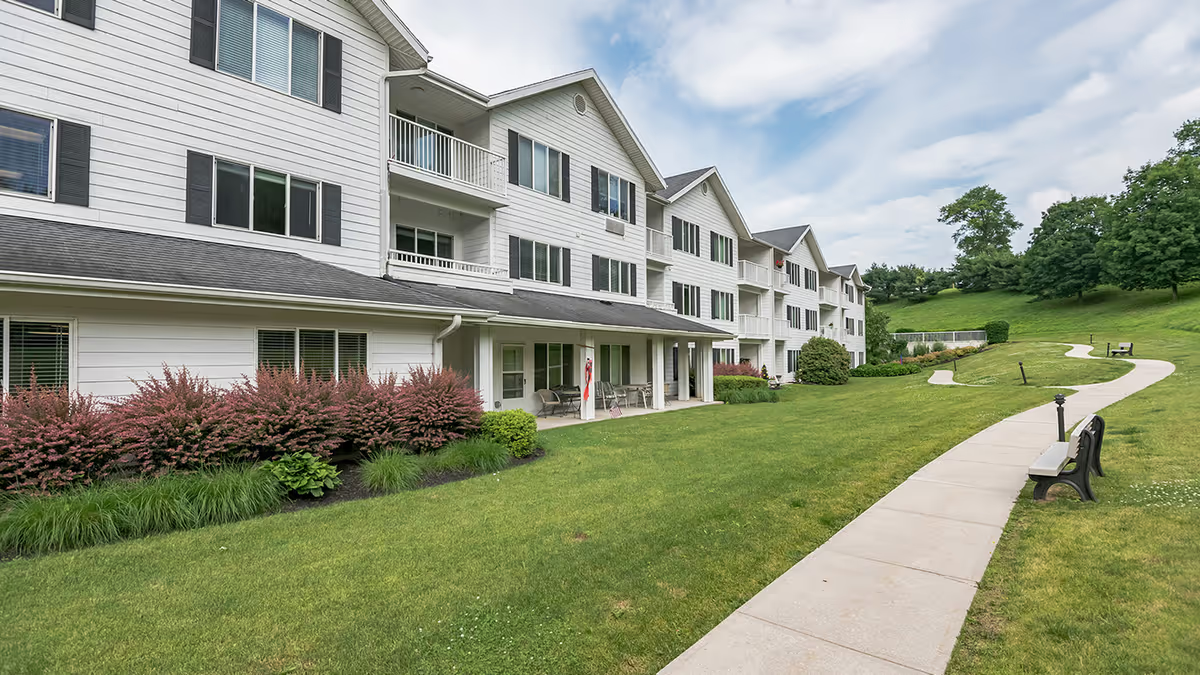
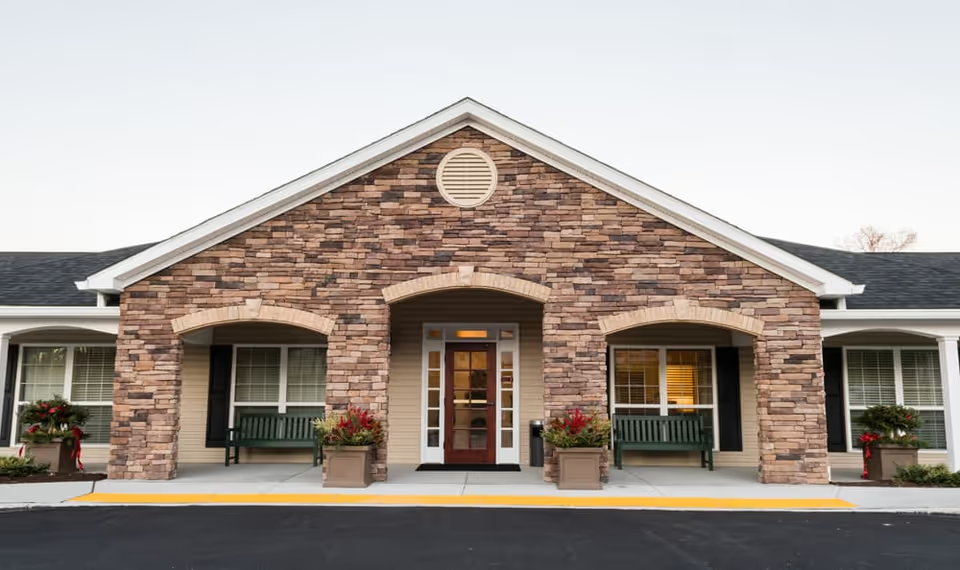
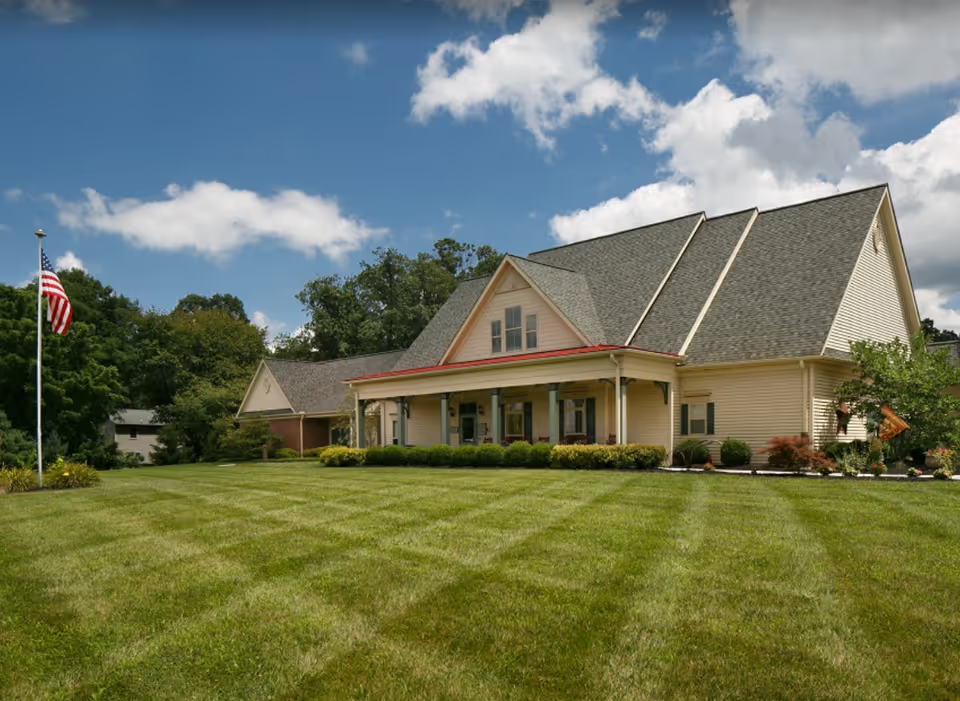
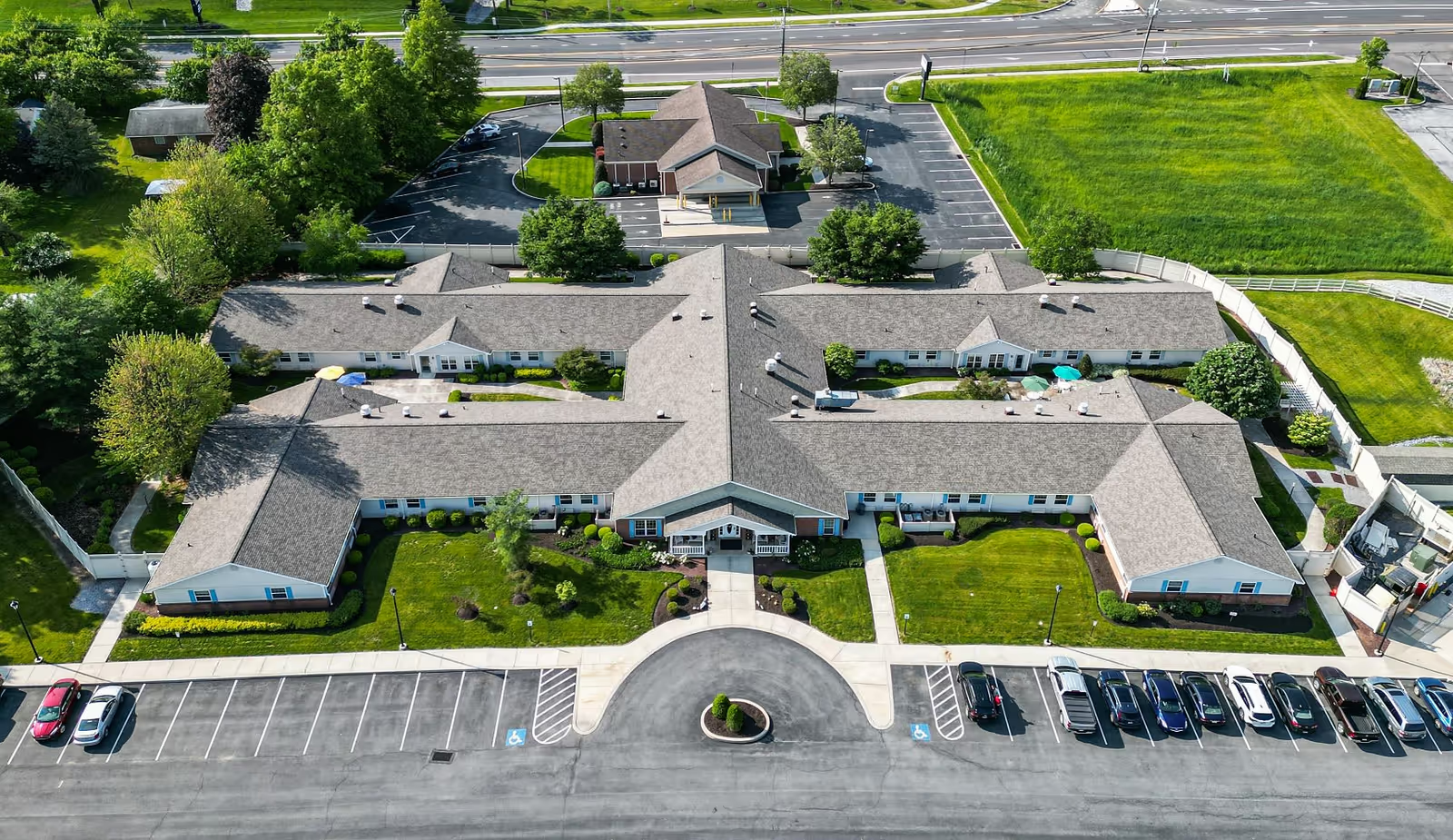
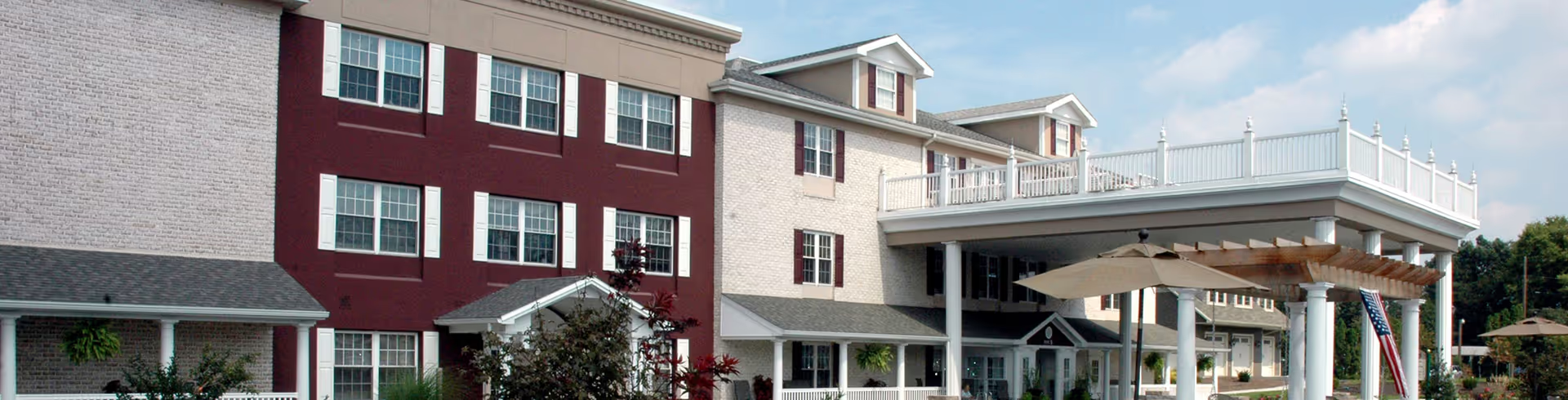
Overall impression: Middletown Home presents as a facility with strong physical amenities and an active social environment, paired with operational inconsistencies that affect the daily resident experience. Many comments highlight well‑maintained grounds, attractive public spaces (including a courtyard, chapel, and dining room), updated interior decor, and adaptable private apartments with continuing-care access. The rehabilitation area and gym are frequently described as well equipped.
Care and staff: Accounts of clinical care are mixed. Multiple comments praise caring nurses and therapists and note a visible staff presence and accessible administration. At the same time, reviewers identify persistent workforce issues — staffing shortages, high turnover, and task reassignments — that contribute to CNAs being overextended and to delays in routine care. These operational staffing pressures are associated with slower call-bell response times and occasional meal‑service disruptions. There are also concerns about workplace culture and staff morale that appear to affect employee retention and consistency of care.
Rehabilitation: The facility's rehabilitation resources and equipment are strong assets; however, reported outcomes and program quality are inconsistent. Some families describe positive therapy experiences and good progress, while others report dissatisfaction with the rehabilitation process. This suggests variability in program delivery or outcome consistency across cases.
Dining and food service: The facility offers multiple cafeterias and a varied menu, and some reviewers praise the meals. Contradictory comments cite cold food and heating limitations, along with delays when care staff are reassigned to dining duties. These points indicate that meal quality and service continuity can vary depending on staffing and operational coordination.
Activities and community life: Social programming is a clear strength. The calendar includes concerts, holiday brunches, festivals, and frequent events that many residents and families appreciate. Community outreach and a visible activities program contribute positively to resident engagement.
Facilities and amenities: Physical plant features receive favorable mentions — landscaped hilltop views, an outdoor courtyard, salon, workout room, and multiple dining spaces. Apartments are described as roomy and adaptable. The availability of on-site continuing care is an important benefit for long‑term planning.
Management and communication: Feedback on leadership is mixed. Some note accessible administrators who go above and beyond, while other comments point to inconsistent communication style and problematic managerial conduct that affects staff and family experience. These mixed impressions correspond with reports of morale and staffing challenges and suggest variability in leadership effectiveness across departments or shifts.
Notable operational patterns: Across reviews there are recurrent themes around inconsistent cleanliness and sanitation practices, pest-control concerns, staff allocation issues that affect both care and dining tasks, and safety/supervision gaps for residents who may be exit‑seeking. Infection‑control events have also led to restricted visitation at times, which families should anticipate as part of the facility's response protocols.
Recommendations for prospective residents/families: Visit at different times of day (meal times, activity periods, shift changes) to observe staffing levels, cleanliness, and meal service in practice. Ask about recent staff turnover rates, the facility's pest‑control and housekeeping protocols, how call‑bell response times are monitored, and specific details about rehabilitation program staffing and outcomes. Clarify the facility's policies on visitor access during infection‑control events and supervision procedures for residents with exit‑seeking behavior. These focused inquiries will help balance the facility's clear strengths in amenities and programming against the operational issues noted by reviewers.