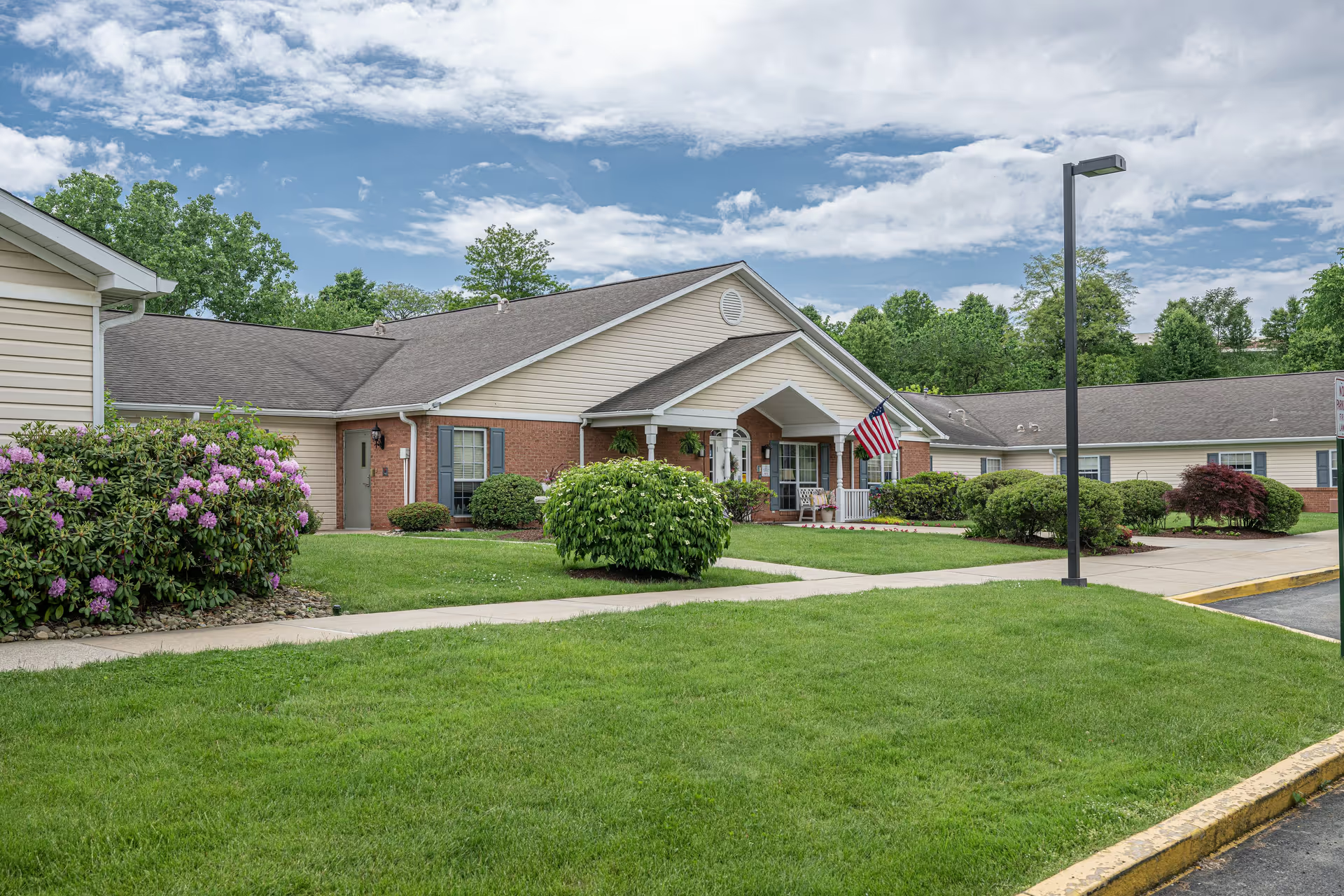
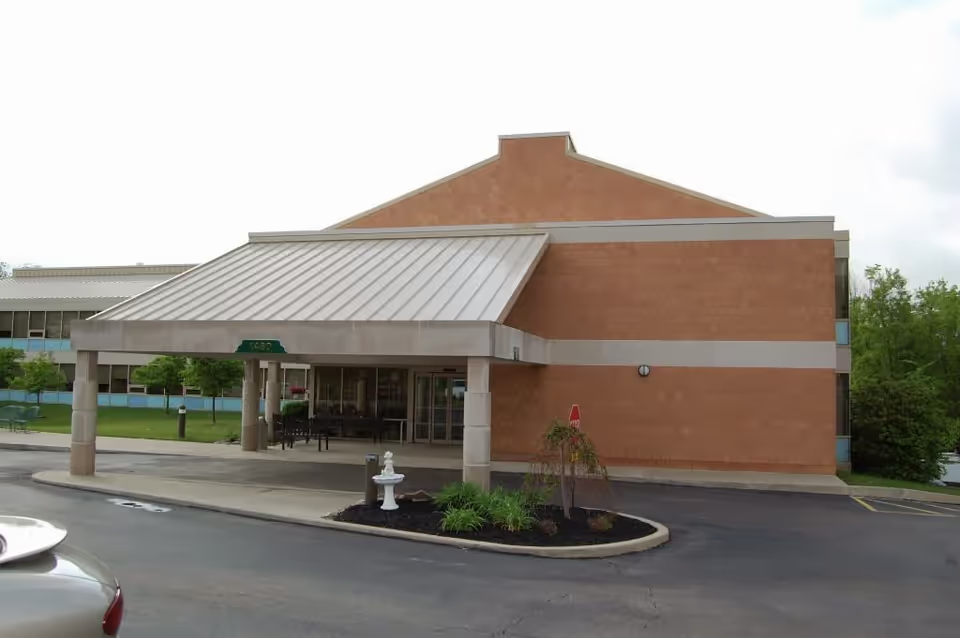
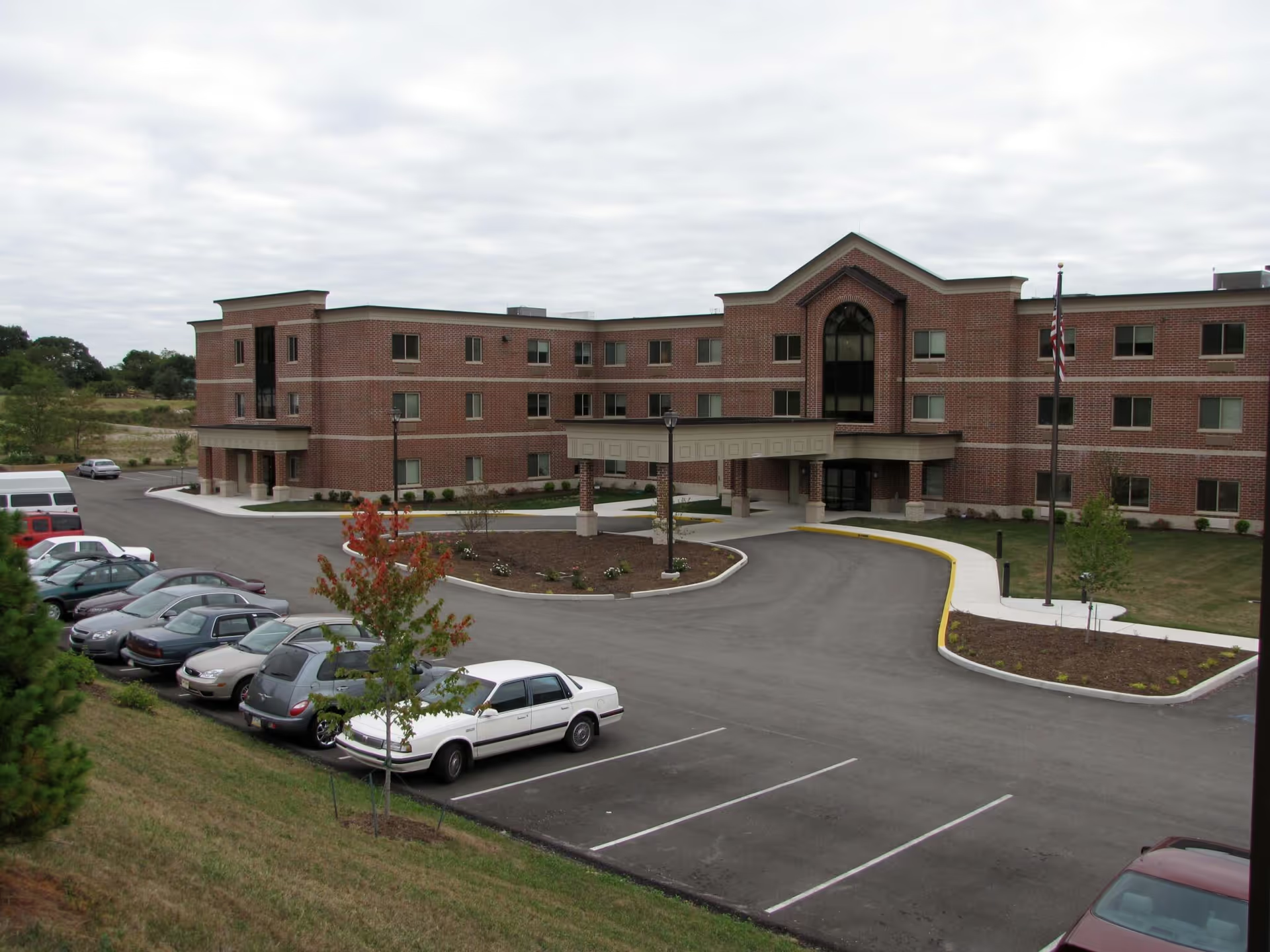
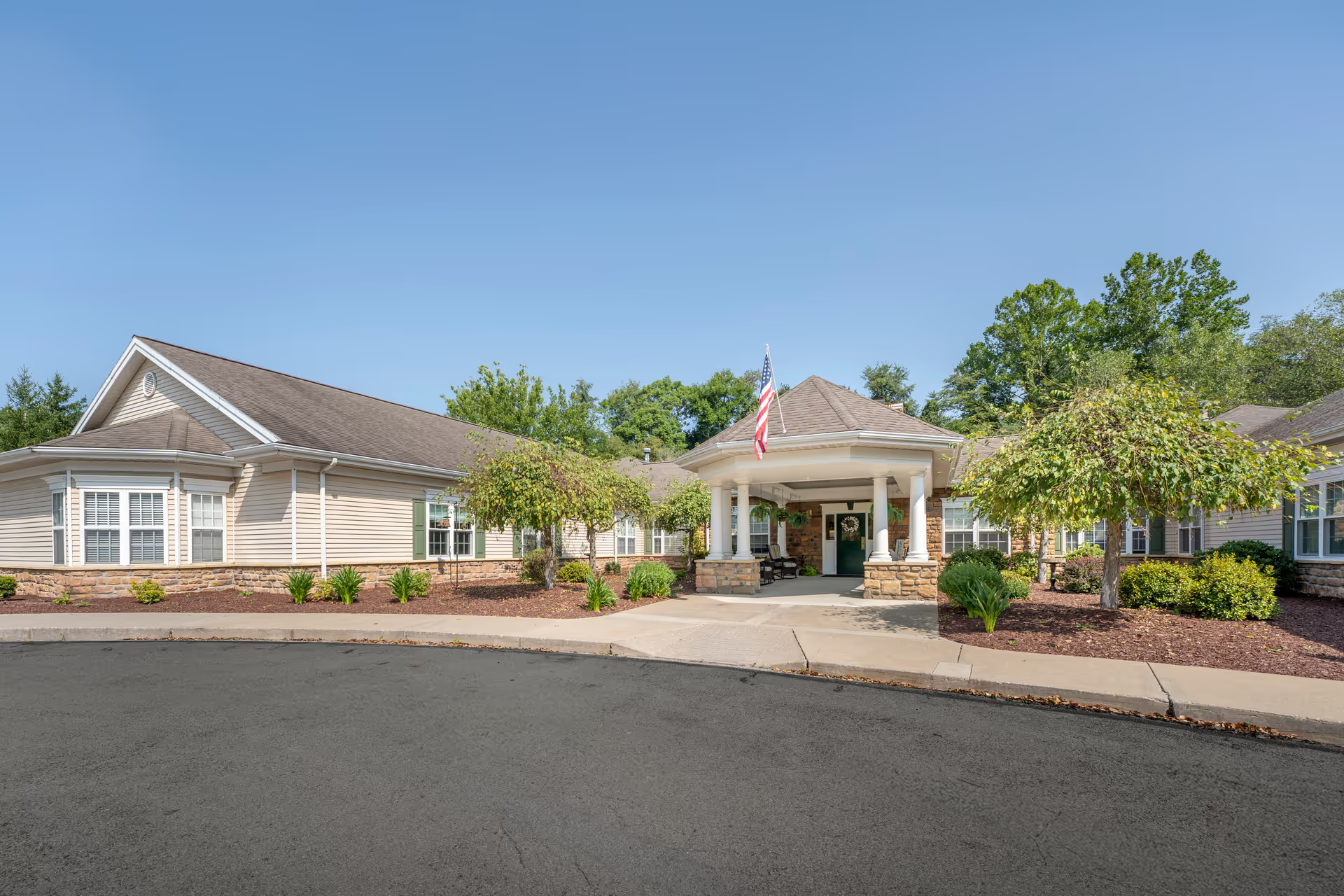
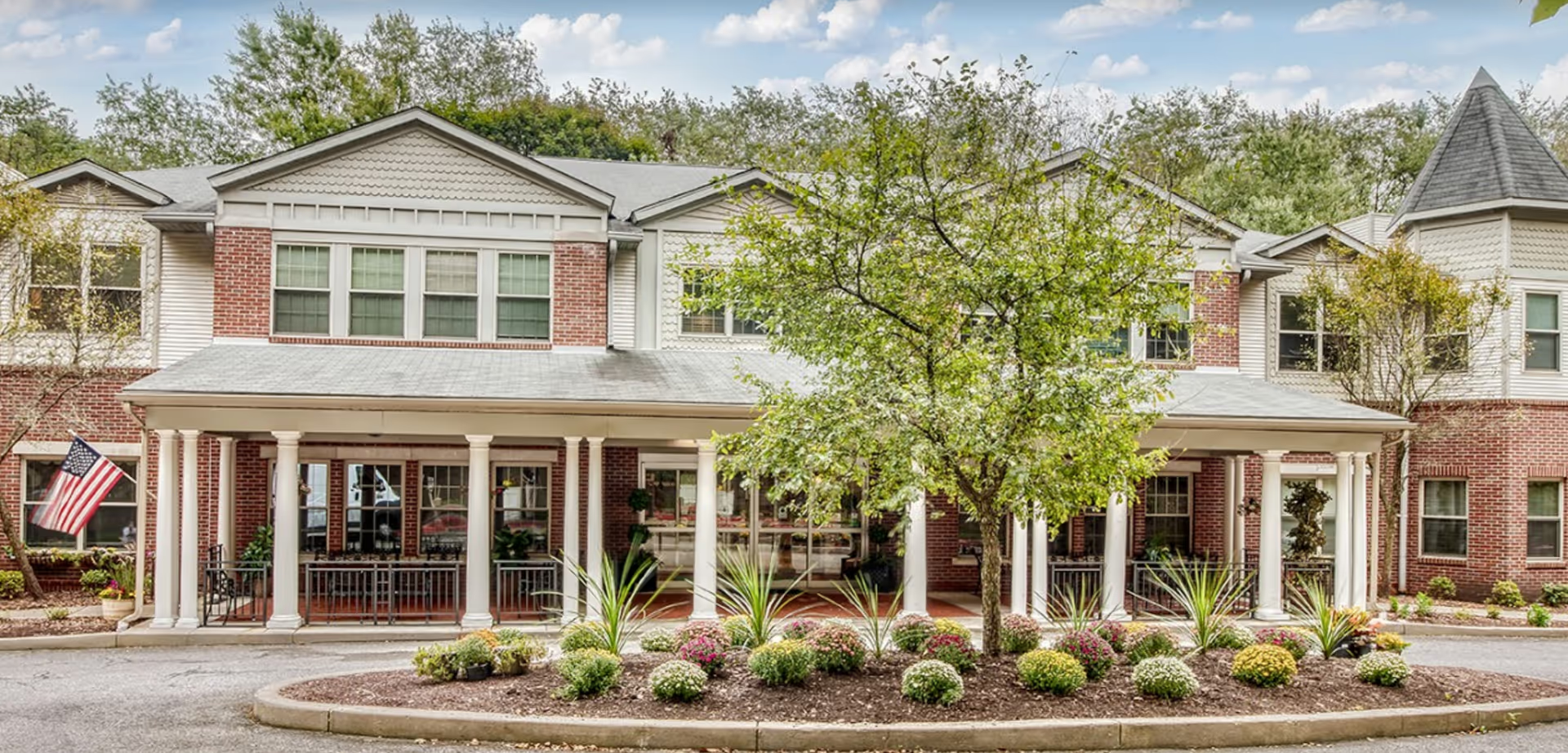
Reviewers describe Concordia of Monroeville as a facility with substantial strengths in therapy, programming, and physical environment alongside persistent operational weaknesses. The therapy and rehabilitation department receives strong and frequent praise for effective physical and occupational therapy, skilled therapists, and measurable functional improvements for many residents. Activities and social programming are repeatedly highlighted as a positive feature: daily groups, entertainment, outings, and memory-focused activities create engagement across cognitive levels. The building and grounds are described as clean, attractive, and hotel-like, with well-maintained public spaces and private-room options that many families appreciate.
Clinical care feedback is mixed. Many reviewers commend individual nurses, therapists, and social-work staff for being attentive and compassionate, and some families reported excellent care outcomes and smooth transitions. At the same time, multiple comments point to variability in caregiver skill—particularly among direct-care aides—and to recurring delays in responding to call lights and assistance requests. There are noted concerns about medication administration and documentation consistency, and isolated but serious clinical process lapses were described (for example, issues during discharge procedures and painful or poorly coordinated blood draws). Incontinence-care practices and bathing schedules were also repeatedly cited as areas needing improvement.
Safety and operational reliability are recurring themes. Several reviewers raised concerns about fall-prevention and transfer practices, alarm and call-system responsiveness, and equipment maintenance. Night and weekend staffing levels are a frequent concern; families often describe adequate daytime coverage but insufficient personnel overnight and on weekends, which contributed to delayed responses and limited weekend therapy access. Communication with families about incidents and clinical status was described as inconsistent; some accounts indicate timely, helpful updates from staff, while others describe poor follow-up, defensive management responses, and difficulty obtaining accurate information.
Dining and hospitality receive both praise and criticism. Positive notes include varied menus, standout breakfast preparations, customizable options, and periodic treats. Conversely, some families found meal quality inconsistent and objected to certain meal-service policies. Administrative and financial matters also surfaced repeatedly: reviewers described billing and insurance coordination problems, disputes over bed-retention and discharge policies, and a perception in some cases that administrative decisions were financially driven. A small number of serious individual claims—including allegations of theft and concerns following a resident's death—were raised and, in some instances, prompted family advocacy or involvement of external advocates.
In summary, Concordia of Monroeville offers strong rehabilitation services, an engaging activity program, and an attractive physical environment, with many staff members praised for compassion and professionalism. However, prospective residents and families should be aware of recurring operational issues: inconsistent staffing (particularly nights/weekends), variability in aide-level care, delays in response and clinical processes, and occasional management and communication shortcomings. Prospective families would be advised to tour at different times of day, ask about night and weekend staffing ratios, clarify medication- and incident-reporting procedures, confirm therapy schedules (including weekend availability), and review contractual discharge and billing policies before making placement decisions.