The review set describes a facility with a mixed performance profile: several reviewers praised specific therapy staff and short-stay rehabilitation outcomes, and also highlighted active programming and a generally clean environment, while other accounts raise substantial operational concerns that prospective residents and families should evaluate closely.
Care quality and clinical management: Reviews indicate uneven clinical performance. Positive accounts mention effective, focused short-term rehabilitation and helpful therapists, especially during daytime therapy sessions. Conversely, other reviewers describe lapses in clinical assessment and device management, including delayed attention after falls, missed diagnostic assessments, and inconsistent handling of medical devices. There are also expressed concerns about infection-control and wound-care processes. A regulatory action (state investigation and fines) was referenced in relation to care deficiencies, which merits review of official inspection records for context.
Staffing, responsiveness, and conduct: A recurring theme is inconsistent staffing levels and uneven coverage, particularly overnight. Many reviewers reported delayed responses to call requests, long hold times for phone callbacks, and limited facilitation of remote family visits. At the same time, some staff members — including certain nurses and therapists — were described as attentive and professional. Reports of unprofessional or retaliatory behavior, and broader concerns about staff conduct and professionalism, suggest variability in staff performance and supervision.
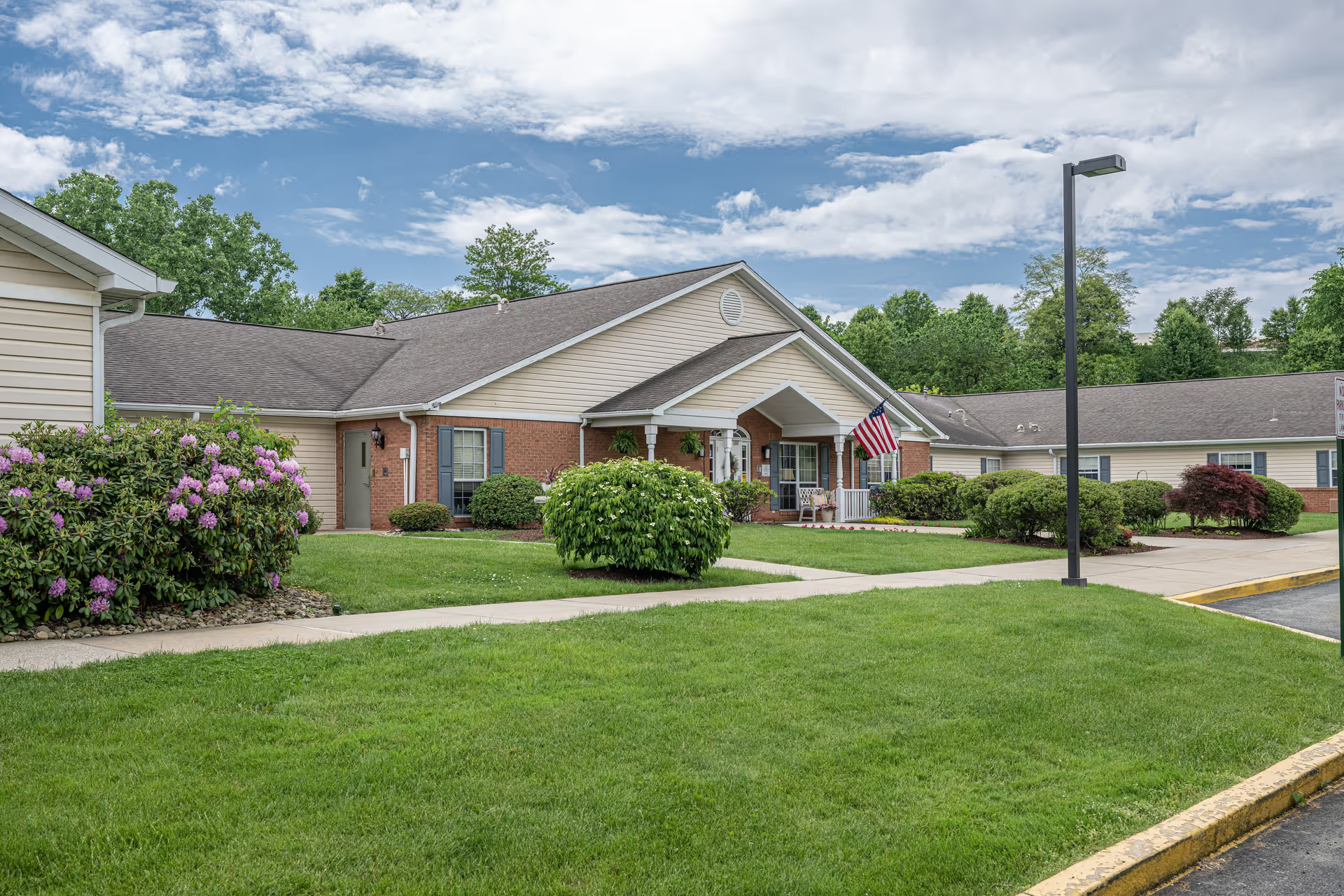
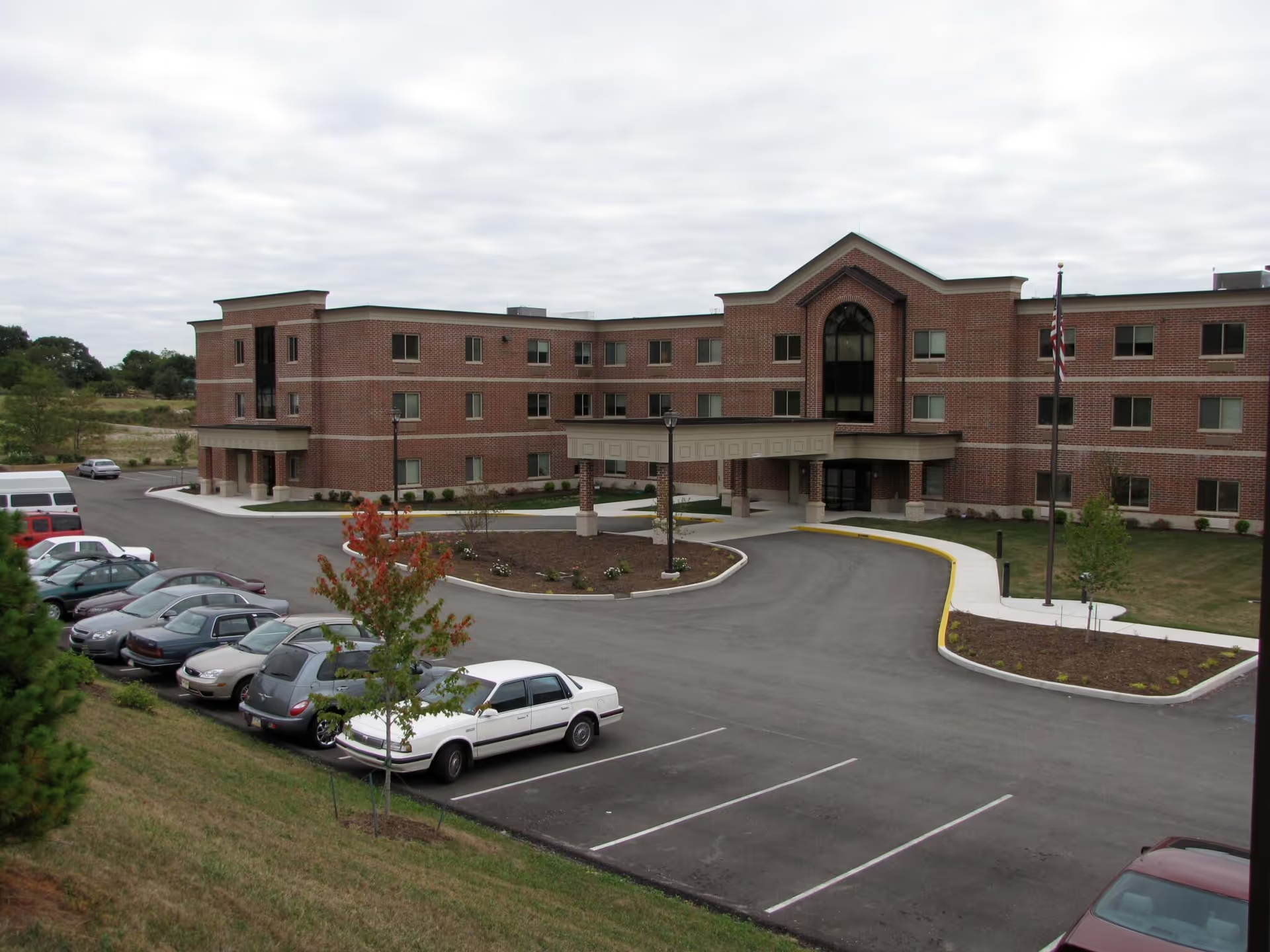
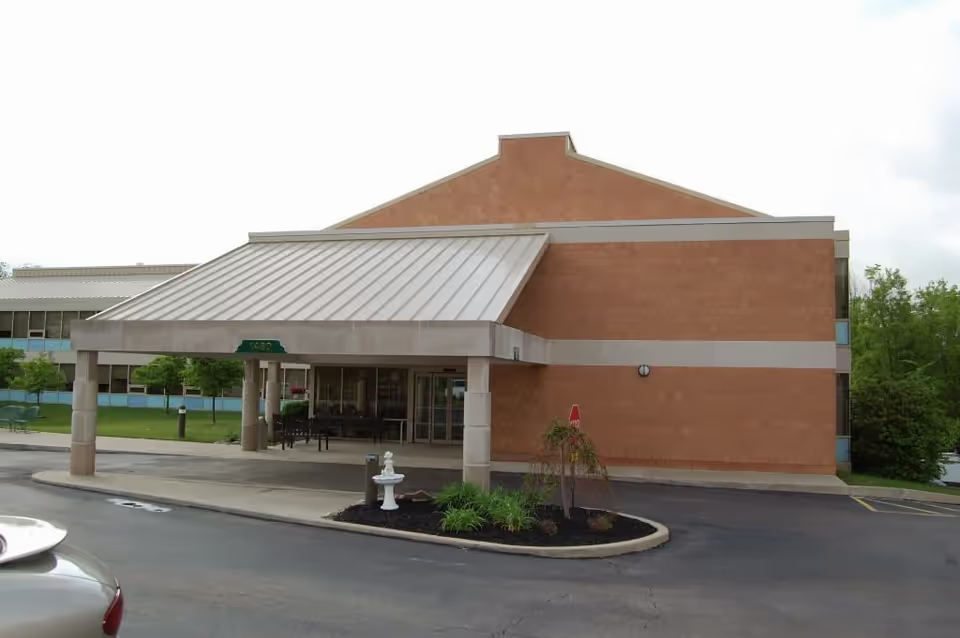
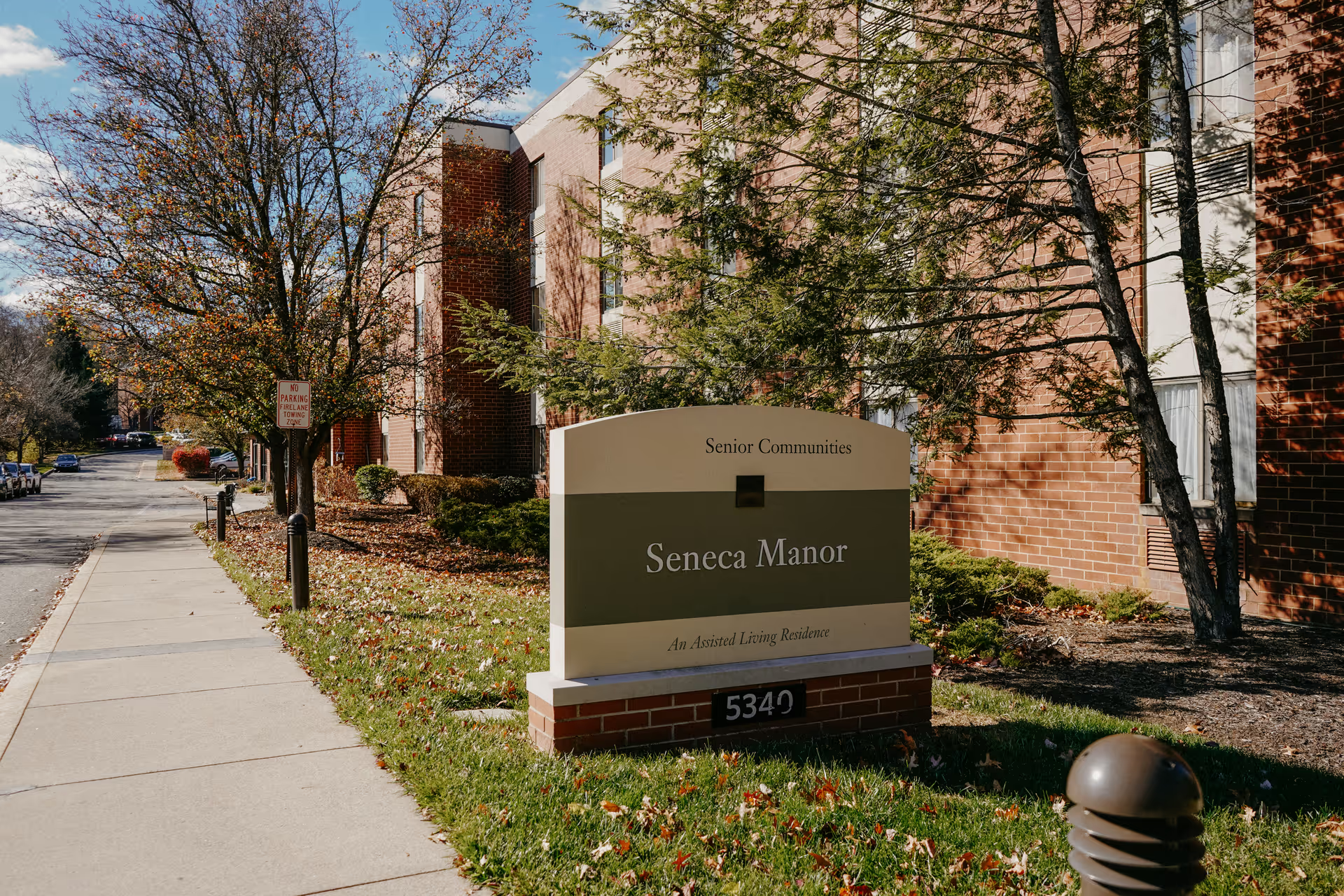
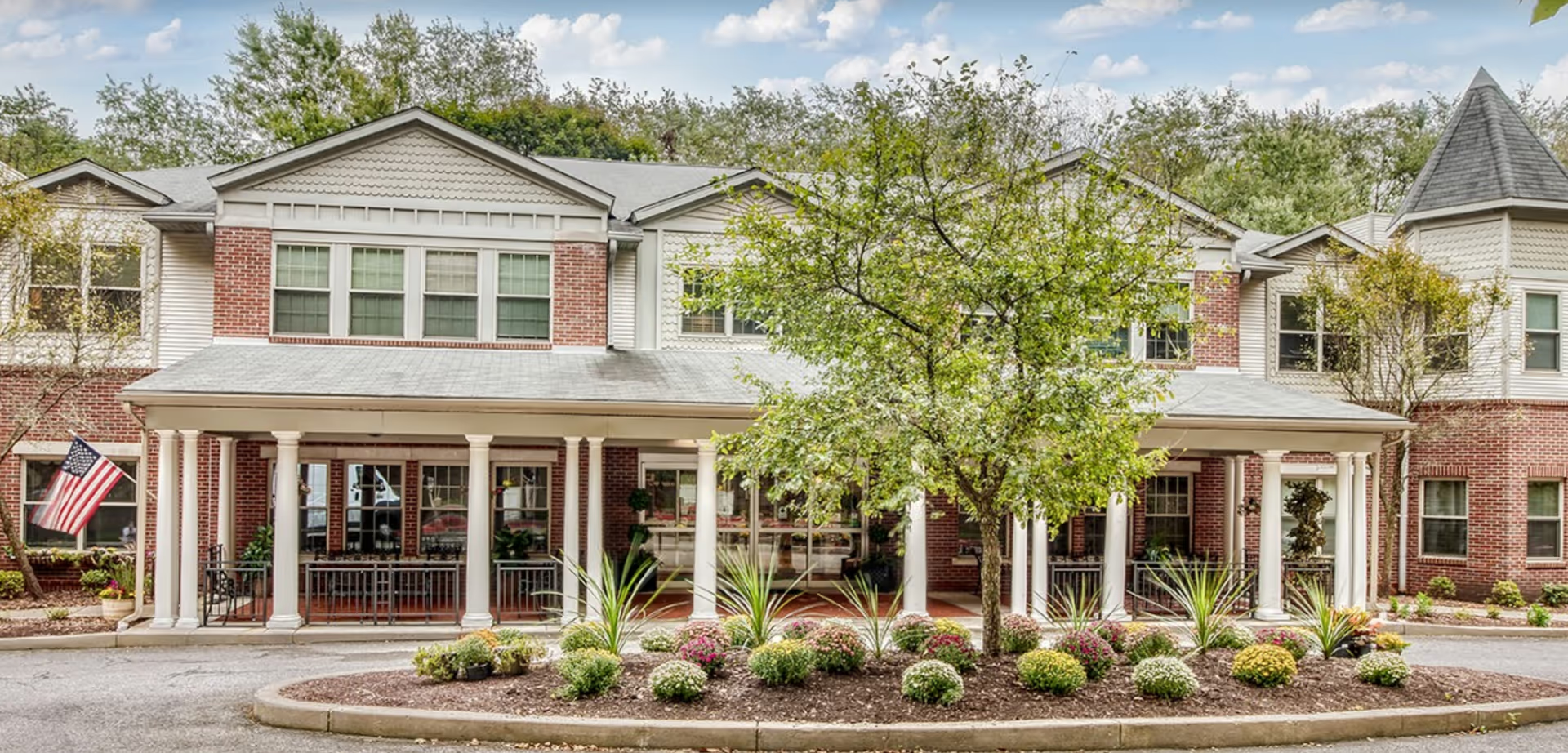
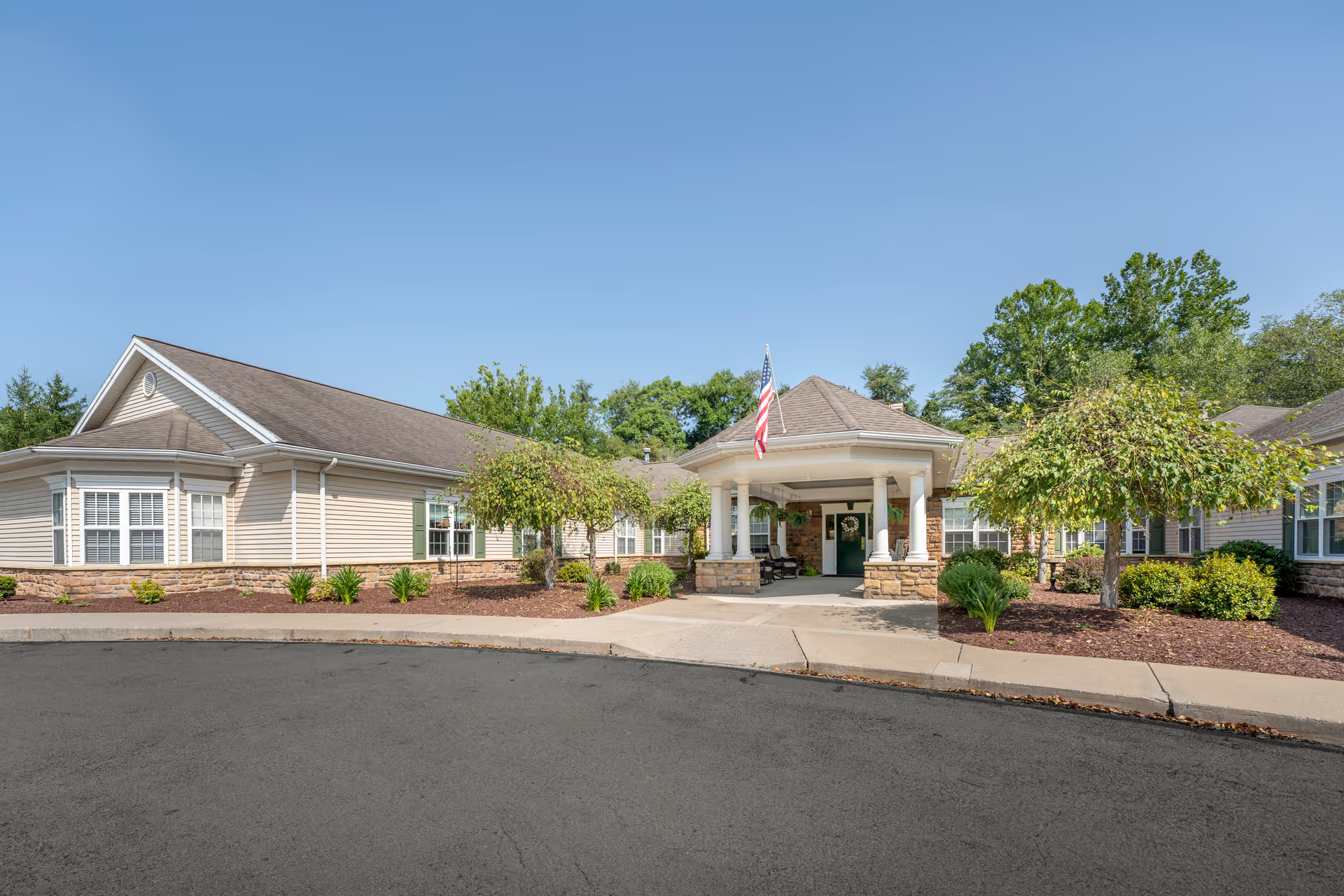
Activities, dining, and environment: The facility offers regular social programming (morning coffee, card games, on-site entertainment) that reviewers found engaging. The physical rooms and location were described as adequate, and some reviewers found the facility clean. However, multiple accounts raised environmental maintenance issues — including dust and paint-odor management during renovations, housekeeping and linen-management lapses, and other cleanliness concerns — that can affect comfort and perceived quality of care.
Management and communication: Several reviews note poor administrative follow-through: problems with room-hold management, damaged personal belongings, limited tour transparency during renovations, and inconsistent family communication. There are also complaints about an apparent lack of initiative to enable virtual visitation and limited COVID-era updates. These suggest gaps in operational communication, family engagement, and escalation pathways for quality concerns.
Notable patterns and guidance for families: The pattern across these reviews is one of significant variability — some residents experienced helpful, rehabilitative care and positive interactions with select staff, while others encountered delays, communication breakdowns, and process failures that affected safety and comfort. Prospective residents and families should request the facility's most recent inspection report, ask about staffing ratios and overnight coverage, inquire about fall-safety protocols and infection-control procedures, confirm policies for remote visitation and family updates, and request to see actual rooms and the dining area during a tour. Specific questions about linen and personal-item handling, clinical escalation procedures, and how the facility addresses family concerns may help clarify whether the facility’s strengths align with an individual resident’s needs.