WeCare at Monroeville elicits strongly mixed impressions. Its primary clinical strength is rehabilitation: physical therapy and related OT/PT services receive repeated praise for professional, effective work and for facilitating hospital-to-facility transitions. Reviewers also highlighted clinicians with wound-care expertise and individual nurses and CNAs who provided compassionate, attentive care. Several accounts describe helpful social-work support during placement and discharge, and recreational programming (including spiritual activities and group games) that some families and residents found meaningful.
At an operational level, a pattern of staffing challenges is the most consistent concern. Families describe persistent understaffing, staffing instability, and shift variability that coincide with slow responses to nurse-call systems, delayed medication administration, and occasional lapses in routine personal care. Those operational gaps are associated with downstream clinical events in some accounts, and reviewers raised concerns about the facility’s infection-control practices and clinical-incident management, including circumstances that led to hospital transfer or additional clinical evaluation. There are also repeated notes about delays or variability in emergency-response performance.
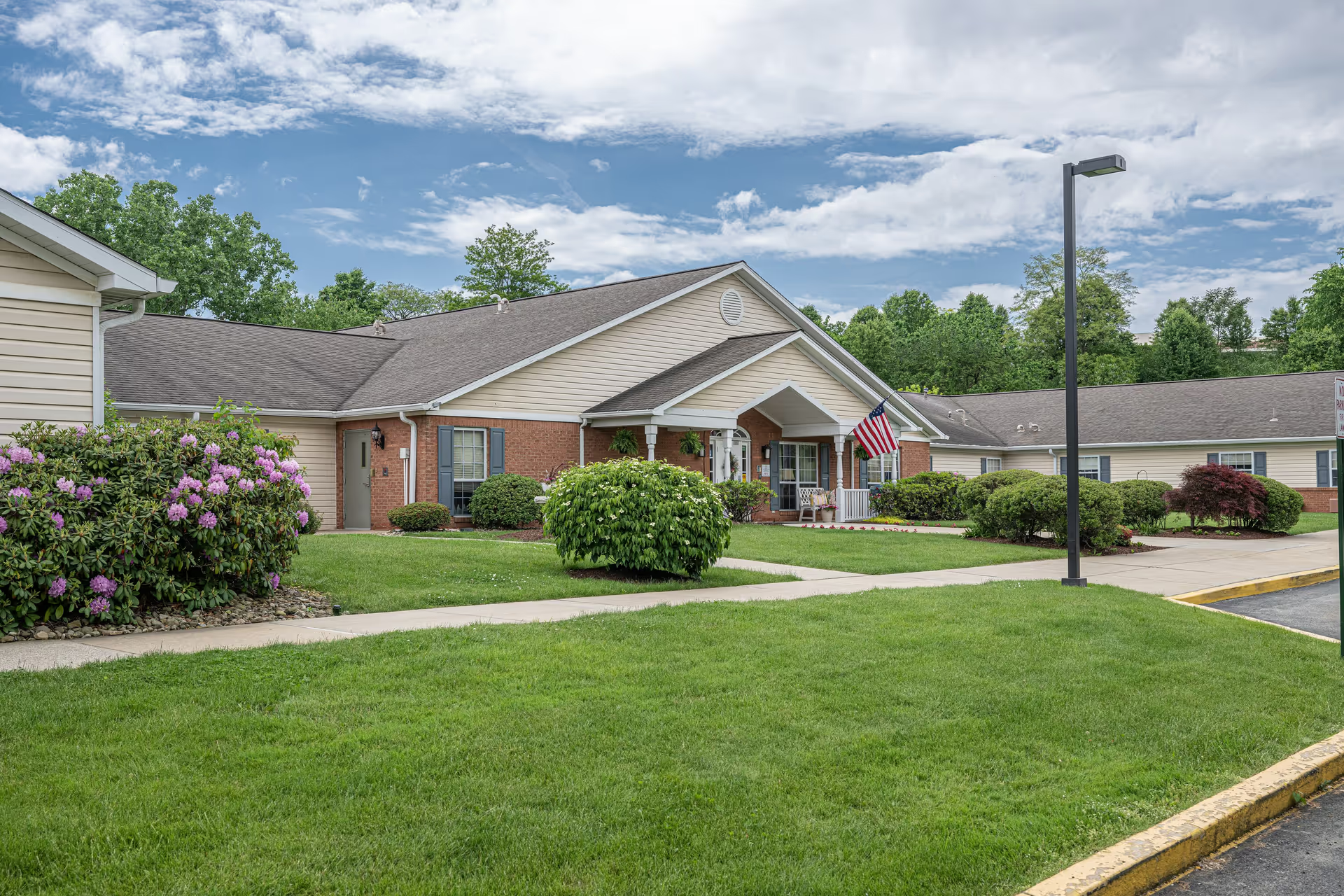
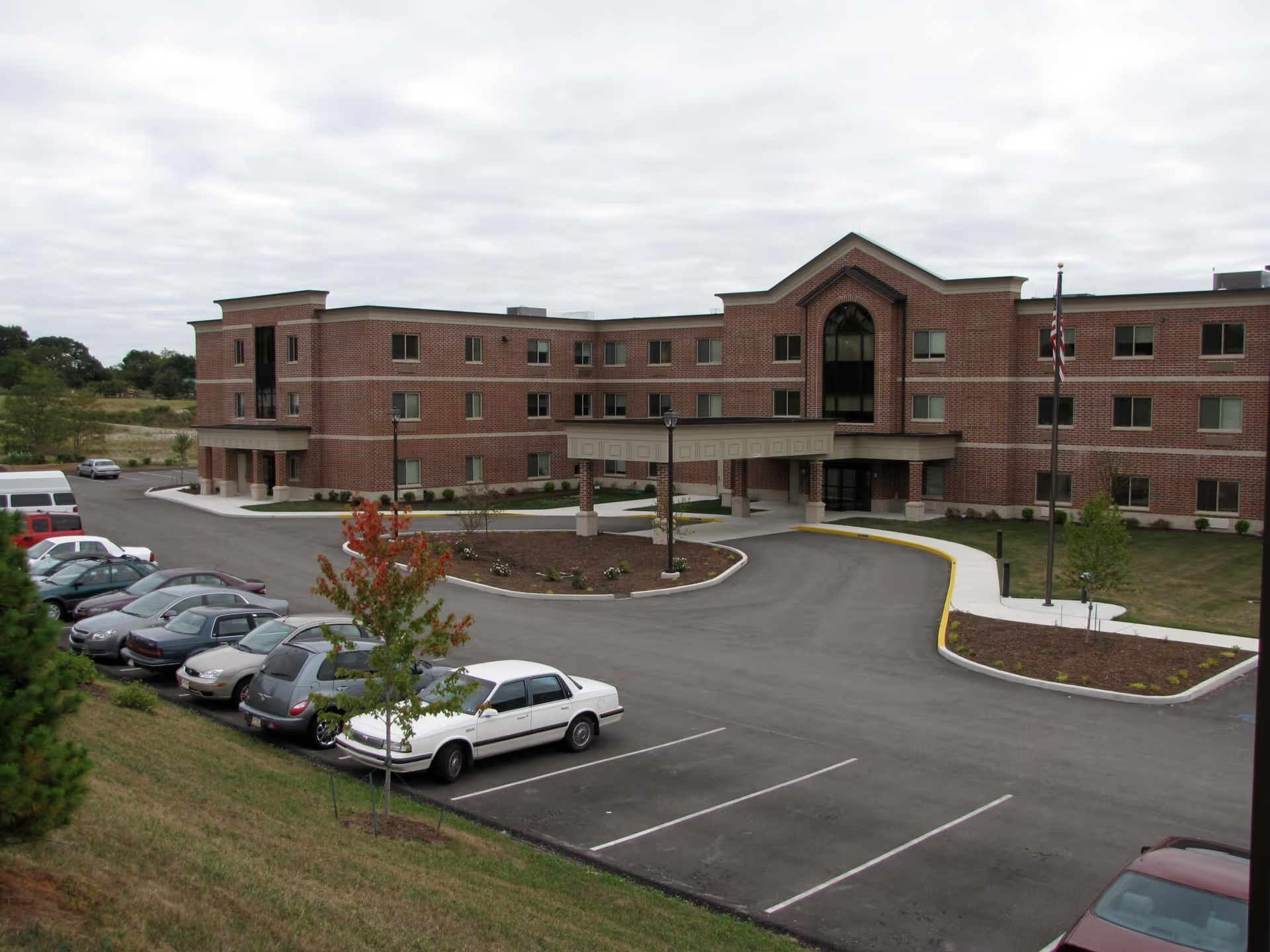
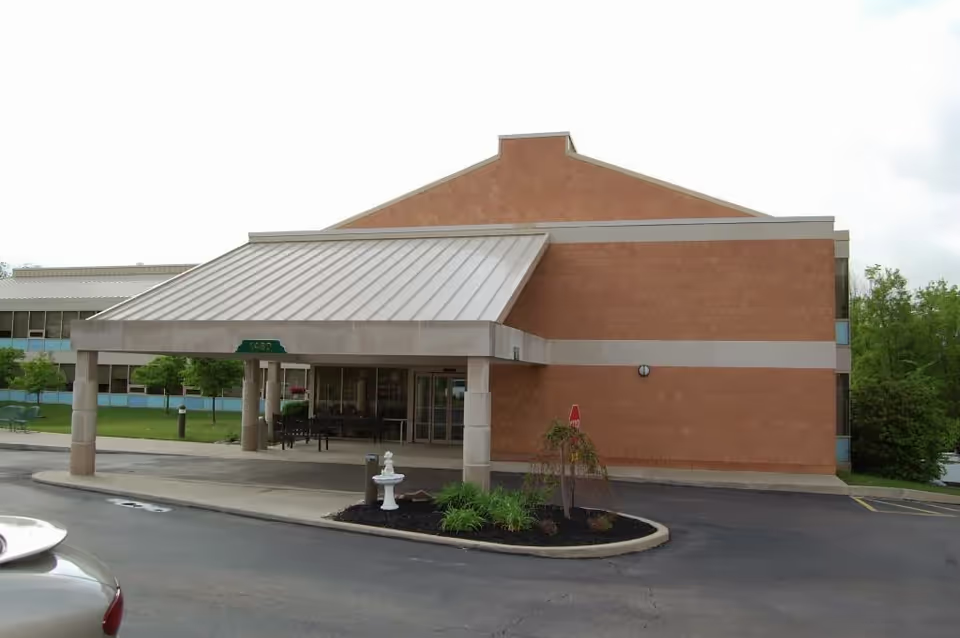
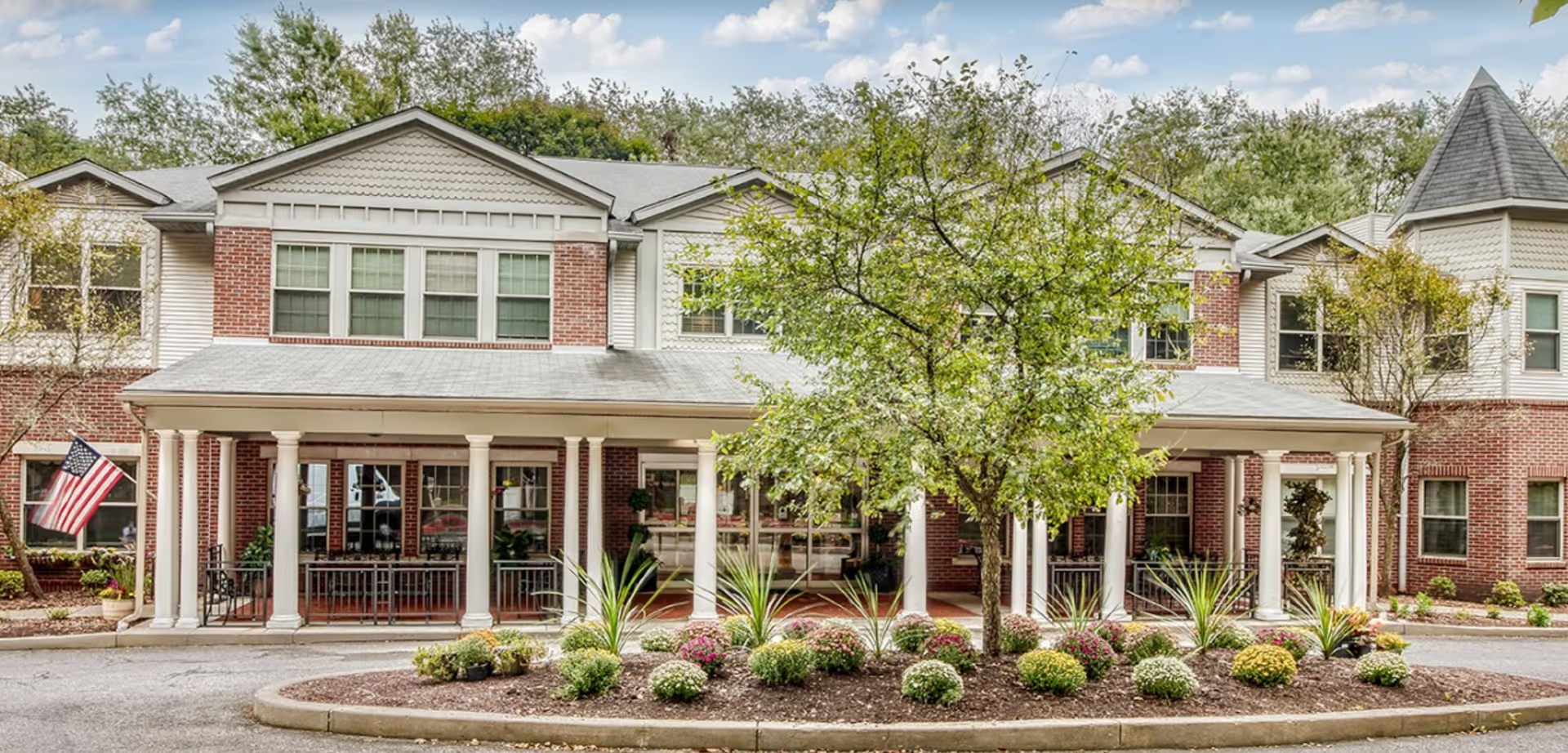
Facility condition and environmental-control issues are another recurring theme. Multiple reviewers cited outdated rooms and furnishings, intermittent maintenance problems (for example, HVAC failures and structural damage), pest-control and odor concerns in some areas, and uneven housekeeping performance. These maintenance and sanitation problems appear to be variable by shift or staff assignment rather than uniformly resolved, contributing to a perception of an environment that sometimes does not meet expected standards for a post-acute care setting.
Communication and management practices drew frequent criticism. Families report difficulty obtaining timely updates, unreturned calls, confusing billing or insurance interactions, and inconsistent handling of personal belongings. There are also complaints about staff conduct and tone in interactions with families; in a few instances reviewers named specific staff members and requested regulatory review, which may warrant follow-up by prospective families or oversight bodies. At the same time, some families described administrators and individual staff who were accommodating and effective in addressing concerns.
Dining and daily-living services show variability: some residents and families praised meals and staff responsiveness, while others described poor menu adherence, dietary errors, and slow service. Activities programming is generally identified as a positive when present and staffed. Overall, the experience appears highly dependent on shift, department, and individual caregivers: certain therapy teams, nurses, and CNAs received strong positive comments, while other shifts and roles were frequently characterized by delays and inattentiveness.
For prospective residents and families: this facility may offer strong rehabilitative care and valuable therapy resources, but it would be prudent to verify current staffing levels, emergency-response protocols, infection-control practices, maintenance plans (including HVAC and pest control), medication-administration procedures, and billing/insurance support during the tour. Ask for documentation on staffing ratios, recent inspection or quality reports, and examples of how management addresses family communication and personal-belongings handling. Those inquiries will help clarify whether the strengths observed by some families align with the lived experience you should expect for your loved one.