Overall impression: WeCare at Murrysville elicits mixed but distinct patterns. Many accounts highlight strong clinical therapy services and a number of caring, long‑tenured staff who support good short‑term rehabilitation outcomes. At the same time, there are persistent operational weaknesses — most notably staffing and responsiveness — that produce widely variable resident and family experiences.
Care and staff: Several reviewers described compassionate, attentive nurses, aides, and therapy clinicians (physical, occupational, and speech). Therapy services are frequently praised for producing measurable progress and efficient discharge planning for patients seeking to return home. However, chronic understaffing — particularly on weekends — and slow response times to call bells and care requests were consistently cited. Reviewers also raised concerns about staff conduct and supervisory professionalism in some instances; there are even allegations of discriminatory or hostile workplace behavior that families and prospective residents should consider when assessing culture and resident experience. Coordination with hospice and other clinical services was noted as a strength where applicable.
Dining and activities: Activity programming is a frequently cited positive, with families noting ongoing engagement opportunities for residents. Dining experiences are more mixed: some reviewers praise meals and hospitality, while others describe declining food quality, limited beverage/condiment availability, and inconsistencies in meal service. Prospective residents should ask about current menus, special-diet handling, and how supply shortages are managed.
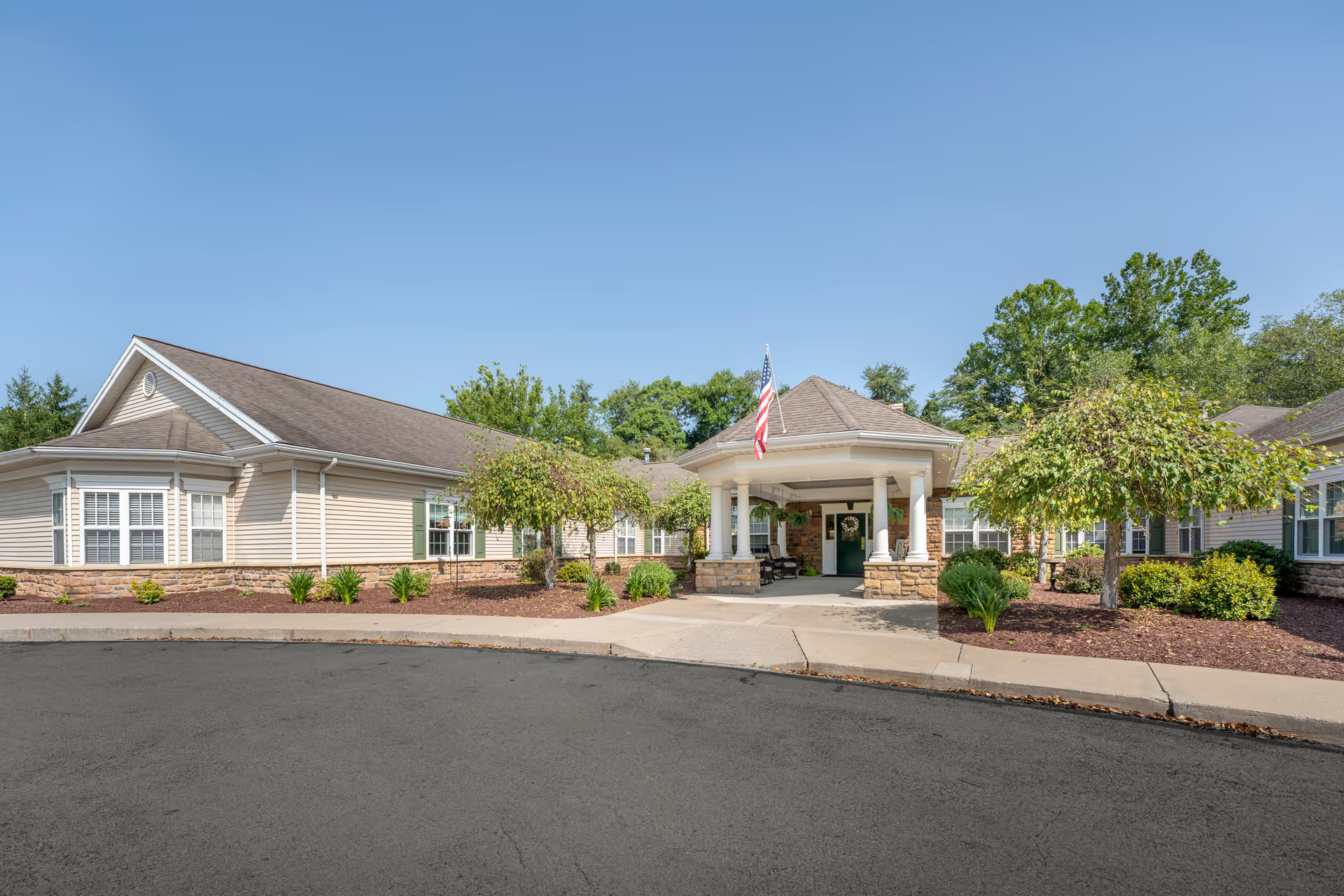
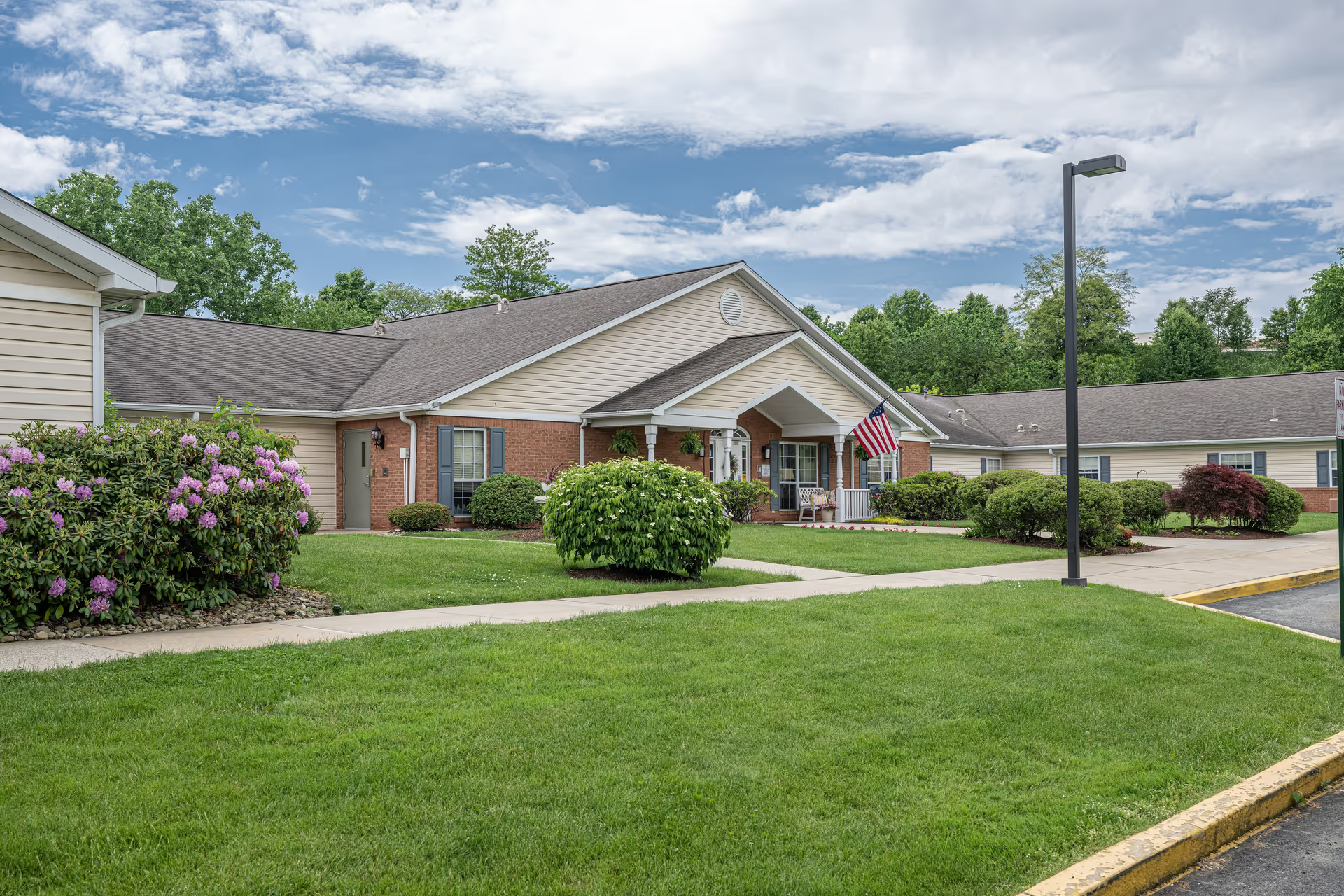
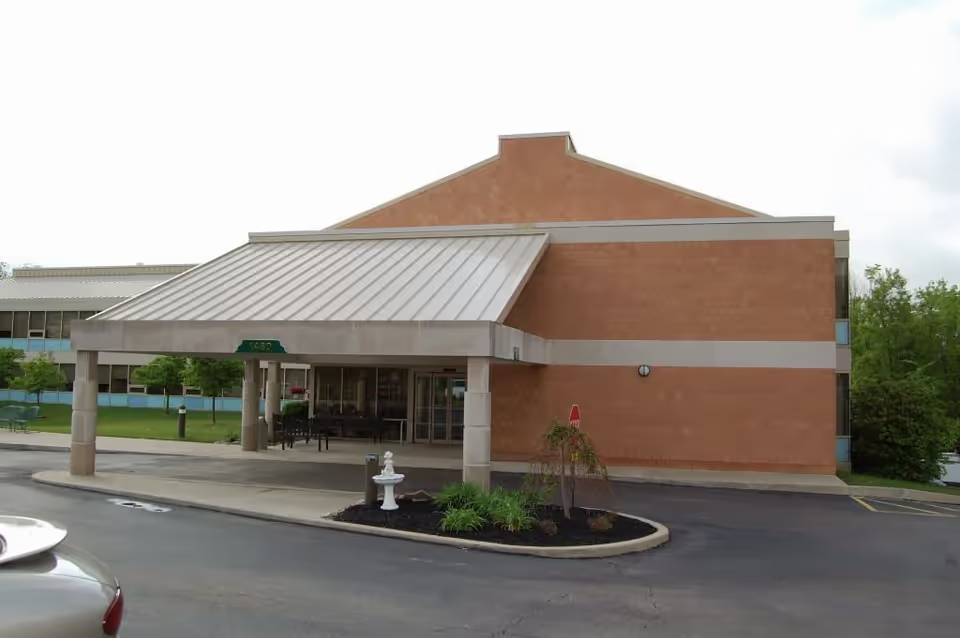
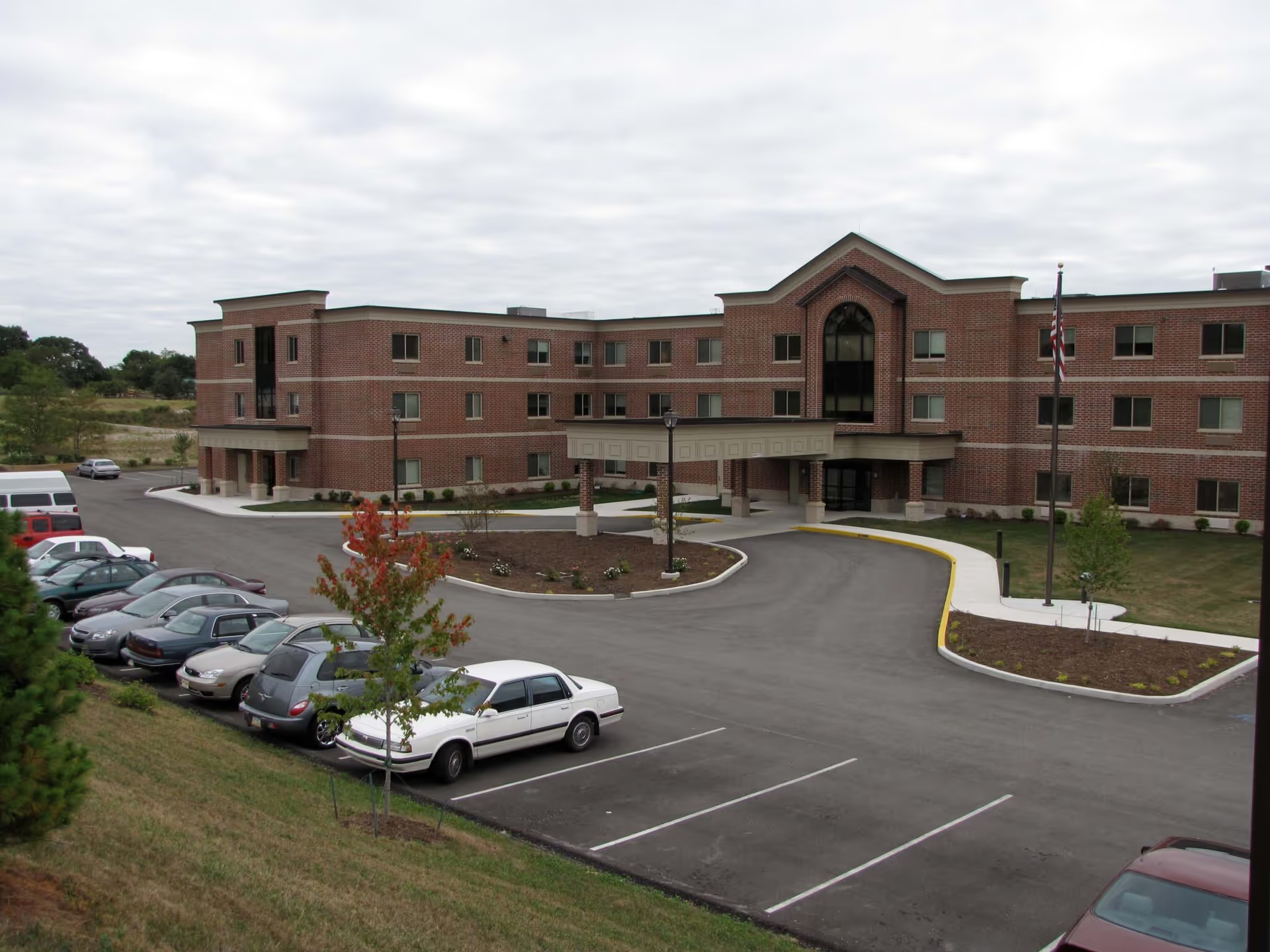
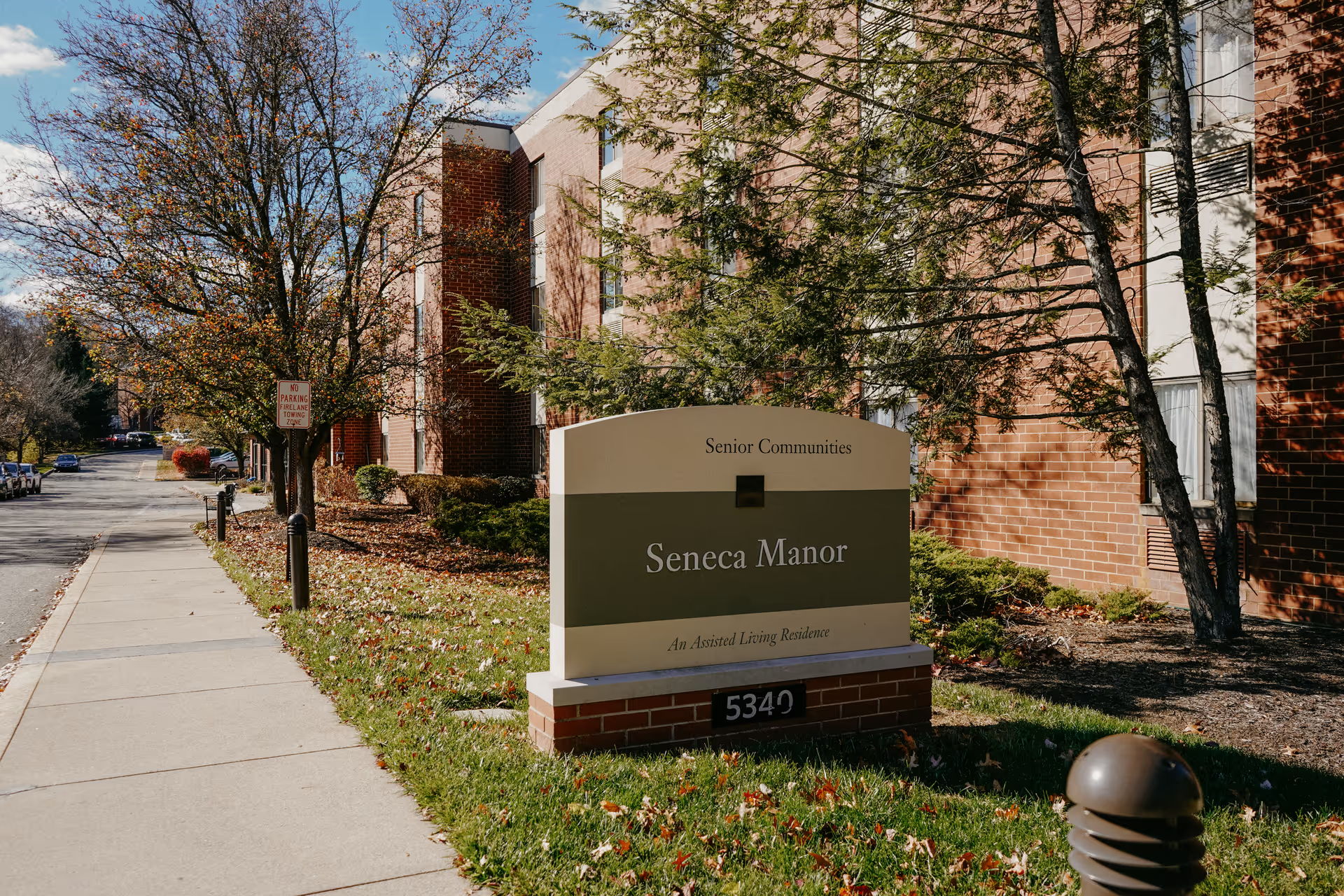
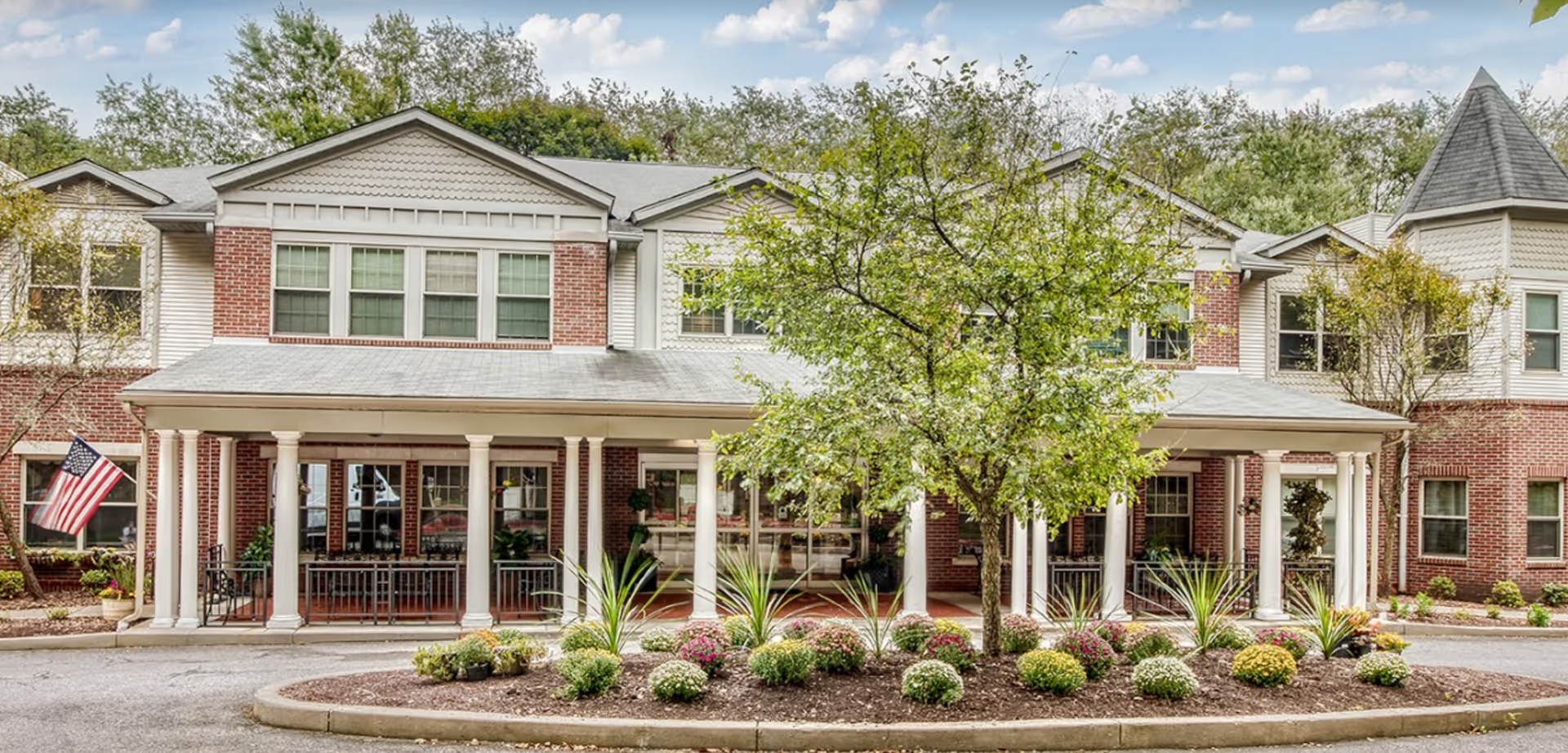
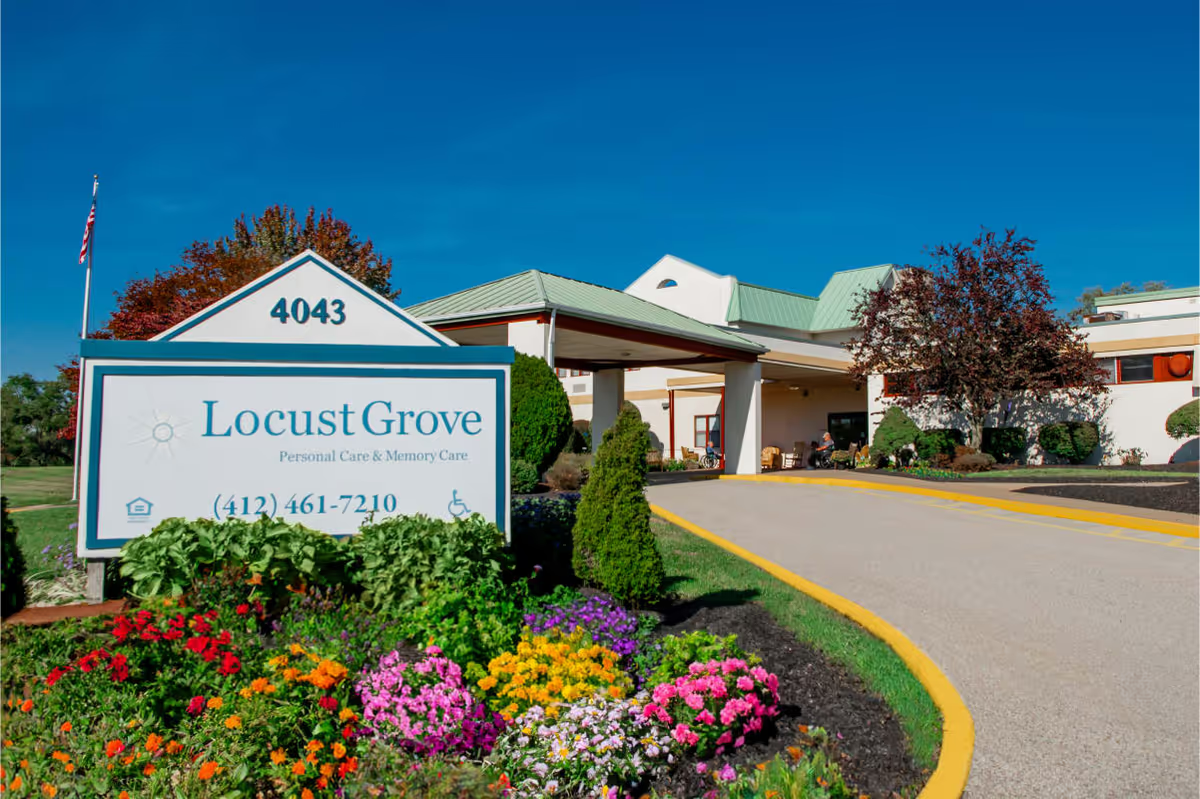
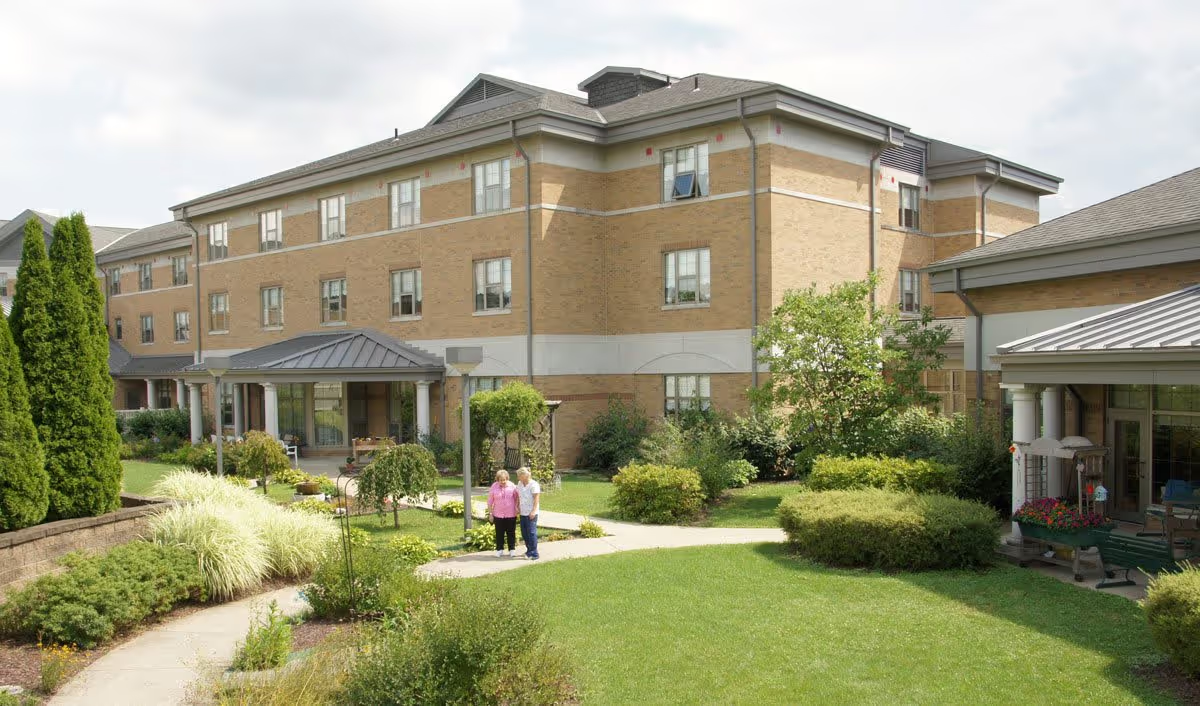
Facilities and management: The building is described by many as well kept and orderly, with tidy rooms and pleasant common areas in parts of the facility. Concurrently, there are sanitation and odor‑management concerns in certain units and occasional maintenance issues reported (for example, broken equipment and cosmetic damage). Safety issues were raised, including fall risk and gaps in transfer or monitoring practices, as well as lapses in asset and property security. Administrative and financial reliability also surfaced as a concern in several accounts — including disputed refunds, delayed vendor payments, and billing issues — which may reflect broader management or back‑office challenges.
Notable patterns and guidance: The facility shows clear strengths in therapy, several committed caregivers, and activity programming, but operational shortfalls (staffing, responsiveness, sanitation consistency, dining reliability, communication, and administrative processes) create uneven experiences. Families and prospective residents should schedule an in‑person tour, observe staffing levels (including weekends and evenings), ask direct questions about call‑bell response times, sanitation protocols, property-security measures, meal planning, and current billing/refund policies. For those considering short‑term rehab, confirm expected therapy intensity and discharge goals; for longer stays, probe staffing stability and workplace‑culture safeguards.