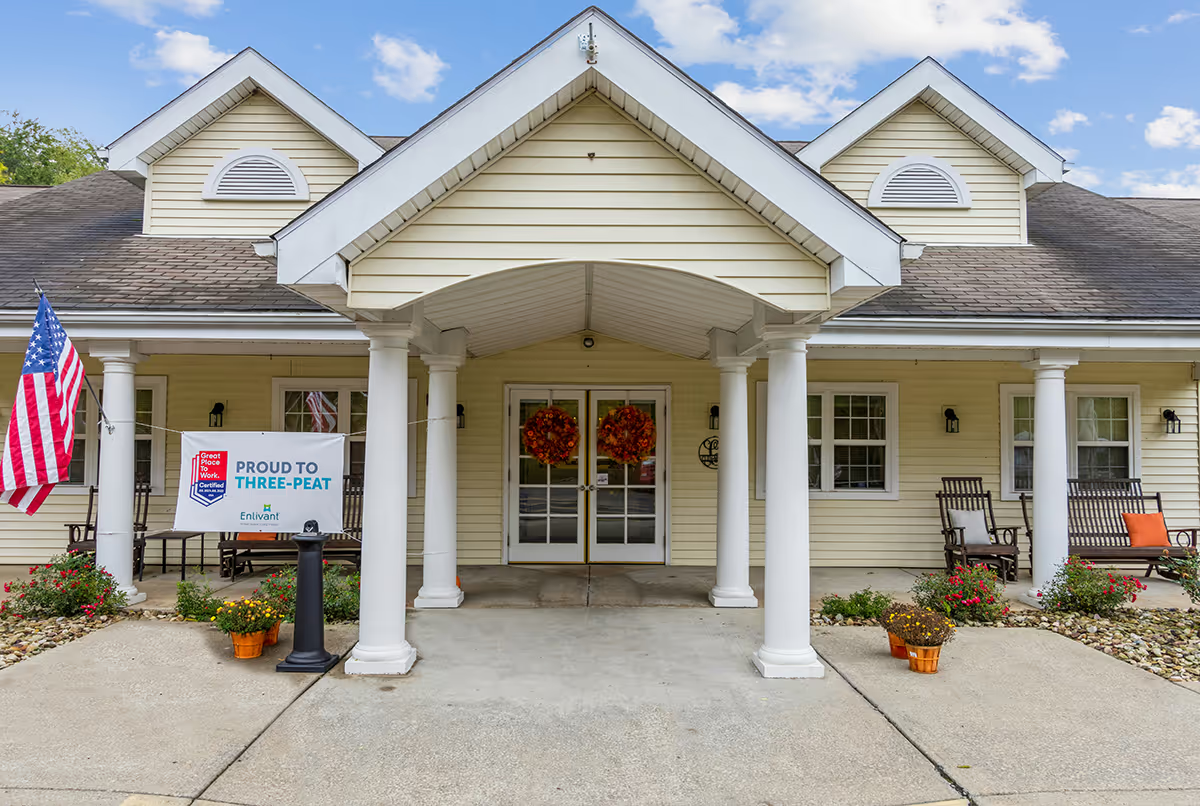
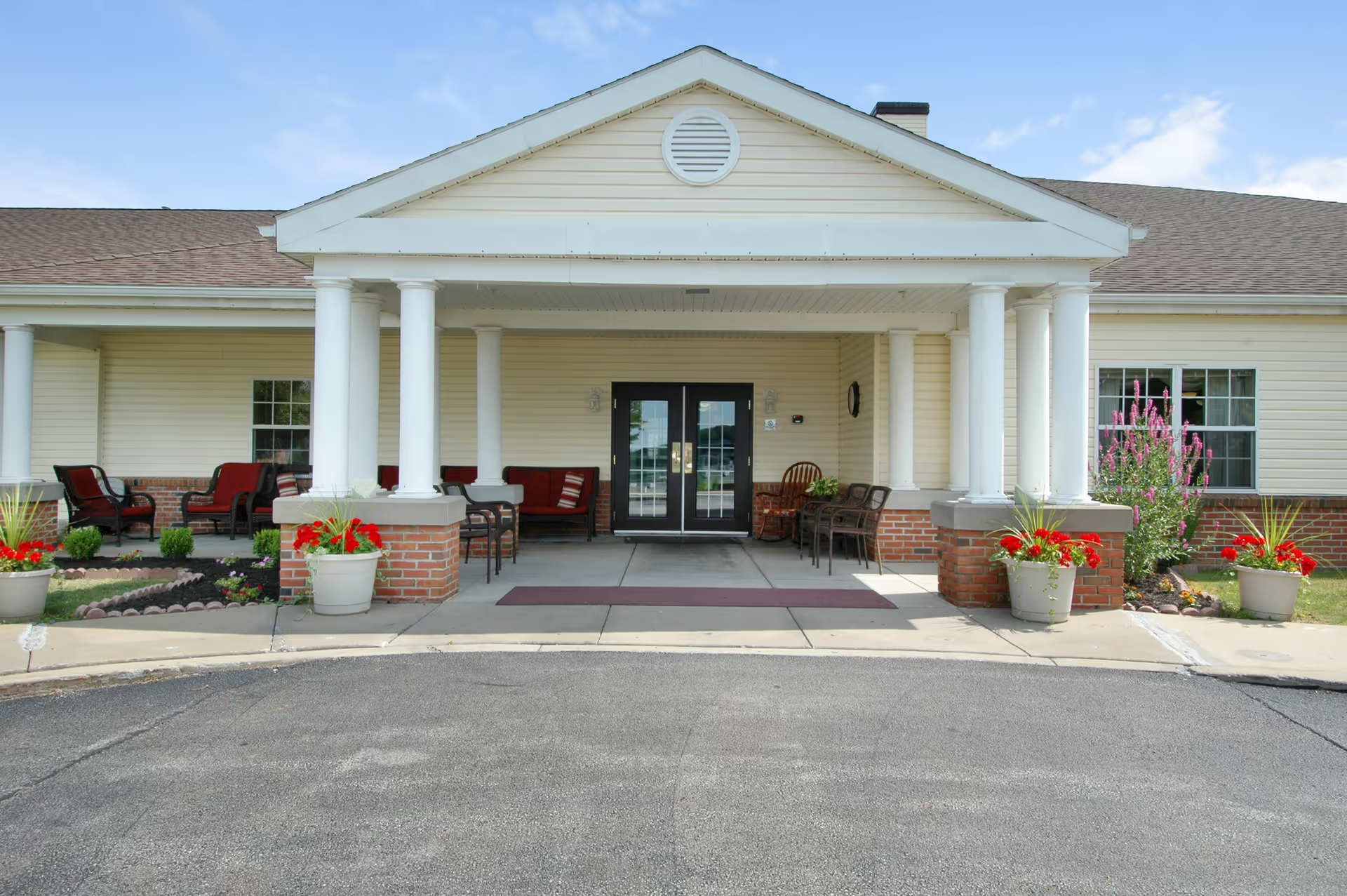
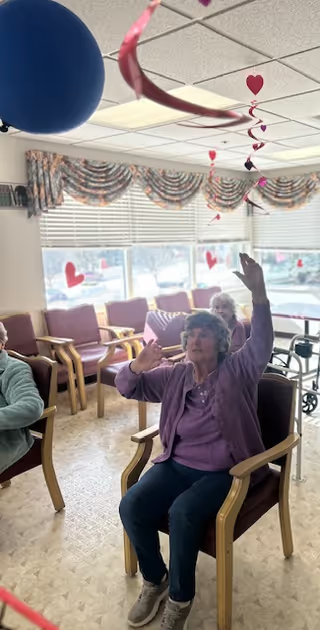
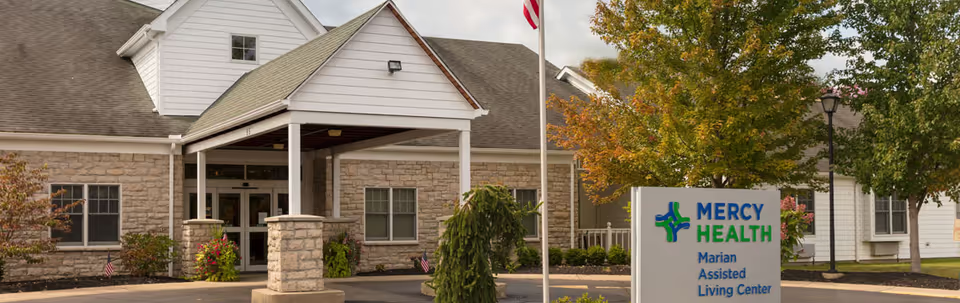
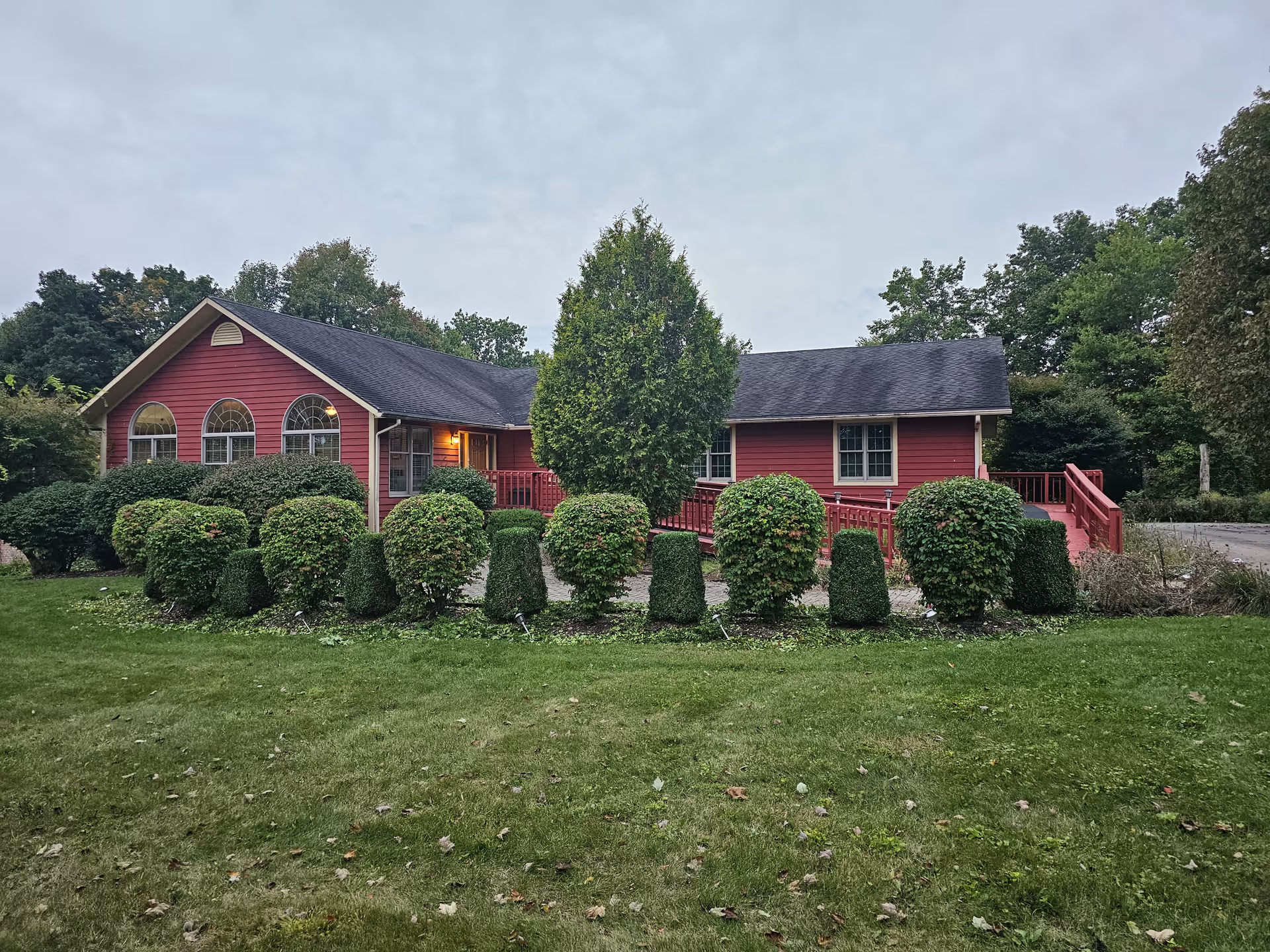
Overall impression: Reviews describe a facility with notable clinical strengths alongside persistent operational weaknesses. The therapy and activities programs are repeatedly praised: families and residents frequently mention strong physical and occupational therapy, an active activities calendar, and rehabilitation staff who appear effective and engaged. Many reviewers also highlighted caring, attentive aides and moments when staff went beyond expectations to support comfort and well-being. Common areas such as the lobby were described as clean and pleasant, and some shifts and teams were characterized as friendly and hardworking.
Care quality and clinical issues: Despite the strong therapy output, reviewers raised consistent concerns about basic nursing responsiveness and clinical follow-up. Descriptions include delays in administering medications and pain relief, missed or delayed attention to changing clinical signs, and examples suggesting gaps in assessment and escalation (including undiagnosed conditions noted by family members). Concerns about medication management and pain control were prominent enough to be considered an operational weakness rather than isolated events. There are also several accounts of prosthetic/denture management problems and unintended weight loss tied to eating difficulties.
Staffing, conduct, and communication: Staffing levels appear uneven across shifts and days of the week; weekend and some less-experienced staff were described as less responsive by families. This inconsistent staffing pattern correlates with reports of long wait times for assistance, delayed bathing, and limited interaction with residents. Reviewers described variability in staff tone and teamwork—some teams were praised for strong rapport while other interactions were described as curt or defensive. Families also expressed frustration with communication from leadership, privacy of resident information, and social-media or rumor-driven conflicts, all of which suggest gaps in family liaison practices and leadership stability.
Dining and daily living: Food-service concerns were raised regarding meal temperature, seasoning, and texture; several accounts noted cold or poorly seasoned items and difficulty eating due to denture issues. Bathing and personal-care scheduling were described as inconsistent (examples include infrequent baths and lengthy waits for assistance), and the facility layout—shared rooms and multi-person shared bathrooms—was identified as a practical challenge for some families. Locked doors and limited access to shared bathroom areas were mentioned as an operational inconvenience.
Facilities and maintenance: Reviewers reported episodic infrastructure problems such as heating outages and frozen pipes, which affected comfort and the perceived reliability of building systems. These maintenance incidents, combined with staffing variability, contributed to family concerns about the facility’s ability to maintain a consistently safe and comfortable environment year-round.
Patterns and notable allegations: While many families described positive experiences with therapy and day-to-day aides, others recounted serious individual incidents and raised allegations about clinical oversight and management communication. These accounts—ranging from missed clinical signs to breakdowns in follow-up care—point to variability in the facility’s ability to consistently deliver nursing and supervisory services. Given the mix of strong rehabilitation services and recurring operational weaknesses, the facility appears to deliver high-quality therapy in many cases but has uneven performance in nursing responsiveness, medication and pain management, personal-care scheduling, and facility reliability.
Guidance for prospective families: If considering this facility, observe therapy sessions, request documentation of staffing levels and medication-administration protocols, ask about bathing schedules and denture/dental care coordination, and clarify backup plans for infrastructure failures (heat, plumbing). Inquire how the facility communicates incidents to families, how it supports weekend coverage, and what measures are in place to ensure consistent pain management and clinical reassessment. These targeted questions can help assess whether the facility’s strengths align with a prospective resident’s priorities and clinical needs.