Overall impression: Reviews reflect a mixed but specific pattern. Families and visitors frequently praise the staff’s compassion and knowledge, the facility’s cleanliness and maintenance, and the facility’s value relative to other local options. At the same time, multiple operational issues — primarily staffing, programming, and physical-plant limitations — are raised often enough to be notable for prospective residents and their families.
Care and staff: Caregiving staff are commonly described as caring, personal, and helpful; reviewers highlighted staff who communicate with families about available services and who provide hands-on support during difficult times. Some accounts describe steady staff relationships that supported resident improvement and engagement. Counterbalancing those positives are recurrent concerns about staffing levels and availability. Understaffing is linked in reviews to limited activity staffing, reduced daily interaction with residents, and periods when only administrative personnel are visible on the floor. There are also descriptions of gaps in care planning and clinical communication — for example, families noted decisions about diet texture and other clinical choices that they felt lacked clear explanation — which suggests the need for clearer documentation and family communication processes.
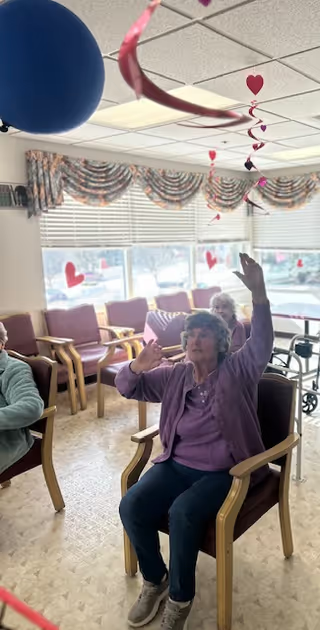
Dining and activities: The dining room and meal environment are strengths for many: reviewers describe a cheerful, homey dining area, included laundry, and meals that some residents enjoy. The facility supports regular offerings such as church services, a daily activity calendar, live piano/accordion music, and games like bingo. However, activity programming appears inconsistent. Several reviews indicate a recent reduction in organized activities (including removal of the activities director) and limited stimulation for residents; understaffing is commonly cited as the proximate cause. Meal service style and quality are described variably — some reviewers praise the food, while others describe cafeteria-style presentation and uneven meal quality — pointing to variability in dining experience.
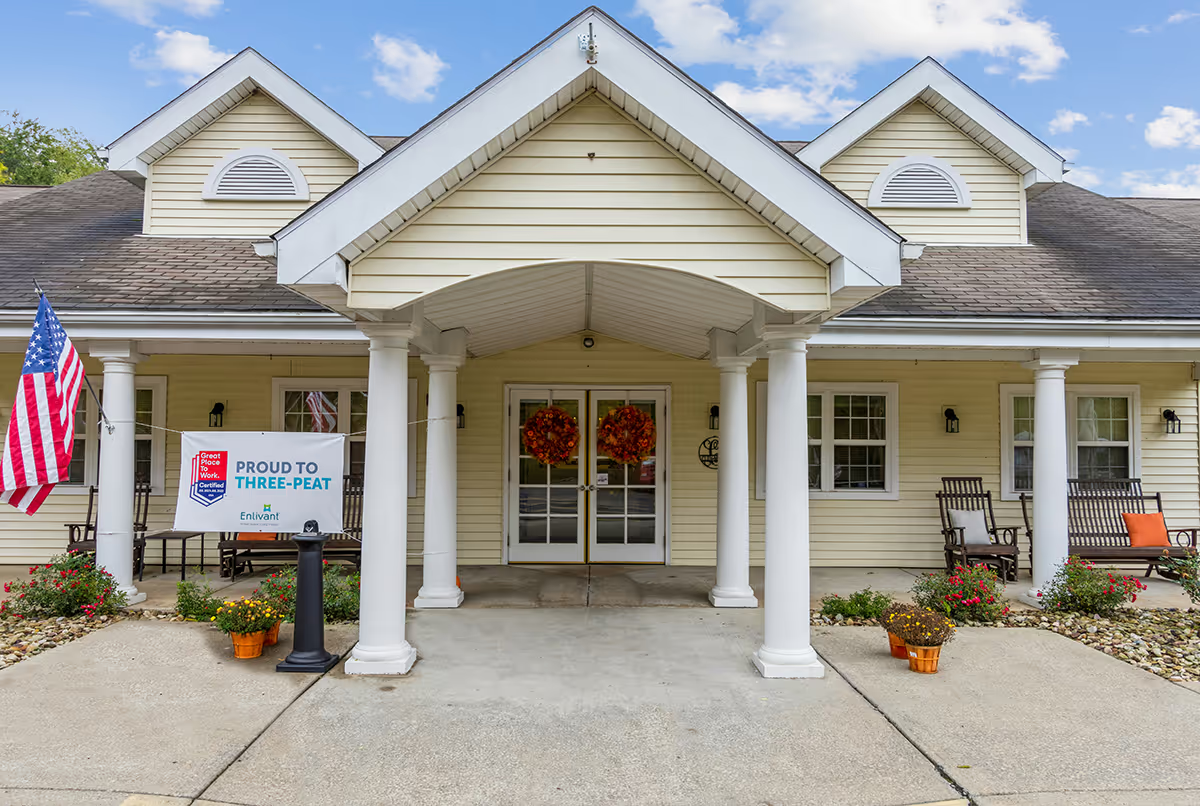
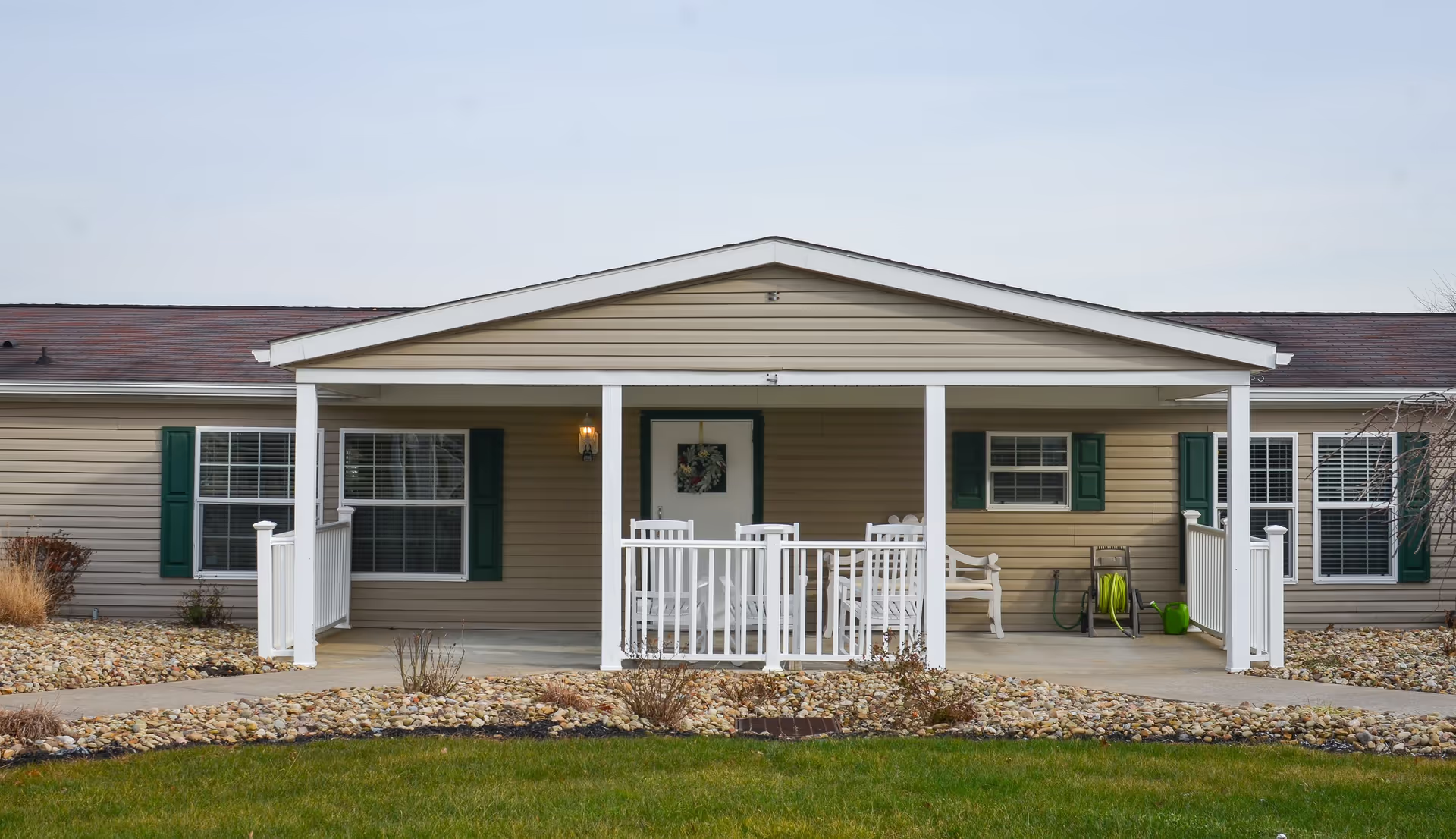
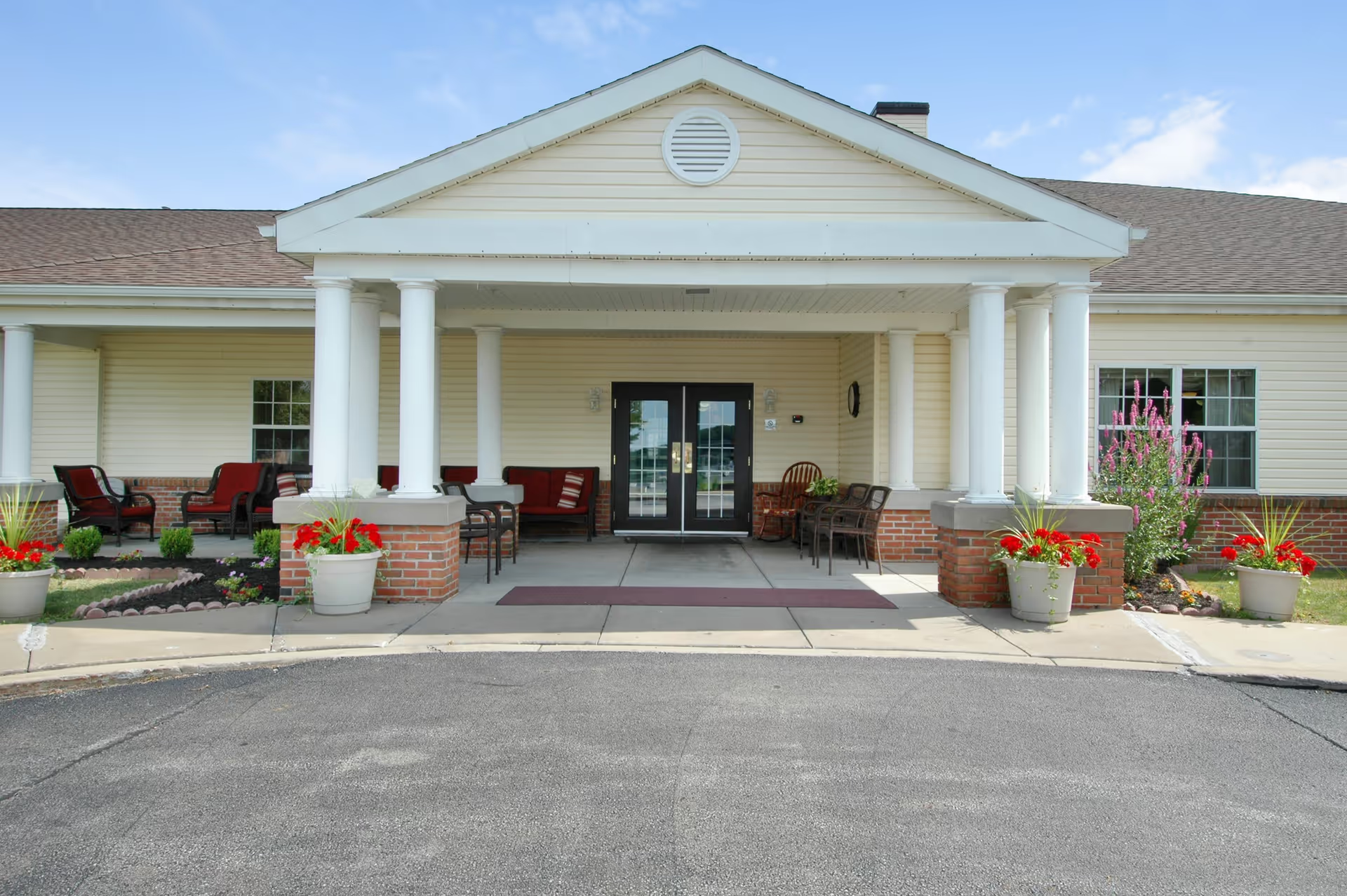
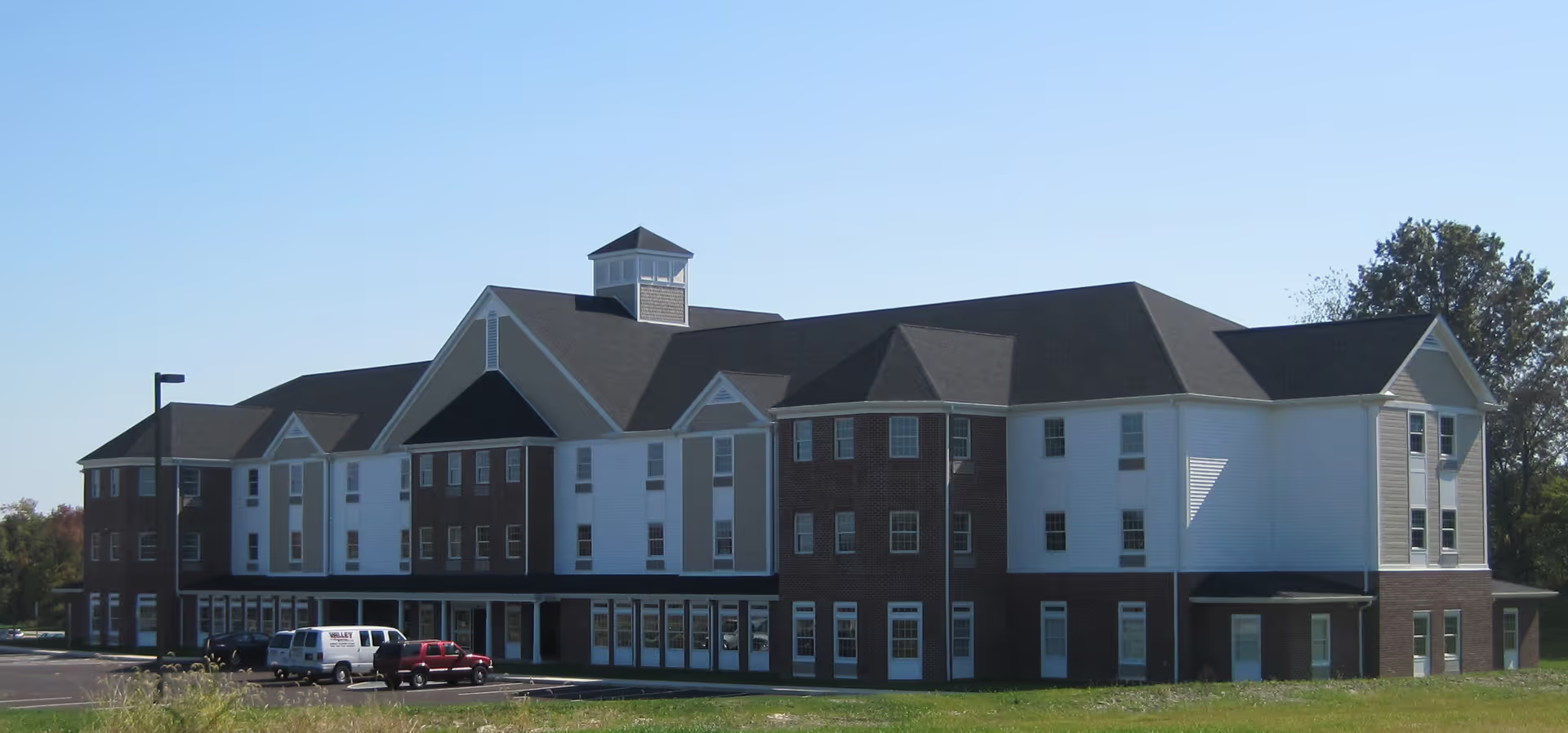
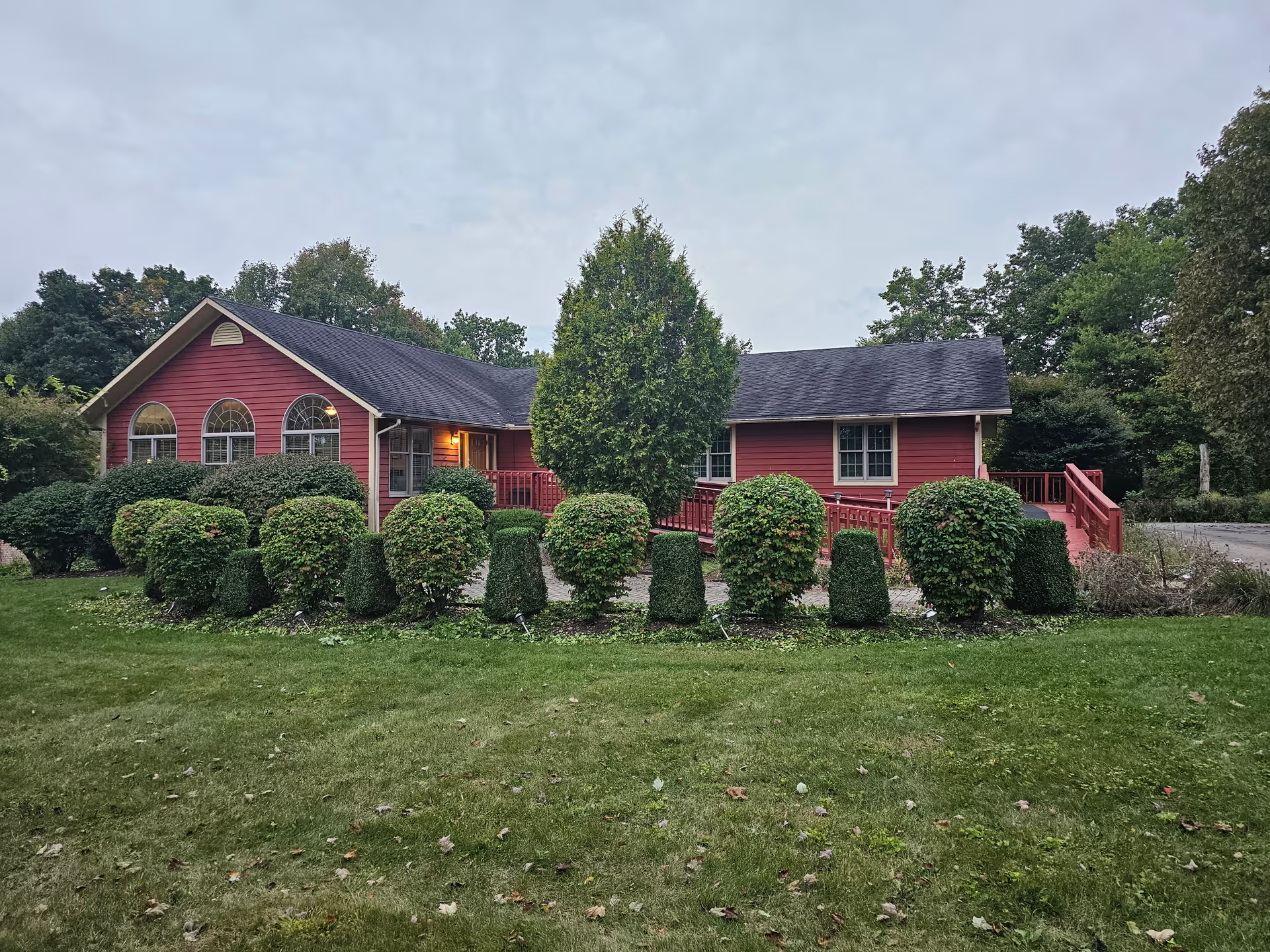
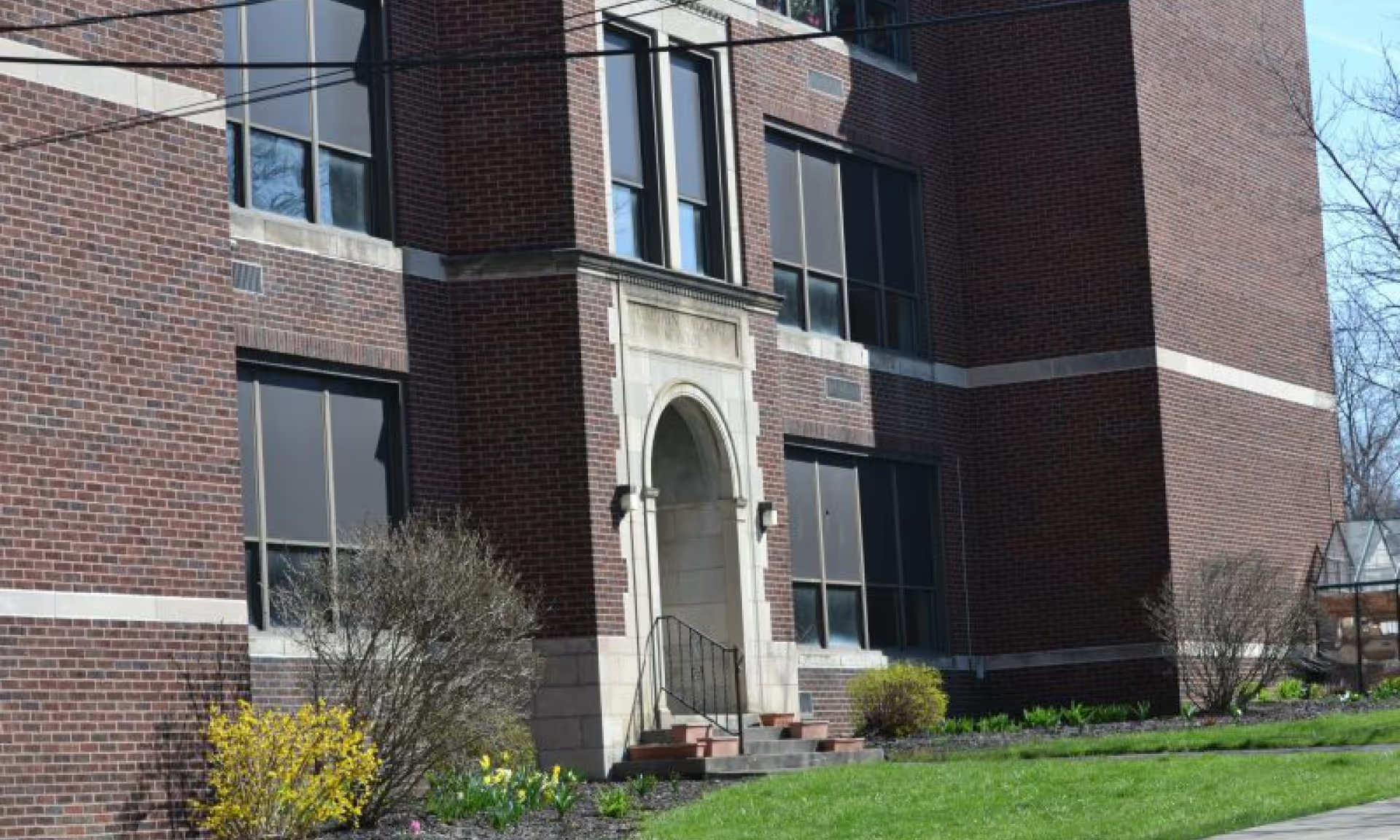
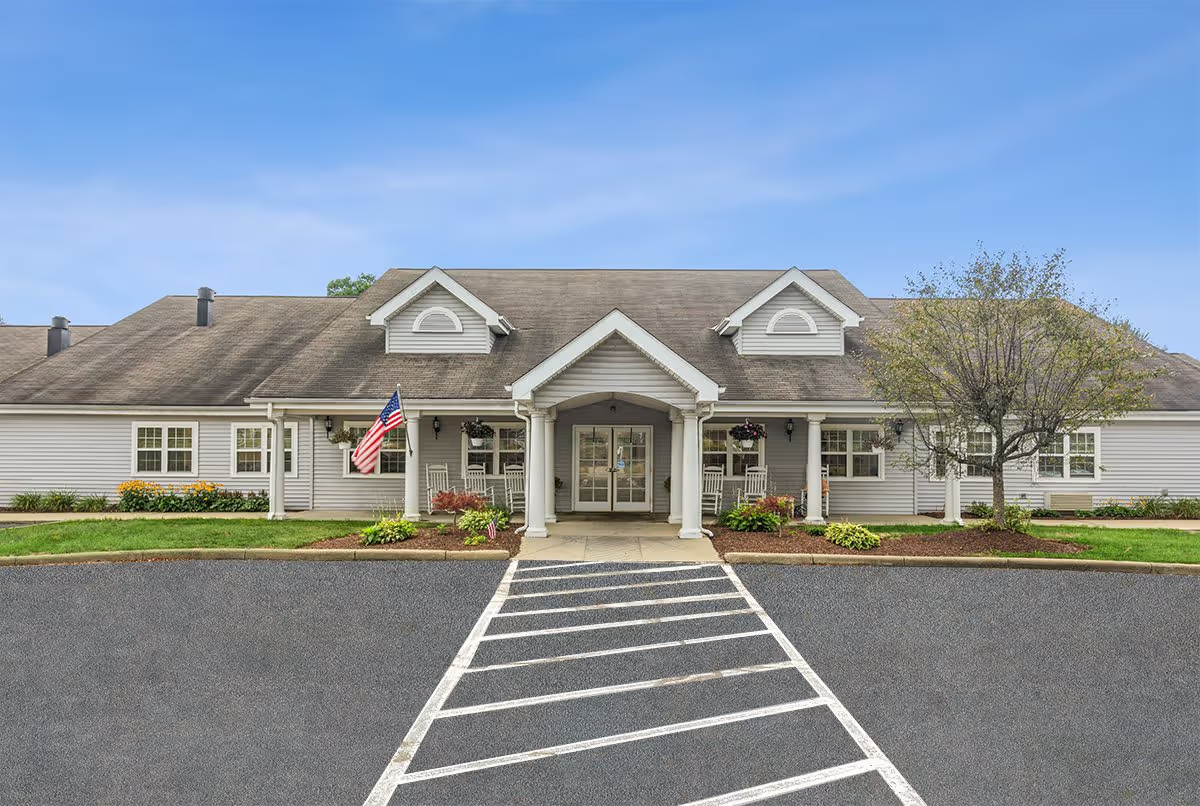
Facilities and environment: The building is characterized as older with a compact footprint. Positive notes include well-maintained furnishings, clean finishes, and attractive outside grounds. Physical limitations are also prominent: narrow, dark hallways, multiple stairs, and small, cramped rooms were repeatedly mentioned. The conversion of former common areas into additional bedrooms has been raised as a facility-level change that reduces communal space and privacy. These design and layout features may limit mobility, visibility of residents, and opportunities for spontaneous socialization.
Management and patterns to watch: Several reviewers perceive a change in culture and oversight with new management and describe a decline in programmatic offerings and engagement tied to leadership transitions. Where staff continuity is present, satisfaction tends to be higher; where leadership or staffing is unstable, families report more service gaps. Overall, the facility appears to offer good value with strong housekeeping and caring staff, but prospective residents should weigh trade-offs related to staffing levels, activity programming, physical accessibility, and care-communication practices. Visiting during mealtimes and activity periods, asking about current staffing levels and activity schedules, and clarifying clinical decision-making and family-notification procedures are recommended steps for families considering this community.