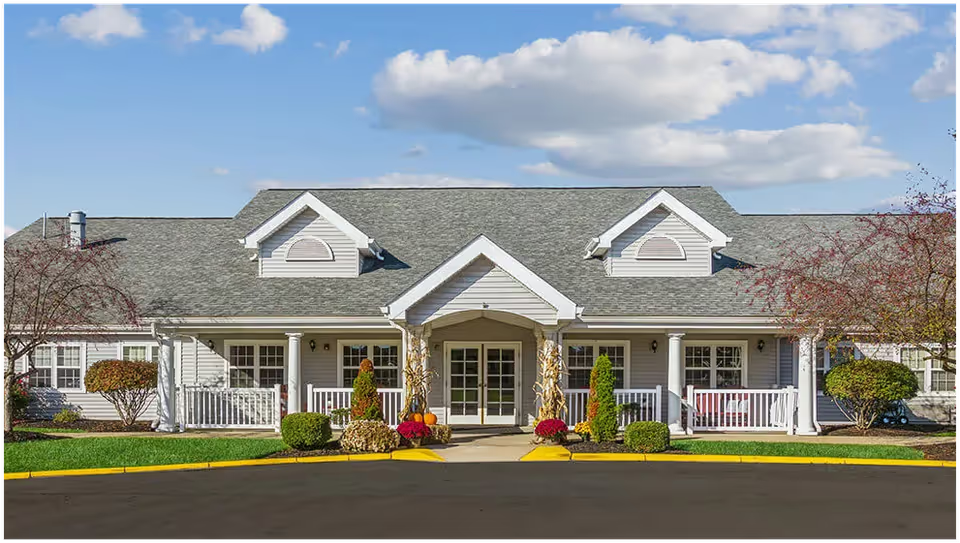
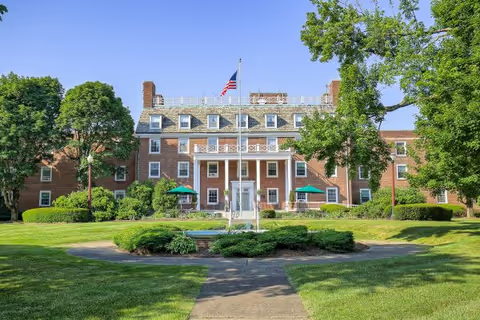
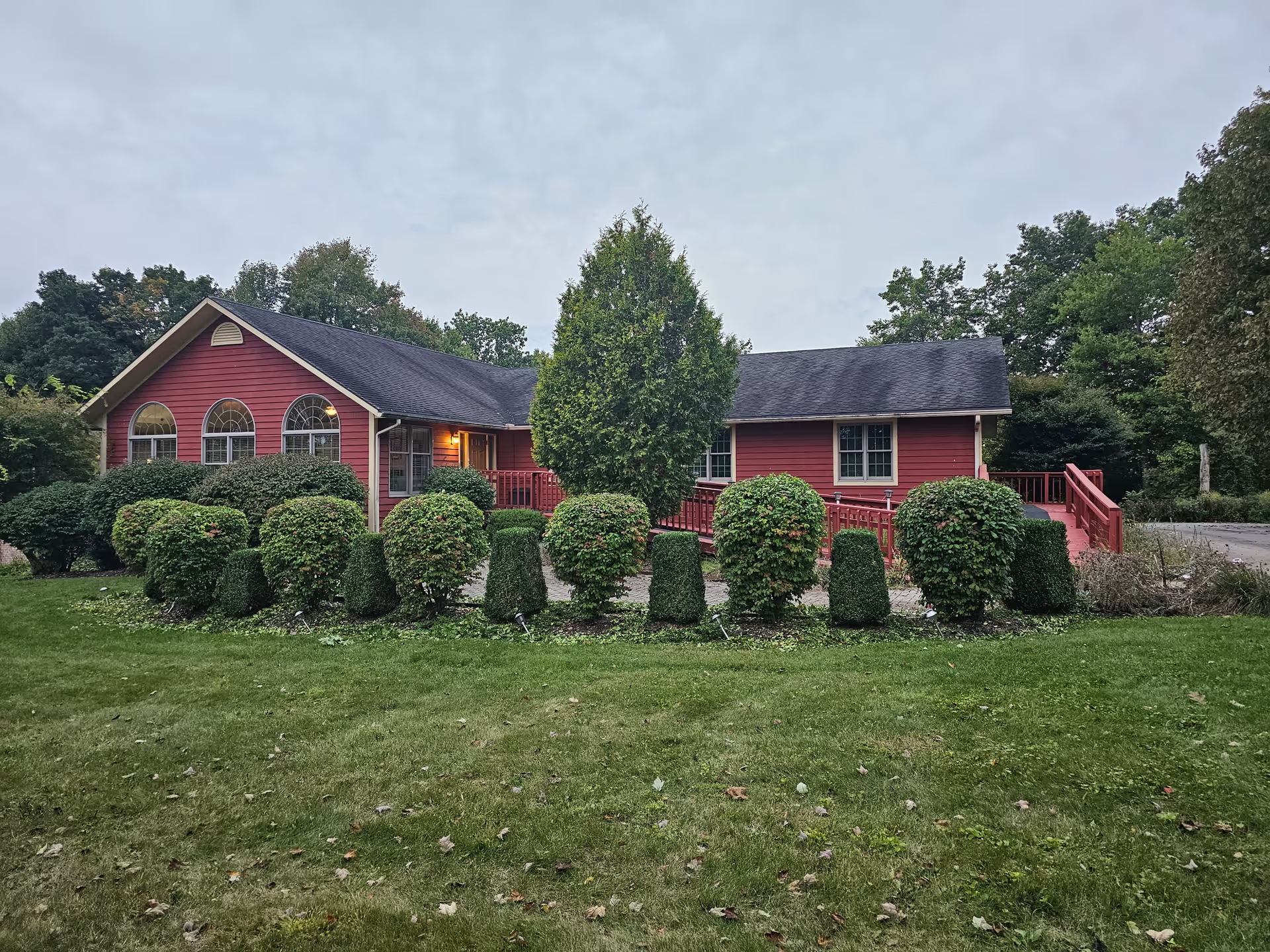
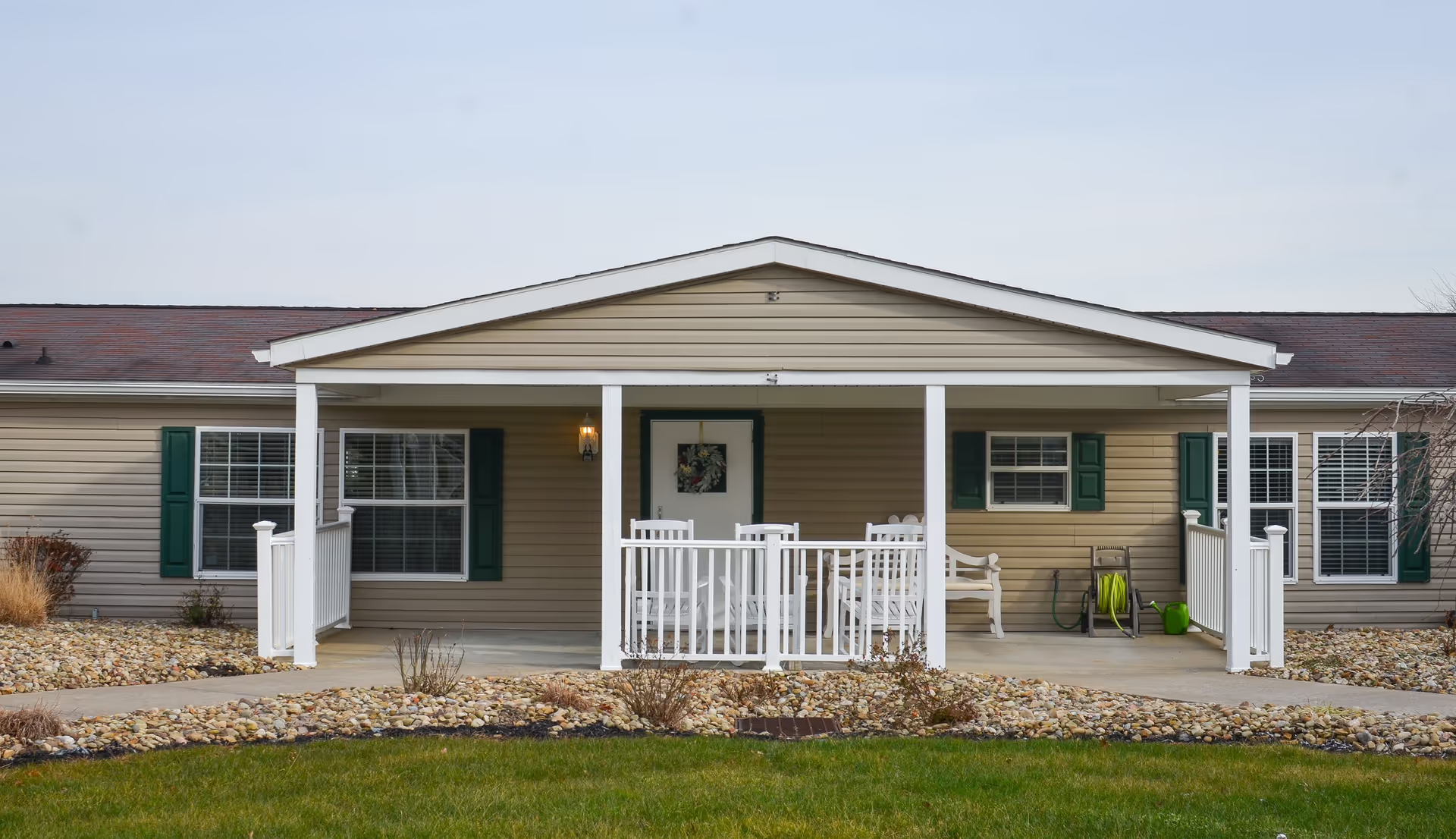
Jameson Nursing and Rehabilitation elicits strongly mixed but specific impressions. Many reviewers praise the staff's compassion and professionalism, and the facility receives frequent commendation for its rehabilitation services, active therapy schedule, and an array of social programs. Families note a welcoming, clean environment with pleasant common areas and a well-kept dining room. Practical conveniences — on-site salon and pharmacy services, straightforward admissions and check-in, and a central location — are consistently mentioned as positives.
Care quality shows a clear pattern of strength and variability. Rehabilitation and therapy teams are repeatedly described as effective, communicative, and responsive, with daily PT and thorough recovery updates appreciated by families. At the same time, reviewers describe operational constraints in routine custodial care: chronic understaffing, long waits for assistance after nurse call bells, inconsistent timing of personal-care activities (including incontinence-care), and occasional sanitation lapses in rooms and bathrooms. There are also isolated but serious concerns tied to medication administration and clinical handoffs; these have, in some accounts, led to hospital transfers and heightened family distrust. The word "allegation" has been used by reviewers to characterize a few specific escalations, underscoring the need for careful inquiry into clinical-safety processes.
Staff and management impressions are similarly mixed. Many families single out individual leaders and clinicians for praise and describe office staff as helpful and communicative; several reviews name the director of nursing and the administrator positively. Conversely, others describe inconsistent staff tone, a lack of empathy in certain interactions, and gaps in administrative transparency — particularly around notification of family members and handling of transfers or incidents. These contrasts suggest variability in staff conduct and supervisory follow-through rather than uniform organizational behavior.
Dining and activities are clear strengths in many accounts. The facility offers regular programming — including religious services, arts and crafts, movie nights, community outings, and seasonal events — that reviewers say keep residents engaged. Activity staff and event programming receive frequent commendation. Food receives mixed evaluations: some families praise meals and the dining experience, while others describe inconsistent meal quality and situations where families felt compelled to supplement meals.
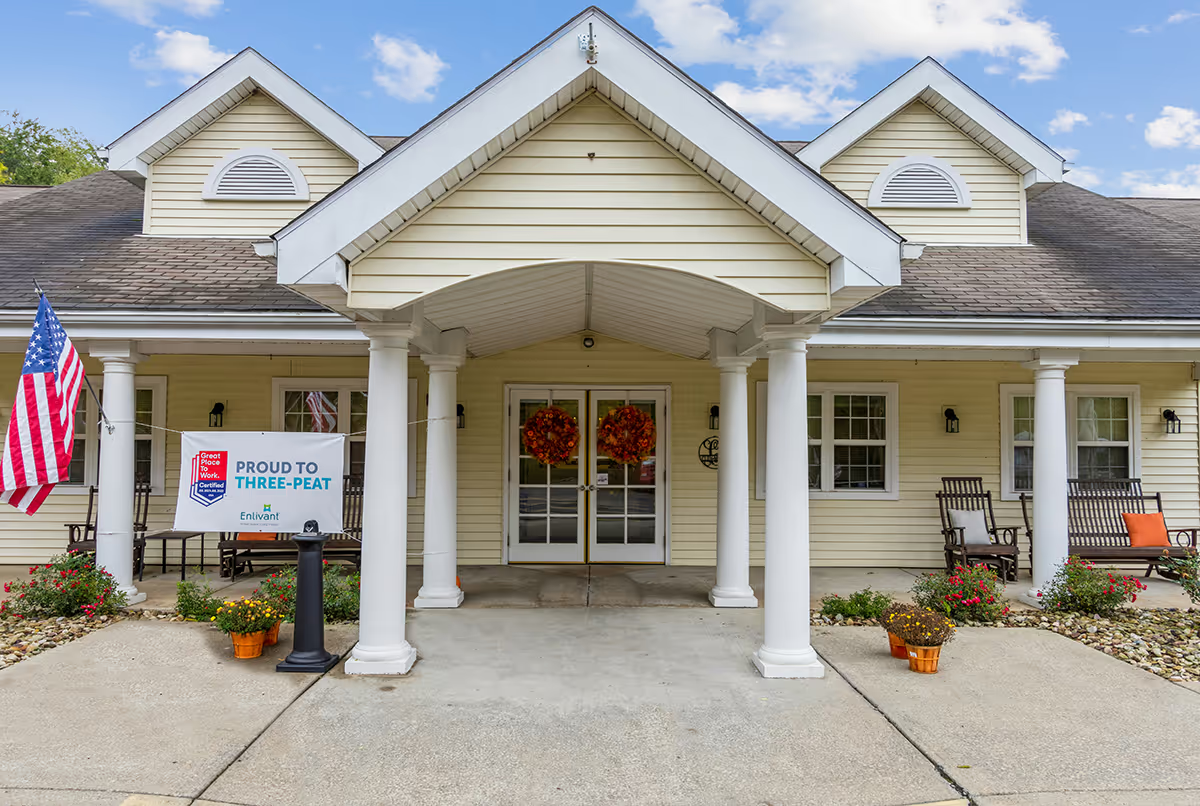
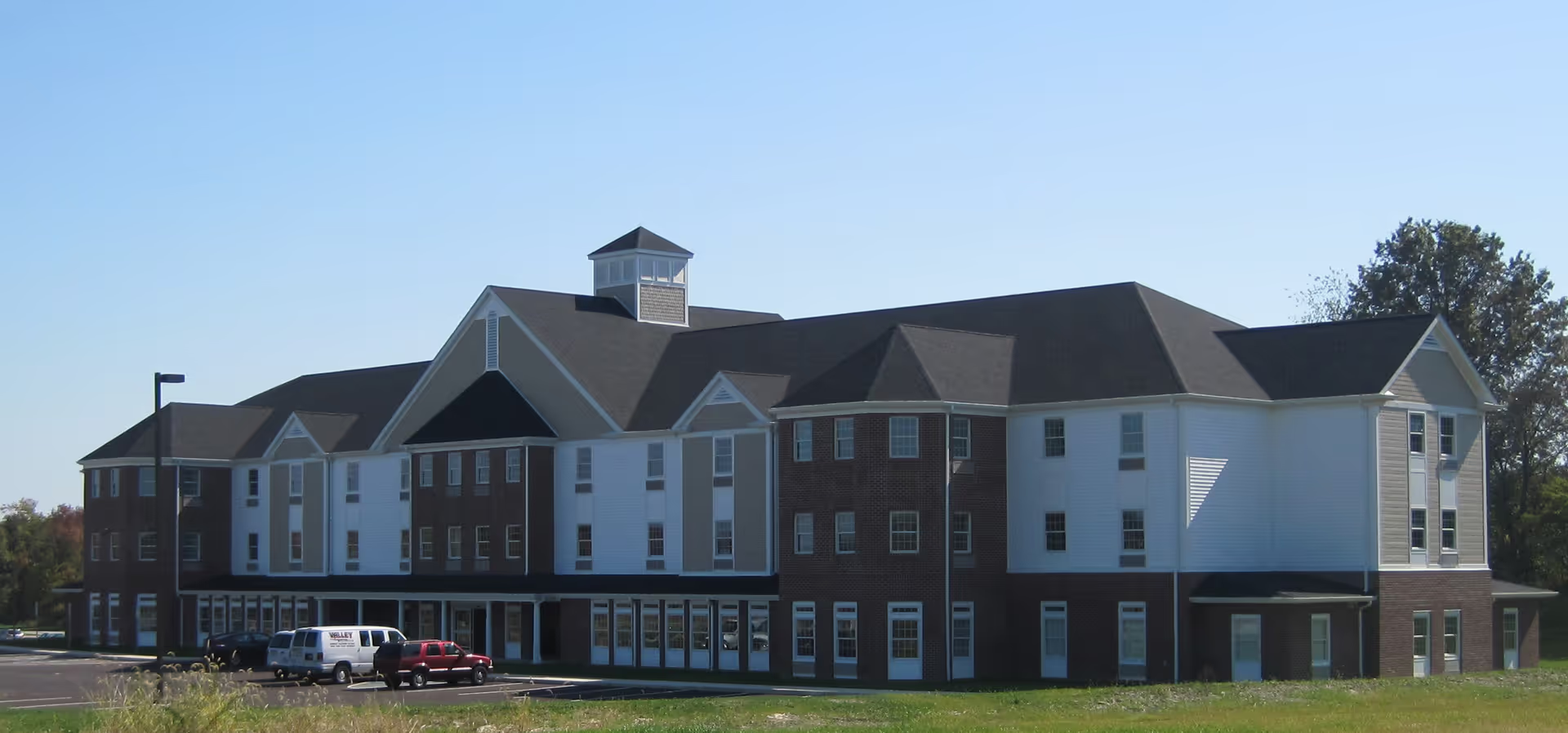
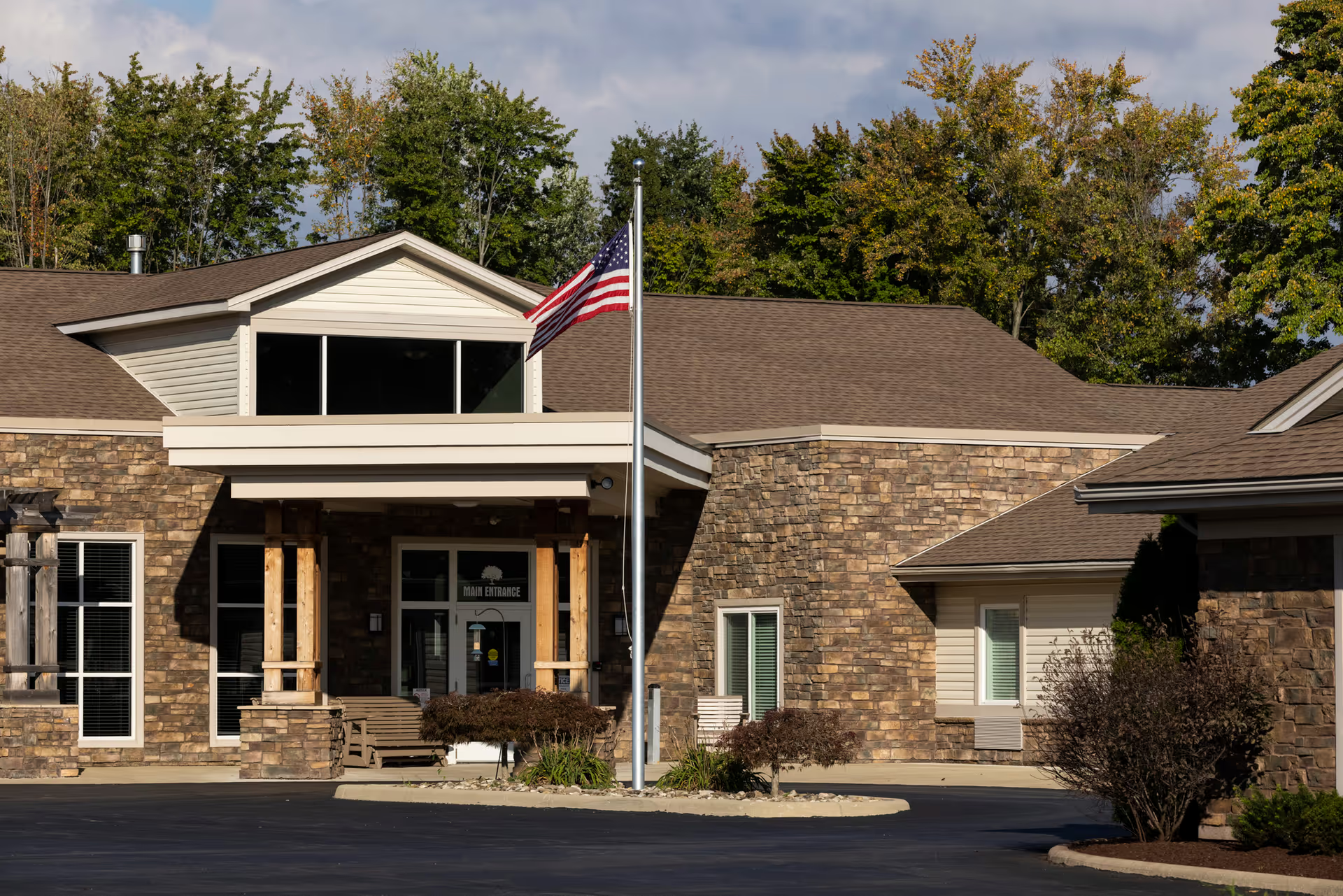
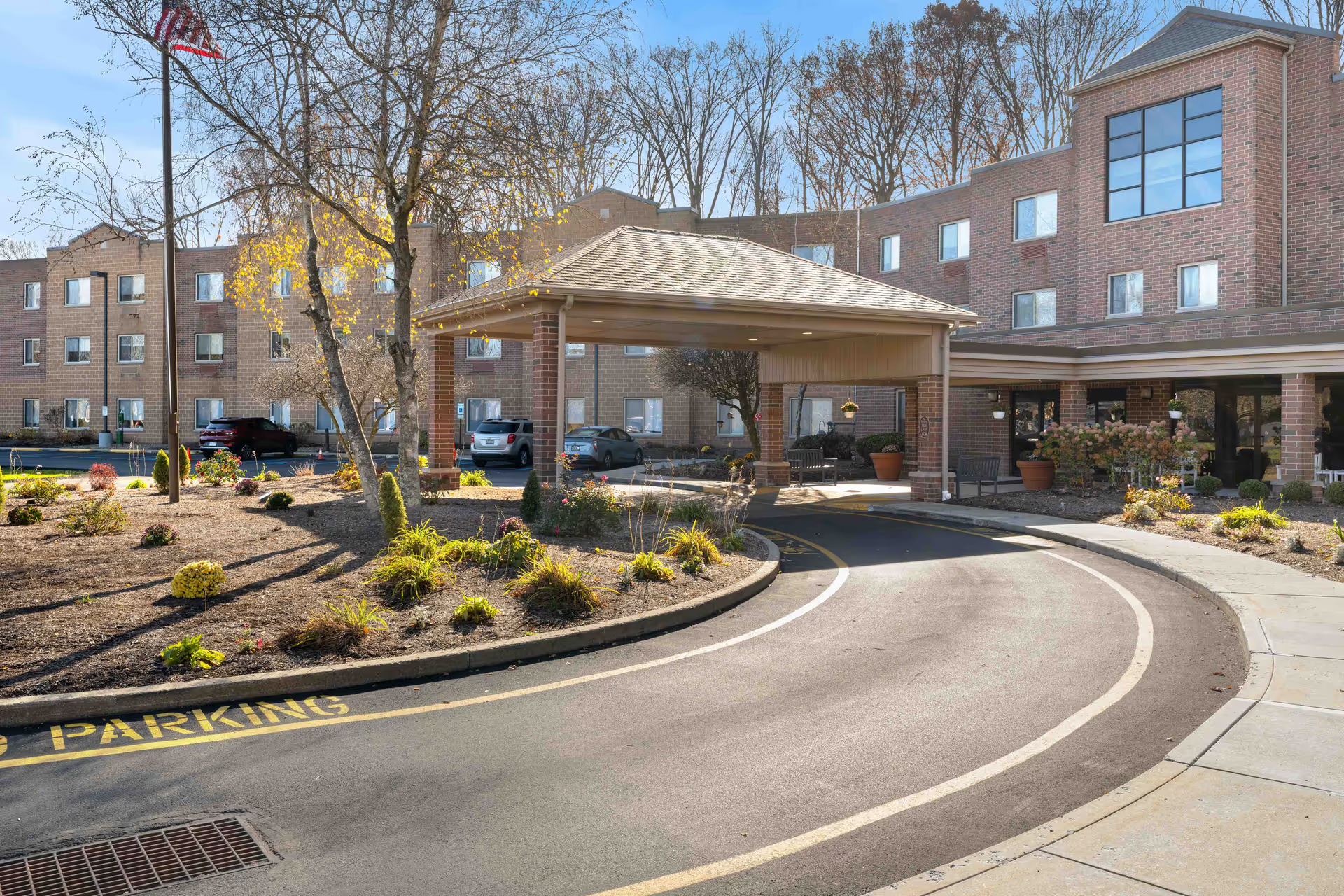
Facility condition and amenities are generally described positively. Numerous comments note a fresh, well-maintained interior, bright rooms, pleasant views, and comfortable common spaces; an on-site cat and social center were highlighted as enhancing resident experience. However, cleanliness is sometimes uneven between units and shifts, with periodic housekeeping lapses noted alongside otherwise very clean areas.
Notable patterns and practical takeaways: the facility appears to perform well for short-term rehabilitation and for families who are actively involved and engaged. Persistent operational challenges — chiefly staffing shortages, responsiveness to call bells, variable housekeeping, and occasional lapses in medication and discharge processes — create risk areas that prospective residents and families should investigate. When considering Jameson, an in-person tour and targeted questions about staffing ratios, medication-safety protocols, call-bell response times, housekeeping schedules, and incident/transfer communication practices will help clarify whether the facility’s strengths align with a particular resident’s needs.