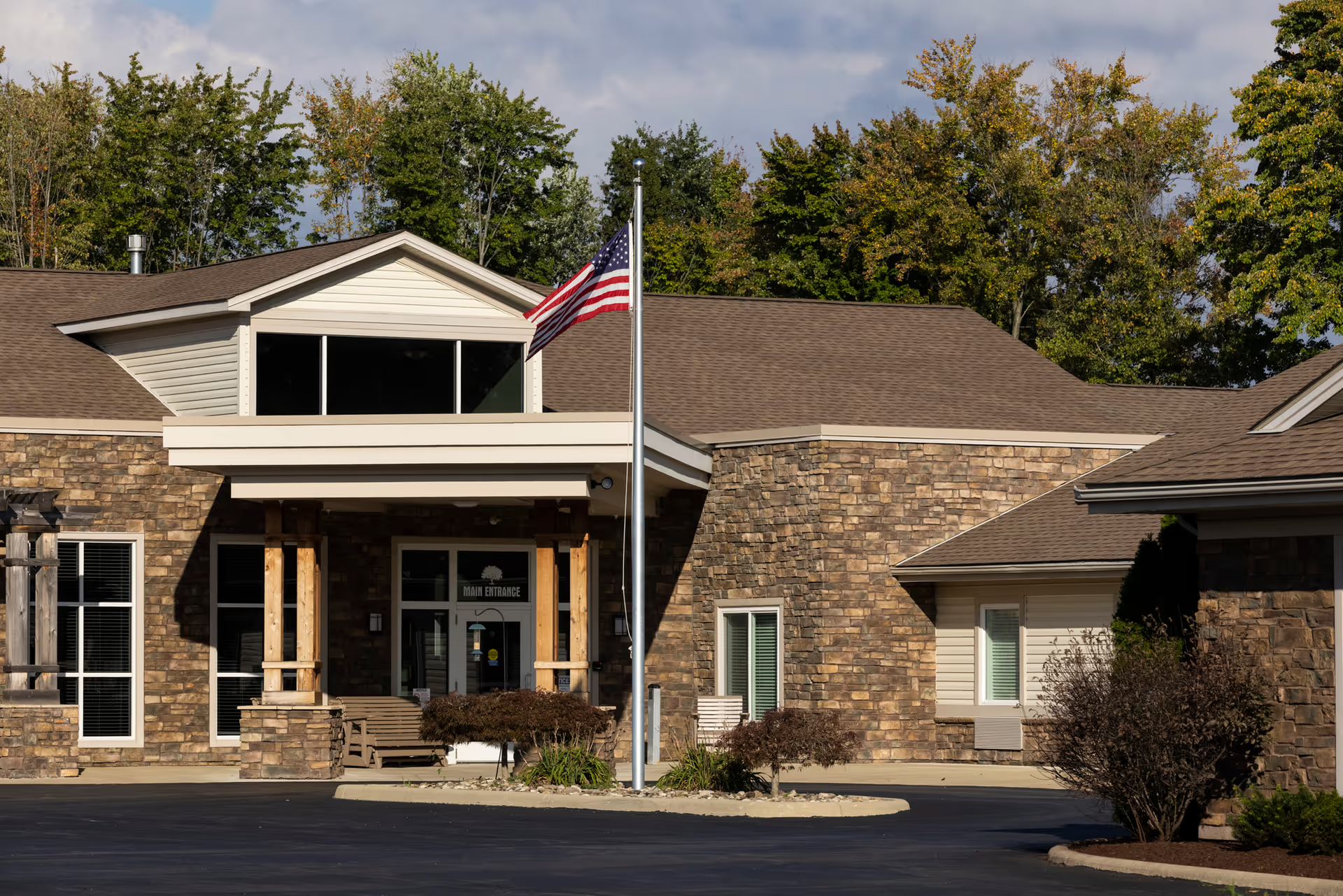
The reviews present a polarized picture of Quality Life Services - New Castle, with substantial praise for frontline caregiving and therapy services alongside recurring operational concerns. Many comments highlight compassionate, attentive aides and skilled physical-therapy staff whose programs helped residents improve and return home. Reviewers consistently noted clean and well-kept lobbies and hallways, friendly front-office personnel, active social programming, and supportive memory-care and hospice teams. These strengths suggest that, at the point of direct care and therapy, residents can receive individualized attention and clinically effective rehabilitation.
At the same time, there is a consistent pattern of facility-level issues that families should consider. Staffing instability and coverage gaps are frequently mentioned and appear correlated with delays in responding to call lights, missed or delayed personal-care assistance, and inconsistent assistance with meals. Several reviews describe concerns about management of skin integrity and wound prevention, including advanced pressure injuries in some cases, indicating a need to verify the facility's protocols for pressure-relief, turning schedules, and wound-care oversight. Infection-control practices and the implementation of recommended vaccinations were also noted as inconsistent in some comments.
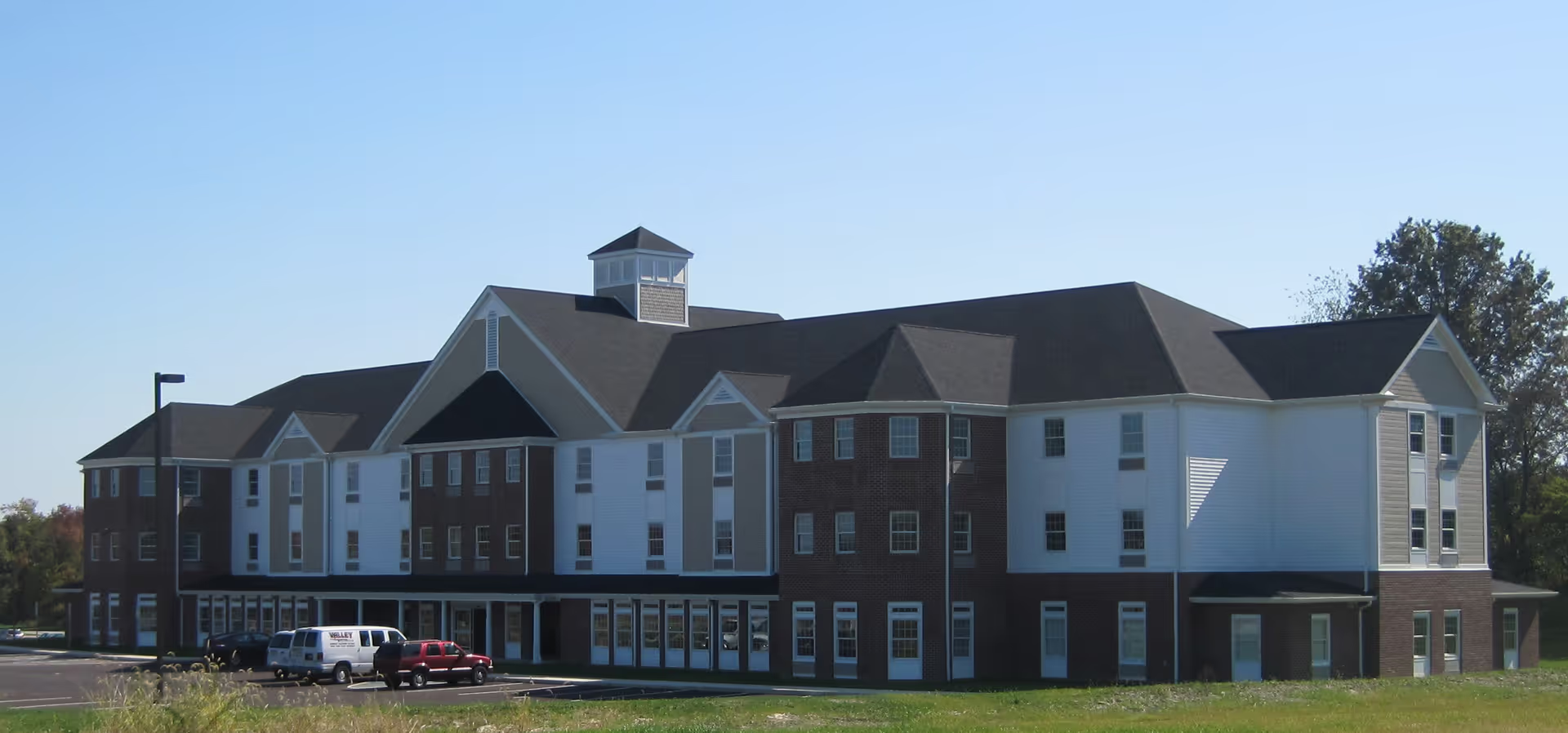
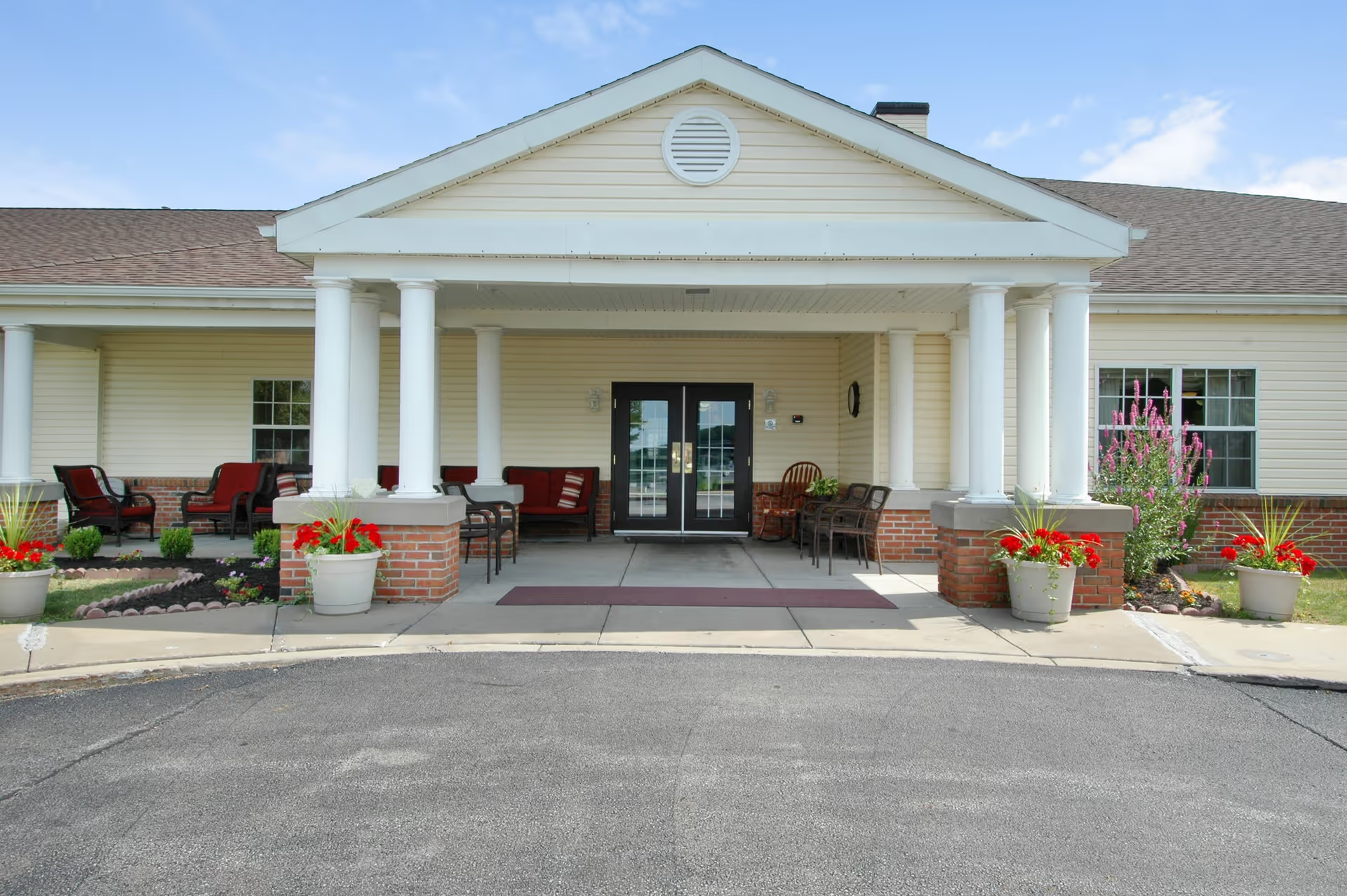
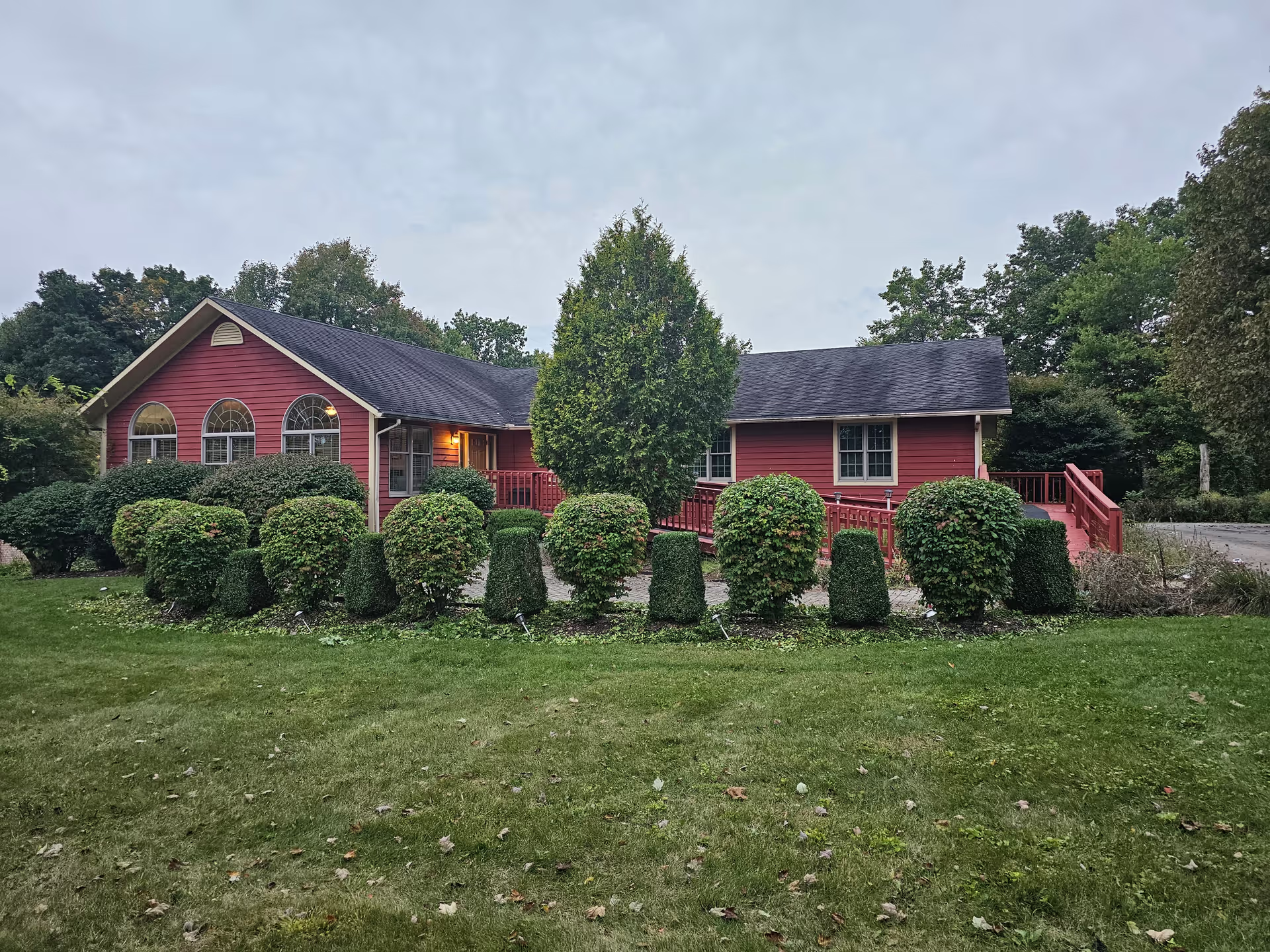
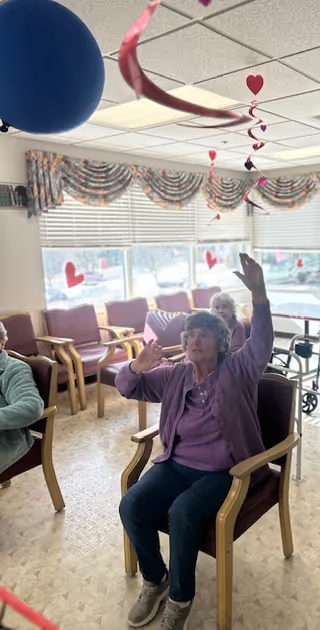
Facility condition reports are mixed: while common areas and certain units are described as clean and odor-free, other comments point to sanitation and odor concerns in specific areas and to issues that are consistent with an older building and semi-private room layouts (roommate noise and shared TV control were mentioned). Dining impressions vary from favorable—food made to order and generally satisfactory meals—to repetitive menus in some instances. Activity offerings are generally seen as a positive, with residents finding engagement and social opportunities.
Management and administration emerge as a frequent source of dissatisfaction. Reviewers describe uneven responsiveness from administration, perceived weak oversight from upper management, and variable communication with families about clinical events and changes in condition. There are also comments about inconsistent supervision and training of aides, turnover that affected continuity of care, and concerns about personal-property handling. Cost was noted as relatively high by some families, who questioned value for money when operational gaps were present.
In summary, Quality Life Services - New Castle appears to provide strong direct-care and rehabilitation in certain cases, supported by caring aides, therapists, and a number of effective unit staff. However, recurring operational themes—staffing consistency, responsiveness to resident needs, skin‑integrity management, infection-control practices, and administrative communication—warrant attention. Prospective residents and families would be advised to tour the facility, inquire about current staffing ratios, wound-care and pressure-relief protocols, infection-control measures and vaccination status, property-management practices, and recent state inspection or complaint history to get a current, facility-level sense of performance.