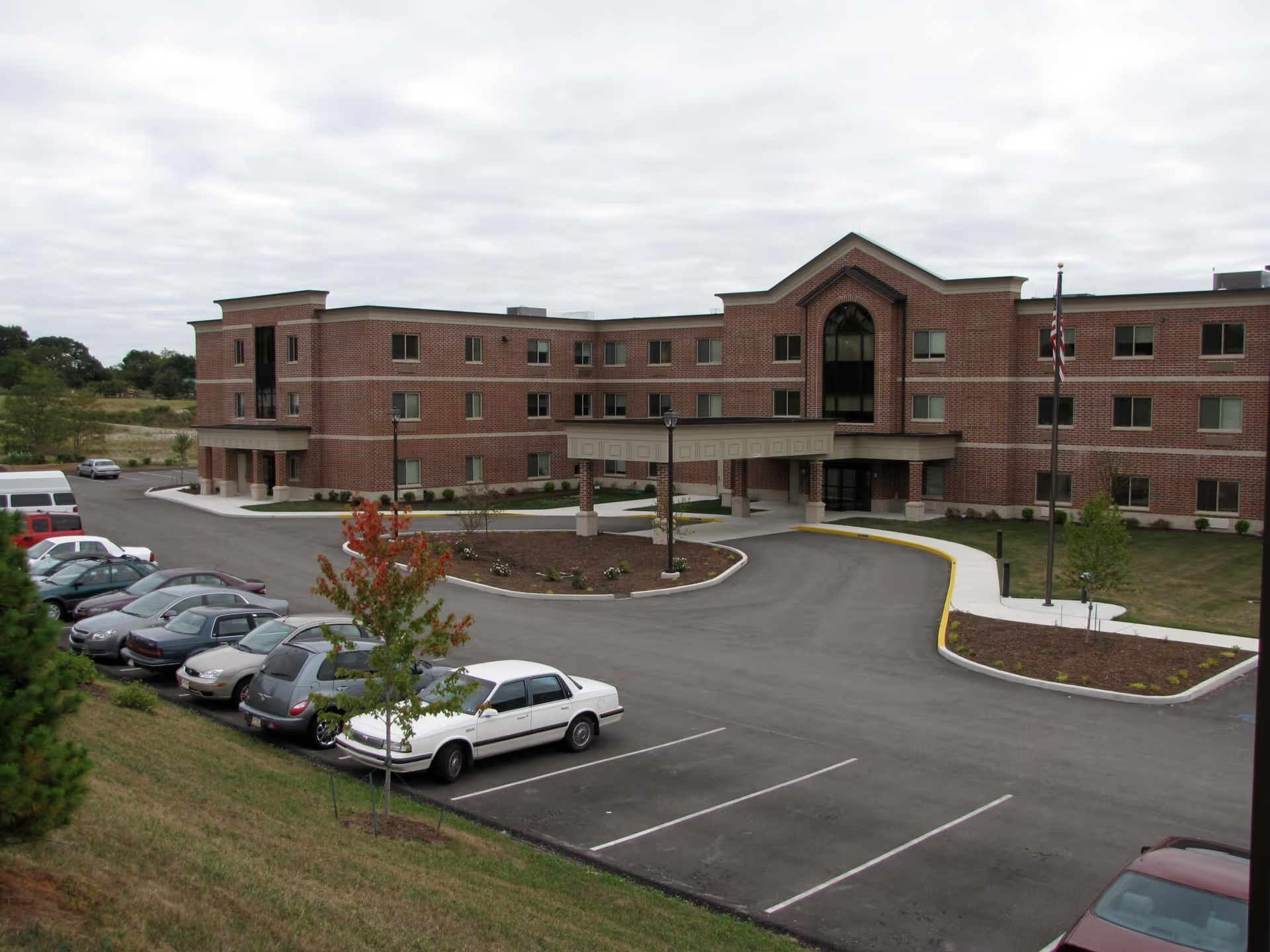
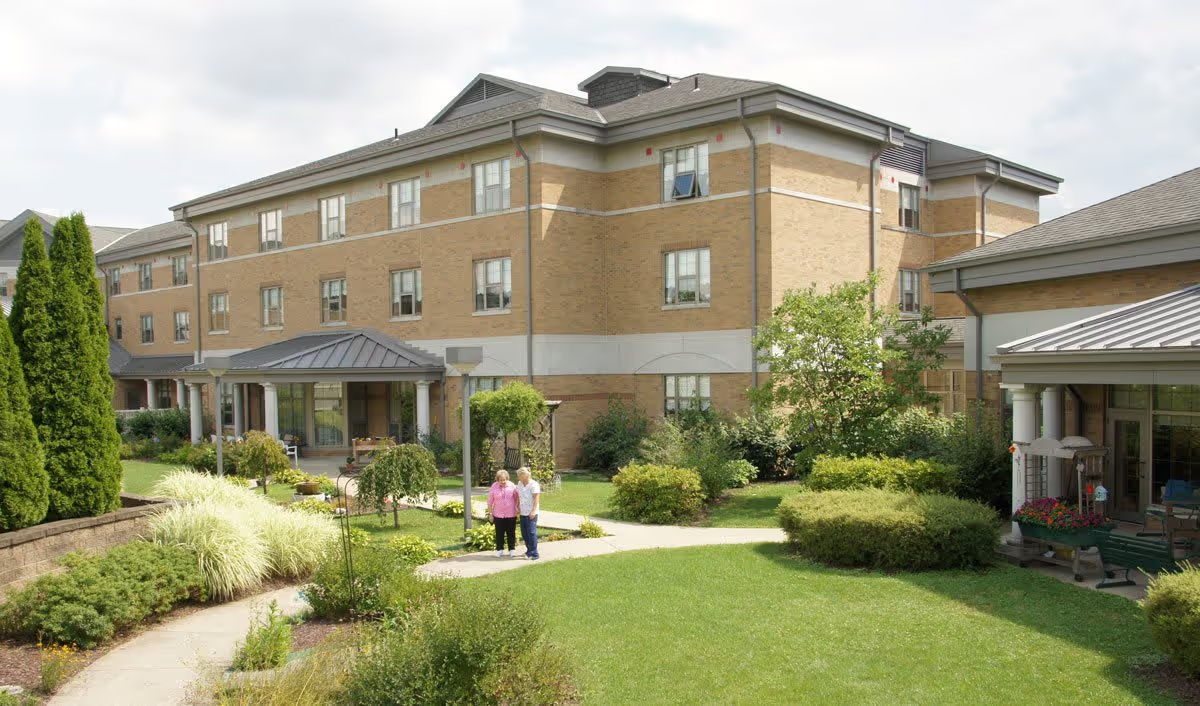
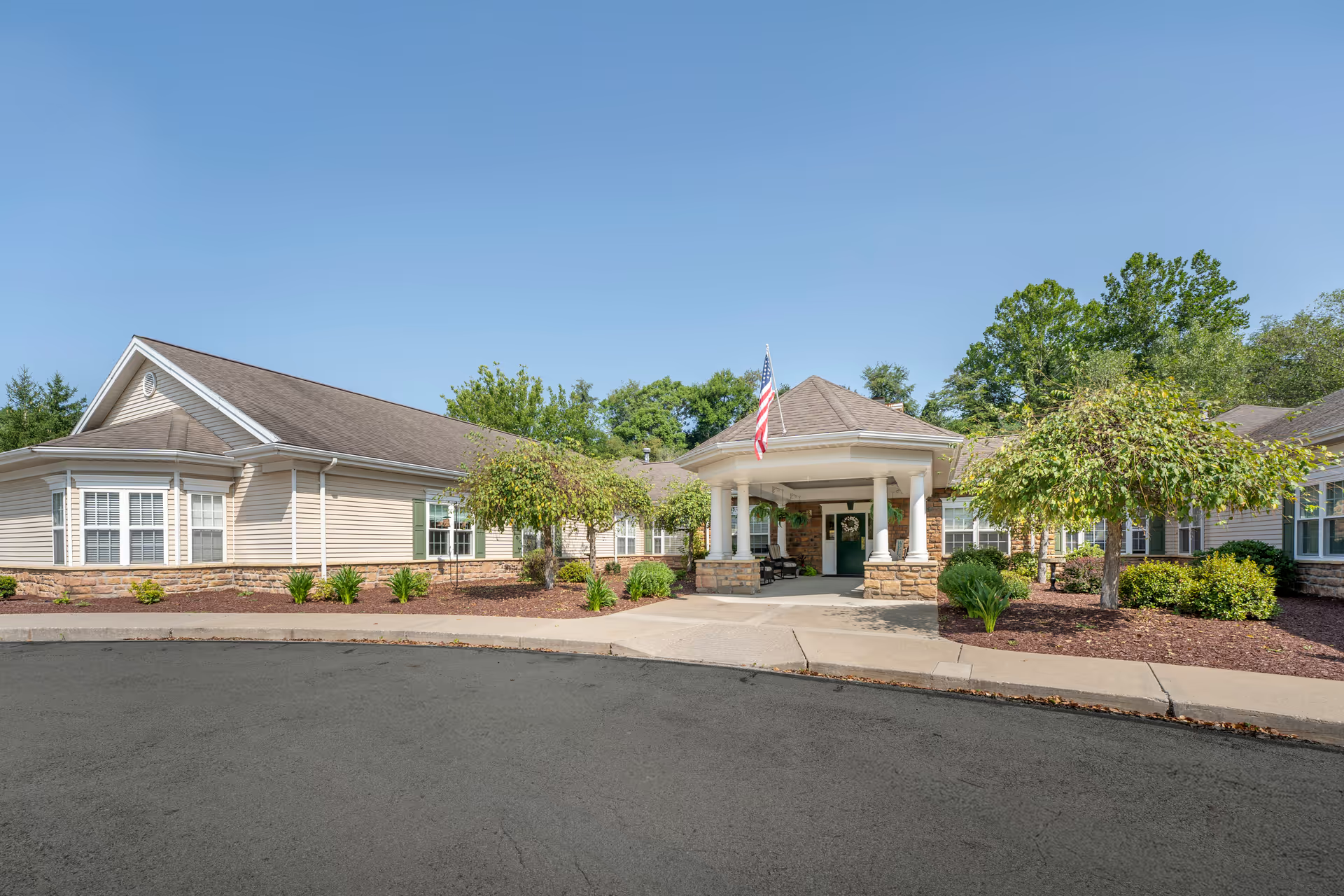
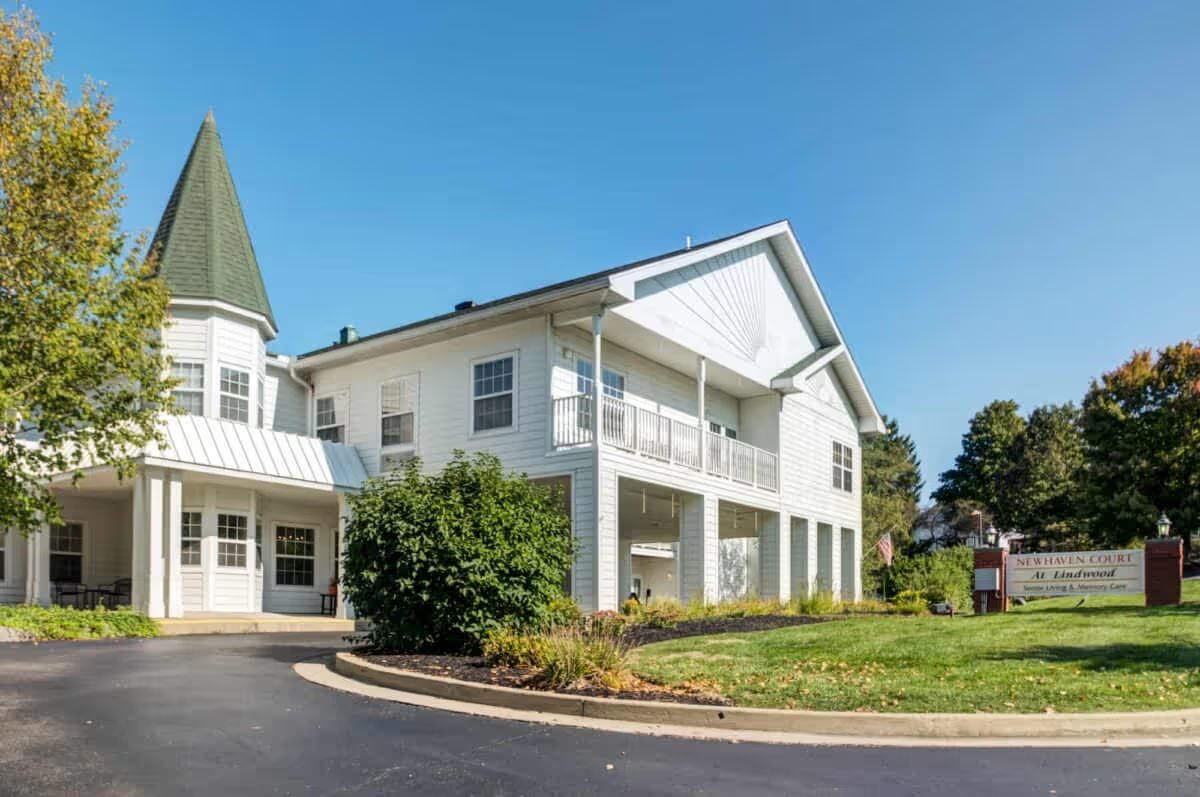
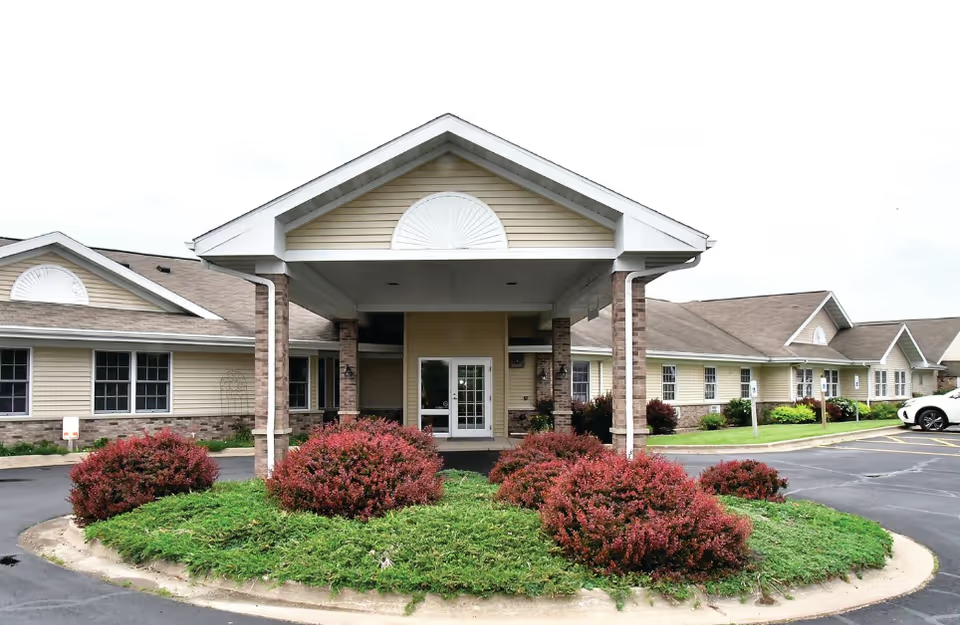
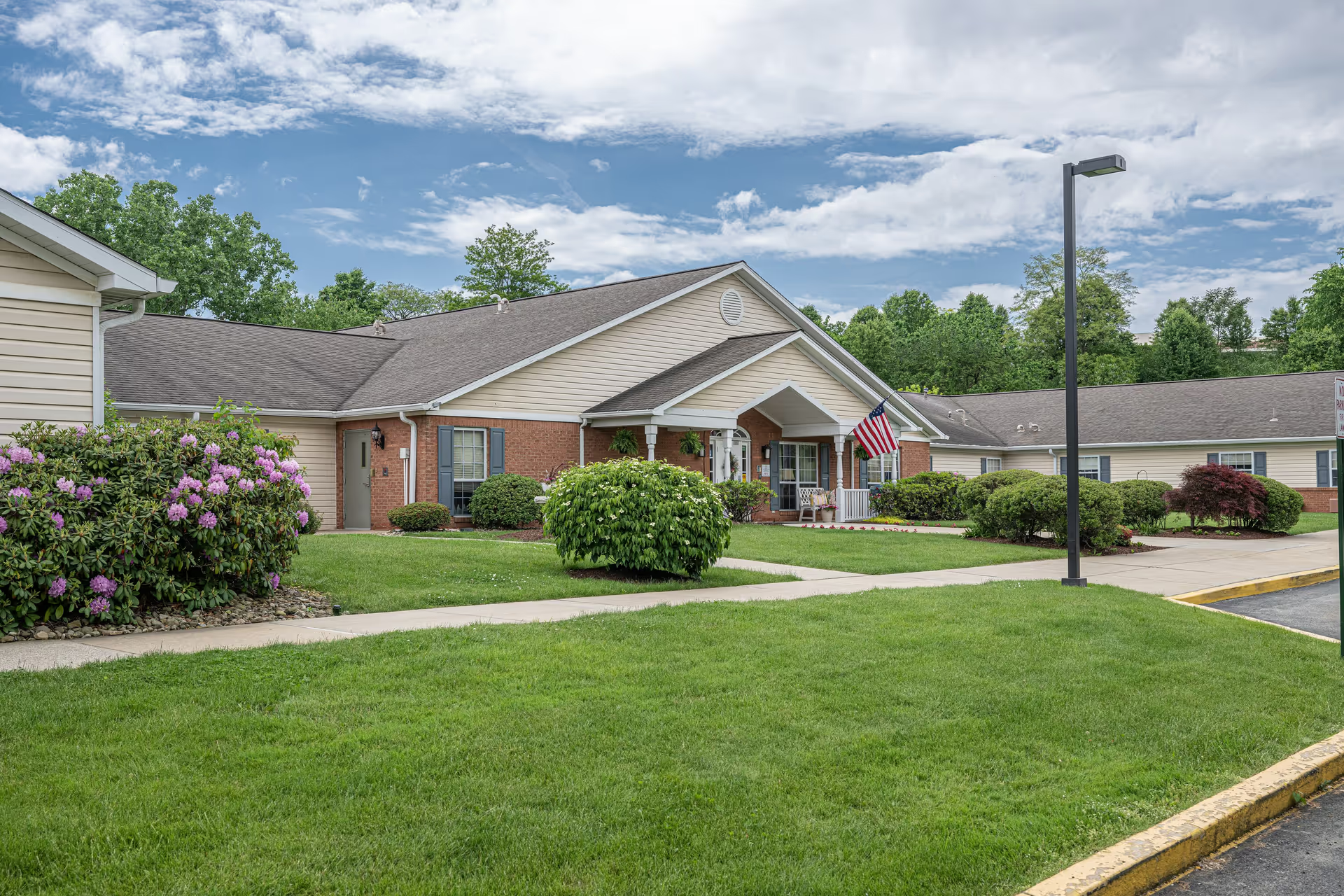
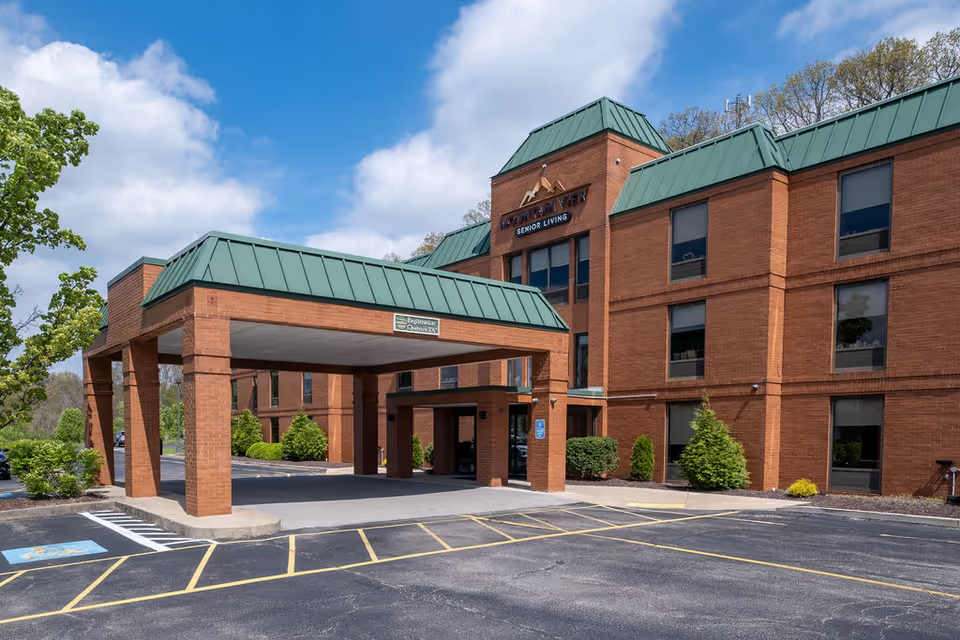
The reviews present a highly mixed picture of care at Transitions Healthcare North Huntingdon. Strengths that recur across the positive comments include a robust therapy department (physical and occupational therapy) that many families credit with measurable functional improvement, convenient on‑site clinical services such as dialysis, and numerous individual staff members (nurses, CNAs, and therapists) who are described as compassionate, attentive, and skilled. Activity programming is also a clear asset: social events, bingo, and organized entertainment contribute to resident engagement. Several accounts describe successful rehabilitation outcomes and staff who create a family‑oriented atmosphere.
At the same time, there is a consistent theme of operational weaknesses. Staffing levels and turnover are frequently described as problematic, with an ongoing reliance on agency personnel on weekends and shifts where aides are stretched thin. That staffing pressure appears linked to slow call‑light response times, delayed medication passes, inconsistent assistance with mobility and toileting, and irregular bathing/personal‑care schedules. Multiple reviews point to gaps in medication management and clinical oversight; a few serious safety concerns around diabetes and discharge planning were described and warrant particular attention when evaluating this facility.
Family communication and management responsiveness are another notable pattern. While some families praised clear, helpful administrative contacts, others describe difficulty reaching case managers or administrators, delayed follow‑up after adverse events, and inconsistent updating on clinical changes. Maintenance and environmental issues are mixed: parts of the building are described as clean and hospital‑like, while other areas are characterized by outdated decor, localized maintenance problems (for example HVAC or water leaks), and uneven sanitation standards. There are also several mentions of privacy and process lapses that families should review during a tour.
Dining and activities evoke divergent experiences. Many reviewers report nutritious meals and a lively activity calendar; however, others describe inconsistent meal timing, limited alternatives, and occasional long waits. Therapy and rehabilitation consistently receive strong marks, but nursing and aide performance is described as uneven. The overall pattern is polarized: excellent care and strong outcomes in some units or shifts, contrasted with operational shortcomings in others.
For prospective residents and families: the facility demonstrates clear strengths in therapy, some clinical staff, and resident engagement programs, but the operational inconsistencies—particularly in staffing, medication timeliness, discharge coordination, and family communication—are important to probe. Recommended questions at a tour include staffing ratios by shift, use of agency staff, medication administration processes, protocols for chronic disease management and discharge planning, infection‑control reporting, and how families are informed of clinical changes. Observing a mealtime, visiting during a weekend shift, and asking to meet the therapy team and assigned nursing staff can help clarify whether the unit and shift mix will meet a specific resident’s needs.