Reviews for Kadima at Campbelltown are highly mixed, with distinct positive themes around hands-on caregiving and rehabilitation contrasted against repeated operational concerns. Many families described caregivers — nurses, CNAs, and therapists — who were attentive, kind, and effective in short-term rehabilitation, enabling progress in mobility and activities of daily living. Social-services support and activities programming also received favorable comments, as did some aspects of meal presentation and transportation for outings.
At the same time, a number of reviews describe systemic issues that appear to affect consistency of care. Understaffing and slow response times to resident requests are recurring themes; these factors are linked in reviews to inconsistent bathing and incontinence-care practices and to delays in attending to toileting and hygiene needs. Several items also point to lapses in mobility and transfer safety, suggesting the need for stronger protocols and monitoring around transfers and wheelchair/device safety.
Dining and activities responses are mixed. While some reviewers praised meal presentation, nutrition efforts, and the activities calendar (including helpful drivers and engaging entertainment), others reported inconsistent meal temperature and quality. Therapy services are generally described as engaged and helpful for short-term rehab goals, but some reviewers indicated that therapy availability and effectiveness can be constrained by facility resources.
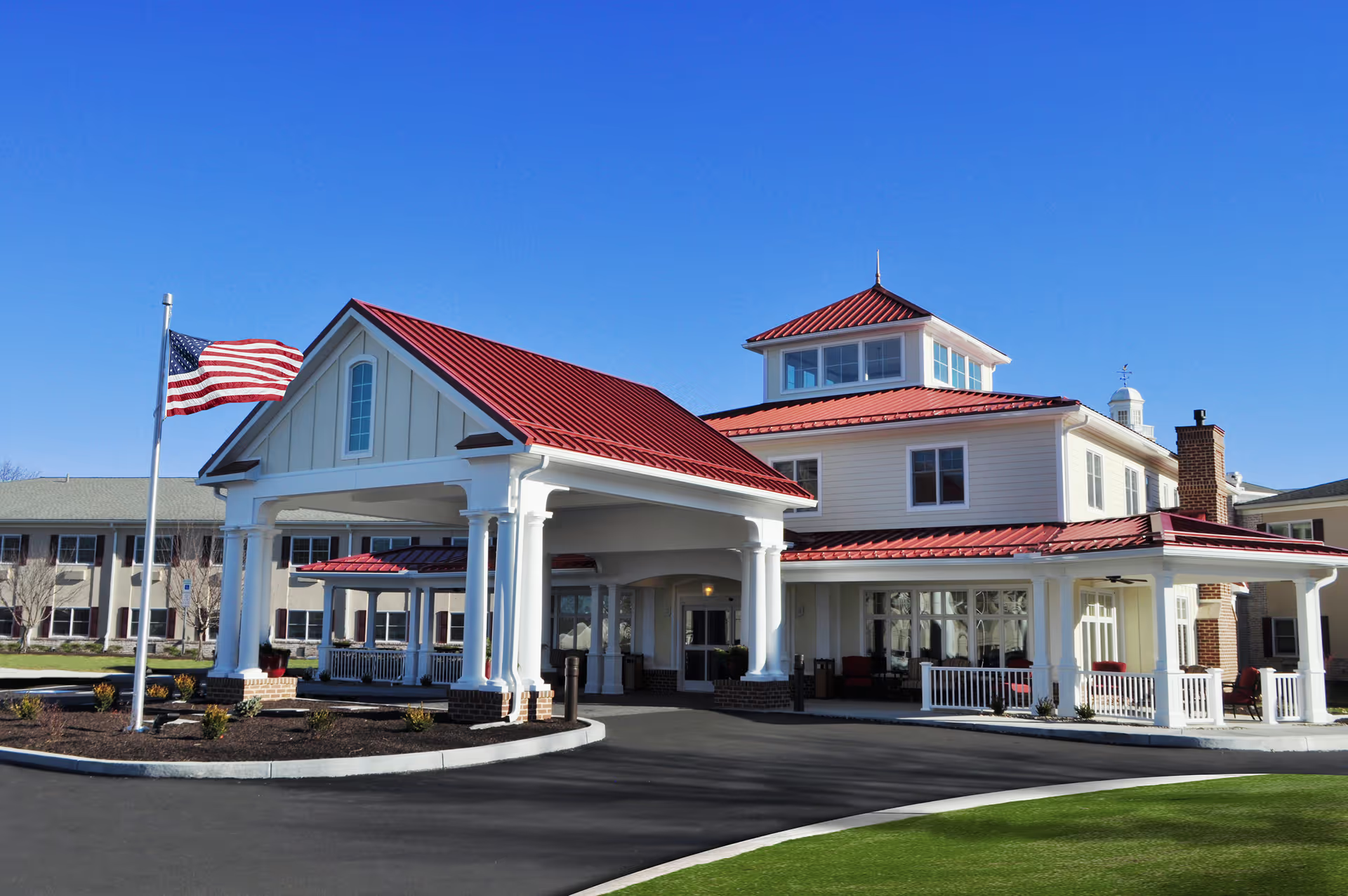
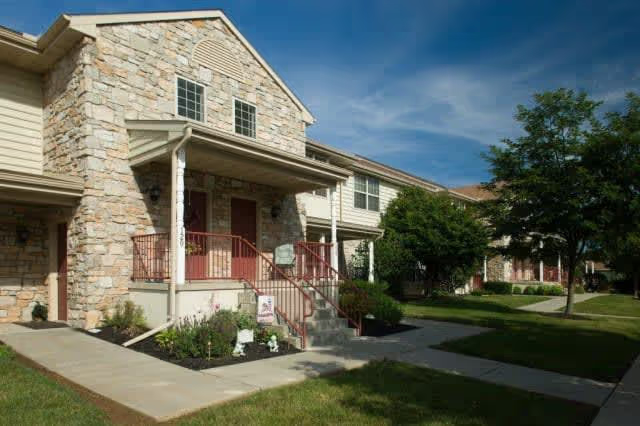
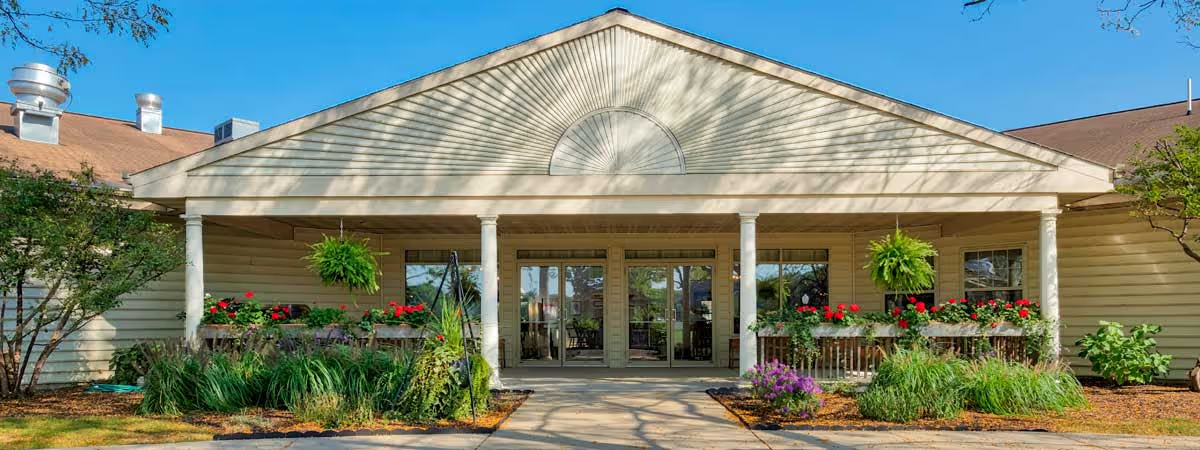
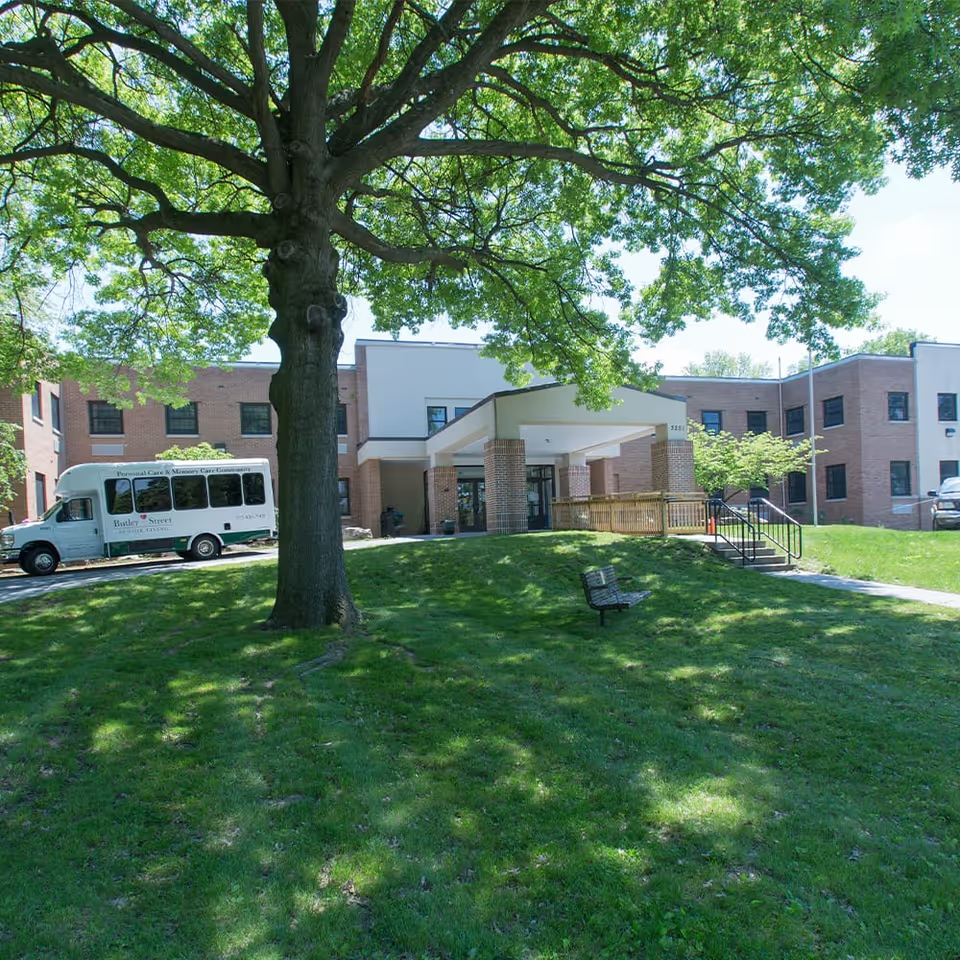
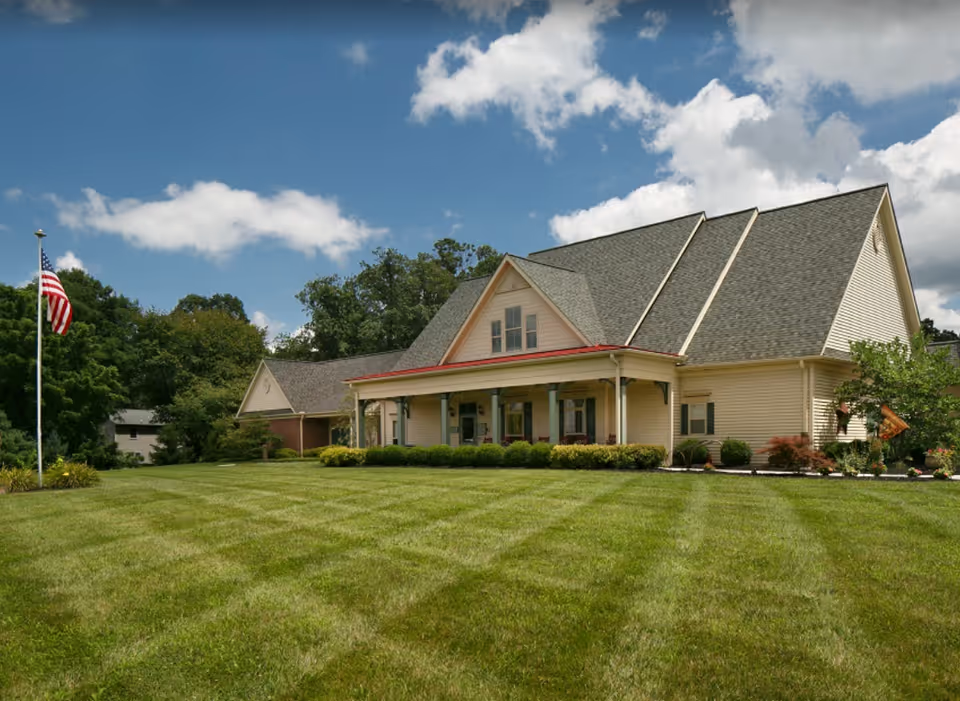
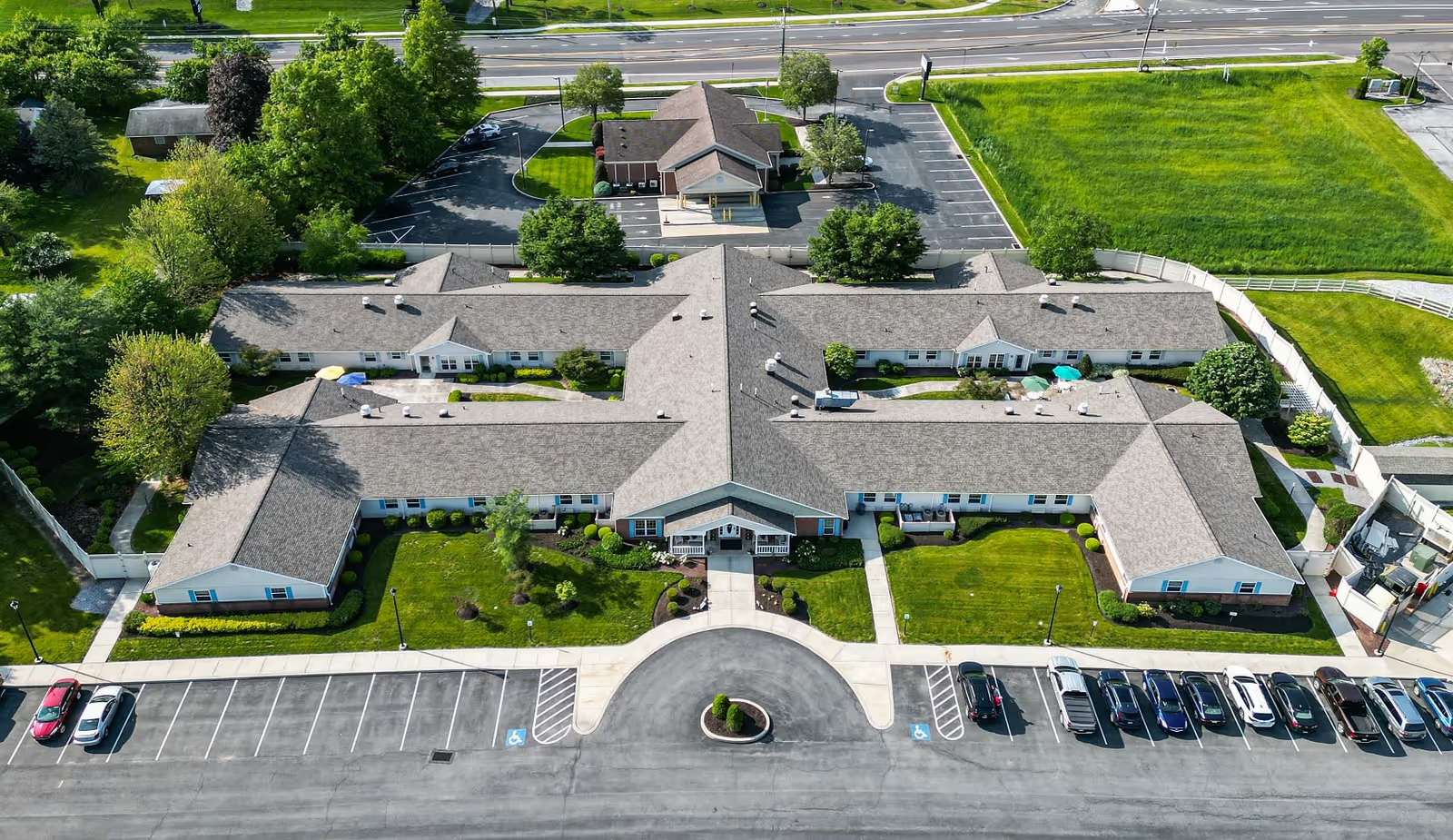
Facility environment and management are areas of notable concern for some families. Reviews reference sanitation and pest-control concerns in resident rooms and common areas, and there are complaints about room maintenance and housekeeping consistency. Multiple reviewers called out unreliable phone communication and inconsistent staff conduct at the front desk or on the floor. Administrative issues were also raised, including short-notice discharge/eviction practices and disputes over billing and incident resolution; there are serious individual allegations relating to administrative decisions and post-incident handling that potential families should consider when evaluating the facility.
Overall, the pattern suggests a facility where individualized caregivers can provide high-quality, compassionate care and rehabilitation, but where operational weaknesses — particularly staffing, responsiveness, facility maintenance, and administrative consistency — lead to highly variable family experiences. Prospective residents and families should verify current staffing levels, observe response times during a visit, ask for recent inspection reports and incident protocols, and discuss therapy capacity and administrative policies before making placement decisions.