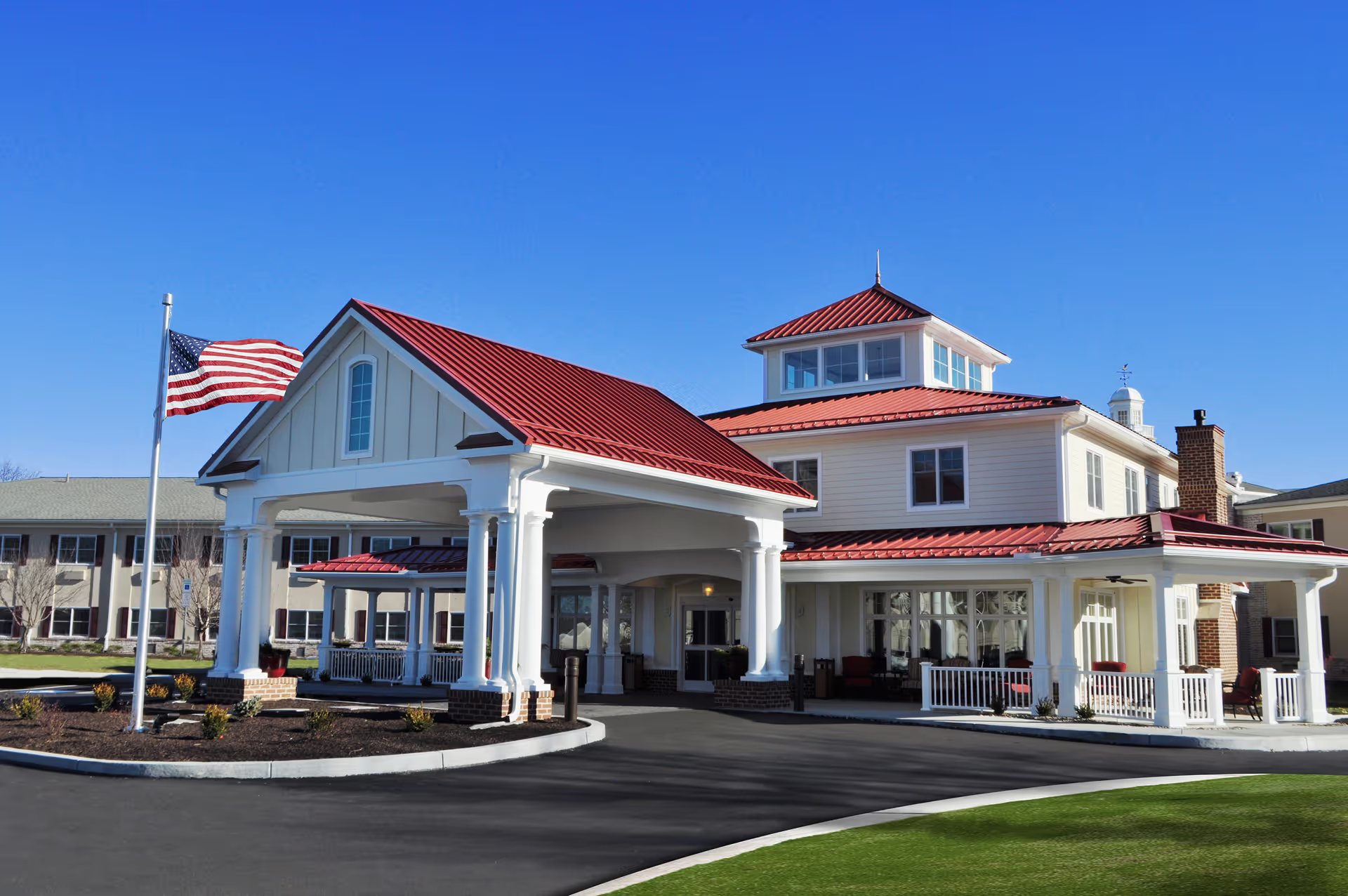
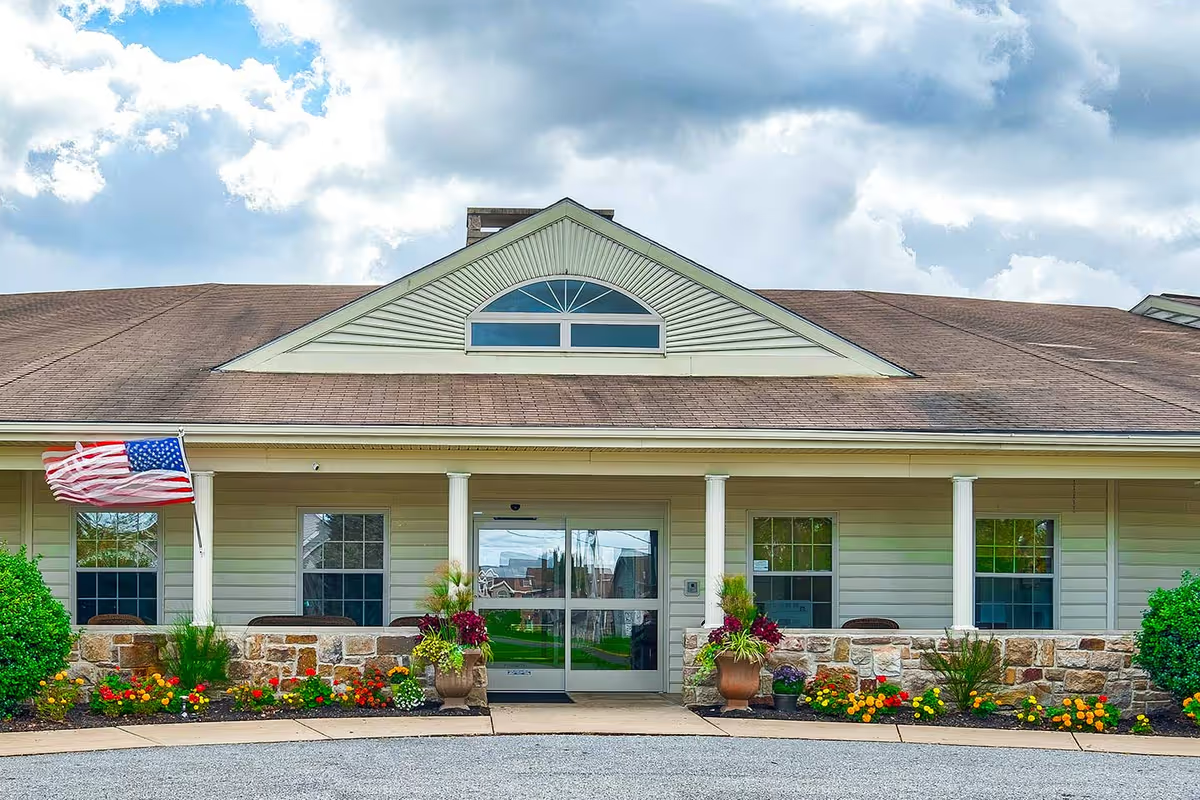
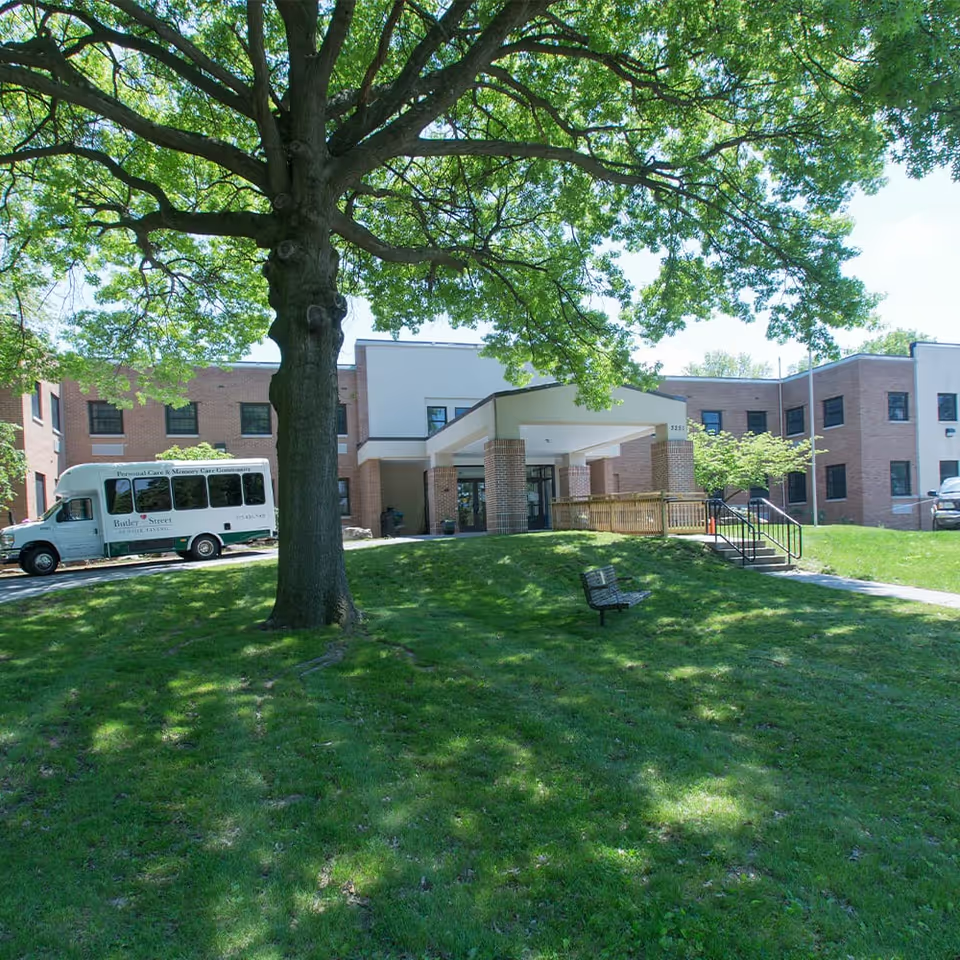
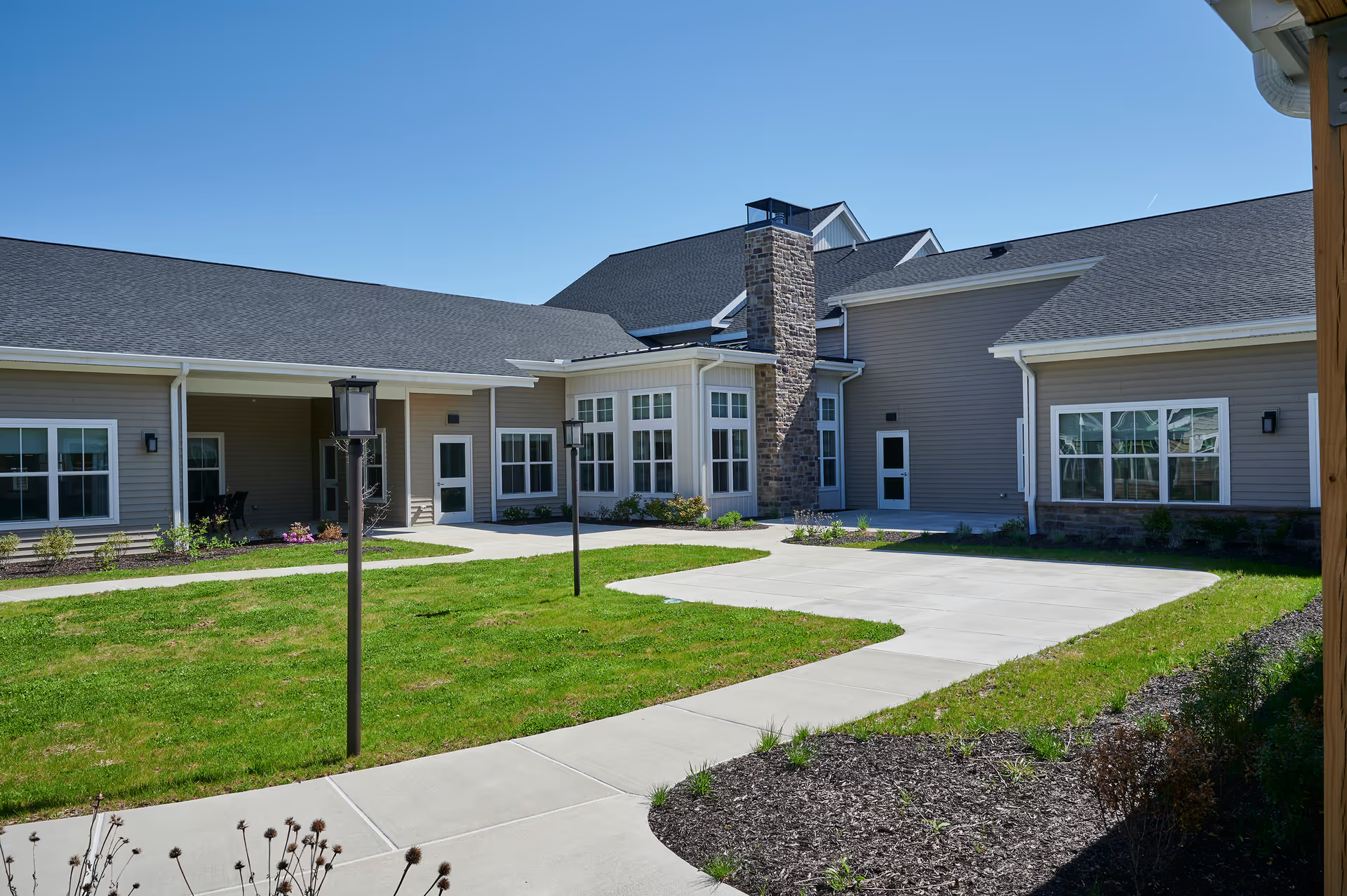
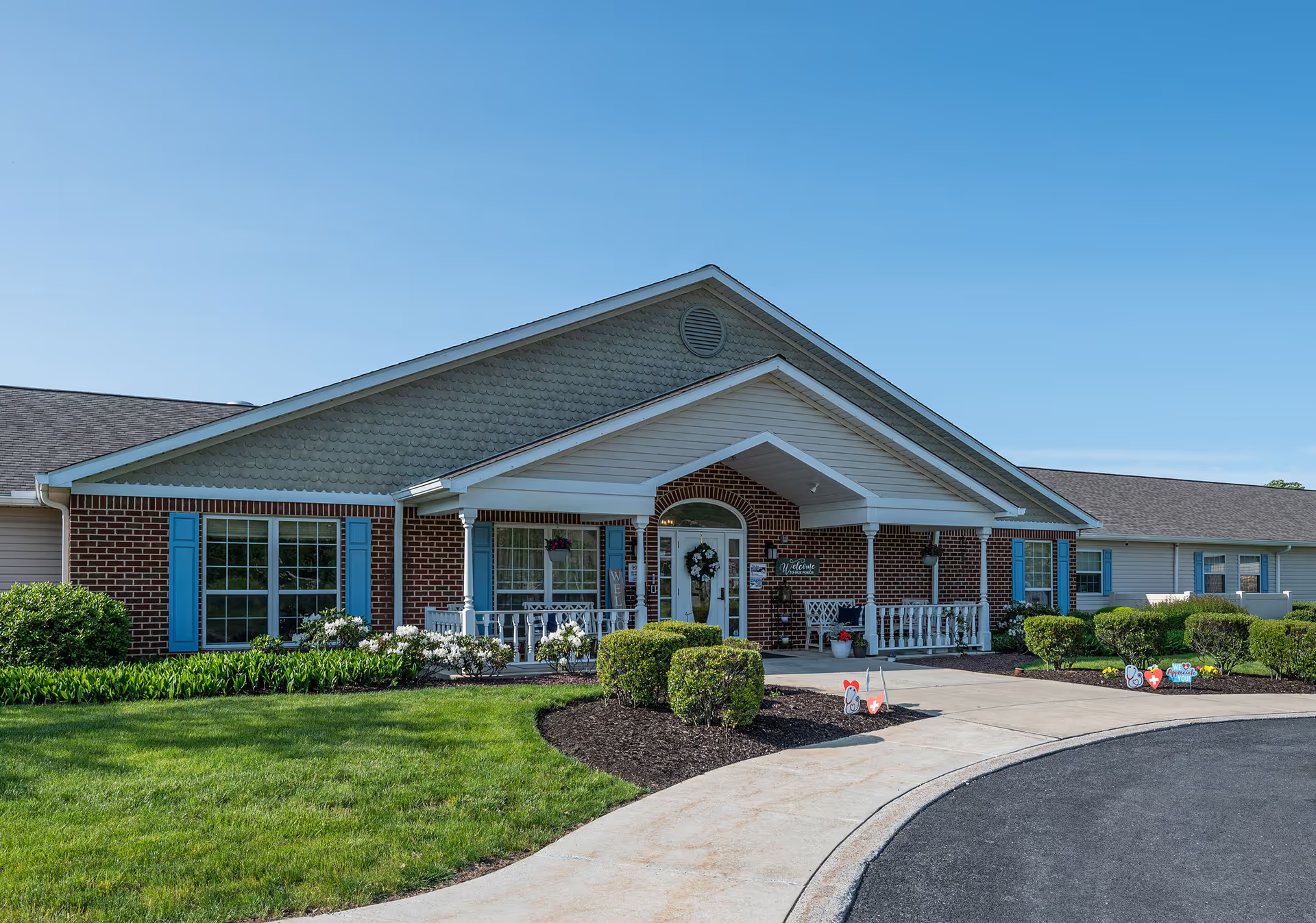
Kadima Rehabilitation and Nursing at Palmyra elicits strongly mixed impressions. Positive comments center on an active activities program, several frontline caregivers who develop personal relationships with residents, and some administrative and social-work staff who families find helpful and accommodating. Community and volunteer involvement (therapy-dog visits, holiday events, and external partnerships) is a recurring strength, and the facility is described as undergoing renovations in parts.
Care and staffing: Direct-care personnel (especially some CNAs) receive repeated praise for compassionate, familiar care and for knowing residents by name. At the same time, reviewers describe systemic staffing shortfalls: delayed responses to call bells, slow assistance with toileting and transfers, and periods when nursing oversight appears limited. Several accounts raise clinical concerns including delayed wound care, inconsistent feeding-tube management, and delayed medication administration. These issues are presented as operational patterns (timing and staffing-related) rather than isolated interpersonal conflicts. A few families described more positive clinical experiences under newer administration or consistent staff assignments.
Dining and therapy services: Comments about dining are mixed; some families report long delays in meal service and dissatisfaction with food quality, while activities programming (crafts, outings, therapy-dog visits, themed events) is often highlighted as a positive contributor to resident quality of life. Rehabilitation services are described as inconsistent by multiple families — some residents received meaningful therapy while others experienced little to no rehab provision or difficulty obtaining required equipment.
Facilities and sanitation: Multiple reviewers cite maintenance and cleanliness issues that affect the living environment, including concerns with restroom upkeep, window and blind condition, hot-water reliability, mold or water-damage signs, debris, and occasional pest-control concerns. These observations are tied to operational maintenance gaps and appear to contribute to family unease about safety and comfort in some units.
Management, communication, and operations: Management impressions are mixed. Some reviewers commend a helpful social worker and a new administrator; others describe poor follow-through, unreturned calls, and abrupt communication. Financial and property-management concerns emerge in several comments, including billing irregularities, alleged mishandling of personal items, and at least a few allegations of theft or coercive billing practices; those claims have prompted mentions of state auditors or requests for regulatory review by families. Supervision and conduct issues are also noted, for example staff taking undocumented breaks, visible device use during shifts, and inconsistent professional tone during family interactions.
Notable patterns and takeaways: The dominant theme across reviews is variability. There are clear strengths: an engaged activities team, dedicated CNAs, and pockets of effective administrative support. However, persistent understaffing and uneven clinical and maintenance oversight create recurring problems for residents and families. Prospective residents and families should consider visiting at different times of day to assess staffing levels and cleanliness, ask for documentation of rehabilitation plans and medication protocols, and clarify billing and personal-item policies. If clinical complexity or continence care is a primary need, families may want to seek detailed assurances about staffing ratios, call-response times, and wound- and tube-care procedures before placement.