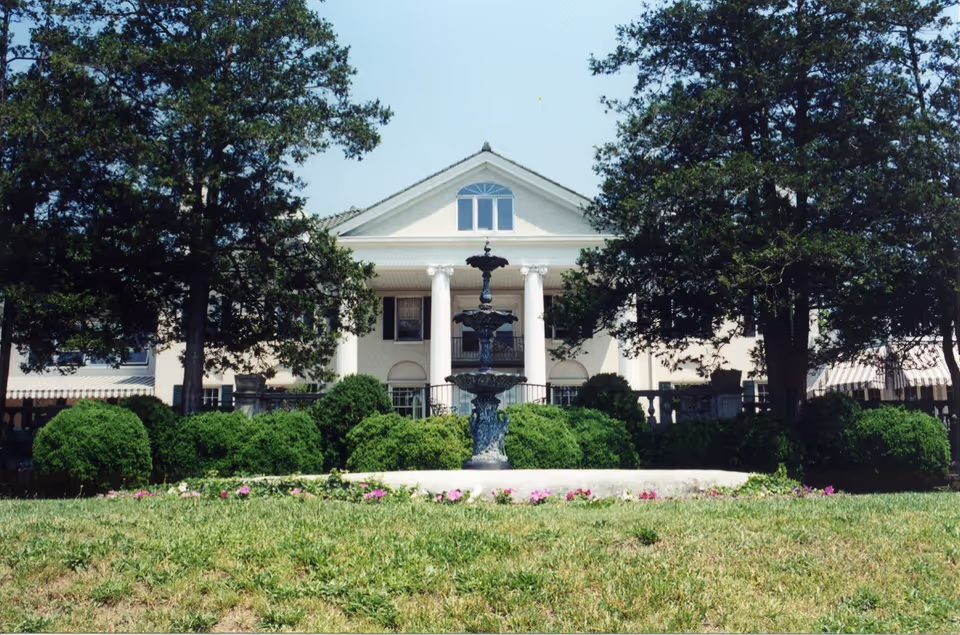
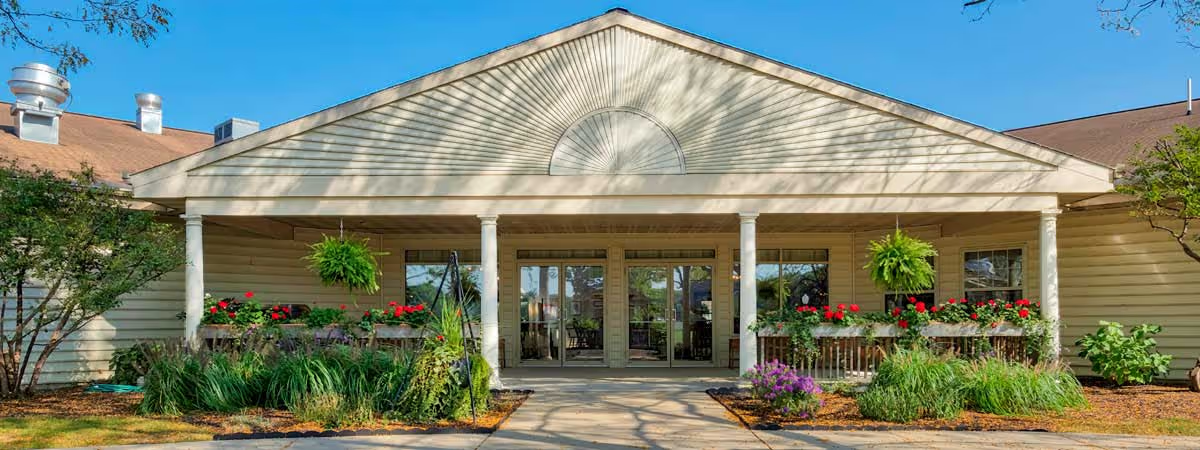
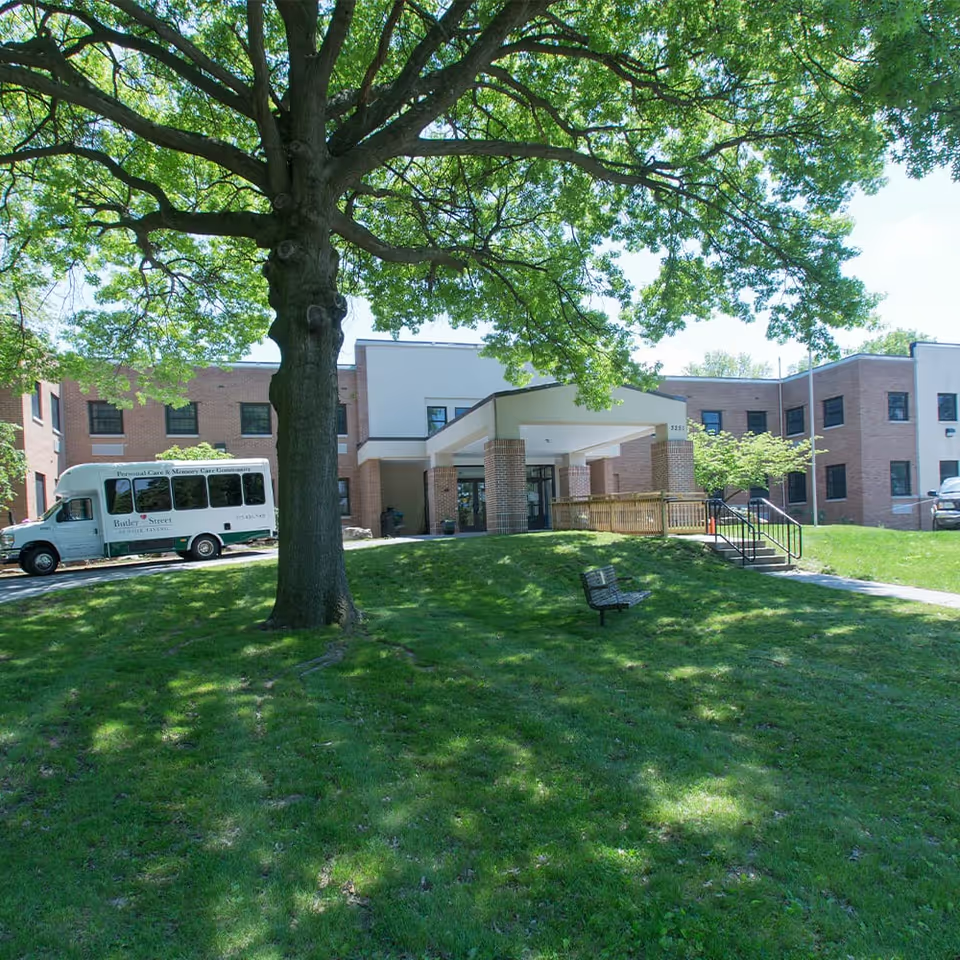
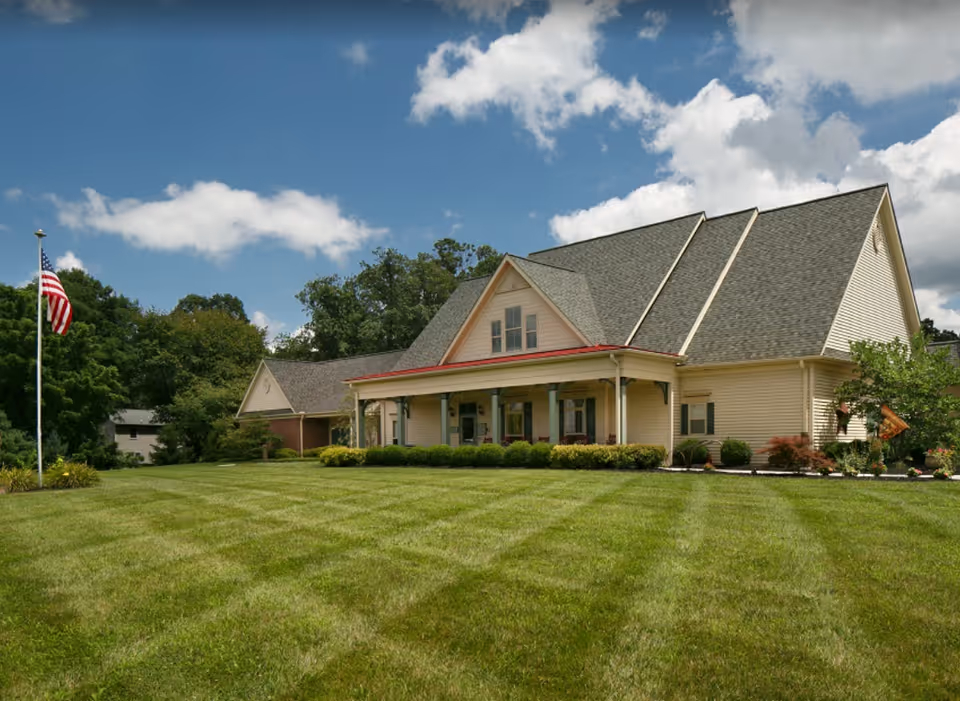
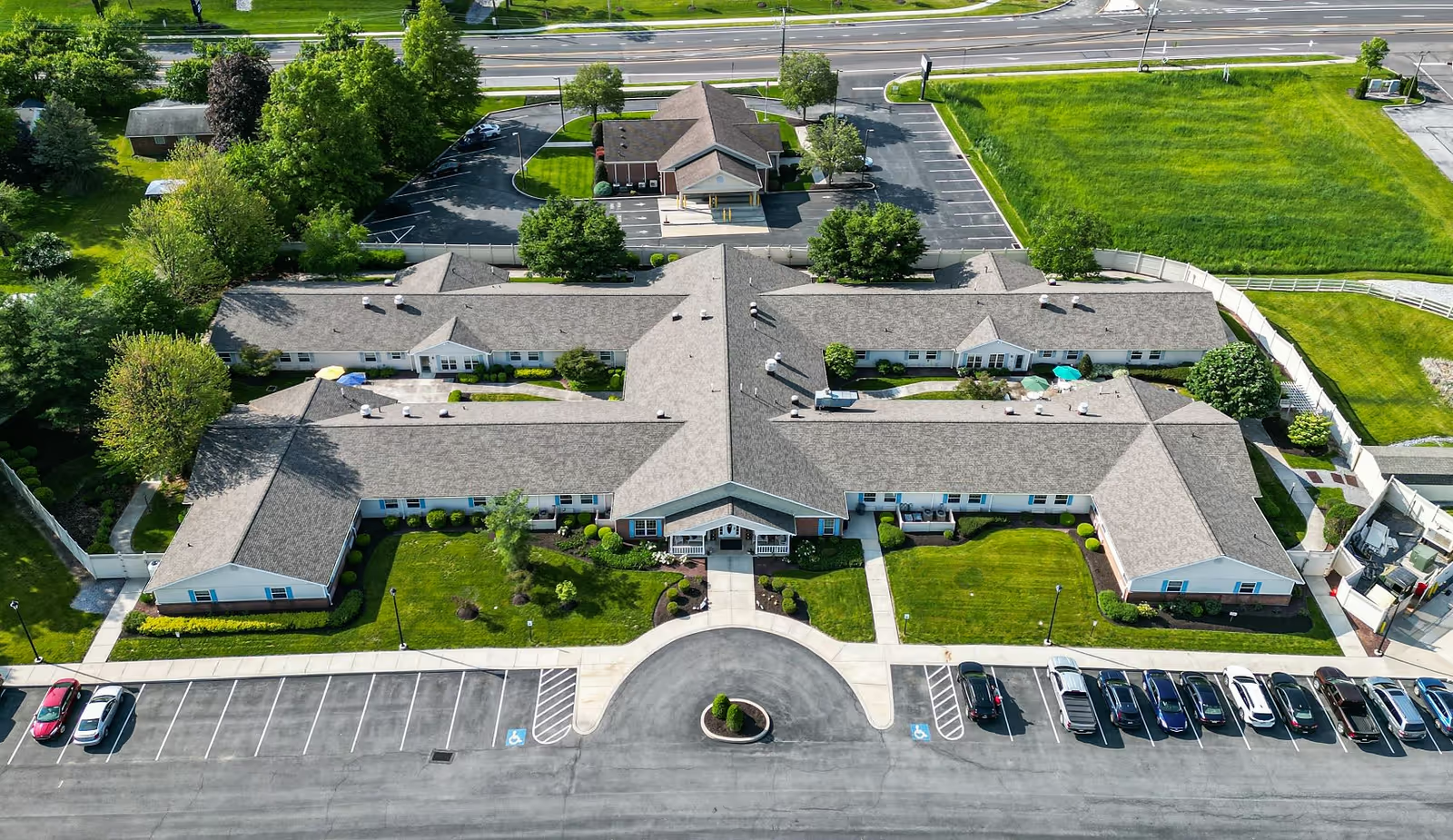
Londonderry Village presents as a large, well-resourced continuing-care community with extensive amenities and an active independent-living environment. The campus is frequently described as attractively landscaped, with well-groomed gardens, open green space, and bright indoor social areas. Independent-living residents have access to a broad schedule of activities, transportation for grocery and cultural outings, fitness classes (pool, water exercise, yoga), and an array of on-site services—including dining, a small store, bank, salon, thrift shop, and post office—that support convenient daily living.
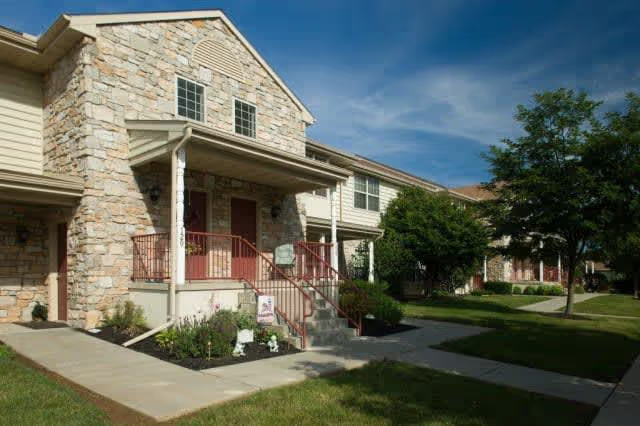
Housing options are diverse, ranging from newer apartments and cottages to suite houses and a Green House memory-care model for residents with Alzheimer’s. Many reviewers praised new apartment buildings as clean and well-appointed and highlighted customizable features in some units. Dining areas and food service received generally positive notes about quality and atmosphere. Families and residents often cited clinical capabilities positively, noting skilled doctors, nurses, and caretakers and a balance between independence and available care.
However, the community shows recurring operational concerns that prospective residents should weigh. Several comments point to inconsistent staff responsiveness and gaps in communication—examples include delayed call responses and administrative slowdowns during admissions or paperwork. Clinical staffing quality and coverage appear uneven across units, producing variability in day-to-day care experiences; this variability is most notable when comparing independent-living services with long-term care. There are also sanitation-related concerns and reports of localized odor issues in some long-term care areas, which suggest attention may be needed to incontinence-care processes and environmental cleaning protocols in certain units.
Management and system-level practices receive mixed feedback. Some reviewers describe friendly, knowledgeable, and helpful employees and emphasize benevolent care funds and a non‑eviction policy that provide financial safeguards. At the same time, others reported administrative delays, inconsistent professional follow-through, and perceptions that parts of the operation can feel impersonal due to the facility’s size. Cost is another frequently mentioned consideration: the community is positioned at a premium price point, and some families questioned the cost-to-value balance despite available financial-assistance options.
In summary, Londonderry Village offers a comprehensive, amenity-rich campus with many strengths—particularly for active independent living and residents who value on-site services and robust activity programming. The principal areas for inquiry on a tour are staffing consistency and responsiveness, sanitation protocols and condition of long-term care units, the specifics of unit sizes and layouts, admissions timelines, and the full cost package versus available financial assistance. These focused questions will help families clarify whether the community’s operational patterns and service levels align with their expectations and care needs.