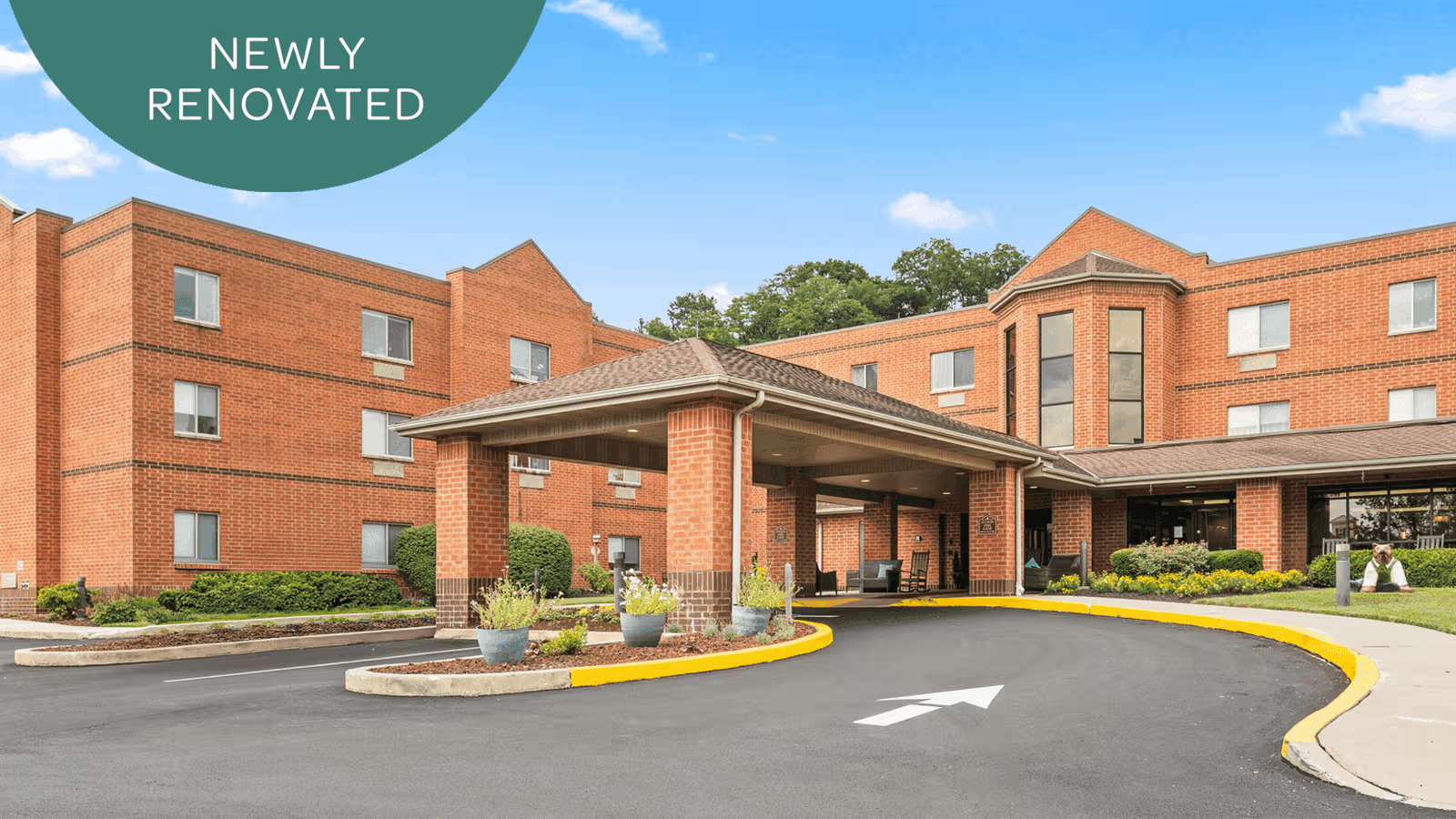
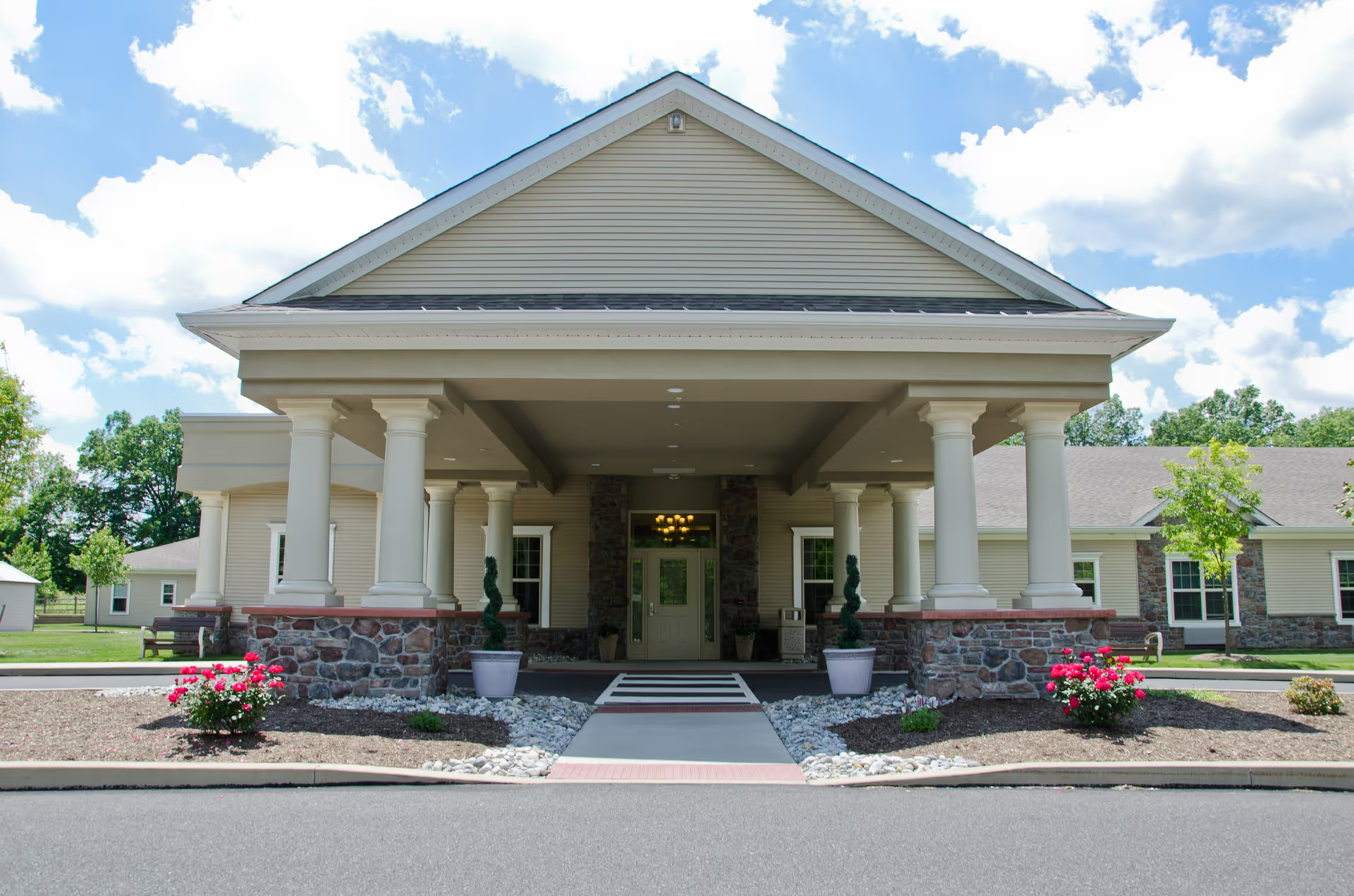
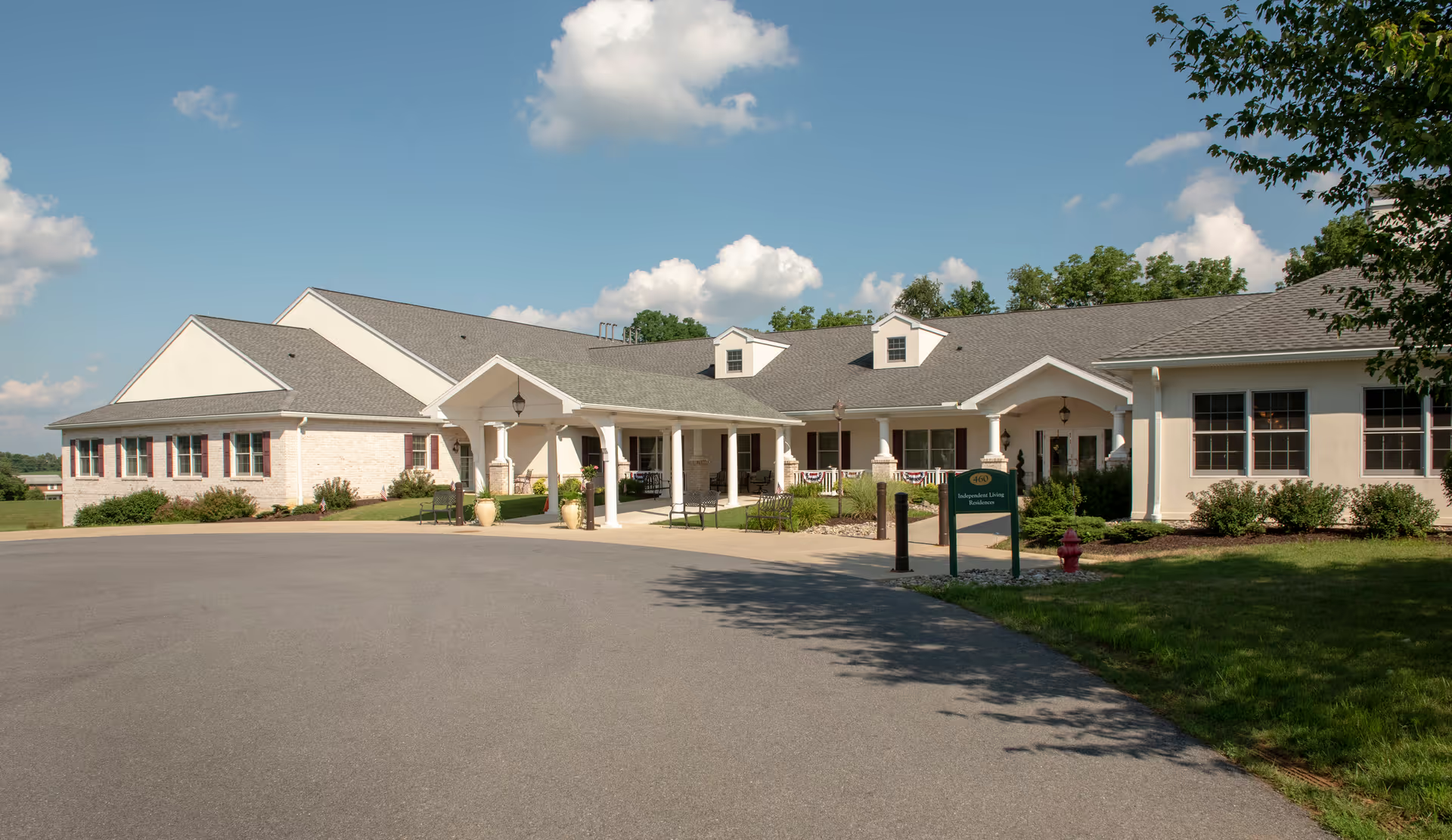
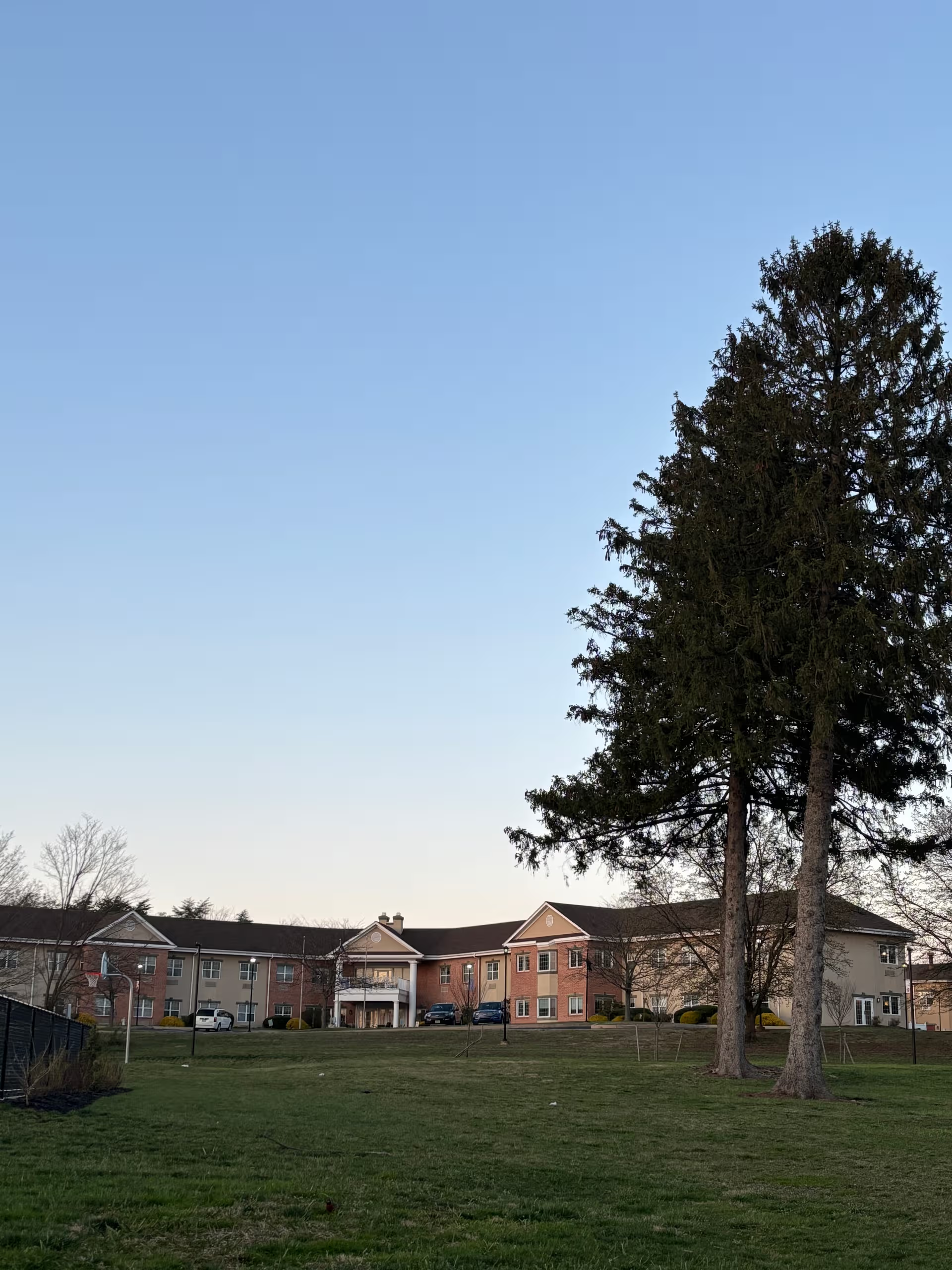
Penn Assisted Care presents as a small, home-style assisted living option with several consistent strengths and a set of operational limitations to consider. Many comments emphasize a clean, odor-free environment and a tight-knit, family-like atmosphere. Common positives include attentive caregiving, staff described as friendly and knowledgeable, and home-style meals with the ability to accommodate dietary needs. The facility’s size and layout — multiple living spaces, a library, day rooms, and an outdoor patio/deck — support social interaction and a personalized feel that some families find appealing. Reviewers also note that the community is affordable and centrally located, and that medical oversight includes capacity for residents with Parkinson’s-level needs.
Care quality and staffing impressions are mixed. A substantial portion of feedback praises patient, helpful, and engaged staff and highlights committed administrators; these accounts describe smooth admissions experiences, clear explanations, and staff who are involved with residents’ daily lives. However, there are also reports indicating inconsistent responsiveness, unreturned calls, unprofessional communication in some interactions, and concerns about how certain incidents were handled. These divergent impressions suggest variability in staff responsiveness and professionalism across shifts or units rather than a uniformly consistent standard of conduct.
Dining and activities offer basic, home-style programming but have limits. Meals are frequently described as home-cooked with accommodations available, yet several accounts characterize the menu as repetitive or limited in variety. Activity programming appears modest: outdoor games, occasional movie outings, and social time in common rooms are available, but some families view programming as sparse or inconsistent. The facility lacks dedicated fitness amenities such as a pool or gym, which may be relevant for residents seeking more active programming.
The physical plant is characteristically older and basic. Rooms are often described as comfortable and homey but small, with a common arrangement of double occupancy and limited private-bathroom options; some bathrooms are shared in hallways. Reviewers commend general cleanliness, yet there are isolated but serious operational concerns described that relate to pest control and to coordination around admissions and resident belongings. Additionally, the presence of residents with higher behavioral-health needs has been mentioned as a compatibility consideration for some families.
Management and operational patterns show strengths and gaps. Several reviewers expressed satisfaction with the administrator and certain managerial responsiveness, while others reported problems with admissions coordination, misrepresented bed availability, and insufficient follow-through on regulatory or incident-related communications. Taken together, these patterns indicate that a prospective family should verify current operational protocols during a visit — specifically asking about pest-control practices, staffing ratios and turnover, how the community manages resident acuity mix, the daily activity schedule, dining menus, and the process for admissions and bed confirmation.
In summary, Penn Assisted Care appears suited to families seeking an affordable, small, home-like assisted living environment with engaged caregiving and basic services. Prospective residents and families should weigh those benefits against an older facility footprint, limited private-space options, basic activity offerings, and variability in staff responsiveness and admissions coordination. A focused in-person tour that includes a review of pest-control records, activity calendars, sample menus, staffing patterns, and bed-availability procedures will help clarify current conditions and fit for an individual’s needs.