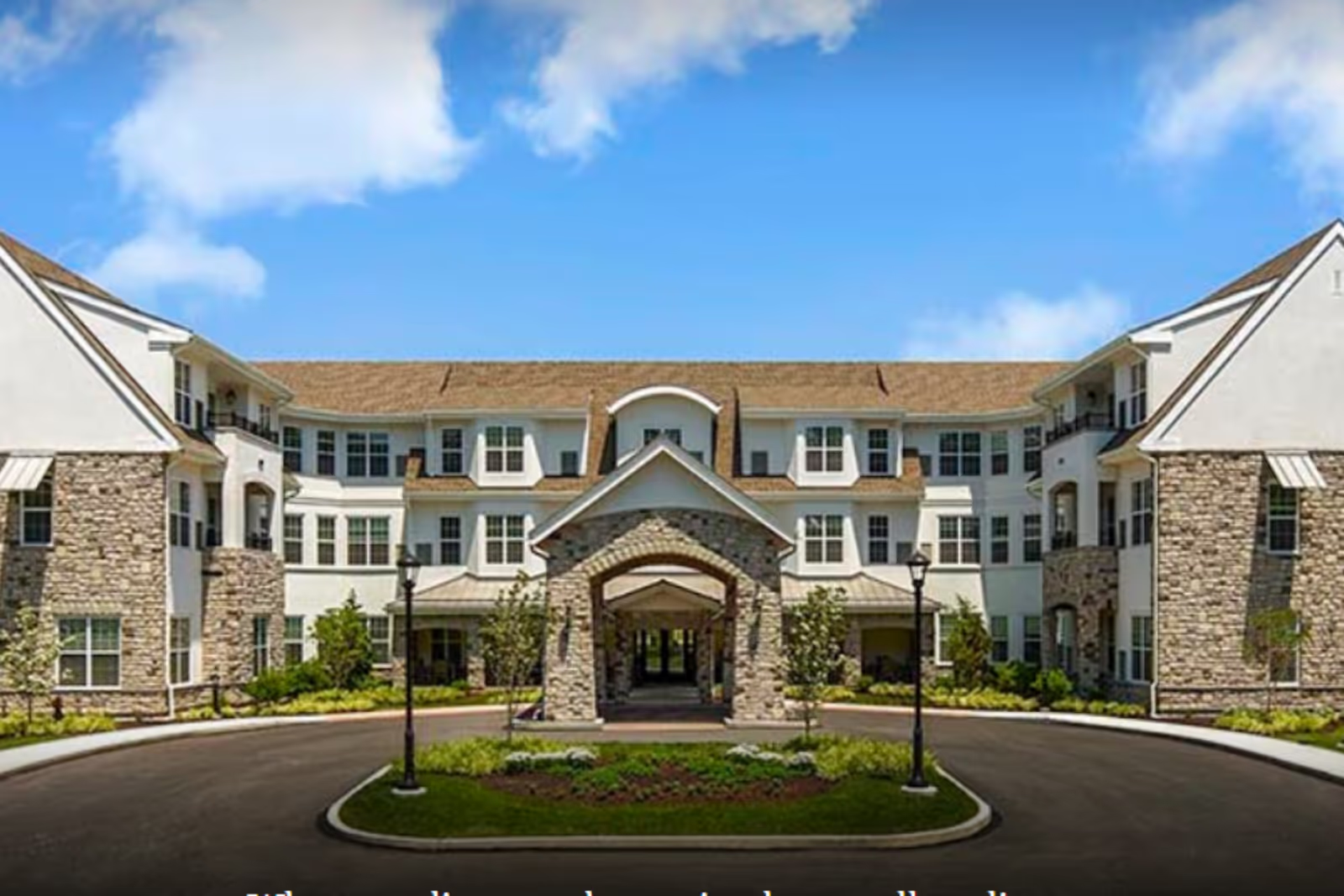
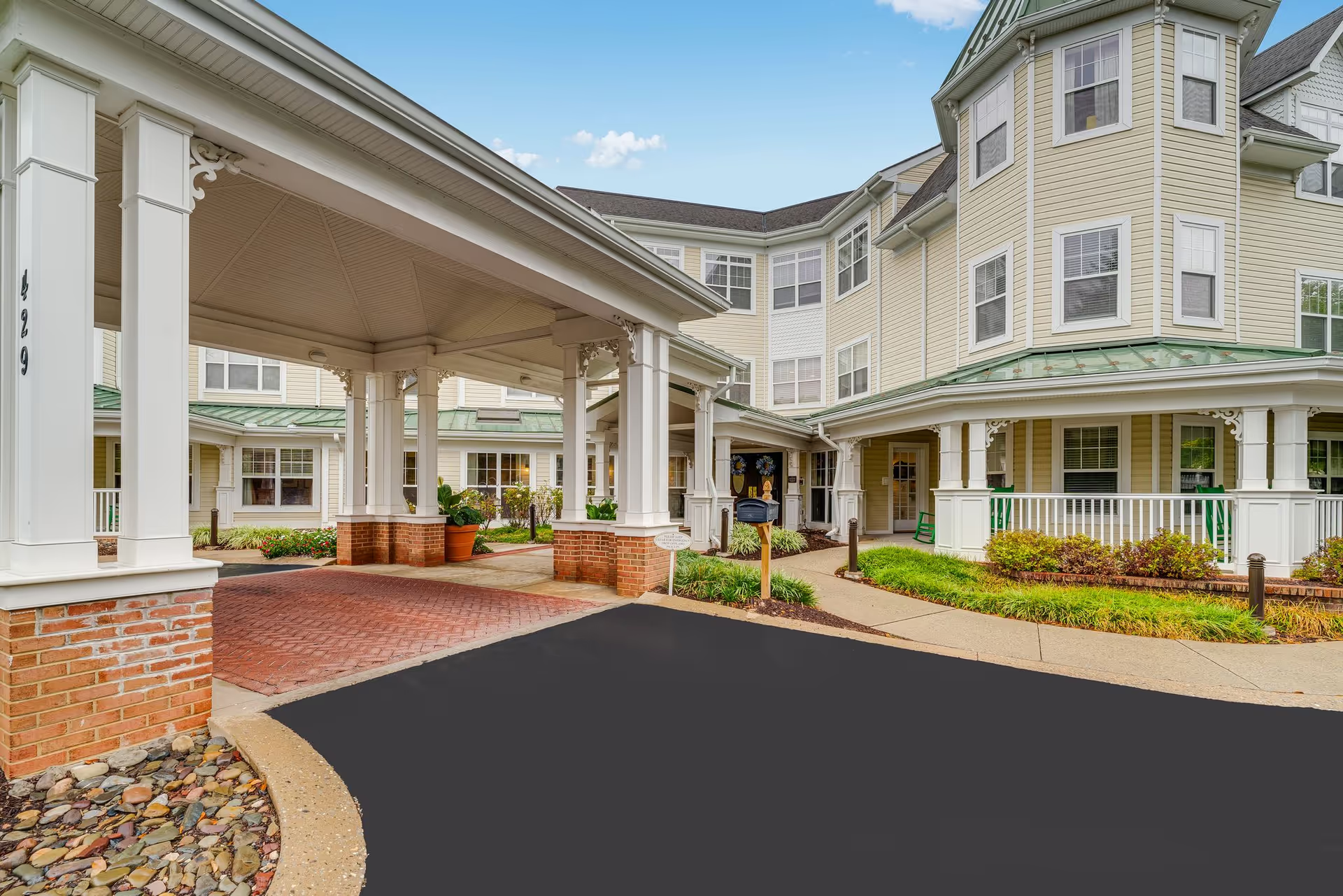
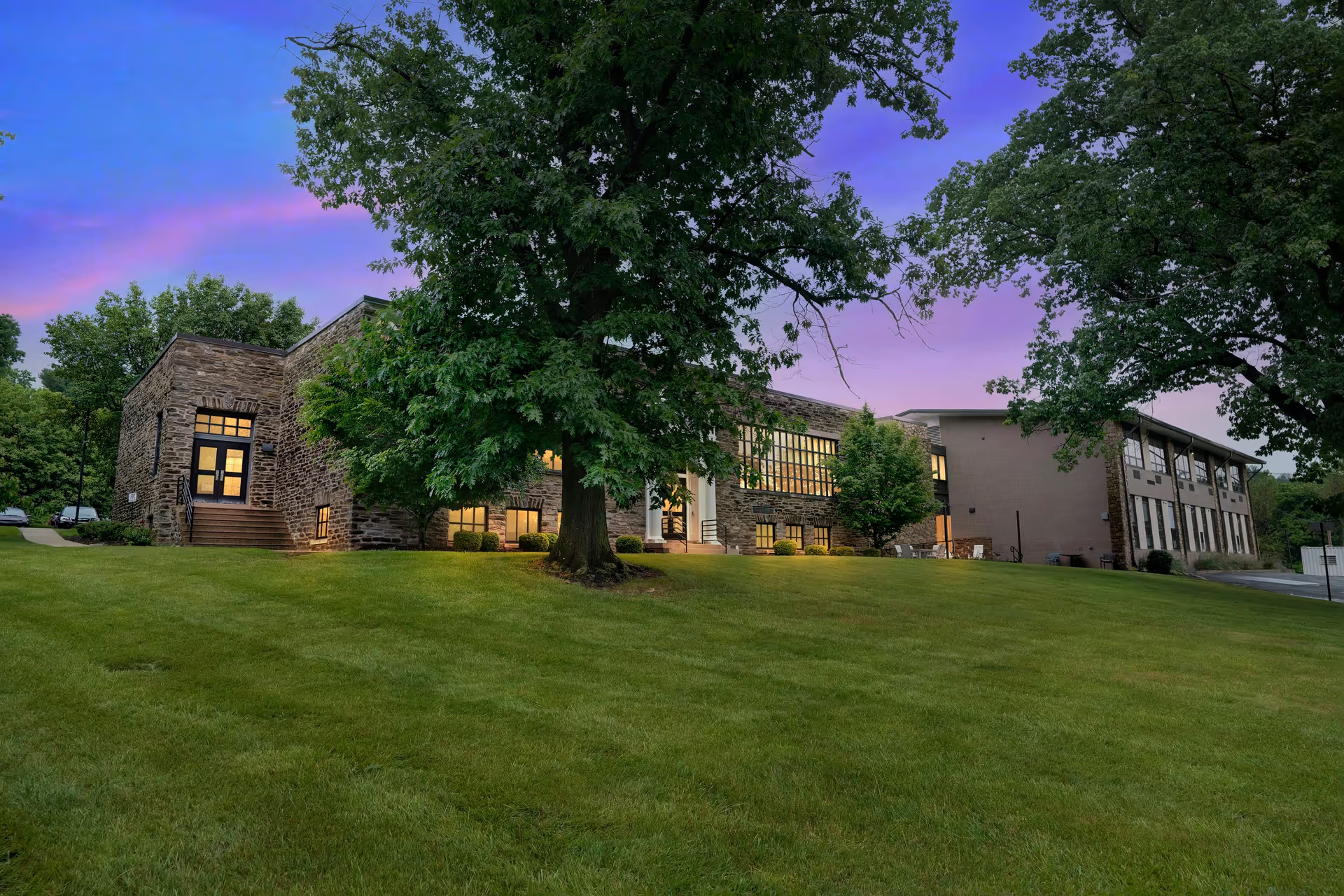
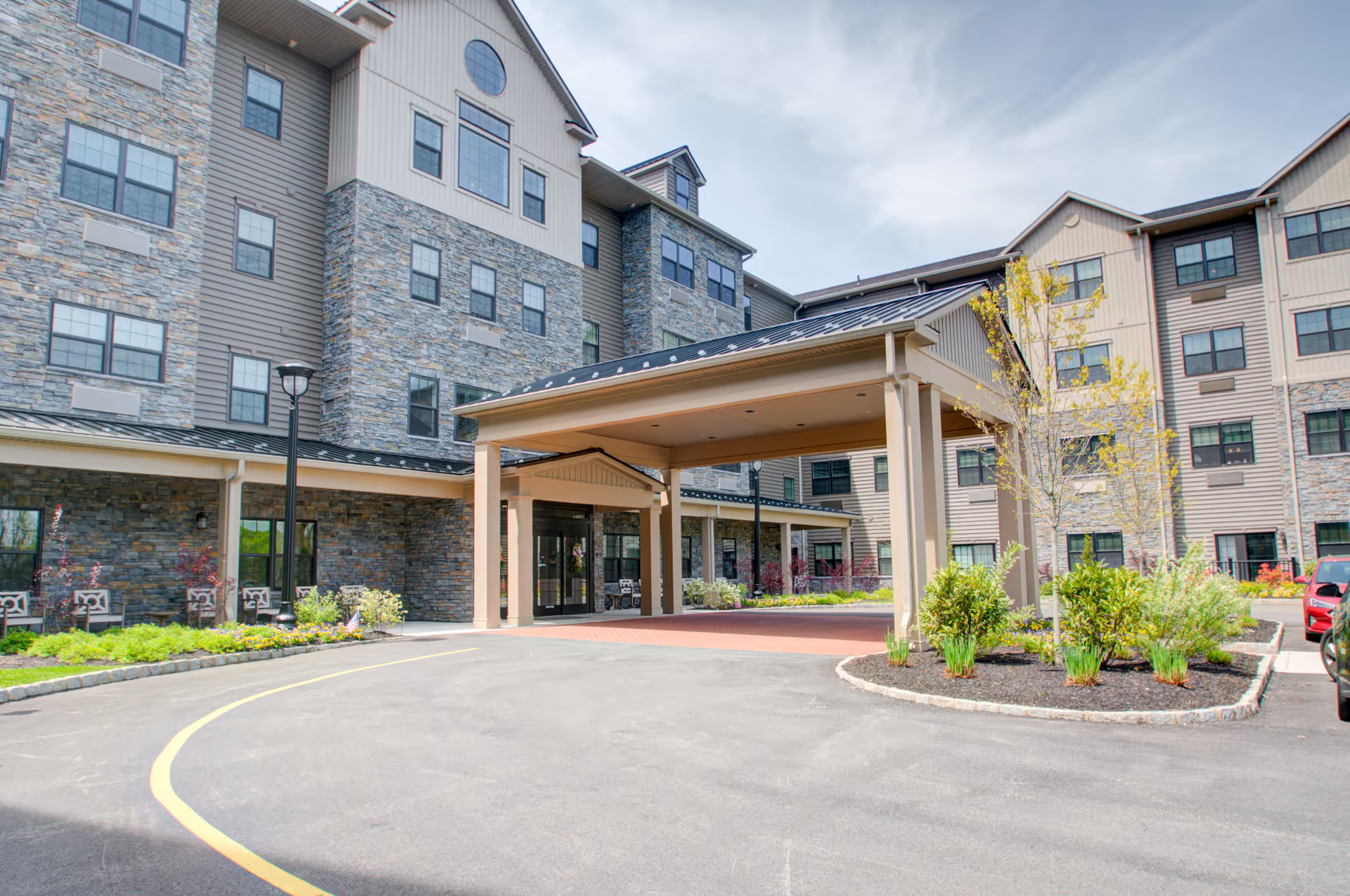
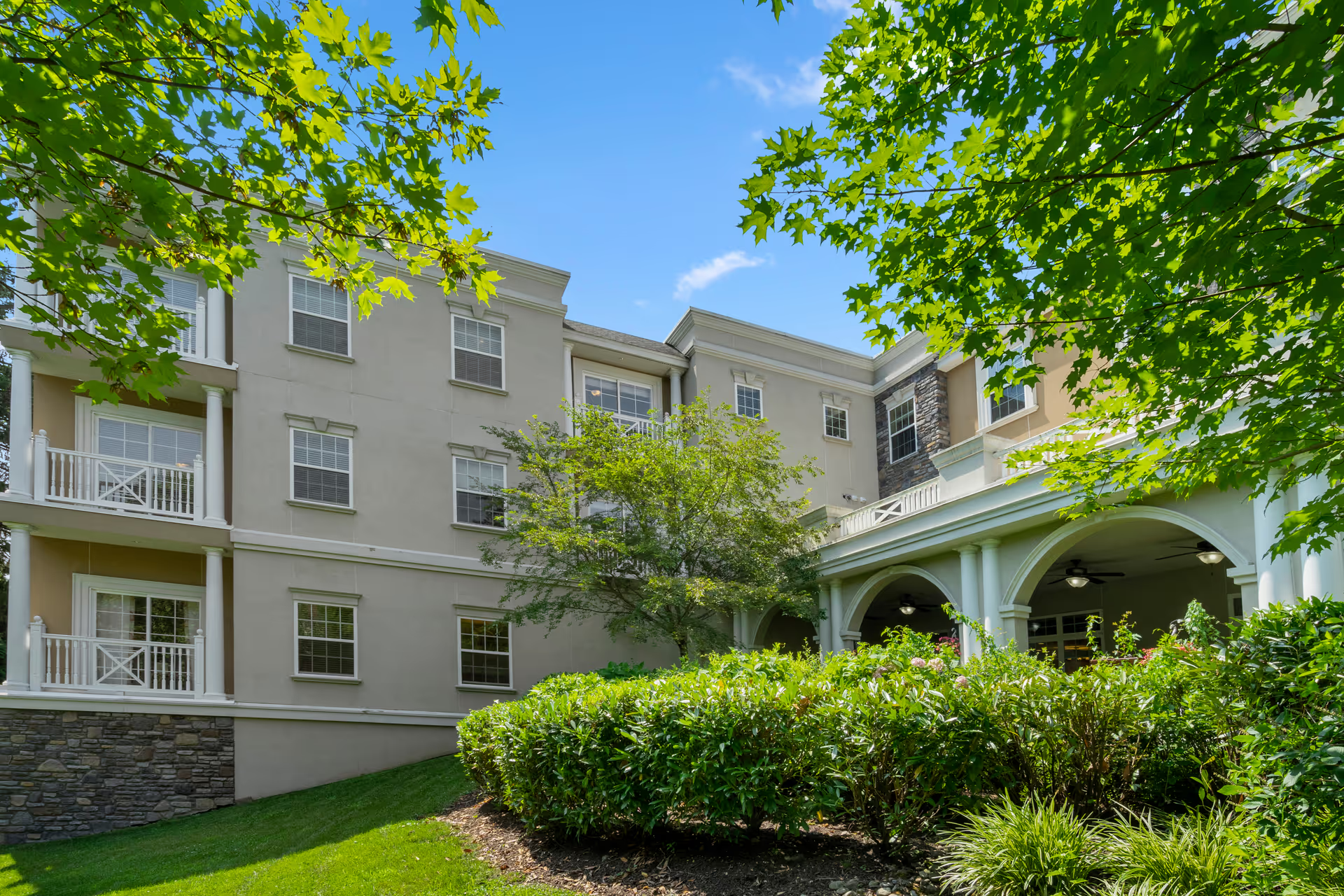
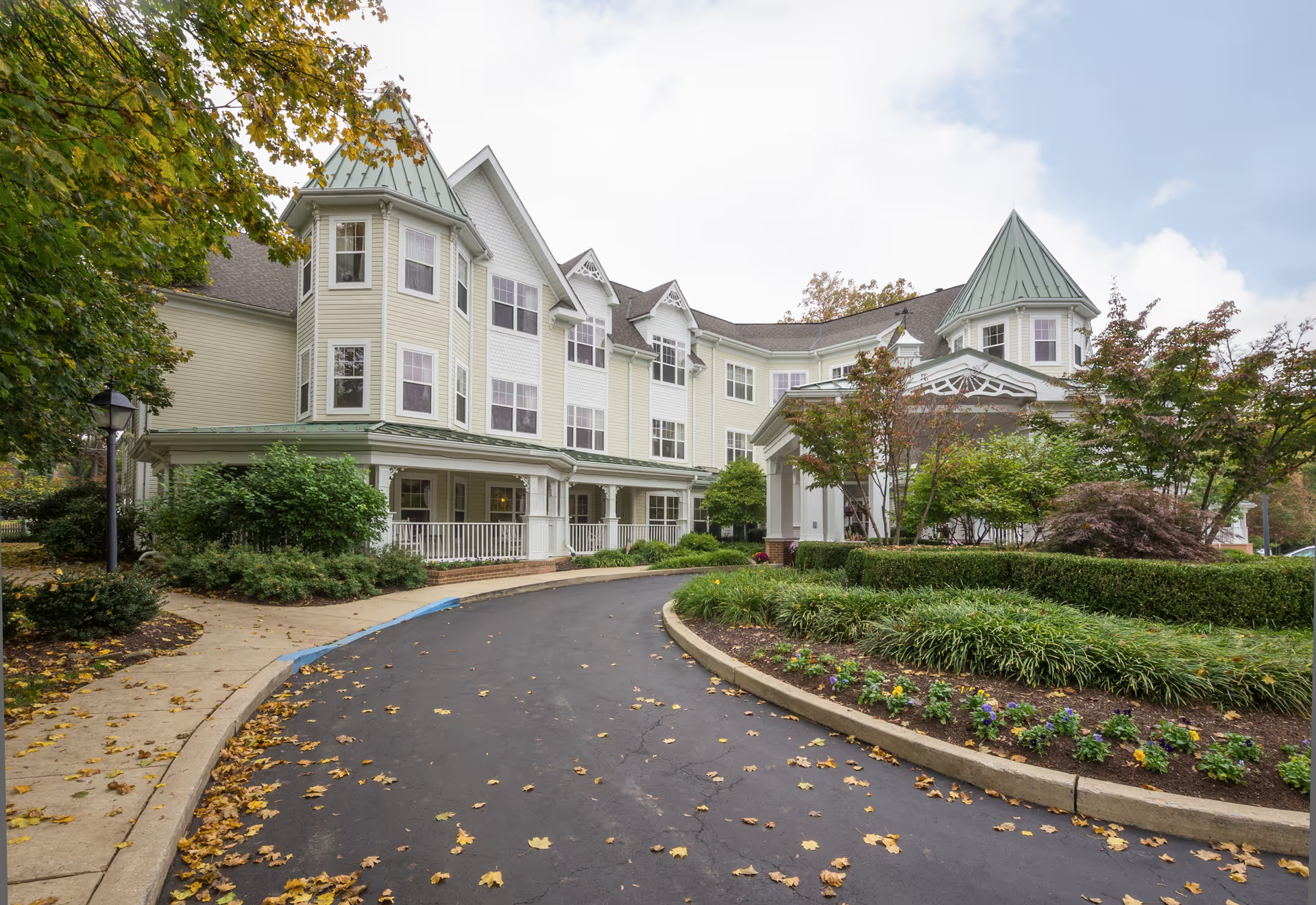
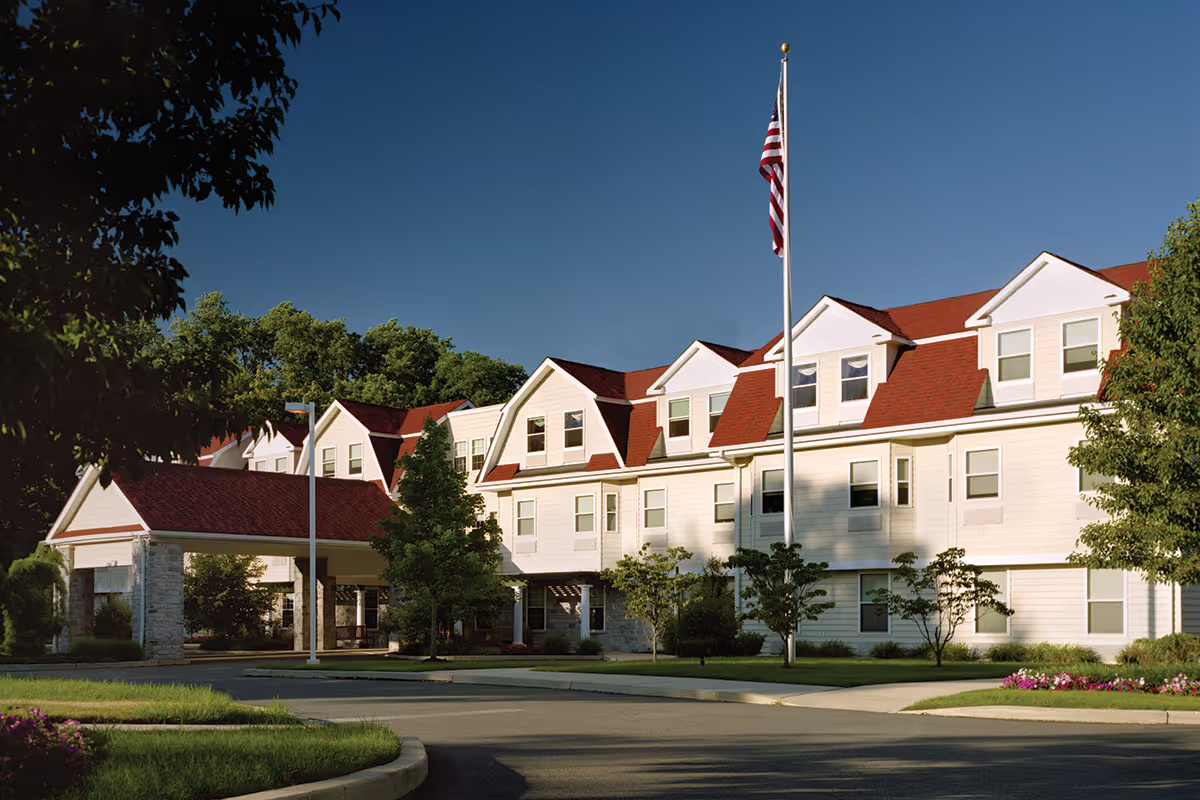
Cathedral Village presents a mixed but clear profile: many families and residents describe a warm, pastoral community with strong programming and a visible commitment to person-centered care, while others raise operational concerns that particularly affect higher-acuity clinical services. The campus, grounds, and communal amenities receive consistent praise — reviewers highlight a peaceful, attractive setting, home-like common areas, active social programming, and an activities team that provides robust engagement. Short-term rehabilitation and therapy services are noted as effective by several families, and hospice coordination and support for family presence at end of life are viewed positively.
Care quality and staffing show substantial variability. Positive accounts emphasize compassionate, attentive CNAs and moments of strong nursing oversight, often tied to specific leaders such as the named Director of Nursing. However, there is a recurrent pattern of inconsistent nursing competency and responsiveness across different shifts, with particular concerns about evening coverage. Families reported delays in medication administration and clinical response, and described hygiene and incontinence-care management shortfalls. These operational weaknesses appear concentrated in the Skilled Nursing environment; multiple comments contrast a generally satisfactory Assisted Living experience with more problematic Skilled Nursing care.
Management and communication are similarly mixed. Some reviewers praise prompt supervisor engagement and visible leadership interventions that produced short-term improvement. At the same time, others cite communication gaps between staff and families, billing/insurance friction, and an uneven follow-through on safety and documentation practices — including at least one allegation of documentation irregularities. Infection-control practices during the COVID period were generally well-handled, with staff use of PPE, regular family updates, and scheduled virtual meetings receiving positive mention.
Dining and ancillary services elicit divergent views. Several reviews commend attentive dining services, housekeeping, and a generally clean, light environment; others describe inconsistent meal quality. Transportation and transfer-safety practices drew concern in a subset of accounts, and there are perceived weaknesses in staffing levels that may affect response times and resident supervision. Financially, the community’s model includes a steep non‑refundable buy-in that prospective residents should factor into their decision.
Overall, Cathedral Village may be a good fit for prospective residents prioritizing community life, location, grounds, and active programming, and for those entering at Assisted Living or for short-term rehabilitation. Families of residents with higher medical complexity or who require continuous skilled nursing should perform careful, targeted due diligence: ask for current staffing ratios, documentation of medication and clinical response policies, observation of evening and weekend shifts, and clarification of financial terms. Monitoring communication channels and verifying recent quality-improvement actions can help prospective residents assess whether the facility’s strengths align with their clinical and personal needs.