The collected reviews describe a facility with a distinctly mixed performance profile: many families and patients praise the rehabilitation services, guest services, and particular care teams, while others recount operational and safety shortfalls that materially affected care experiences. The therapy program is the most consistently positive element. Physical and occupational therapists are frequently described as knowledgeable, goal-oriented, and effective at preparing patients for discharge; names and roles of specific therapists and therapists’ aides recur as bright spots. Respiratory and specialty therapy support was also noted positively. Upper floors and select units receive repeated praise for cleanliness, comfort, and a more attentive environment.
Nursing and aide care quality is variable across units and shifts. Numerous accounts describe compassionate, skilled nurses and aides who provide attentive care; concurrently, a pattern of inconsistent conduct, delayed responses, and uneven bedside assistance emerges. These variations often align with staffing levels and time of day — day shifts and specific floors tend to be viewed more favorably than some night shifts or particular units. Call-button response delays, missed or late medication administration, and lapses in wound or incontinence-related care are recurring operational concerns that families highlight as affecting patient safety and comfort.
Dining and dietary management show mixed signals. Several reviewers praised meal service and occasional menu variety, particularly after staffing or dietitian changes; however, others describe inconsistent meal quality, cold or repetitive selections, and failures to follow prescribed diet orders. These dining inconsistencies are frequently attributed to breakdowns in kitchen–clinical communication or service follow-through.
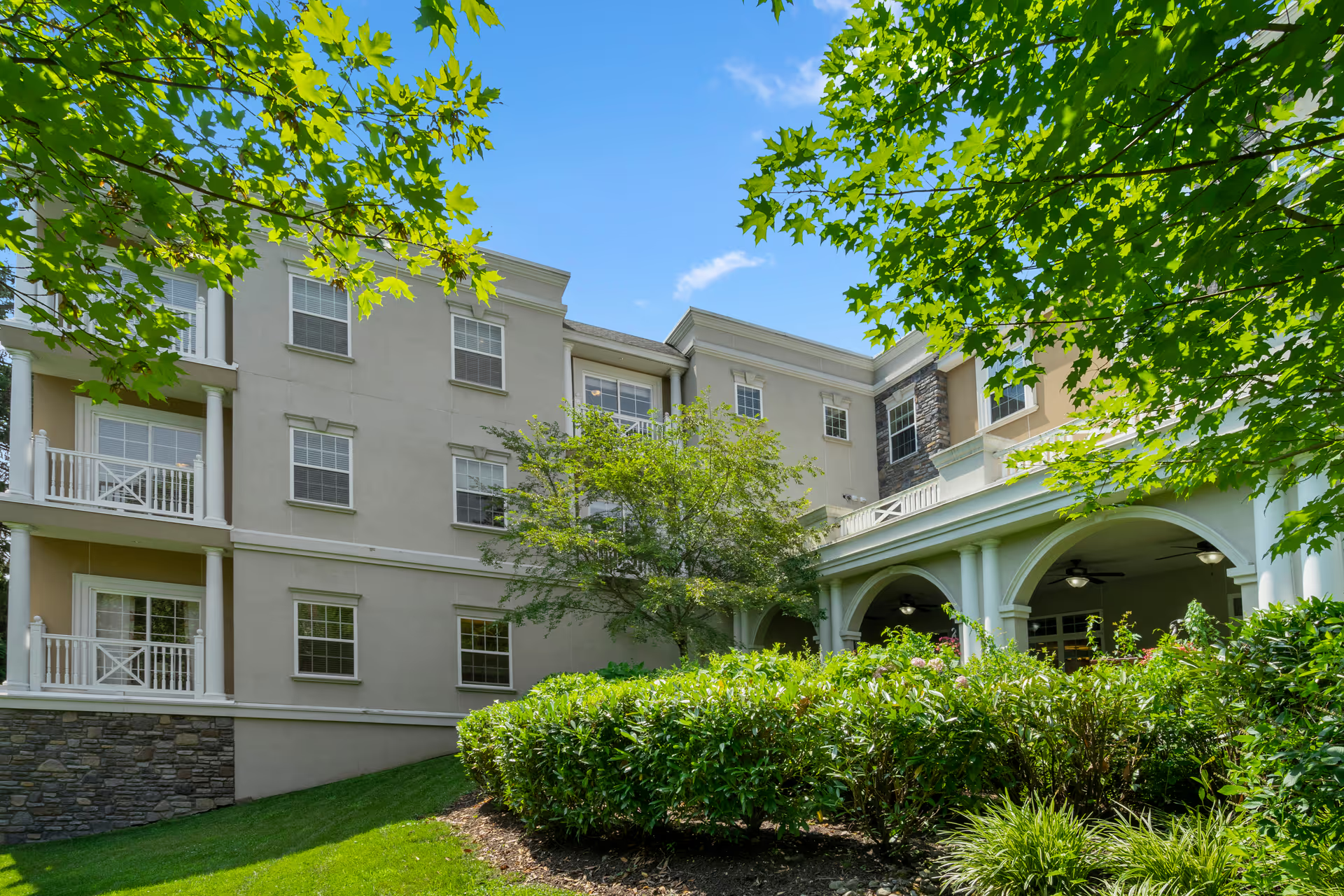
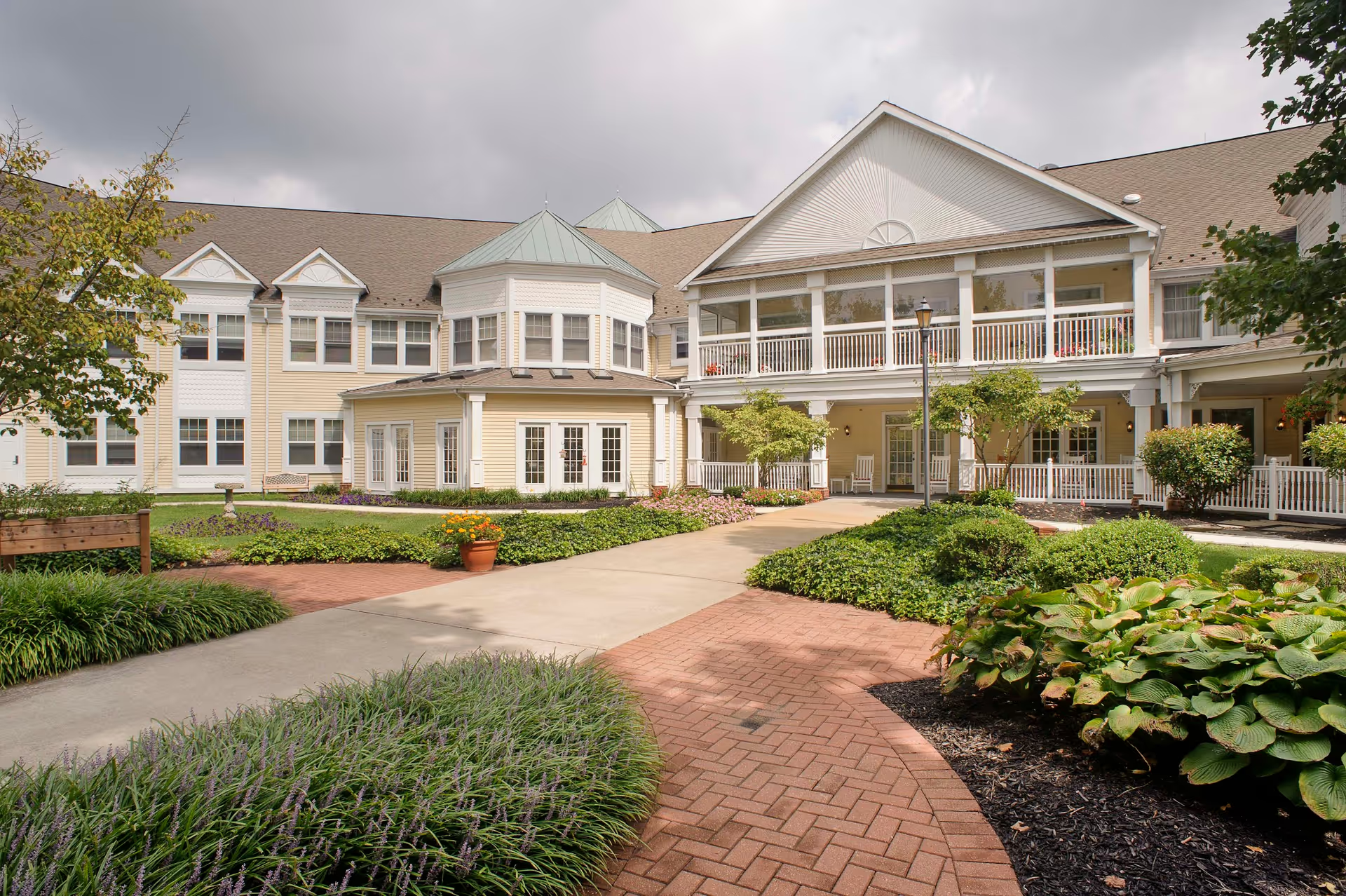
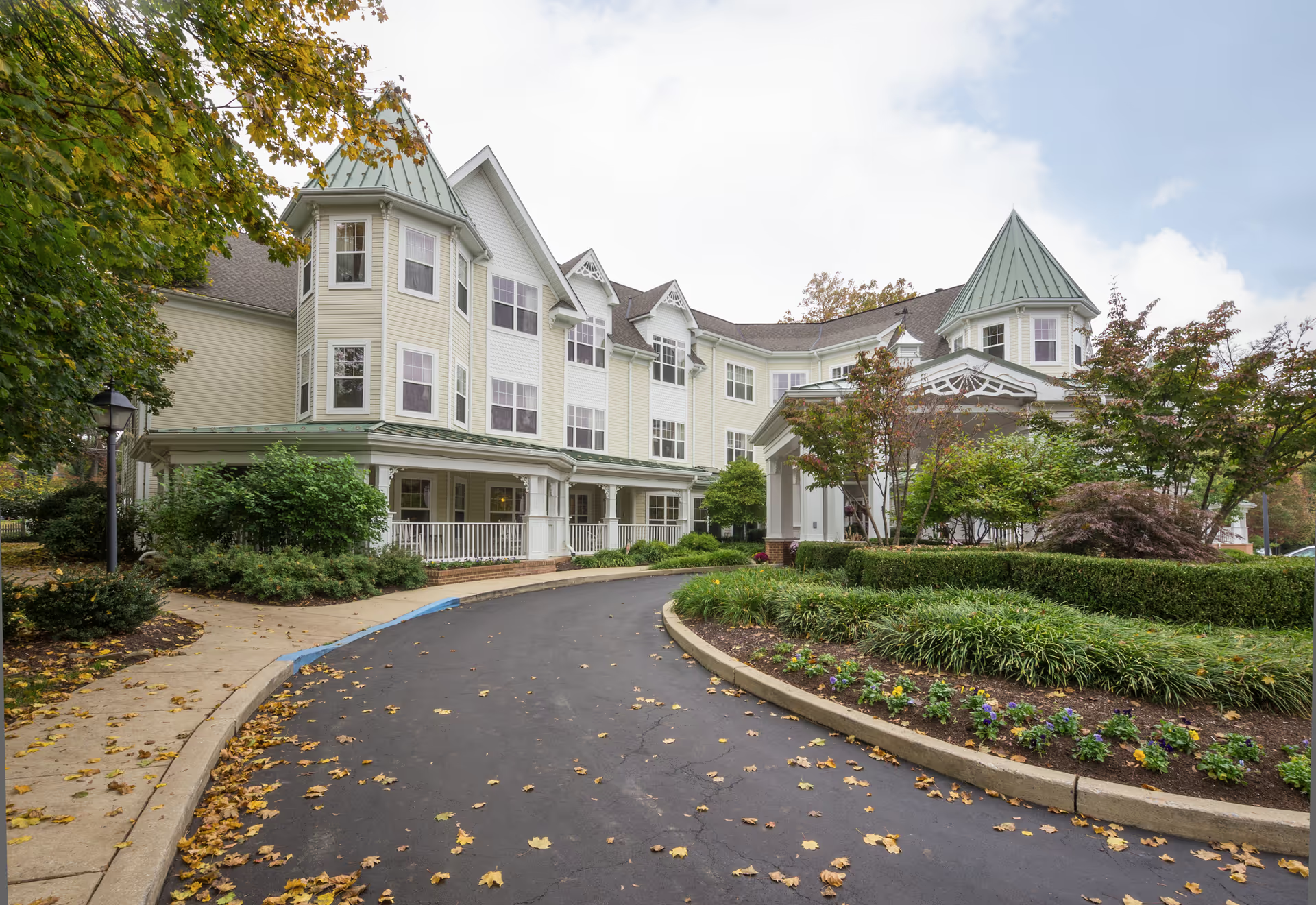
Facility condition and infection-control themes are also mixed. Parts of the building — notably higher-tier rooms and the penthouse — are described as modern and well-maintained, with active activity programming and pleasant communal areas. At the same time, multiple accounts raise sanitation and pest-control concerns, and several reviewers reported maintenance problems such as nonfunctional call systems, broken beds or wheelchairs, and variable housekeeping standards. These physical and environmental issues contribute to perceptions of uneven safety and comfort across units.
Management, communication, and discharge processes are identified as areas needing improvement. Some families commend particular administrative staff and social-work personnel for proactive coordination and smooth discharges; others describe poor follow-through, inconsistent case-management communication, missing medications or equipment at discharge, and belongings mishandled. There are also serious individual allegations in a minority of accounts, including theft and privacy breaches; these items elevate the need for careful inquiry during preadmission tours and postadmission oversight.
Notable patterns: (1) real variability by unit and shift — the same facility is experienced very differently depending on floor and time of day; (2) therapy is a consistent strength while bedside nursing and aide support are uneven; (3) operational problems (staffing, medication timing, call response) are interrelated and tend to amplify patient and family dissatisfaction; and (4) environmental and maintenance issues recur enough to warrant direct questions about pest control, preventive maintenance, and housekeeping protocols.
For prospective residents and families: a focused tour and targeted questions are recommended. Ask about current staffing ratios on the admitting unit, medication-administration auditing, call-button response times, dietary-order protocols, pest-control schedule, and discharge planning procedures. Identify specific staff contacts (admissions, social work, therapy leads) and document promised follow-up. The facility offers strong rehabilitation resources and notable individual staff strengths, but the variability in daily operations and safety-related practices suggests careful preadmission evaluation and ongoing advocacy after admission.