Overall impression: Reviews describe a facility with strong rehabilitation capabilities and many individual staff members who provide compassionate, resident‑centered care, but also recurring operational weaknesses that families should evaluate carefully.
Care and clinical quality: Physical and occupational therapy are consistently highlighted as a major strength; multiple accounts credit therapists with measurable functional improvement. Nursing and aide staff receive frequent praise for compassionate bedside care and helpfulness, though reviewers also describe variability in clinical execution. Notable clinical concerns include missed or delayed medications, questions about medication dosing and handoffs, and inconsistent monitoring of residents identified as at risk. Fall‑related incidents and transfers have been raised as safety issues, suggesting gaps in transfer protocols and fall‑prevention practices.
Staff and teamwork: Many reviewers name individual staff (nurses, CNAs, concierge, unit clerks) who were attentive and communicative, and administration is sometimes described as accessible and responsive. At the same time, there are repeated comments about poor internal communication between departments, inconsistent teamwork, reliance on agency or temporary staff, and staffing shortages that affect continuity of care and timely responses to resident needs.
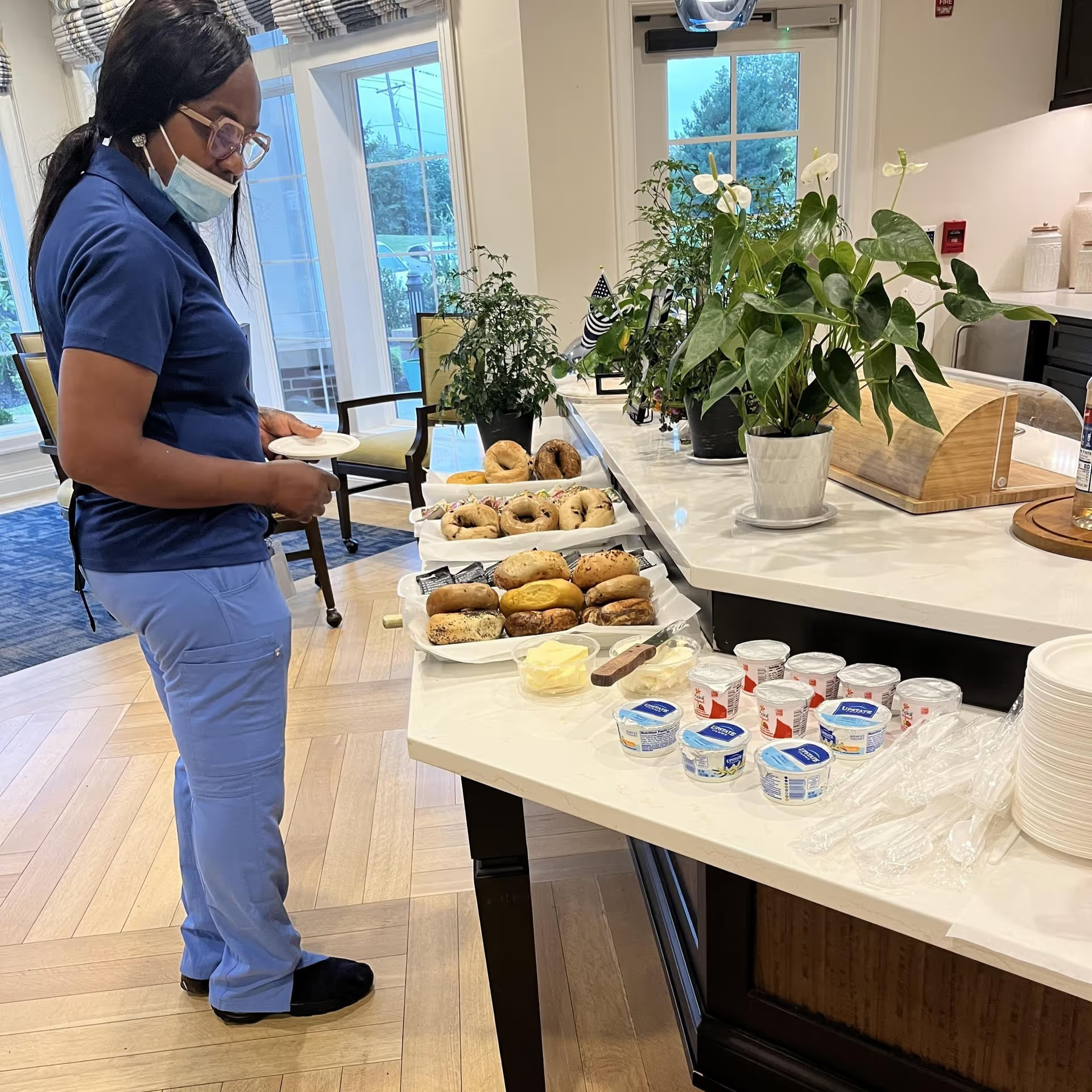
Dining and nourishment: Food opinions are mixed. Some families find meals acceptable, while others report limited menu variety, repetitive offerings, carbohydrate‑heavy meals, and a lack of fresh fruits and vegetables. A few reviewers noted that kitchen staff were empathetic but constrained by menu choices, indicating an operational area for improvement.
Activities and social environment: The activities program, including religious services and social offerings, receives positive feedback. Families and residents appreciate opportunities for engagement, and a few staff members are singled out for their efforts to involve residents. Requests for specific activities (for example, Bingo) and for more outdoor access were noted, indicating interest in expanded or more consistent programming.
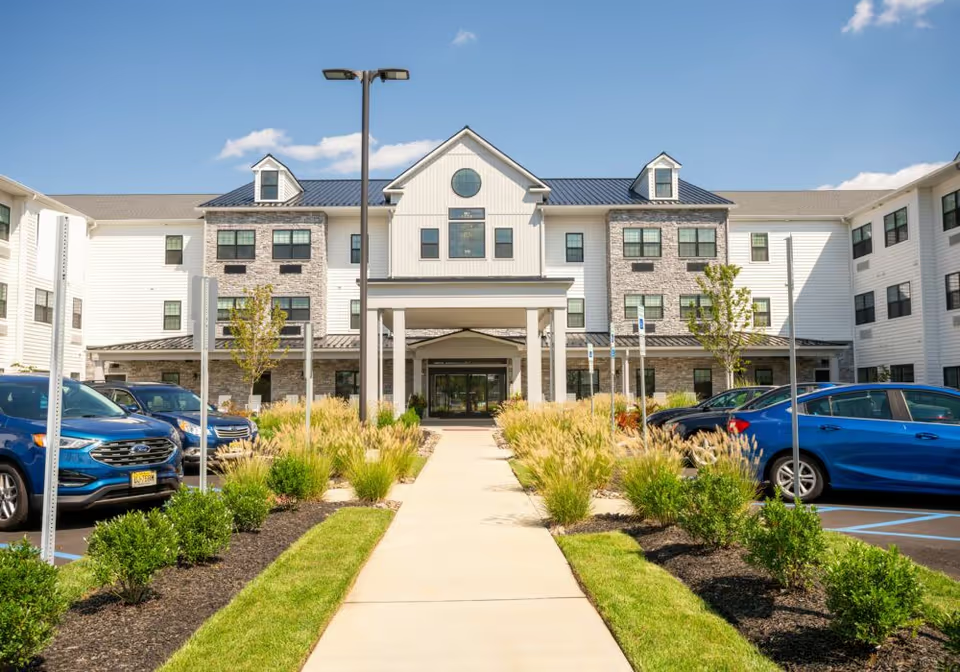
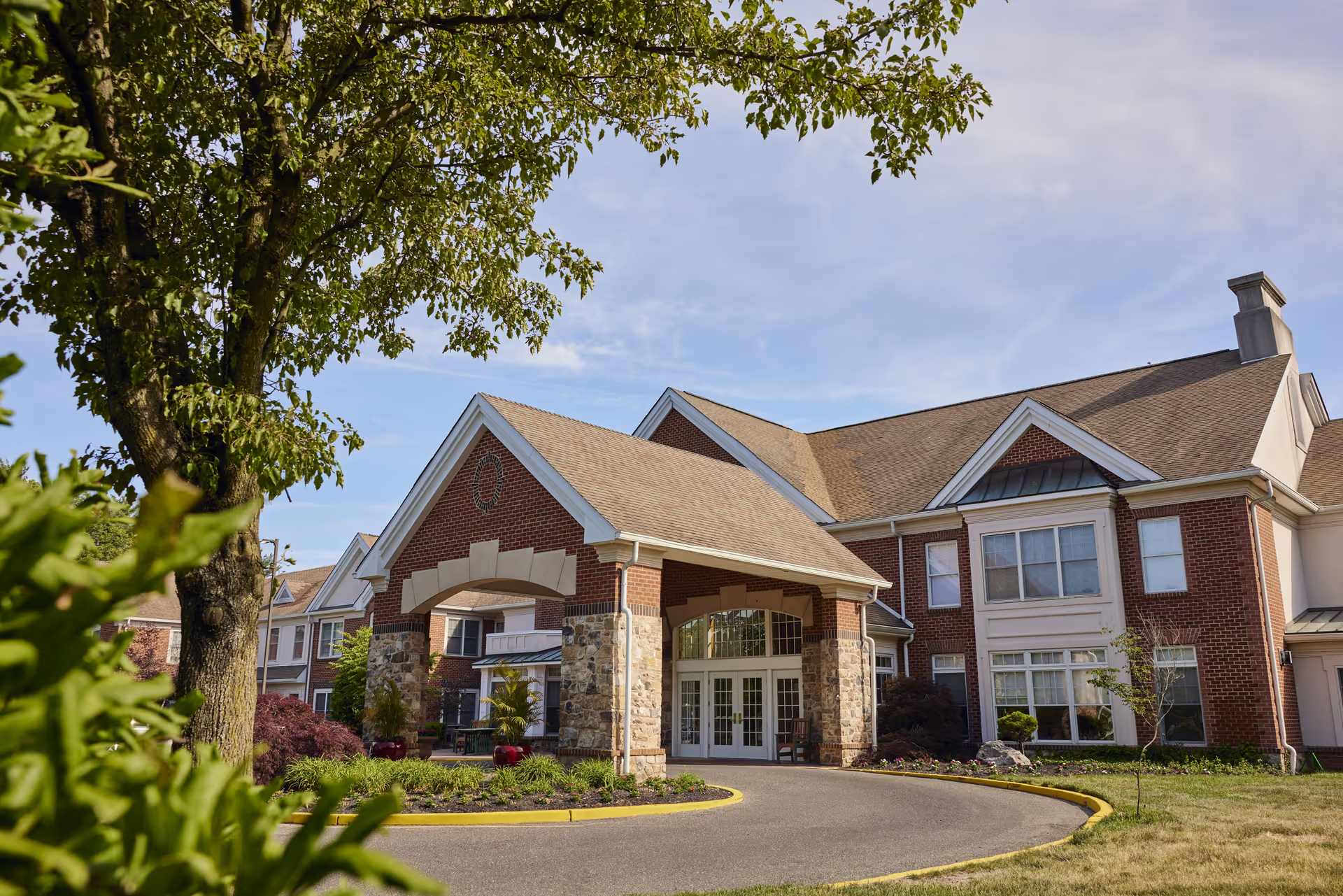
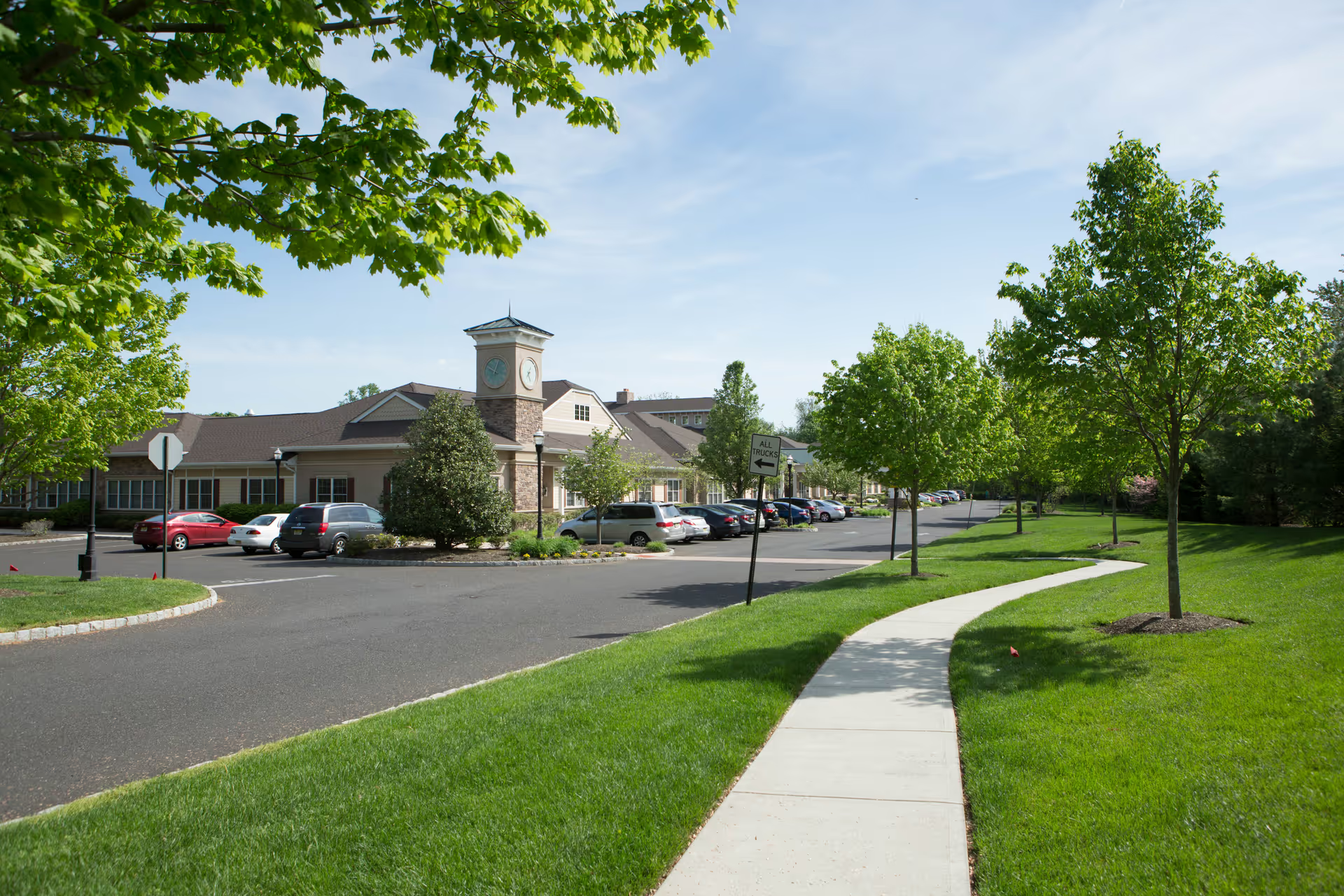
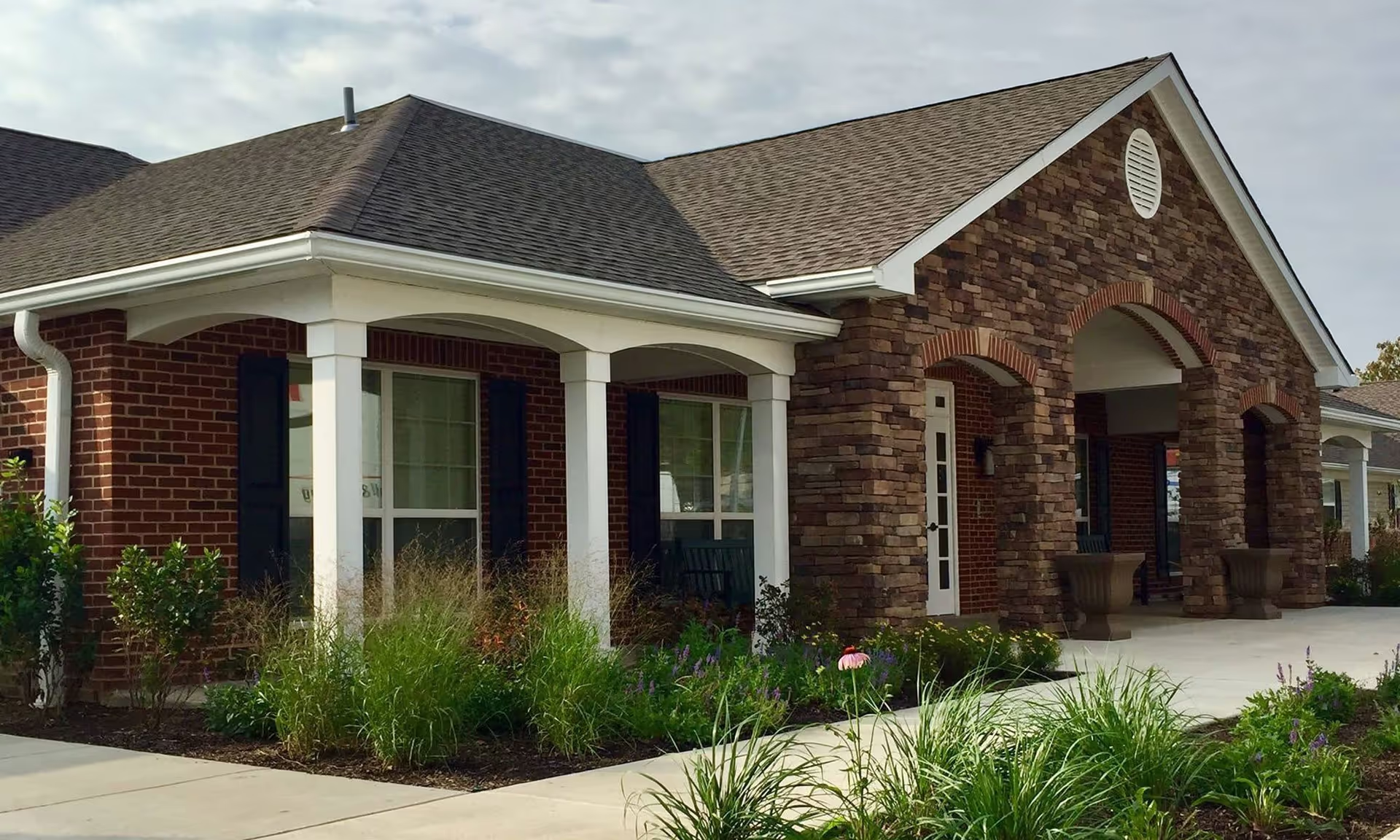
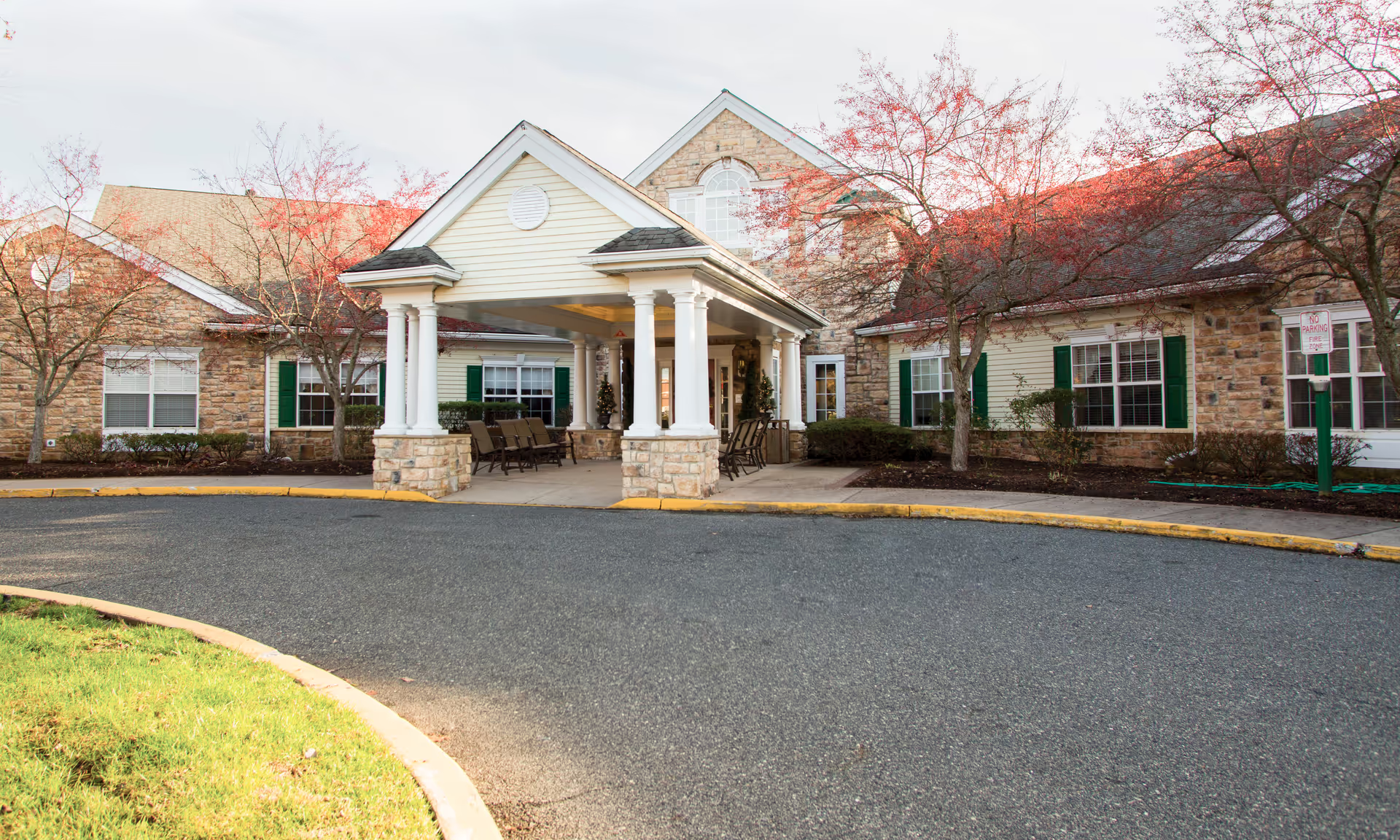
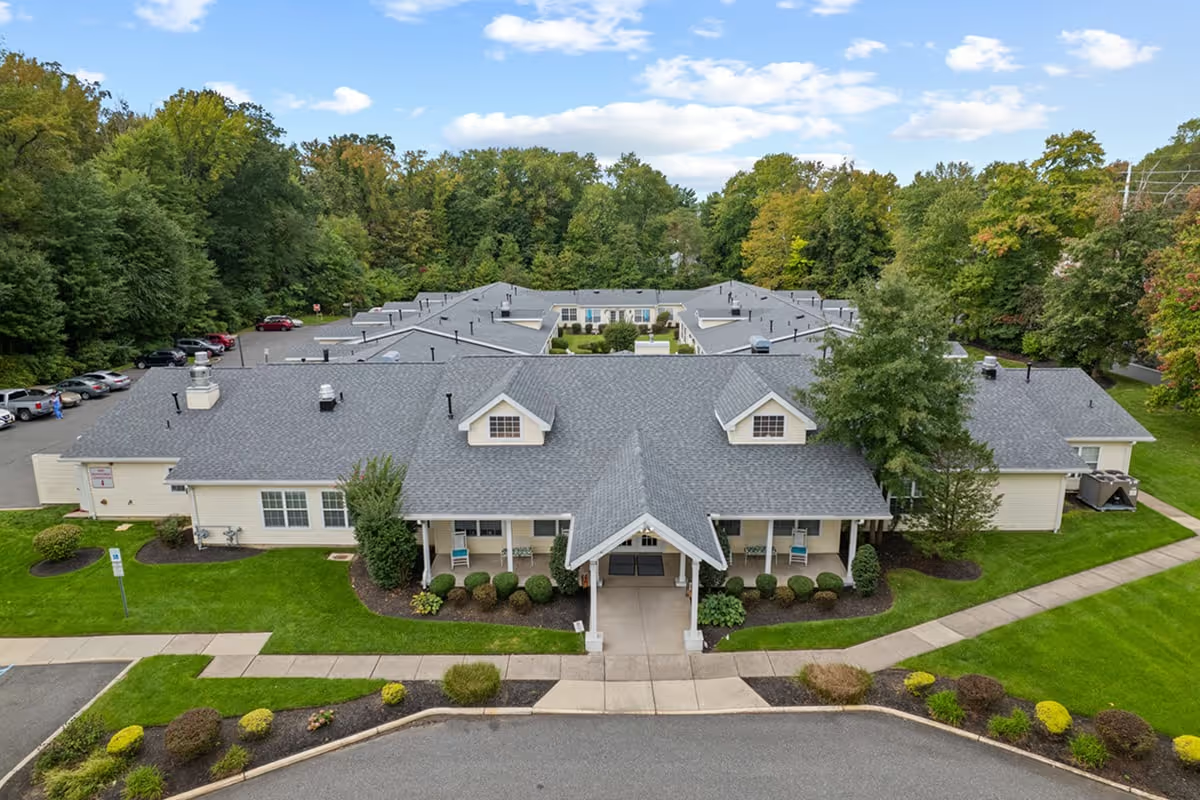
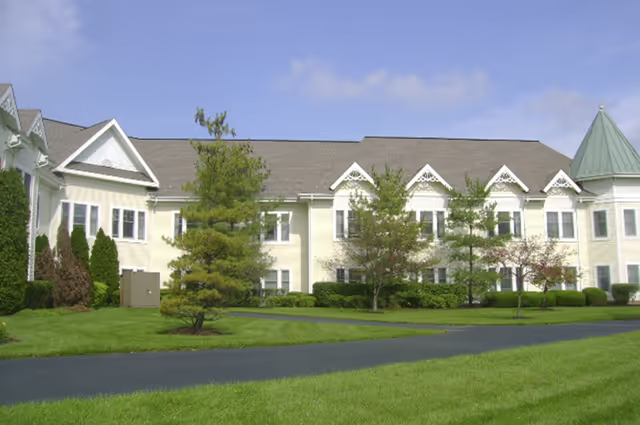
Facilities and cleanliness: Cleanliness and facility upkeep are described in mixed terms. Many reviews praise clean common areas and helpful housekeeping staff; others identify sanitation and odor concerns in some units and note that some resident rooms and furnishings appear dated and in need of refurbishment. Noise control (shared‑room TV volume) and building aesthetics are additional, lower‑level concerns.
Management and communication: Administrative responsiveness is a recurring positive when families feel heard and accommodated. Conversely, several reviews describe inadequate family notification about incidents, inconsistent incident follow‑up, and poor coordination with hospice or specialty providers. Staffing instability and accountability gaps are cited as contributing factors. There are also isolated but serious allegations concerning missing personal items and concerns following a resident's death; these items point to potential security and end‑of‑life coordination weaknesses that warrant direct inquiry.
Patterns for prospective families: If rehabilitation outcomes and active therapy are primary priorities, the facility demonstrates clear strengths. Prospective residents and families should, however, probe operational areas during tours and admissions discussions: ask about current staffing levels and turnover, medication administration protocols and handoff procedures, fall‑prevention measures, incontinence and hygiene checks, hospice coordination processes, meal menus and options for special diets, and measures the facility takes to secure personal belongings. Balancing the facility's strong therapy services and many committed staff against the documented operational weaknesses will help families make an informed decision.