The reviews for Spring Hill Rehabilitation and Nursing Center are strongly polarized. Many accounts describe a facility in transition: some families and visitors praise caring, professional staff, improving amenities, and functional rehabilitation resources; others raise substantial operational concerns that affect basic resident care and safety. Prospective families should weigh both the positive reports of staff commitment and recent improvements alongside consistent themes of service and maintenance shortfalls.
Care quality shows a mixed picture. Positive comments highlight attentive nurses and aides, effective rehabilitation when provided, and residents who appear engaged in therapy and activities. Conversely, a recurring set of concerns centers on delays in responding to residents, missed or inconsistent provision of ordered therapies, wound and dressing management inconsistencies, and medication-administration or documentation gaps. Several reviews describe serious consequences associated with these patterns, including unplanned hospital transfers and end-of-life care concerns; these accounts suggest the need to verify current clinical protocols, staffing ratios, and oversight processes before placement.
Staff behavior and staffing levels are a frequent focus. Many reviewers commend individual staff members—nurses, aides, and leaders—who are described as compassionate and communicative. At the same time, persistent comments indicate inconsistent staffing coverage, long response times to call systems, variable staff professionalism, and problems reaching or receiving call-backs from the facility. These patterns point to operational variability: while some shifts and teams function well, others appear understaffed or poorly supervised, which impacts continuity of care.
Dining and activity offerings are similarly mixed. Several reviewers note improved menu options, greater variety, and active social programming that support resident engagement. Other accounts describe inconsistent meal quality, failure to adhere to prescribed diet plans, and limited inclusion of residents in activities. Families concerned about nutrition or rehabilitation progress should ask for current menus, diet-management procedures, and activity schedules during a tour.
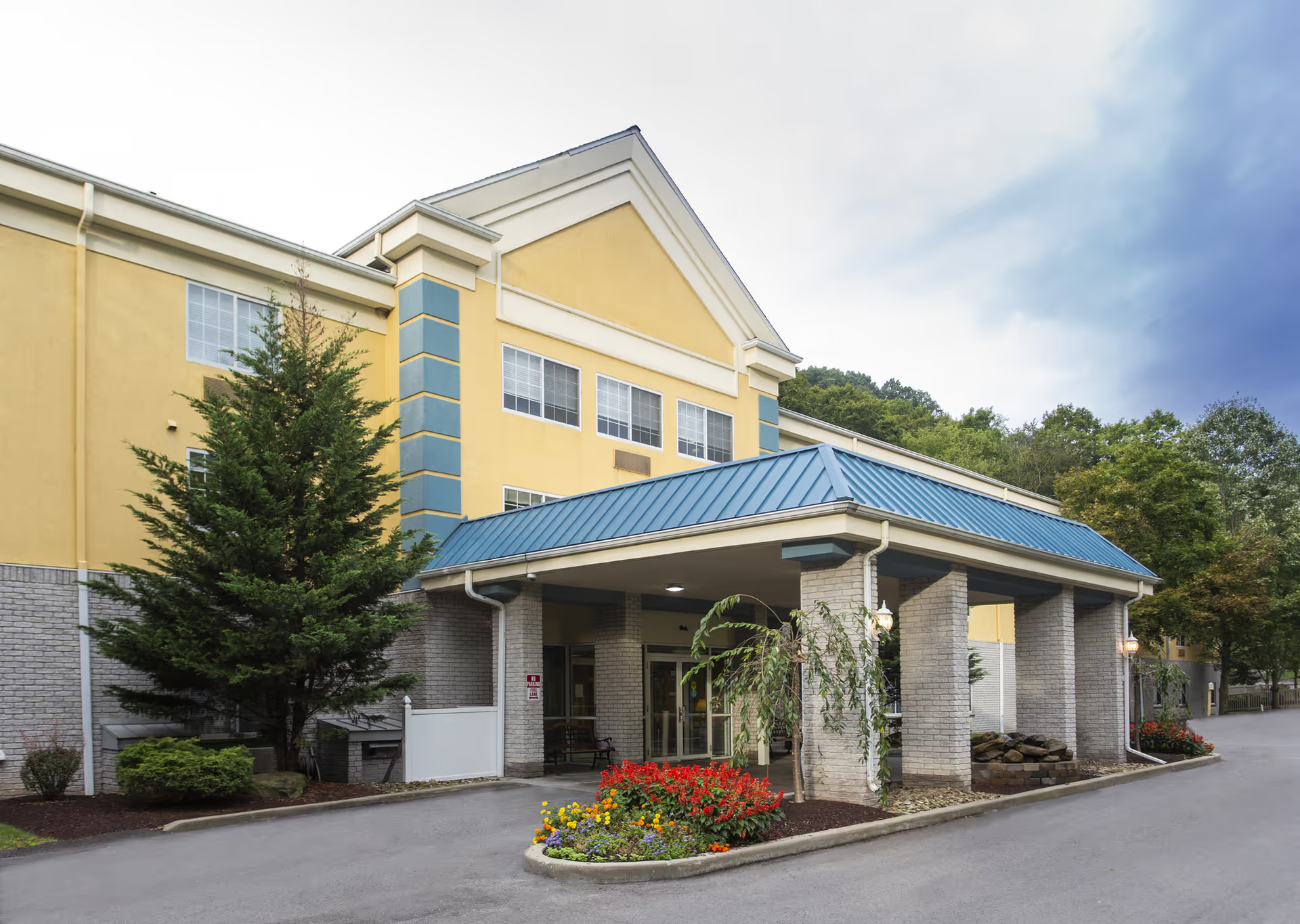
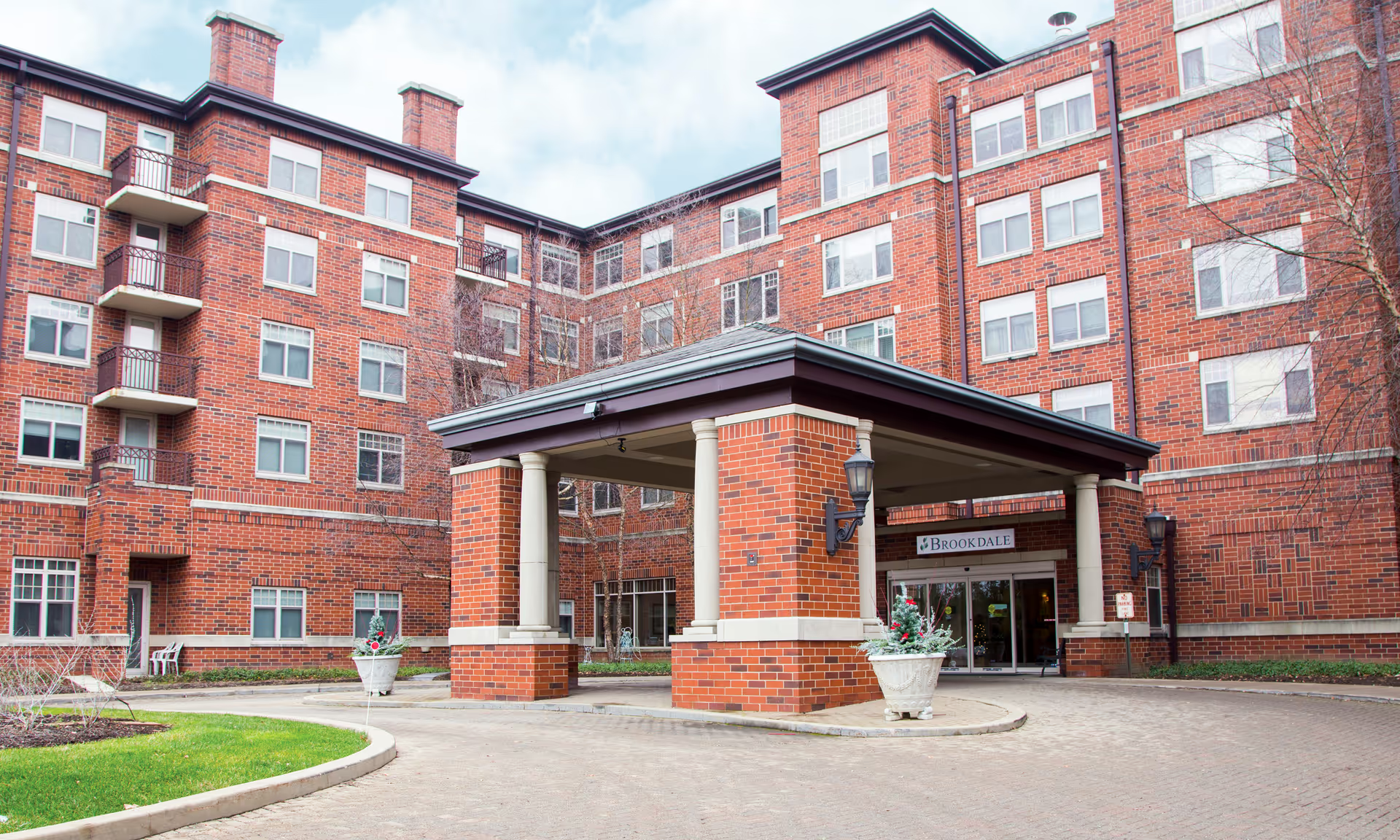
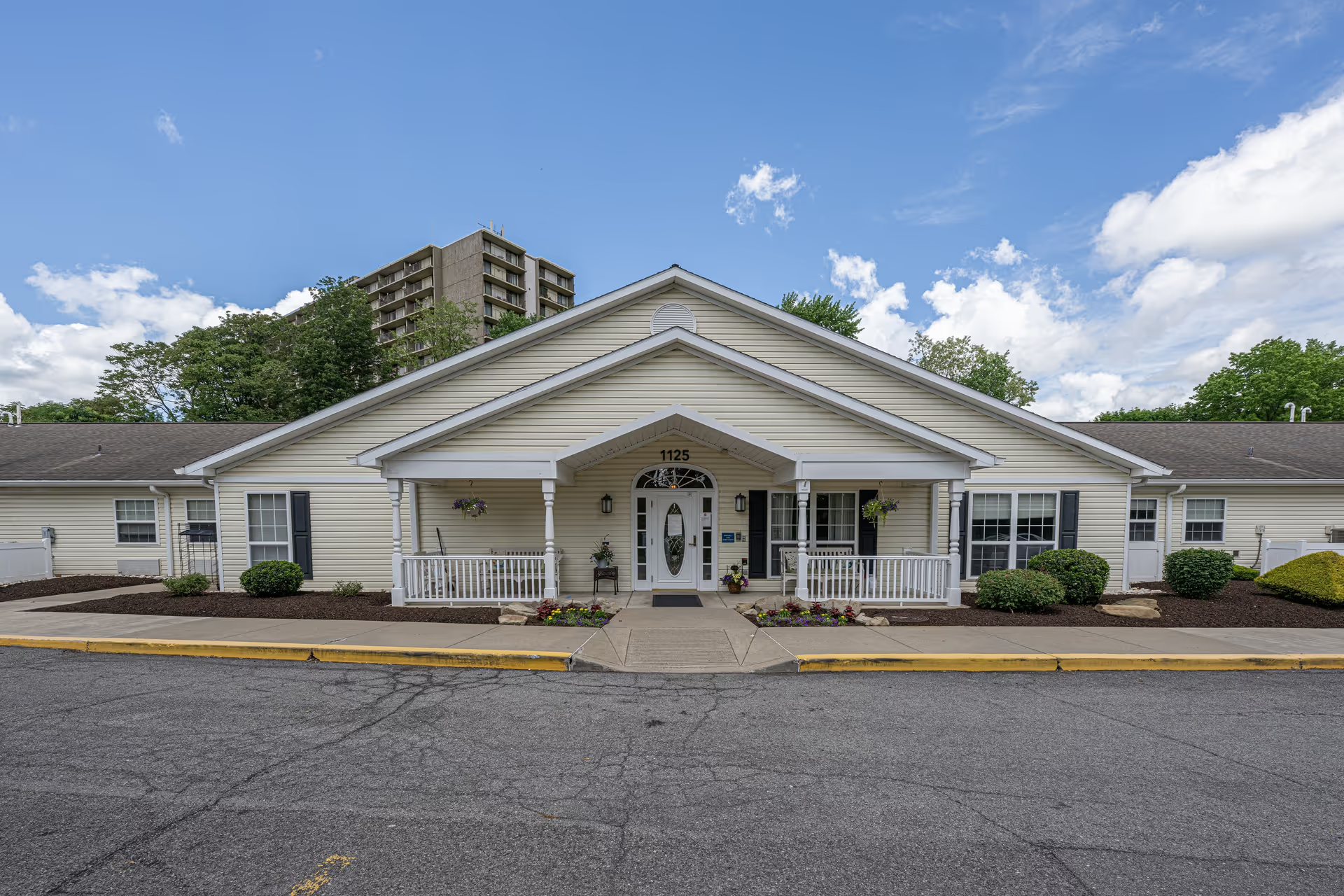
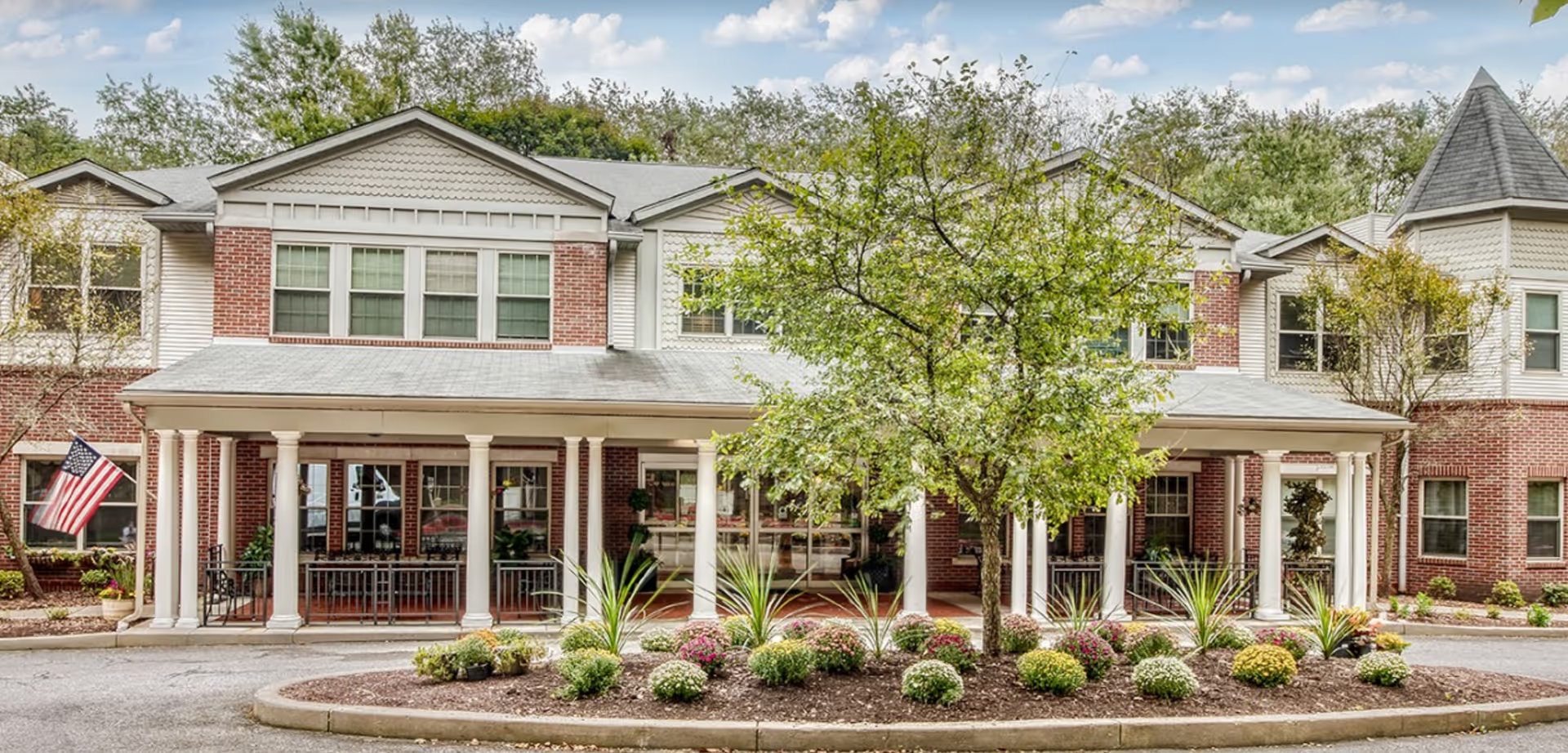
Facility condition and maintenance emerge as a clear area of divergence. Positive comments reference recent renovations, clean common areas, and maintained grounds. Negative observations describe sanitation and odor concerns in specific rooms and shared bathrooms, shortages of linens and basic supplies, broken equipment (elevators, commodes, safety rails), and delayed maintenance responses. These are operational issues that affect day-to-day comfort and safety; prospective visitors should inspect rooms, bathrooms, and circulation areas and inquire about housekeeping schedules, pest control, and preventive maintenance logs.
Management and communication present both strengths and weaknesses. Some reviews praise a responsive administration and named leaders who have driven improvements. Others describe poor responsiveness to family concerns, unanswered phone calls, and a sense that management does not consistently address recurring problems. There are also serious allegations concerning missing personal items and staff-related theft; these allegations warrant targeted questions about property-management policies, security measures, and incident reporting procedures.
Notable patterns for decision-making: there is evidence of meaningful improvement in some areas under newer leadership, but persistent operational gaps remain in staffing, timely clinical response, infection control, and maintenance. For families considering this facility, recommended due diligence includes an in-person visit at different times of day, observation of call-bell response times, review of recent state inspection reports and infection-control history, discussion of staffing ratios and on-site therapy schedules, clarification of linen and personal-item policies, and direct conversations with nursing leadership about medication management and fall-prevention protocols. These steps will help determine whether the current strengths outweigh the operational risks for a particular resident's needs.