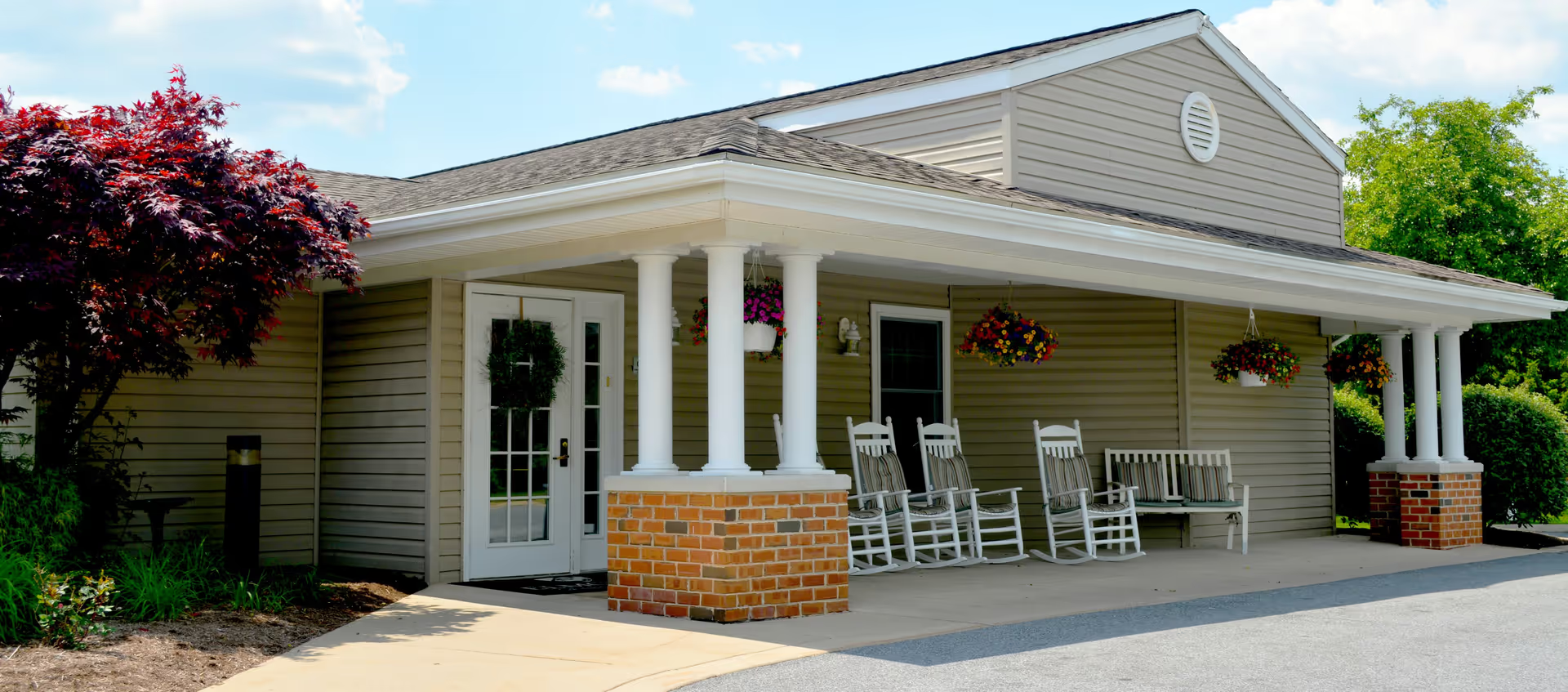
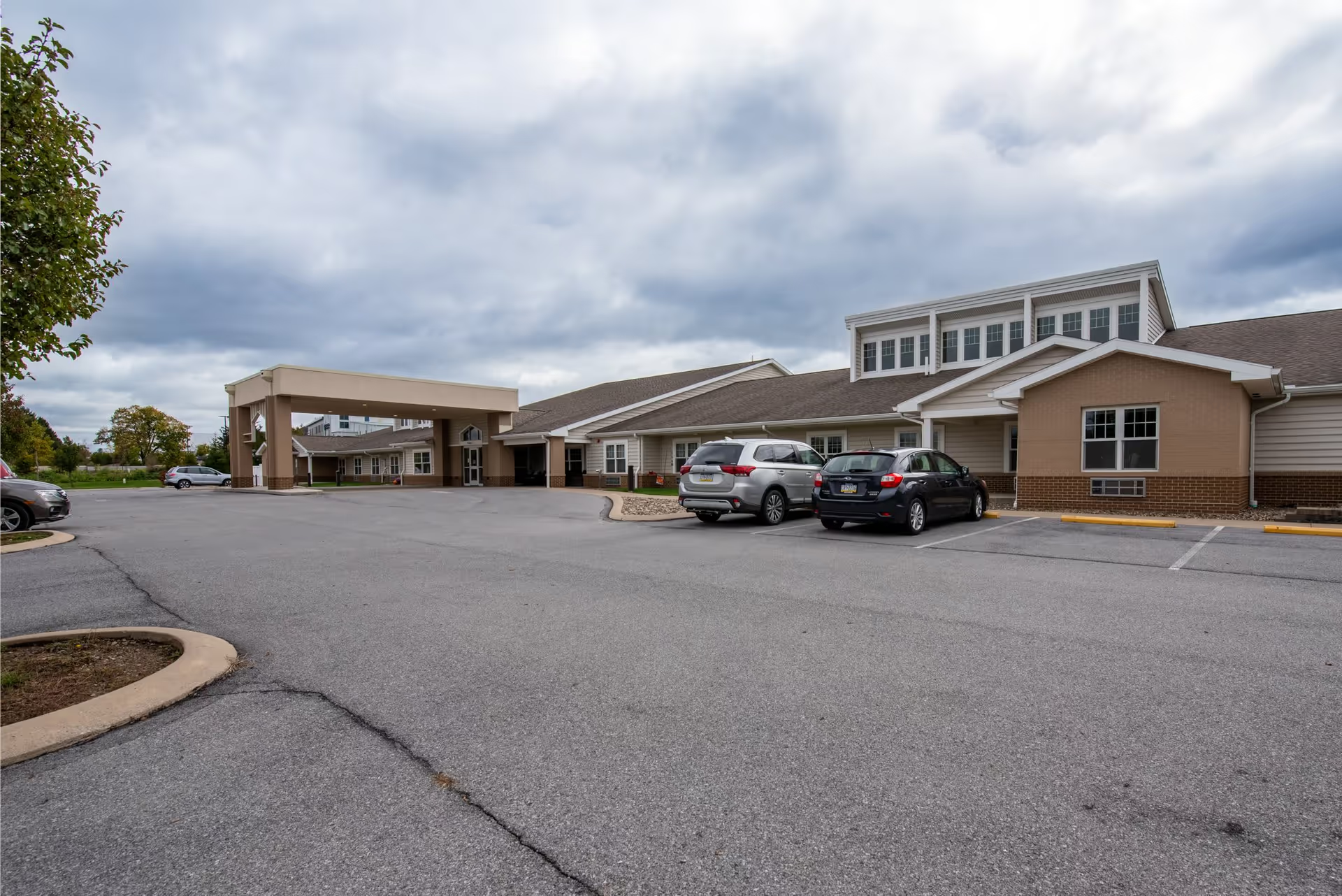
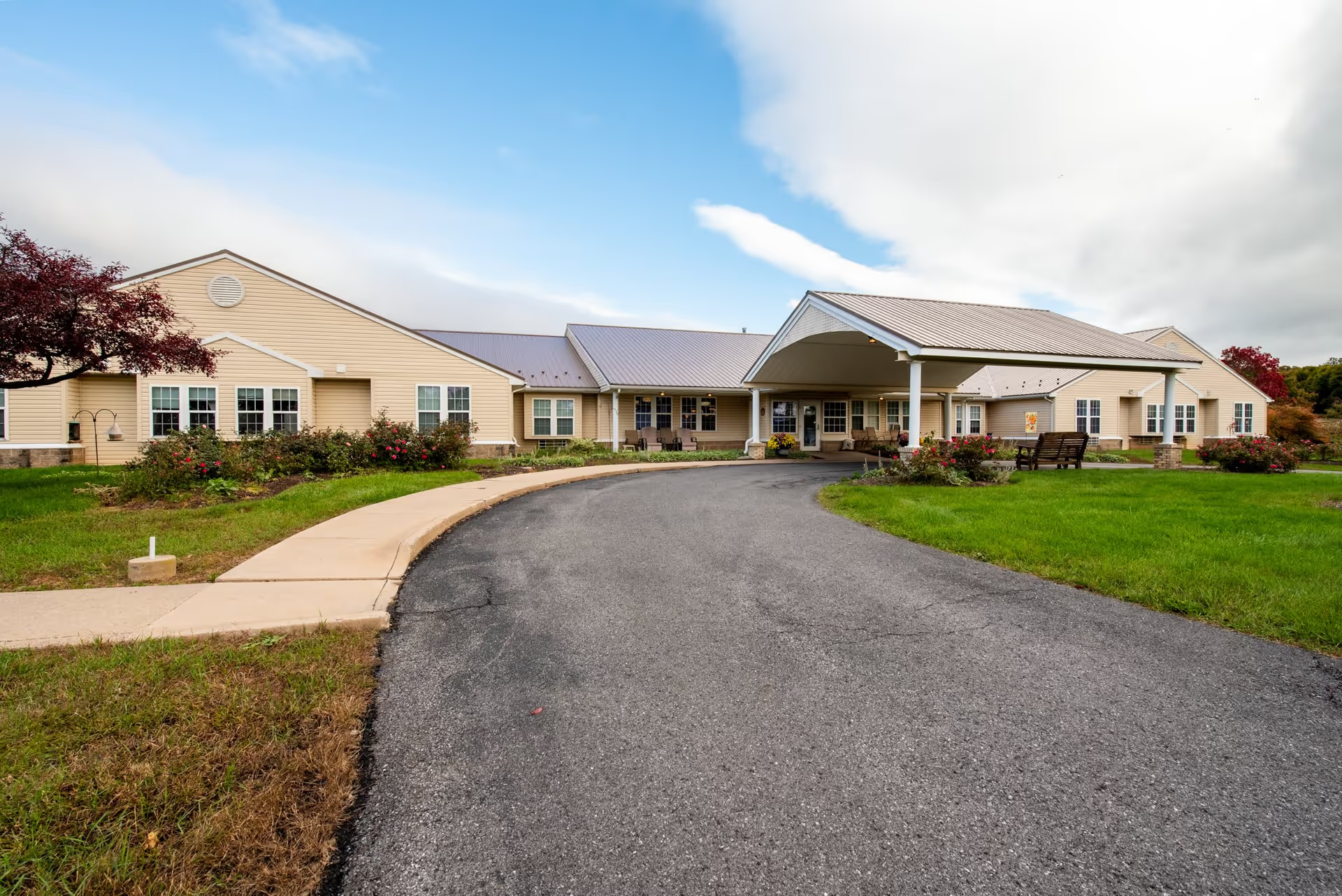
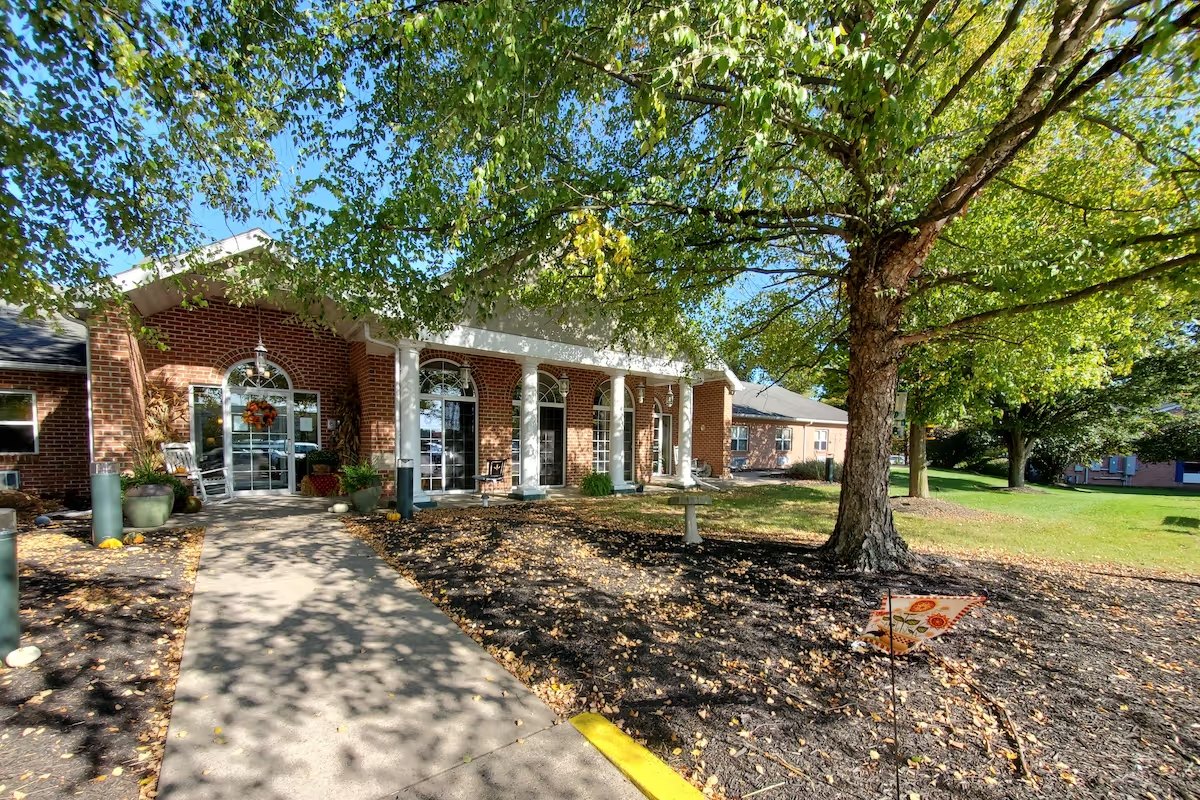
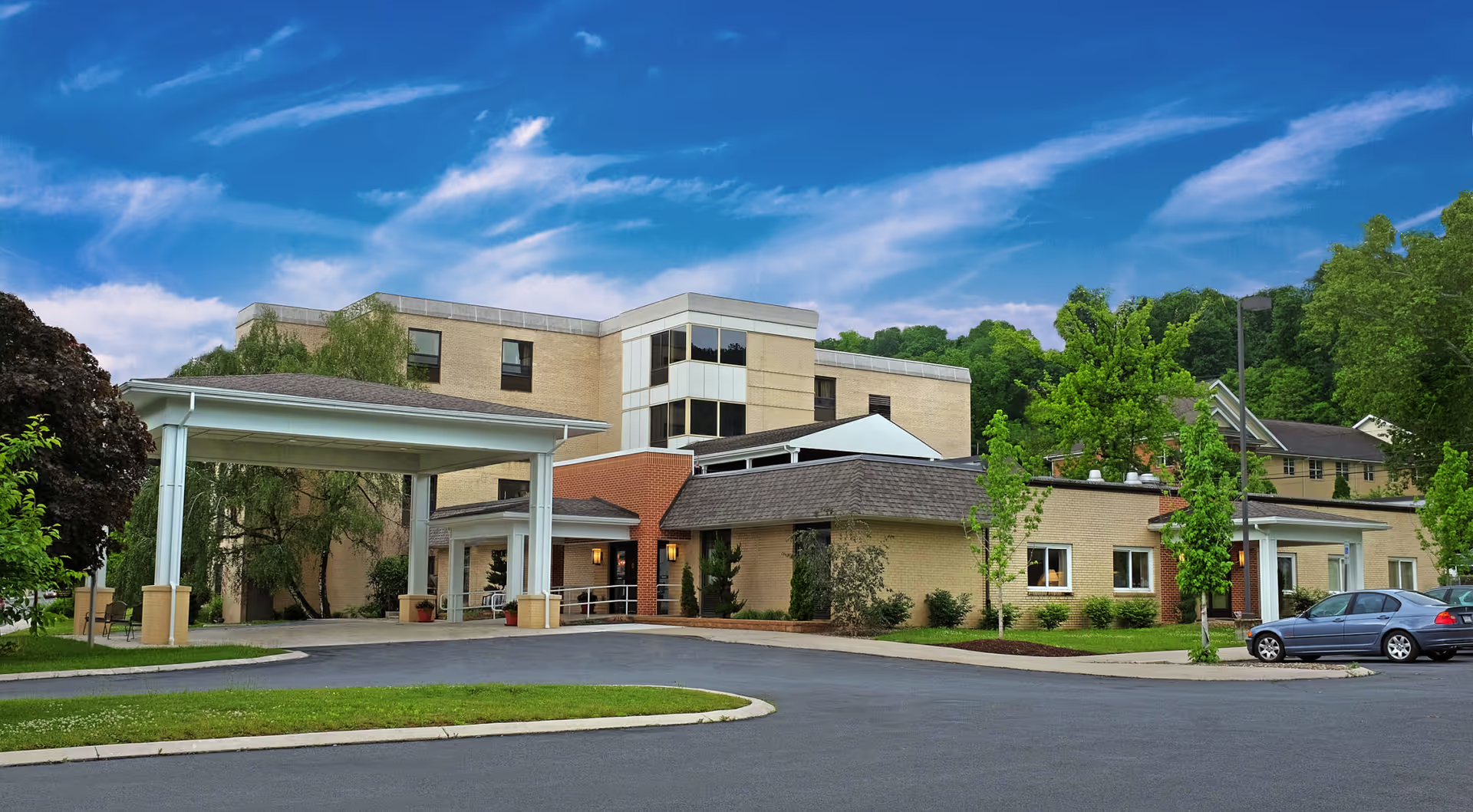
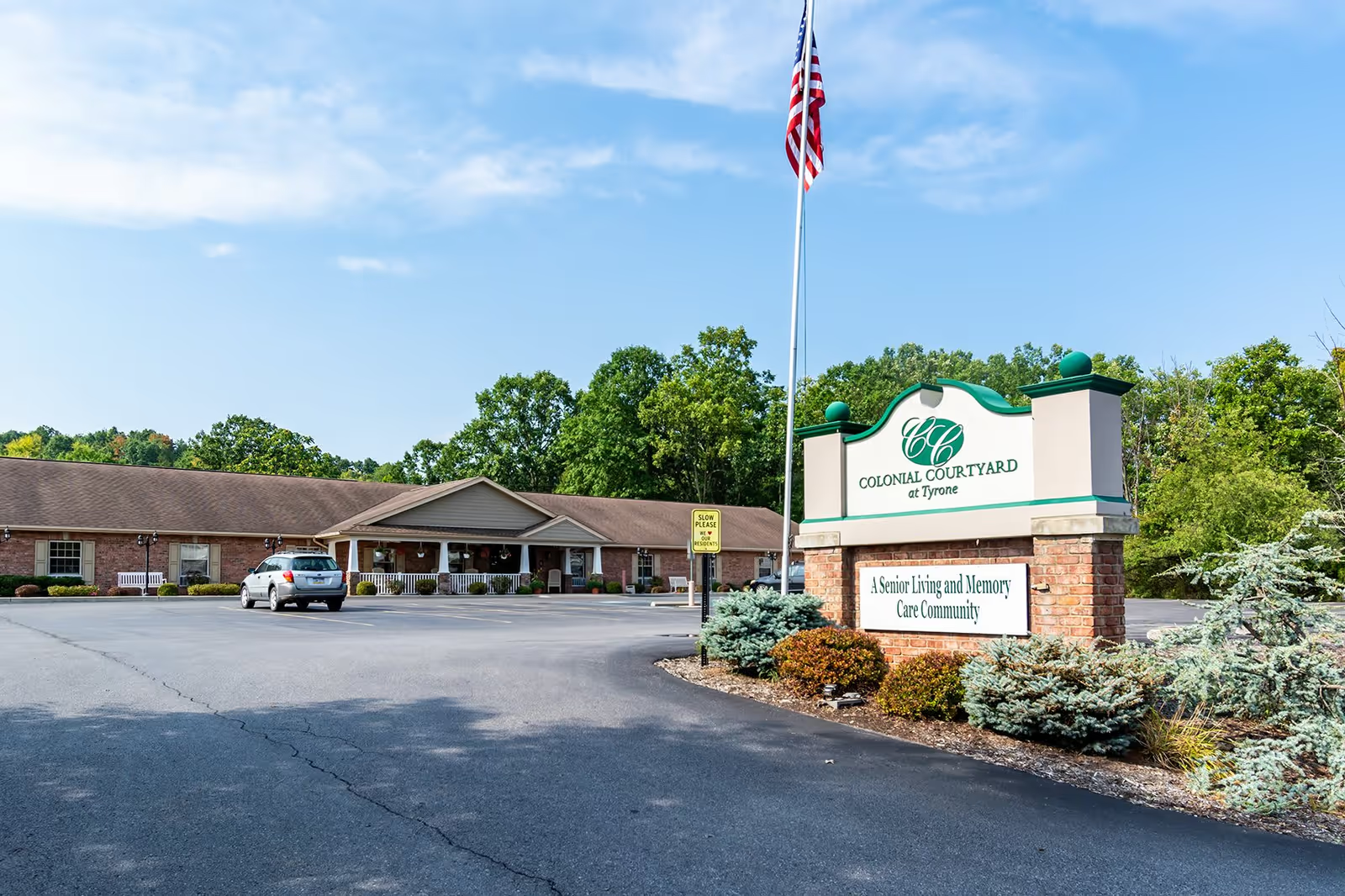
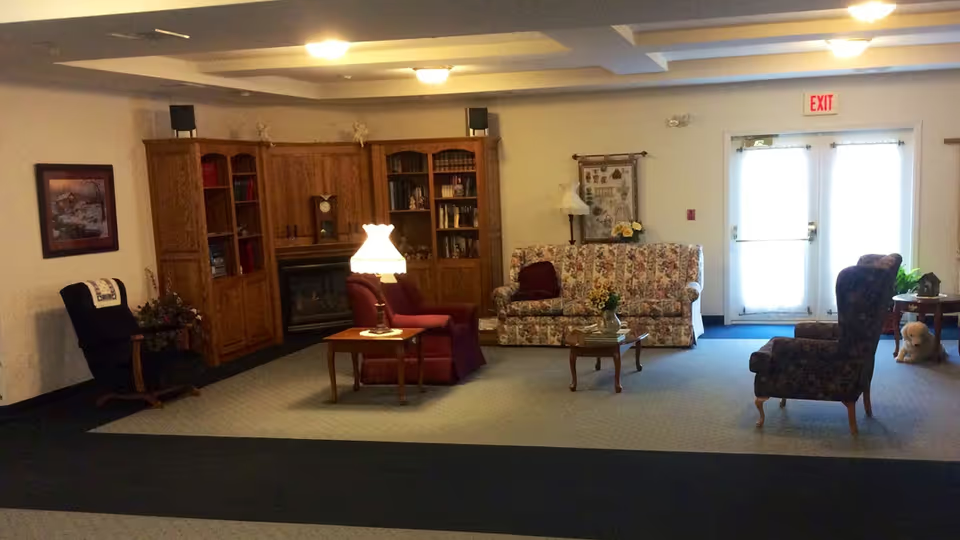
Juniper Village at Brookline Wellspring Memory Care is consistently described as a dementia-focused, small-scale memory-care community with a home-like presentation and a strong emphasis on social and cognitive engagement. Families highlight the facility's clean, well-maintained physical environment, accessible outdoor garden, and interior layout designed to support residents with memory loss. The community positions itself as a purpose-built memory-care option with external certification and on-site clinical oversight, which contributes to many families’ sense of safety and confidence.
Care and staff receive particularly positive attention. Reviewers emphasize compassionate, patient caregivers who deliver individualized attention and prompt responses; families commonly characterize staff as well trained in dementia care and attentive to day-to-day needs. Administrative and nursing personnel are described as knowledgeable and helpful, and the presence of a physician assistant for medical supervision is noted as a practical strength. The facility’s staffing levels and engaged employees support frequent one-on-one contact and assistance with feeding or other hands-on needs when required.
Activities and dining are recurring strengths. The community offers a broad, structured activity calendar with an emphasis on music, group singing, themed events (Mother’s Day, Father’s Day), and sensory/cognitive programs such as balloon volleyball, word games, and reading-aloud sessions. Staff-organized outings and community connections bring residents into local cultural opportunities. Dining is described as restaurant-quality, with private dining options and a two-room dining arrangement matched to resident ability; reviewers also note pleasant common areas and small-group social opportunities.
Facility management and operations are characterized as organized and resident-centered. Reviewers cite rapid staff responsiveness, prideful and welcoming staff, and proactive event coordination that links residents with arts and community partners. The facility accommodates both short-term respite stays and long-term residency. Notable patterns to weigh: some families find the community’s faith-based programming prominent enough to be uncomfortable if they do not share that orientation, private room sizes are described as smaller relative to cost, and the resident mix appears skewed toward higher-acuity or more advanced-age individuals, which may affect fit for families seeking a lower-acuity environment. Overall, the balance of feedback indicates a well-run, engaging memory-care setting with strong staff engagement and programming, tempered by a few operational traits families should consider when evaluating fit.