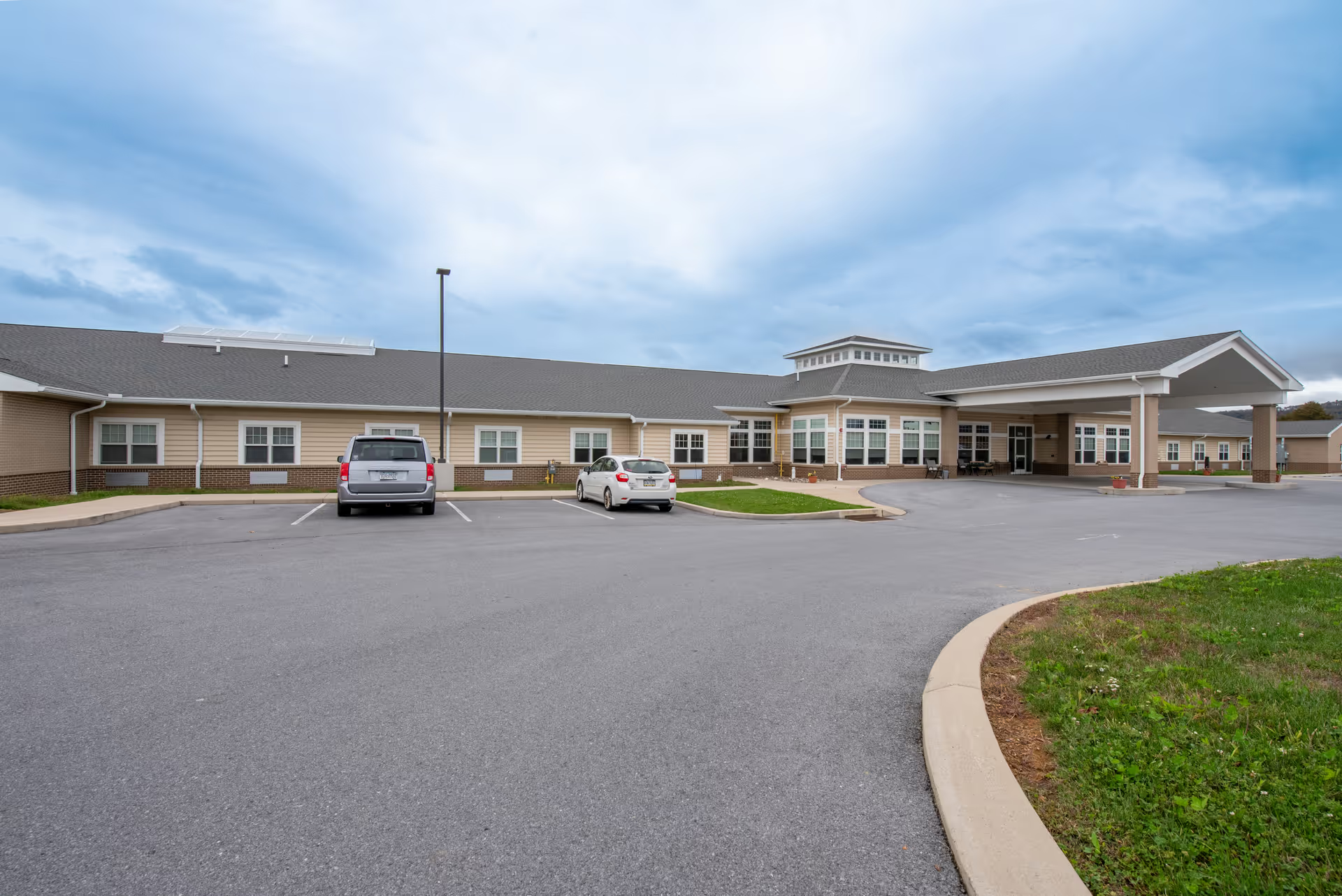
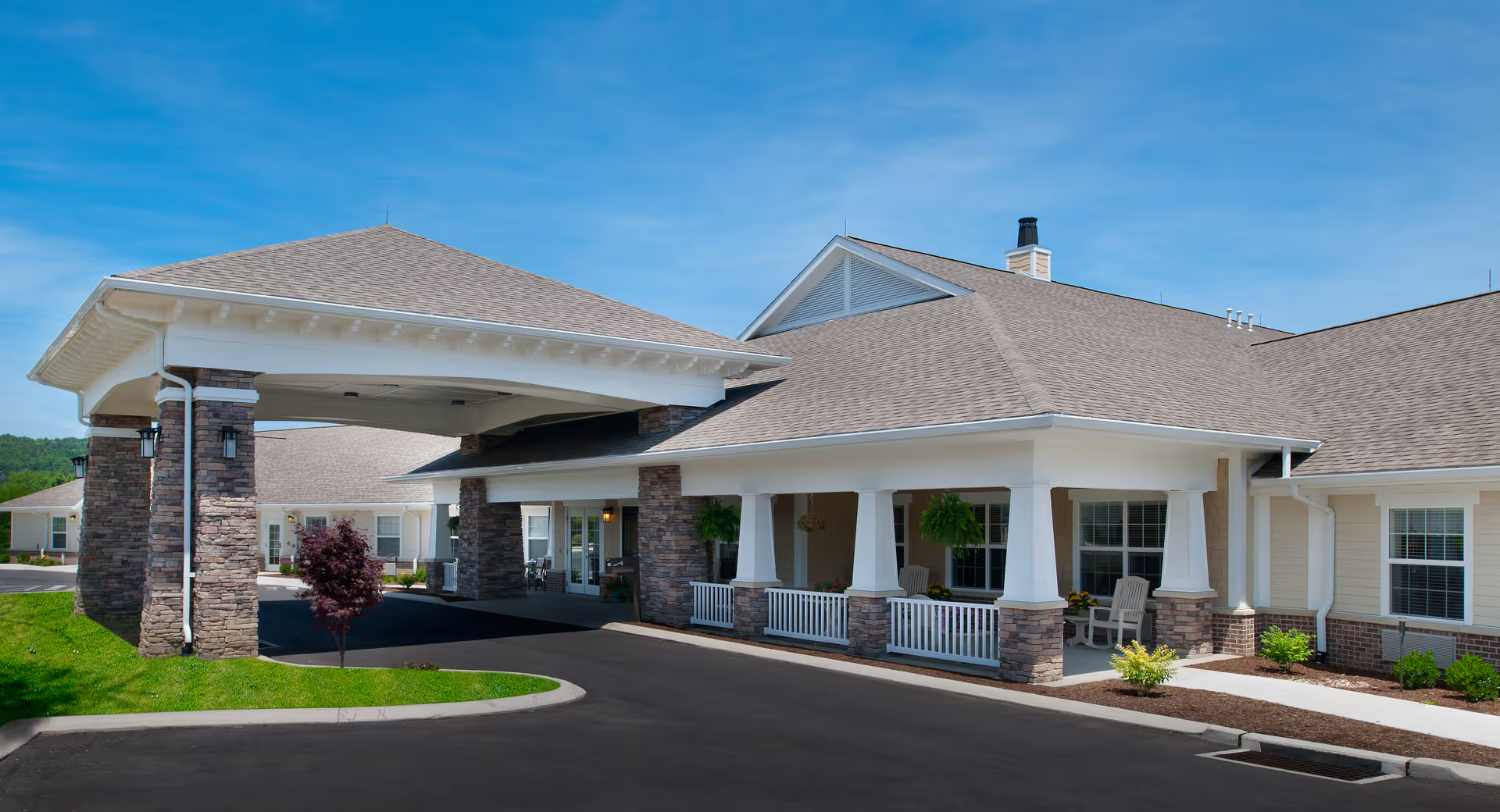
Overall impression: The reviews for Cedarwood Rehabilitation and Healthcare Center are highly polarized. A substantial portion of families and short-stay patients describe a compassionate, attentive workforce, effective therapy programs, and a clean, well-maintained environment. Conversely, a set of reviews raise significant operational and safety concerns that center on staffing consistency, timeliness of care, and communication. Prospective families should expect strengths in direct caregiving and facility cleanliness, but also be prepared to ask detailed operational questions during a tour.
Care quality and clinical operations: Many reviewers praised individual clinicians and CNAs for compassionate, person-centered care and effective rehabilitation outcomes, particularly for short-term stays. At the same time, a pattern of delays (call-button response times, late medication administration, and inconsistent bathing schedules) appears in multiple accounts. Specific clinical-process gaps noted include medication cart controls and timely dosing, catheter-management practices that elevate infection risk, and occasional equipment maintenance shortfalls. These indicate variability in day-to-day clinical execution despite pockets of strong caregiving.
Staff and management: Staff are frequently described as warm, dedicated, and responsive—names and roles were singled out positively in multiple comments. Several reviewers credited recent leadership changes with improvements. However, chronic or episodic understaffing and reliance on temporary agency staff are recurring themes; these staffing patterns are linked in reviews to slower response times, missed follow-through on tasks, and inconsistent resident supervision. A minority of comments raise concerns about staff conduct and resident dignity that families should probe further. There are also a few allegations about administrative handling of online reviews and transparency that may warrant direct conversation with management.
Dining and activities: Meal service receives mixed feedback. Some families find the dining adequate and note improvements over time, while others describe variable meal quality, cold or delayed trays, and disorganized service. Therapy and activity programming are commonly cited as a positive feature—reviewers mention engaging social activities and effective rehabilitation teams that support recovery goals.
Facilities and safety: Housekeeping and facility maintenance receive consistently positive remarks; common areas and rooms are often described as clean and odor-free. At the same time, reviewers reported episodic safety and coordination problems — examples include sharps-handling and catheter management concerns, transportation routing errors, broken equipment, and roommate/noise-management issues. These are operational areas to address when assessing risk and daily comfort.
Notable patterns and guidance: The overall pattern is one of contrast: strong individual caregivers, good therapy outcomes, and solid housekeeping coexist with operational weaknesses tied to staffing consistency, medication and hygiene processes, meal-service reliability, and communication. When evaluating Cedarwood, families should tour the specific unit they are considering, ask about current staffing ratios and agency staff use, review medication-administration and catheter-care protocols, observe meal service timing, and request examples of incident reporting and leadership responsiveness. Doing so will help determine whether the facility’s strengths align with a prospective resident’s needs and whether management has addressed the operational gaps highlighted in reviews.