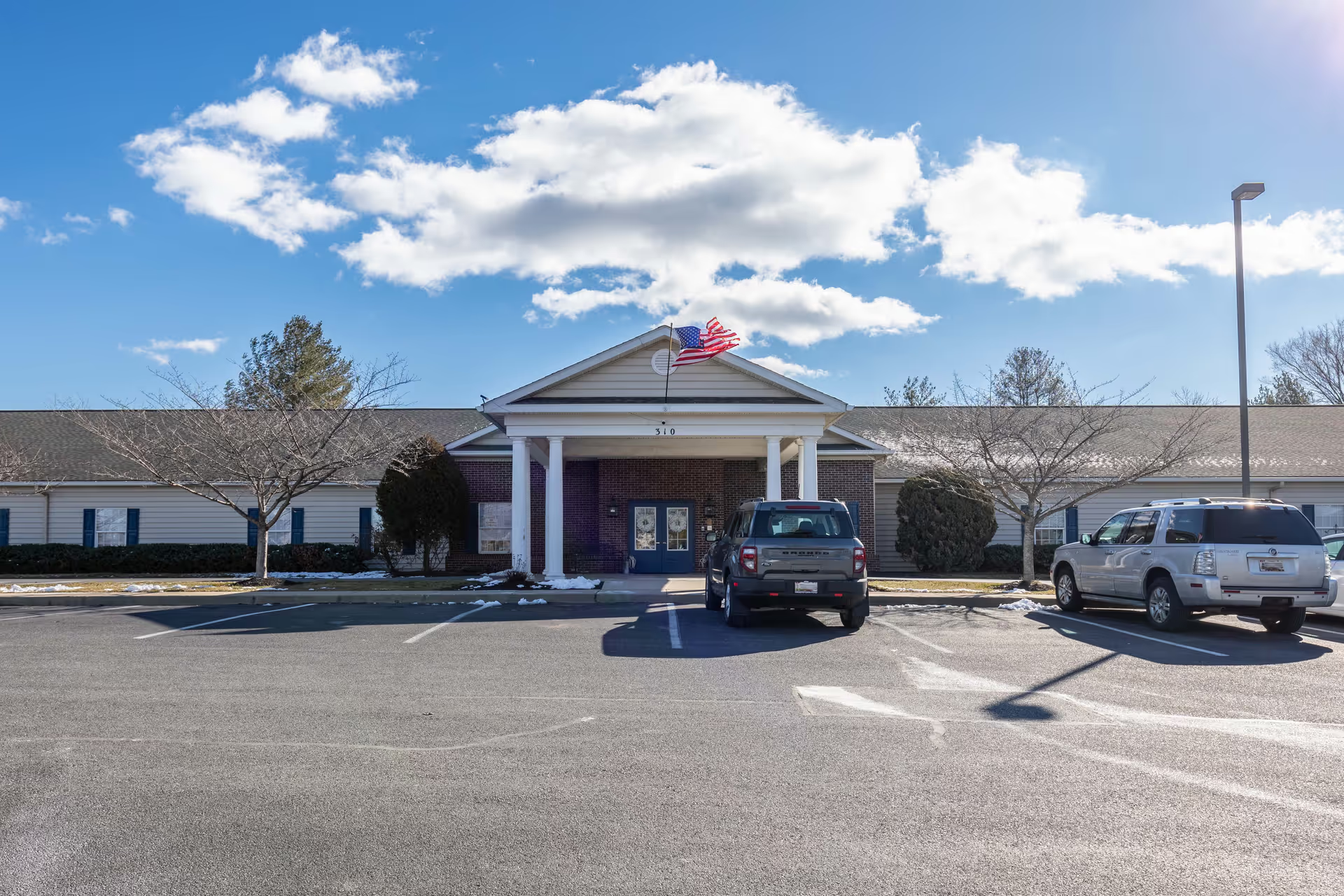
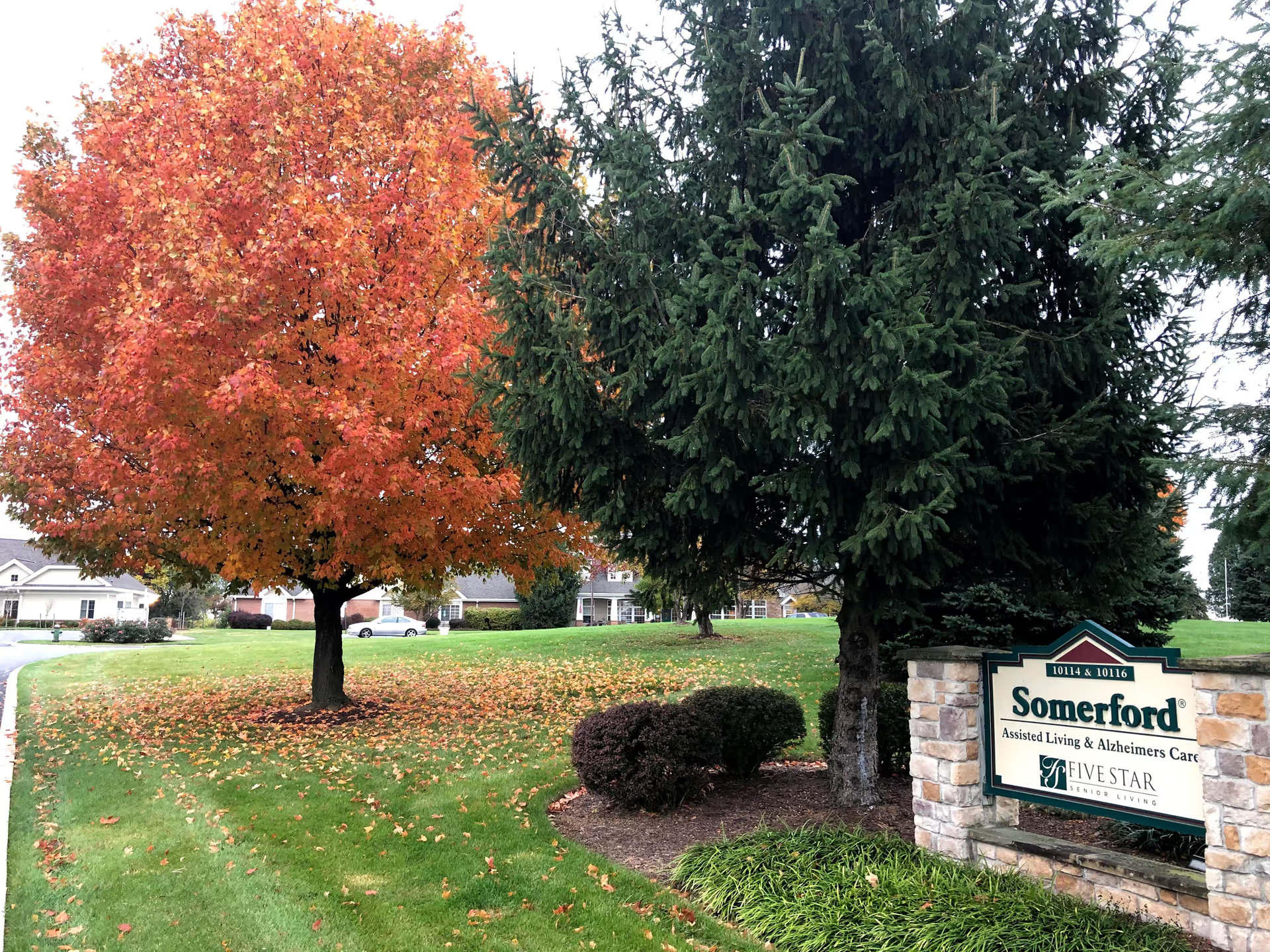
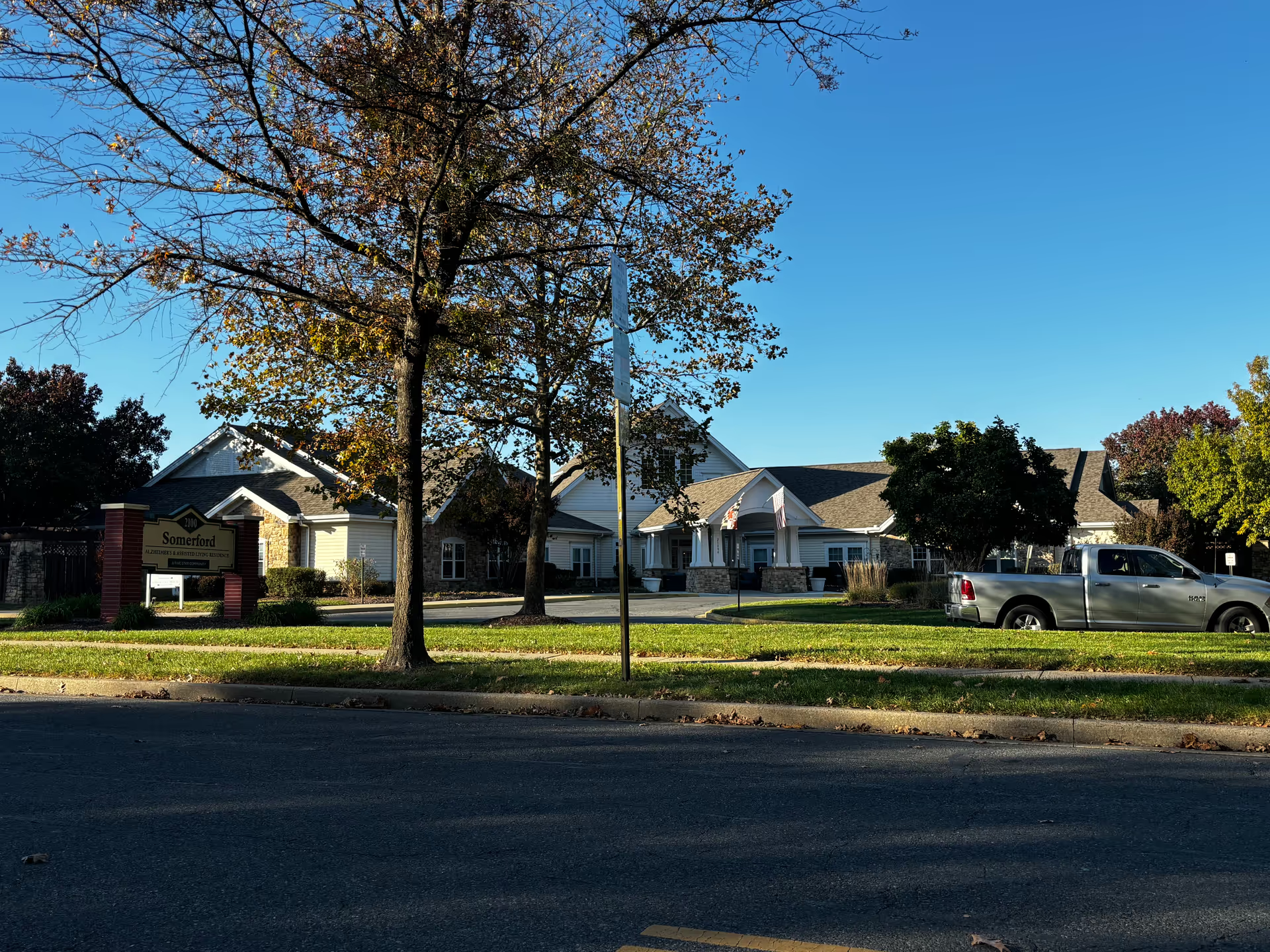
Quincy Village is described across reviews as a campus‑style senior living community with attractive, well‑maintained grounds and a variety of housing options, including spacious cottages and multiple apartment layouts. Many reviewers highlight the quality of the physical environment: remodeled assisted living and rehabilitation rooms, a clean interior, fitness and computer rooms, a hairdresser, and pleasant outdoor spaces. The site’s rural, scenic setting appeals to residents seeking a quieter lifestyle and opportunities for outdoor views and low‑traffic surroundings.
Care quality and staff interactions are described in mixed terms. A substantial number of comments praise attentive, caring, and long‑tenured staff, citing timely responses, engaged nursing and physician care, and staff who foster a welcoming atmosphere. These accounts emphasize good hygiene support, respectful interpersonal interactions, and a sense of safety among long‑term residents. However, other accounts point to operational weaknesses: inconsistent staffing levels that can lead to delays in attending to residents, variability in administrative professionalism and communication, and episodic gaps in medication management. Together these suggest that day‑to‑day care experience can depend on staffing and shift coverage; prospective residents should evaluate current staffing patterns and handovers during a visit.
Dining and clinical services show both strengths and areas for attention. The facility offers a wide range of dining modalities (dine‑in, delivery, carry‑out, grab‑and‑go), and many reviewers are satisfied with meal quality and options. At the same time, there are isolated reports of meal‑ and hydration‑service interruptions and inconsistencies in personal‑care scheduling (for example, missed or delayed bathing or showering). Therapy and rehabilitation are available on site, but several comments describe coordination issues such as equipment availability and department organization, indicating room for improved logistics and communication between therapy, nursing, and families.
Activities and amenities are widely cited as a company strength. Reviewers describe a broad slate of resident‑driven and staff‑led programs—bingo, crafts, chorus, concerts, outings, and fitness classes—which contribute to social engagement and perceived quality of life. Internal transportation and campus trips support resident mobility within the community, though the facility’s rural location limits access without a personal vehicle, which may be a consideration for frequent visitors or those who rely on public transit.
Management and culture receive mixed feedback. Individual staff members and community managers are often described as knowledgeable and responsive problem‑solvers, while other comments raise concerns about variability in administrative tone and follow‑through. Some reviewers expressed concerns about cultural and religious sensitivity; others appreciated the non‑pressuring religious atmosphere. Taken together, these remarks point to inconsistent experiences with leadership and communication that prospective families should clarify during touring and contracting.
Overall, Quincy Village offers a well‑maintained, activity‑rich environment that many residents and families find supportive and pleasant. Key patterns to verify in person are current staffing stability, medication and therapy coordination processes, consistency of personal‑care schedules, and management communication practices. A thoughtful tour that includes meeting nursing leadership, observing a medication pass or therapy session, reviewing staffing ratios, and sampling dining and activity programming will help determine whether the facility’s strengths align with an individual’s care and access needs.