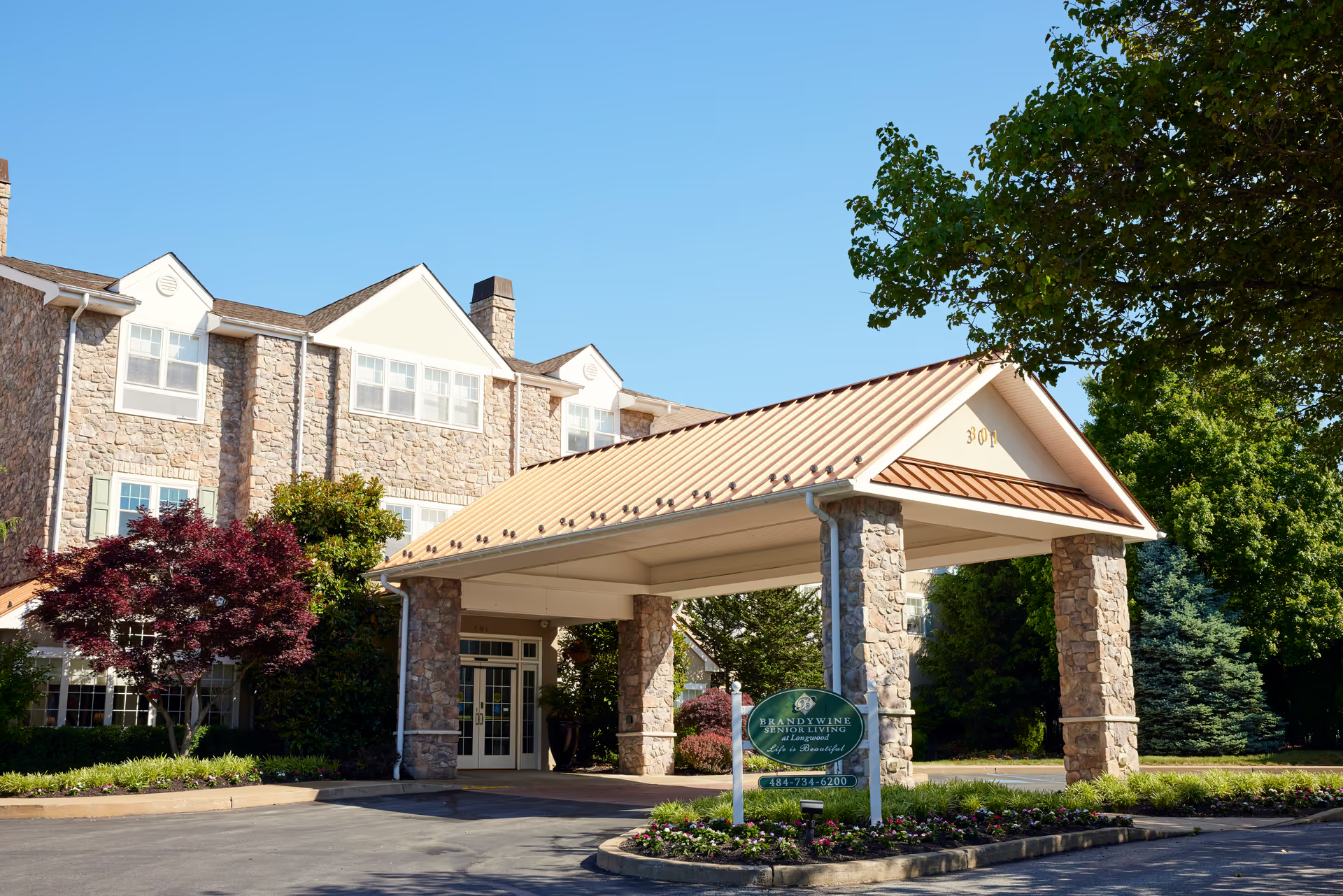
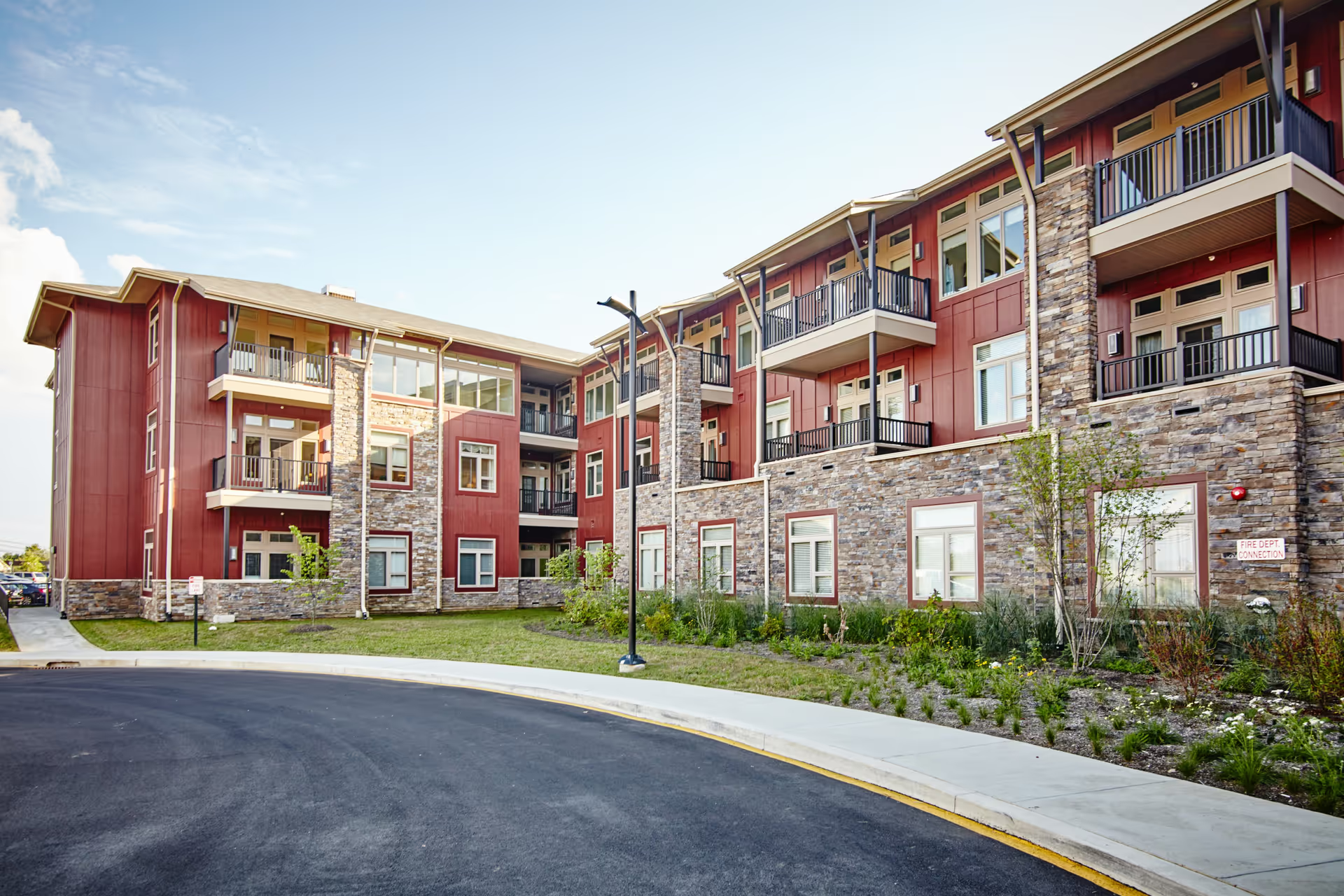
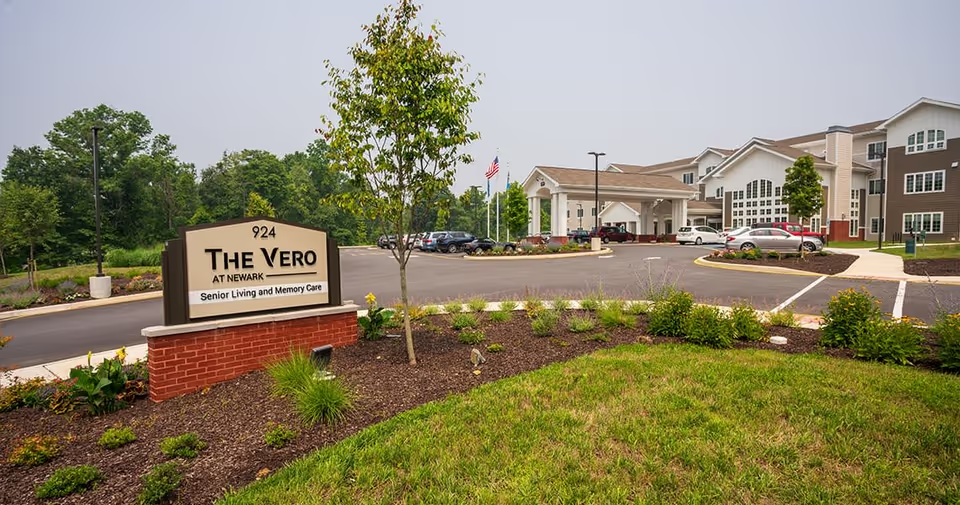
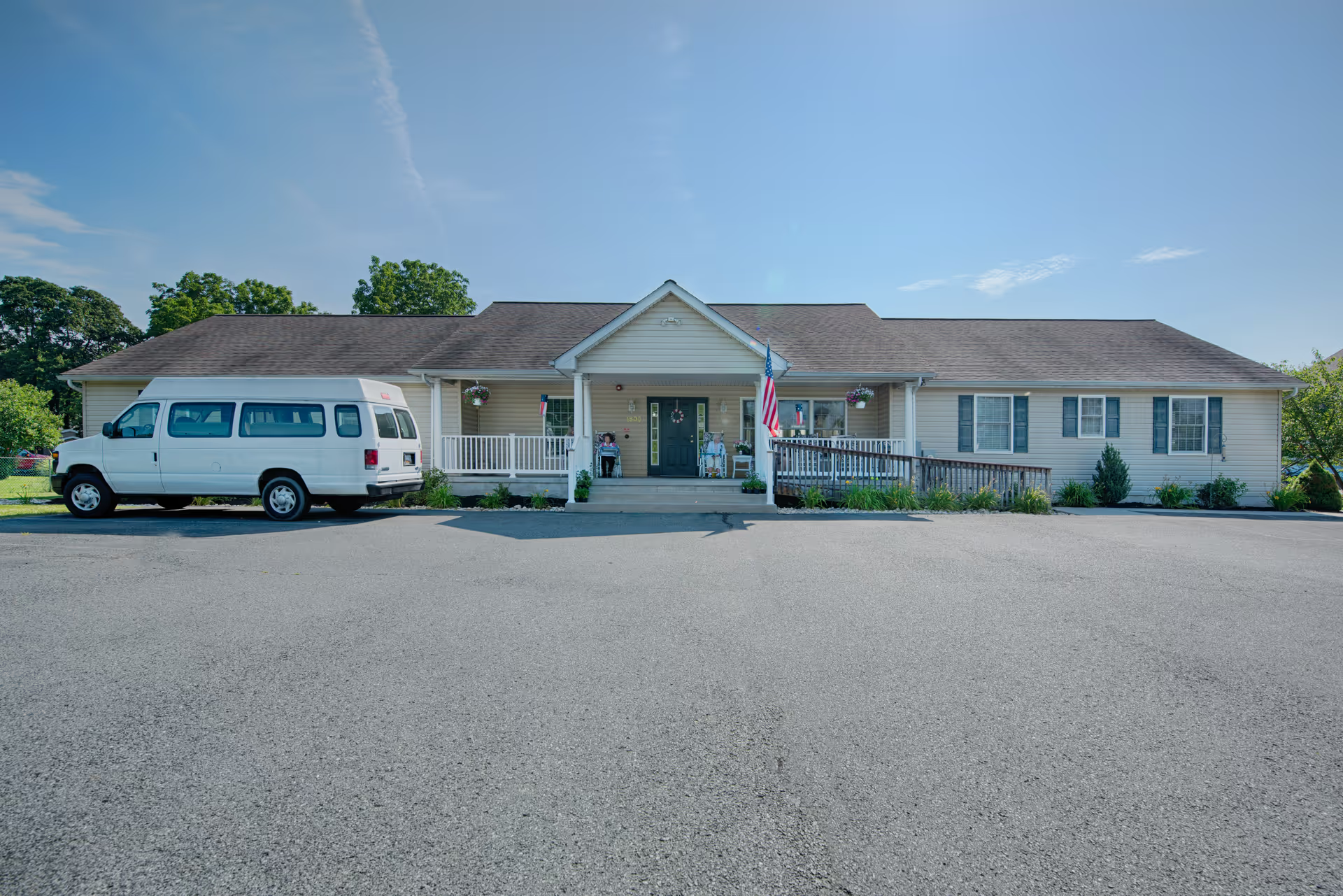
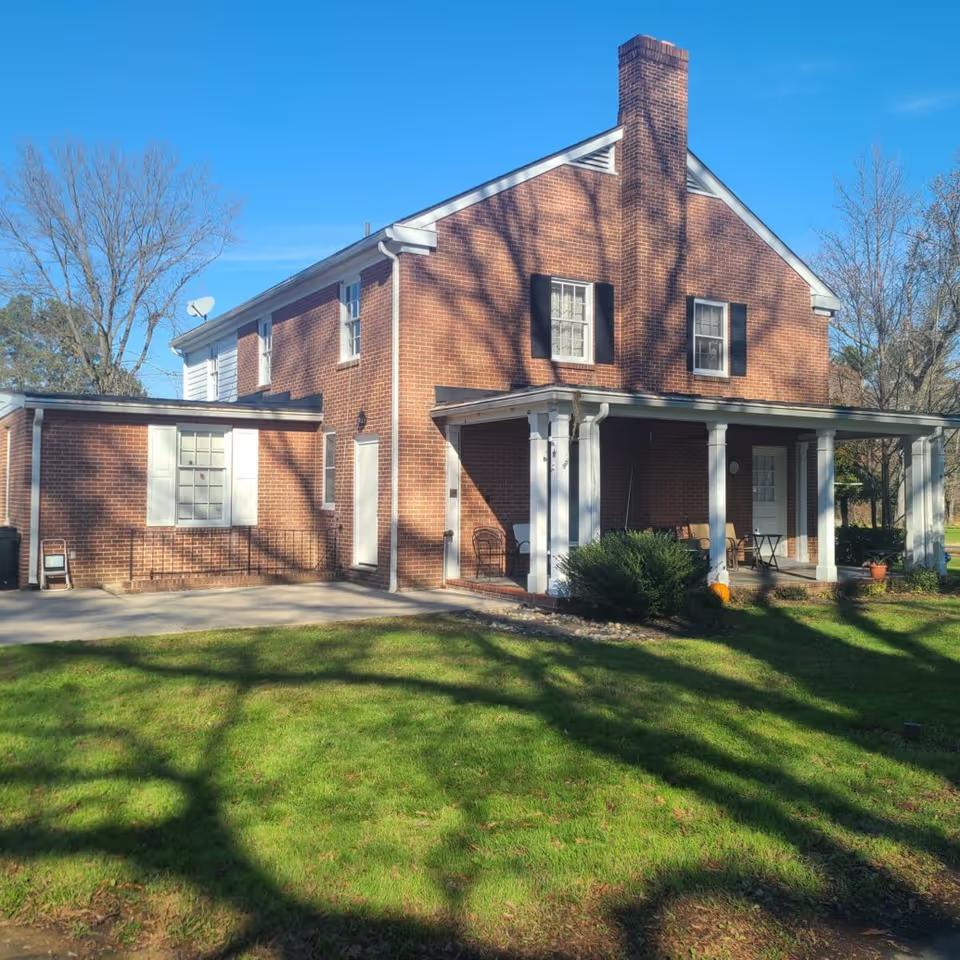
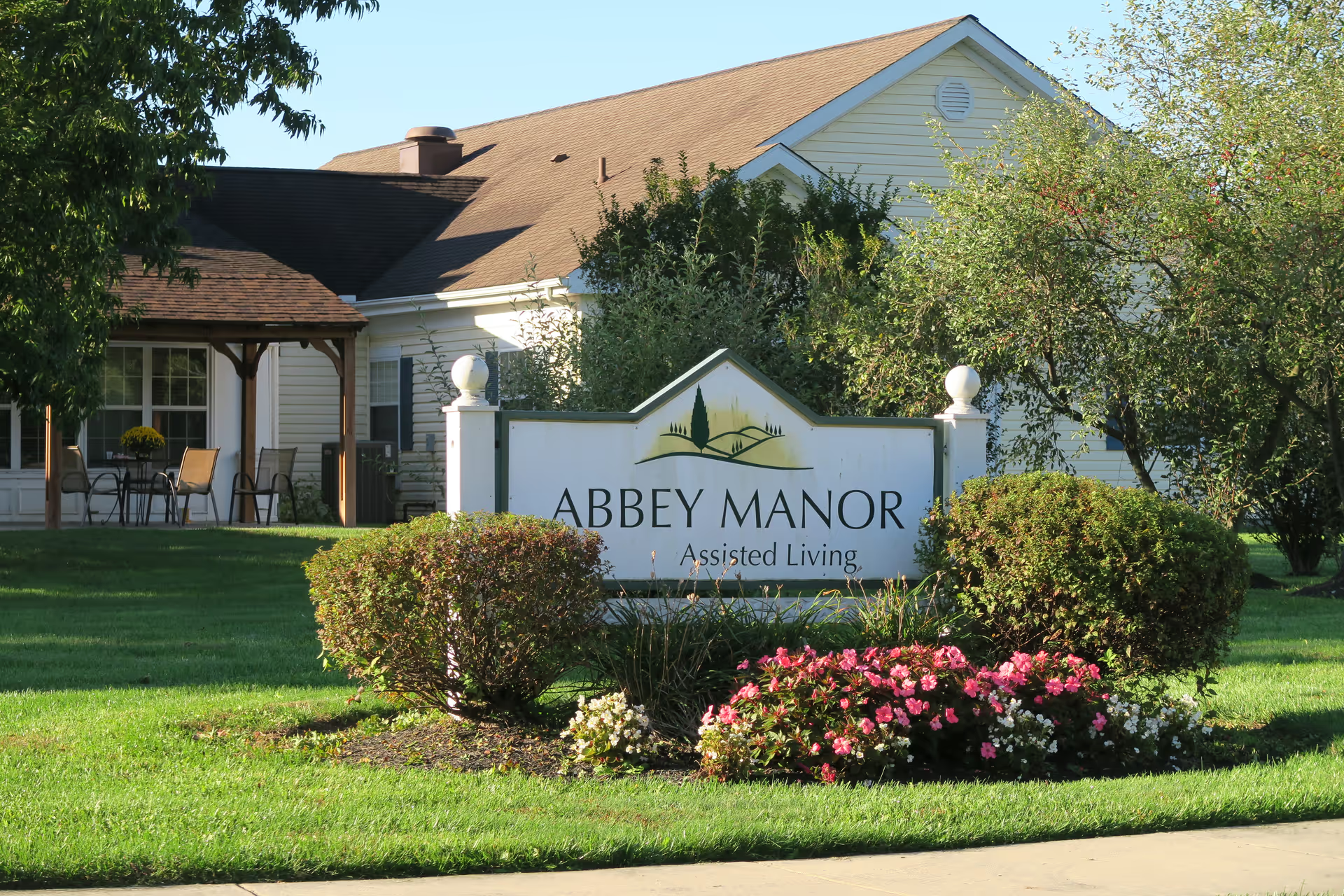
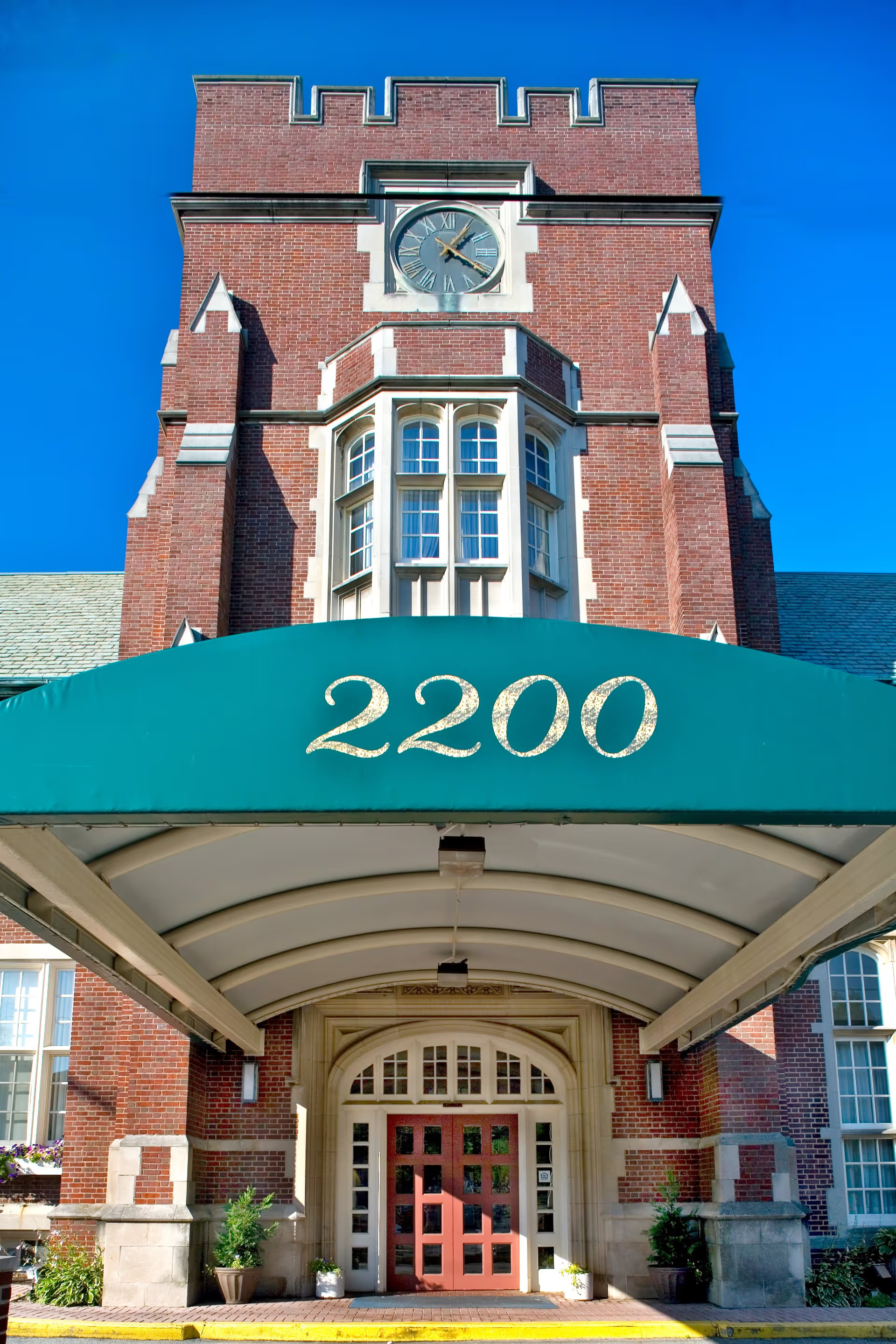
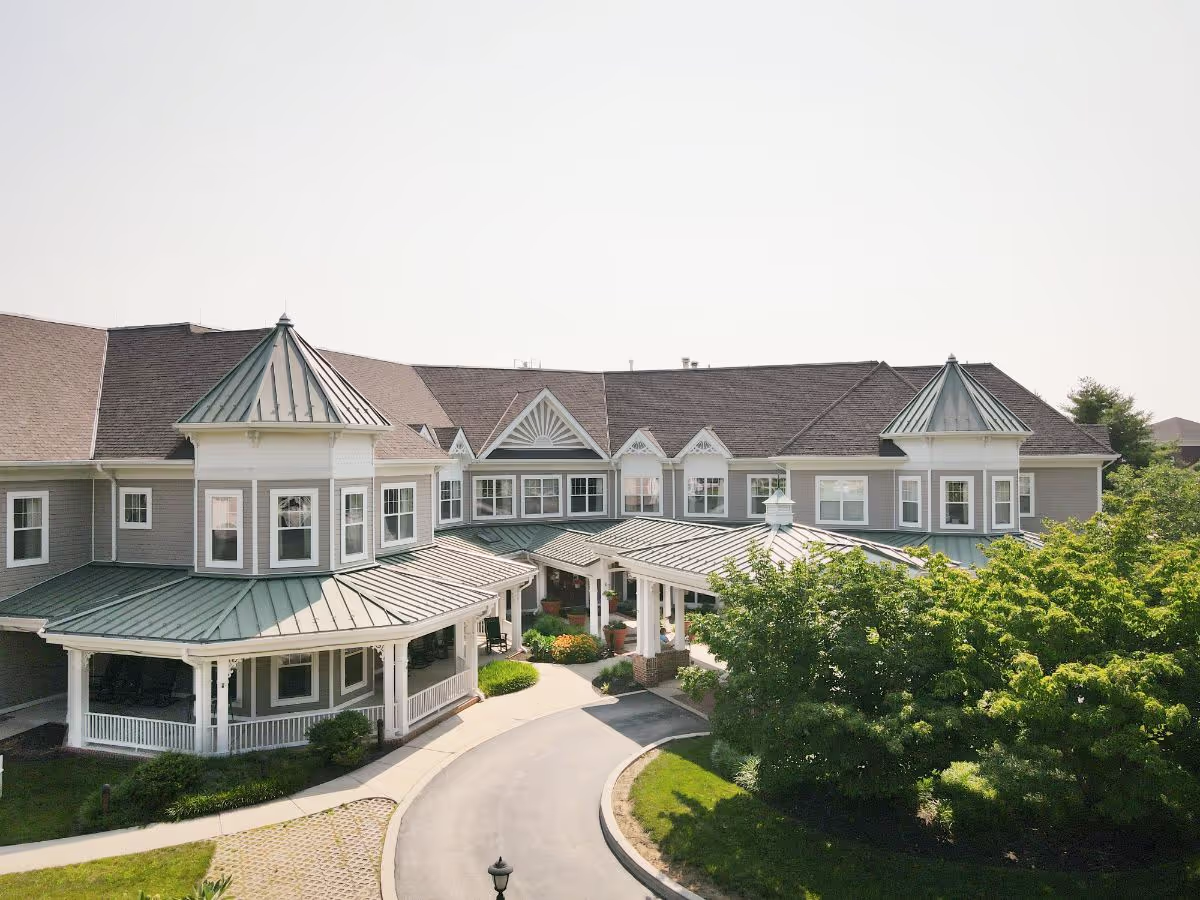
Jenner's Pond presents a mixed profile: many families and residents praise the community for its clinical rehabilitation services, attentive nurses and CNAs, strong therapy outcomes, and generally pleasant campus aesthetics. The physical environment is consistently described as well maintained — bright, comfortable residences with good layouts and skylights, attractive landscaping, and amenities such as park access and YMCA membership. Dining is a relative strength, with multiple statements about good food and helpful dining staff. Several comments also note a smooth move-in process and responsive maintenance and housekeeping teams.
At the same time, an important cluster of concerns centers on financial and contractual arrangements. The entrance-fee structure and resale/refund mechanisms are described as opaque; contract terms that tie refunds to re-leasing can result in significant delays to estate proceeds, and reviewers describe difficulty obtaining itemized breakdowns of refurbishment and administrative charges. These contract and financial-transparency issues have produced family frustration and, in some instances, legal contention.
Clinical and operational patterns are mixed. While many accounts praise the nursing, therapy, and rehabilitation teams for effective care and positive recovery outcomes, other accounts raise problems with inconsistent staffing levels, frequent caregiver turnover, and gaps in clinical oversight. Those operational weaknesses manifest as an increased incidence of falls, transfer- and toileting-related safety delays, inconsistent medication handling, and uneven personal-care and sanitation oversight. Several reviewers singled out variability in caregiver professionalism and responsiveness; these are presented as systemic staffing and supervision issues rather than isolated single events.
Communication and management follow-through are additional themes. Families described difficulty reaching staff, unanswered messages, and admissions or appointment miscommunications. Some reviewers acknowledged responsive executive-level engagement in specific cases, but overall communication inconsistency and limited post-admissions support (including perceived sales pressure and delays in receiving contract paperwork) were recurring points. Activity and social programming received mixed feedback: some residents found limited social interaction or fewer activities than expected, while others reported satisfaction with community life.
For prospective residents and families, the community offers clear strengths in rehabilitation, therapy, dining, campus environment, and several dedicated employees who are praised for going above and beyond. However, those positives coexist with significant operational and contractual risks that should be evaluated before committing: request a detailed, itemized explanation of entrance-fee and refurbishment charges, obtain clear timelines and mechanisms for refunds or resale proceeds, and ask for documented staffing ratios, fall-prevention policies, and specific communication protocols for family updates. Visiting during different times of day, meeting clinical leadership, and reviewing a private copy of the contract with elder-law counsel can help clarify whether Jenner’s Pond’s strengths align with a prospective resident’s needs and risk tolerance.