Reviewer feedback for Spruce Manor Nursing & Rehabilitation is highly polarized, with a mix of strong endorsements for clinical rehabilitation and relational caregiving alongside recurring operational concerns. Many families and residents describe skilled therapists, proactive nurses, and attentive CNAs who deliver personalized therapy plans, measurable mobility and pain-management improvements, and successful discharges home. Admissions and front-desk personnel are frequently described as helpful, and programs such as an on-site therapy gym, salon, pet-assisted activities, and varied social outings attract praise for promoting engagement and quality of life.
At the same time, a consistent pattern of operational weaknesses emerges. Staffing variability—often tied to per-diem coverage—appears to produce slow or inconsistent response times to call systems and resident requests, delays in medication and pain relief, and gaps in routine monitoring. Several reviewers described falls or other safety events alongside concerns about how those events were communicated to families, indicating potential opportunities to strengthen fall-prevention protocols and incident-response communication.
Dining and activities present a mixed picture. When functioning well, the kitchen and dining teams are praised for high-quality, well-coordinated meals and positive resident dining experiences. However, reviewers also describe inconsistent food quality and instances of inappropriate therapeutic-diet meals (for example, diabetic meal errors). Activities staff receive frequent positive comments for offering diverse programs and outings that support resident socialization and morale.
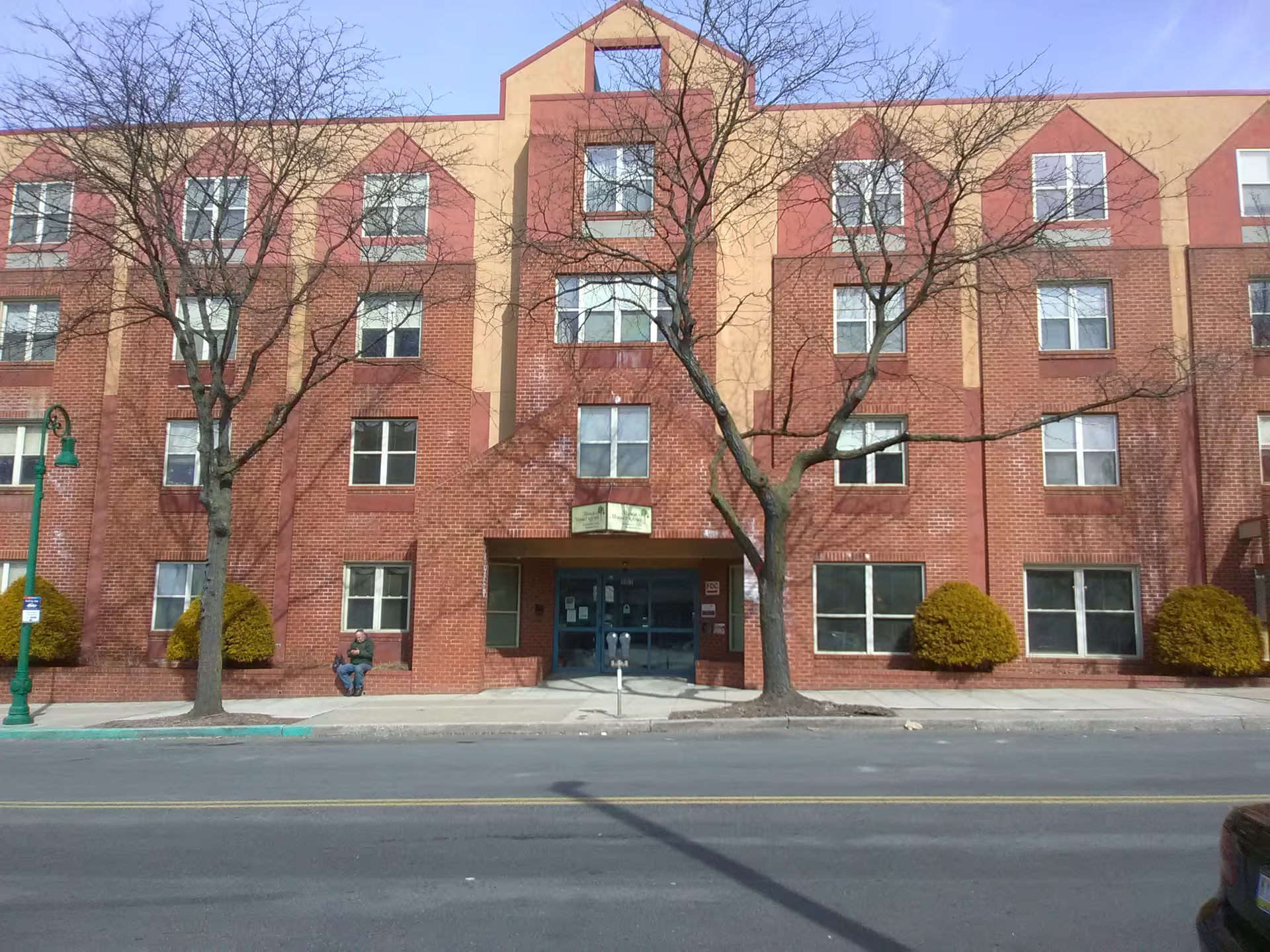
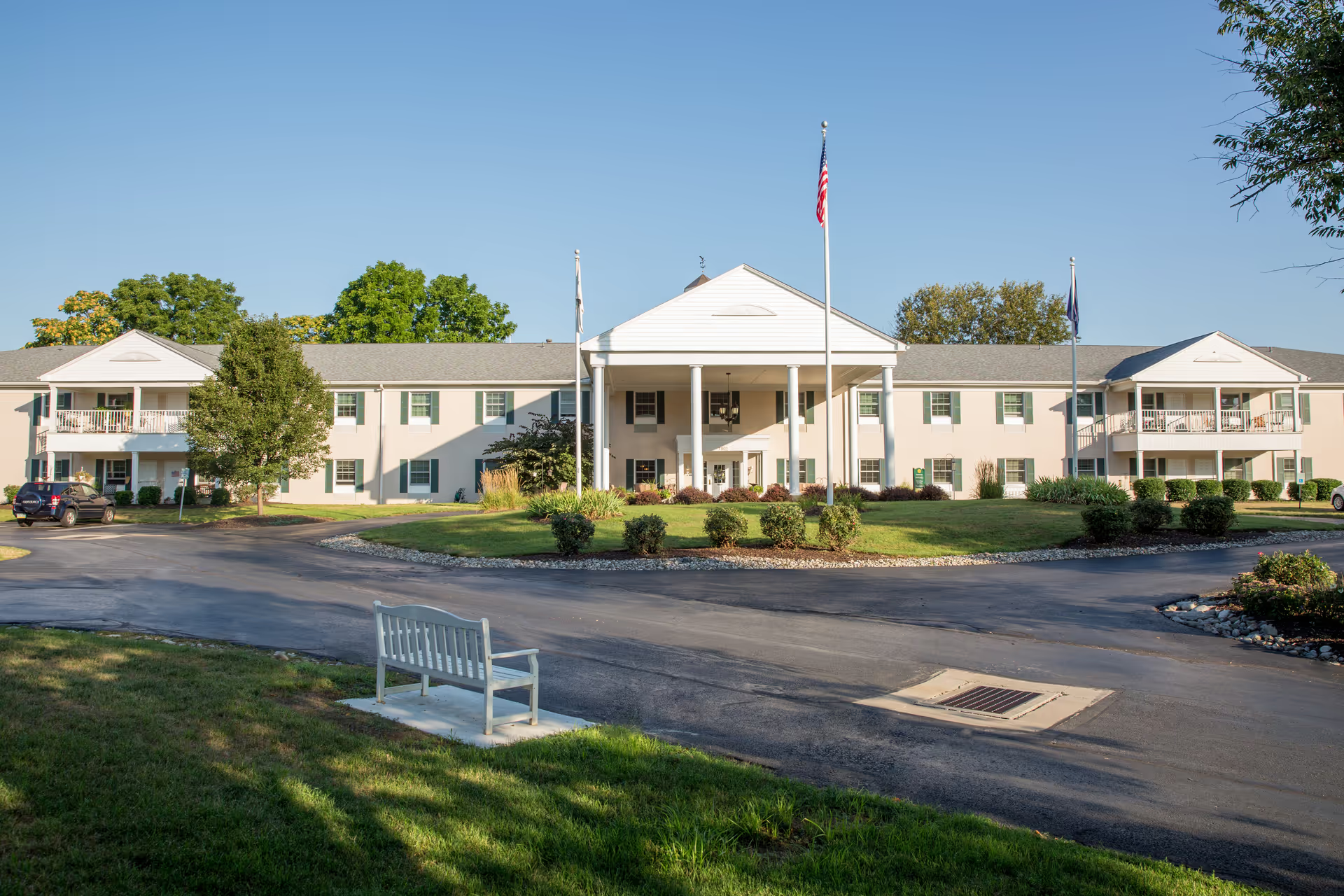
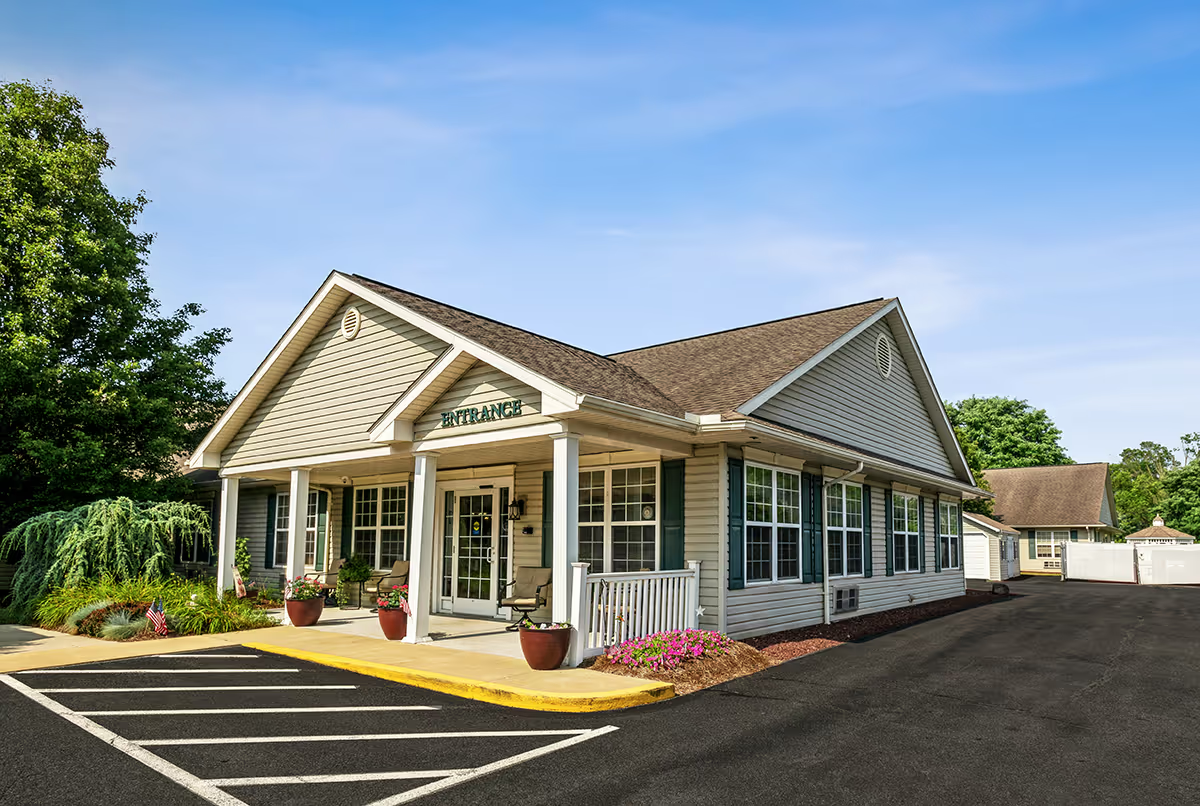
Facility and environmental reports vary by unit and shift. Many reviewers report clean, comfortable spaces and renovated therapy areas, while others note sanitation and odor concerns, limited room ventilation, laundry delays, and isolated pest-control issues. Broken equipment and delayed maintenance were cited in a limited number of accounts, suggesting variability in facility upkeep.
Management and culture show strengths and weaknesses. Several accounts highlight accessible, communicative leadership and compassionate management that responds to family concerns. Conversely, other reviews raise concerns about perceived favoritism, management defensiveness, and inconsistent oversight of staffing decisions. There are also serious individual claims—including allegations of theft and regulatory complaints—and concerns following resident deaths that some families escalated to oversight agencies; these were less common but significant and merit further inquiry by prospective residents and families.
Overall, Spruce Manor demonstrates clear strengths in rehabilitation, many examples of compassionate caregiving, and a robust activities program. Prospective residents and families should weigh those strengths against recurring themes of staffing variability, communication-system reliability, environmental sanitation, and consistency in therapeutic diets and monitoring. If considering this facility, a recommended approach is to: tour the specific unit of interest, ask about current staffing ratios and per-diem usage, review fall-prevention and incident-communication policies, inspect room ventilation and cleanliness, and confirm procedures for medication administration and therapeutic-diet management.