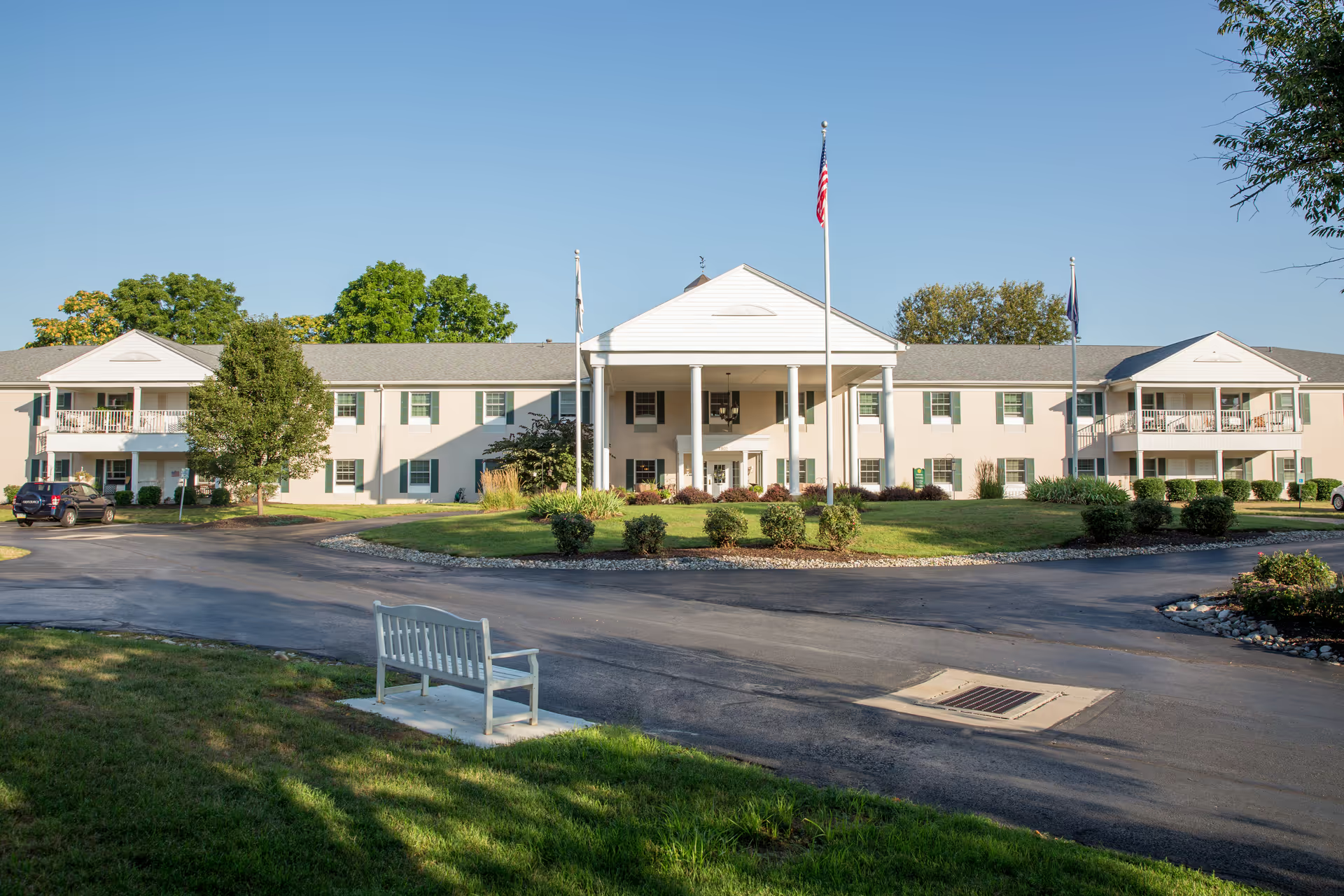
Overall impression: Reviews present a sharply mixed picture. Many families and former residents describe warm, compassionate interactions with caregiving staff and successful rehabilitation outcomes, while other accounts raise substantive operational and clinical concerns. The facility appears to provide effective therapy and discharge planning for some residents, but there are recurring themes that prospective families should evaluate in person.
Care and clinical oversight: Clinical practice is uneven. Positive accounts emphasize effective therapy, successful returns to home, and attentive nursing that meets discharge goals. Counterbalancing this, other accounts identify lapses in clinical follow-up, delayed assistance after calls for help, and gaps in pressure-injury prevention and fall-management processes. These patterns suggest variable adherence to care protocols — strengths in rehabilitation services coexist with weaknesses in some routine nursing and safety practices.
Staff and conduct: Staffing impressions are likewise mixed. Numerous reviewers praise compassionate, courteous, and professional aides, nurses, and administrative staff, noting helpful admissions personnel and quick problem resolution for paperwork and appointments. At the same time, there are reports of unprofessional conduct, curt communication, and slow responsiveness during critical moments. The data indicate that staff behavior and responsiveness can be a strong point but is not consistently experienced across all shifts or units.
Dining and activities: Accounts of dining range from adequate to problematic. Some families note accommodating service and reasonable meal provision; others describe repetitive menus, unmet dietary requirements, and interruptions in meal service. Activity programming exists and includes card games and occasional outings, but engagement levels and frequency vary — some residents appear well stimulated while others have limited activity options.
Facilities and environment: The physical plant is frequently described as aged and in need of maintenance. Reviewers cite outdated finishes and equipment, broken or limited elevator service, and inconsistent temperature control in rooms. Cleanliness reports are inconsistent: some visitors note tidy rooms and hallways, whereas other observers describe sanitation concerns and overflowing trash in shared restrooms. There are also mentions of pest-control concerns and overcrowded multi-bed rooms, which contribute to privacy and comfort limitations.
Management, communication, and policies: Several reviews highlight shortcomings in management presence, record-keeping, and family communication — including failures to relay messages or timely notifications of significant events. These systemic communication gaps, combined with occasional reports of hostile interactions with human-resources personnel, point to managerial and operational areas needing attention. There are also isolated, serious claims about regulatory and code-related issues that prospective families may wish to investigate further through official channels.
Notable patterns and guidance for families: The strongest, most consistent positive is the quality of interpersonal care provided by many front-line staff and the effectiveness of therapy for residents with rehabilitation goals. The most consistent negatives center on facility maintenance, sanitation consistency, responsiveness at times of need, meal-service reliability, overcrowding, and communication practices. Prospective residents and families should conduct an on-site visit during peak and off-peak hours, observe staff response times, inspect room cleanliness and temperature control, ask about staffing ratios and clinical oversight protocols, review meal and incontinence-care policies, and request documentation of pest-control and privacy/data-handling practices before making a placement decision.