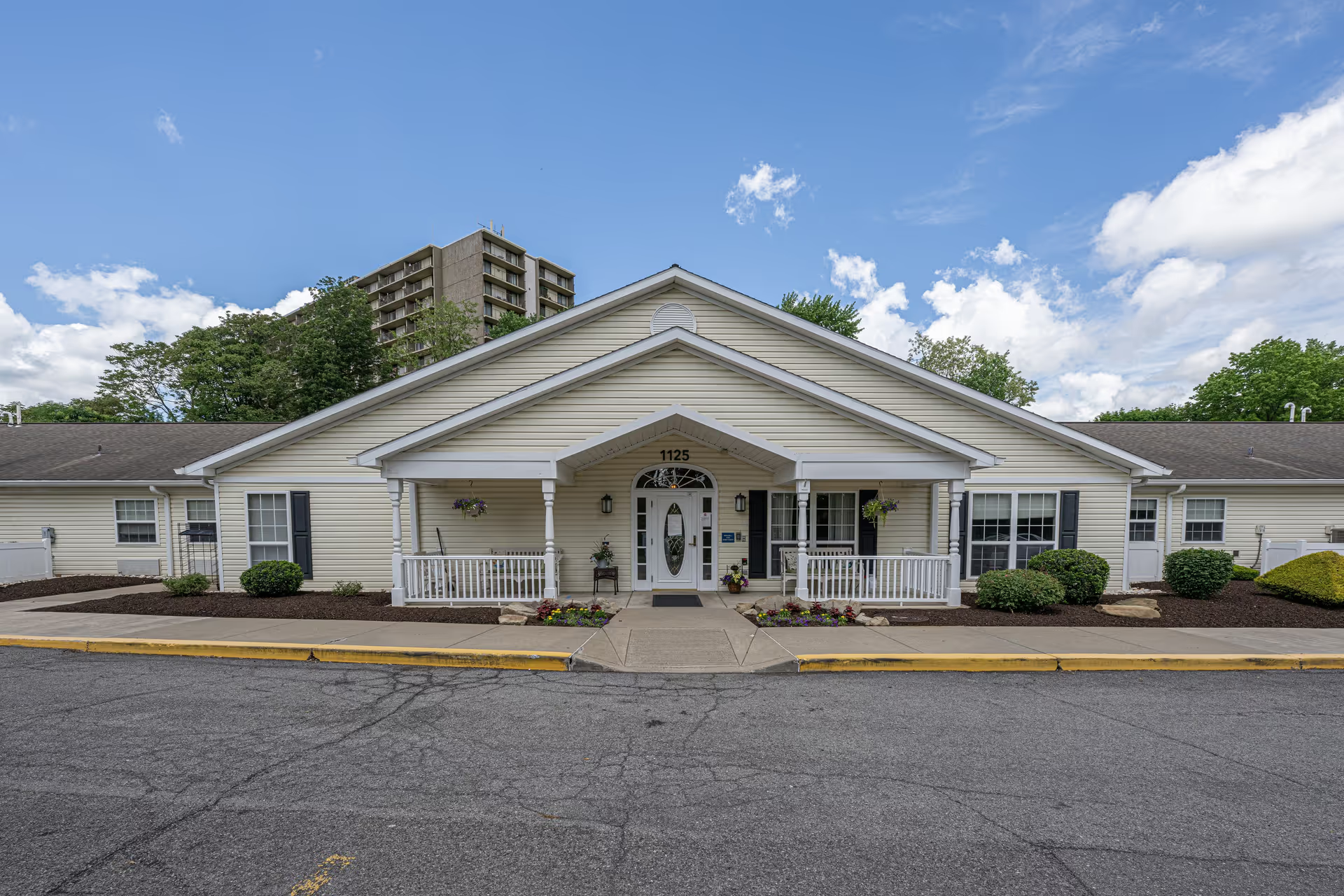
Overall impression: Reviews are highly polarized but reveal a consistent set of strengths and operational weaknesses. On the positive side, families and patients frequently highlight compassionate, engaged nursing staff and a strong therapy program (PT/OT/SLP) that achieves measurable recovery outcomes. The facility’s small, home-like scale, visible administration, and active social work/discharge coordination are repeatedly credited with helping residents transition home and with keeping families informed. Many accounts emphasize personalized care — from adaptive equipment to individual therapy plans — and describe a warm, family-like culture supported by active life-enrichment programming.
Care and staff: Nursing and therapy teams receive strong, repeated praise for clinical skill, motivation, and one-on-one attention. Several reviewers described notable rehabilitation progress, effective wound care, and clear communication from therapists and therapy leadership. At the same time, a persistent pattern of staffing instability is evident: night-shift shortages, high turnover, and occasions of overworked aides were linked to delays in attending to resident needs. These operational staffing patterns correlate with documented issues such as delayed call-bell responses and occasional medication-administration lapses.
Dining and activities: Activity programming and recreational offerings are frequently described as engaging — music groups, games, birthday events, and consistent daily activities contribute to resident satisfaction. Dining impressions are mixed: many reviewers praise homecooked-style meals and improved menus, while others report cold or limited meal options, pre-made items, and lapses in dietary protocol (including failure to provide ordered supplements or special-diet adherence). These inconsistencies suggest variability in meal service execution and adherence to individualized nutrition orders.
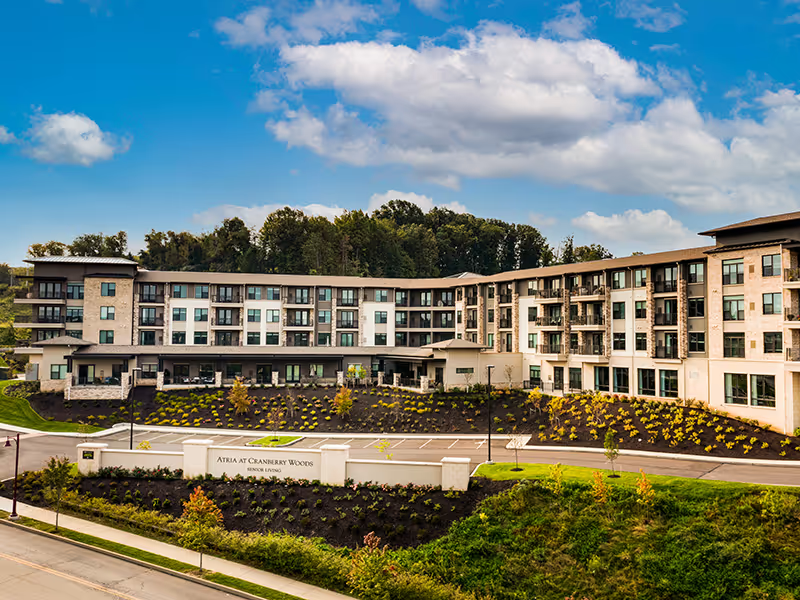
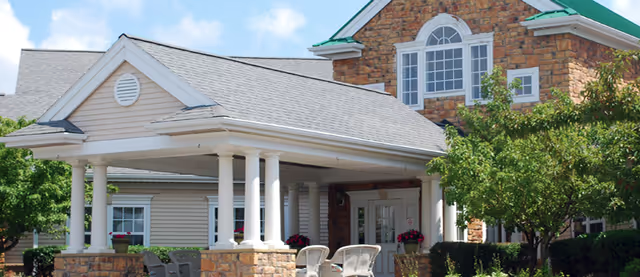
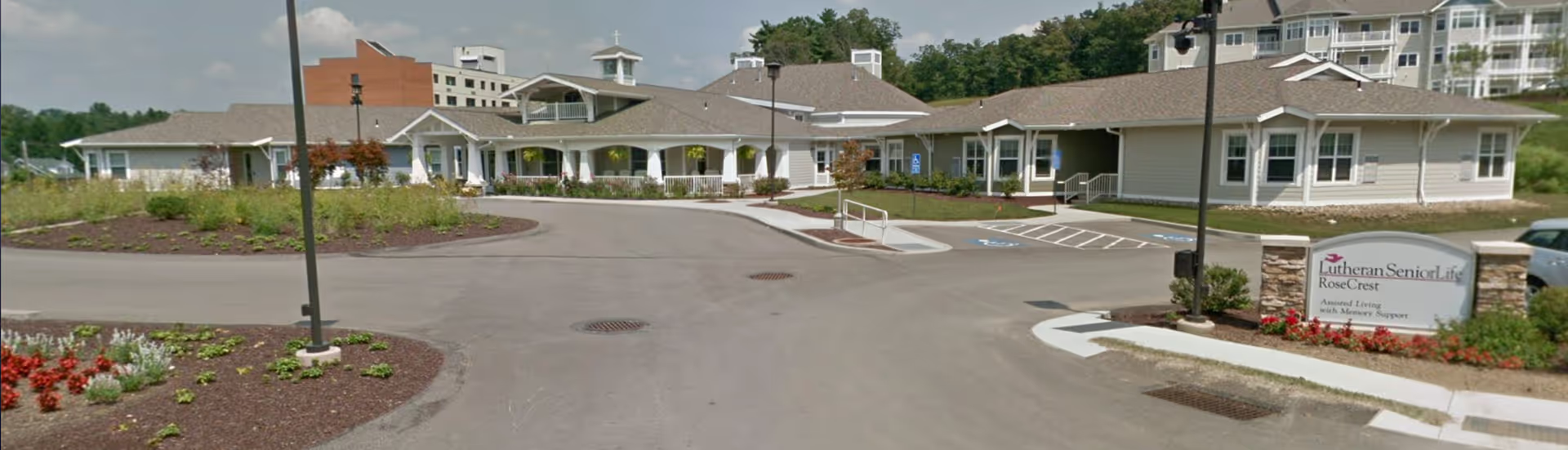
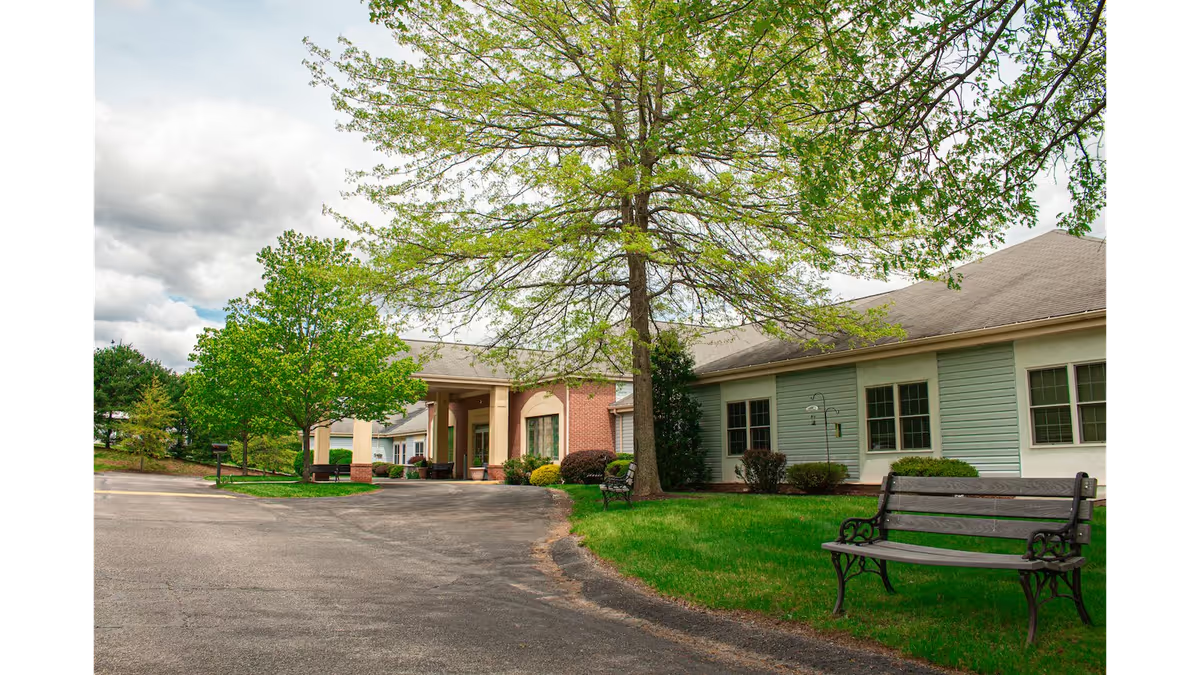
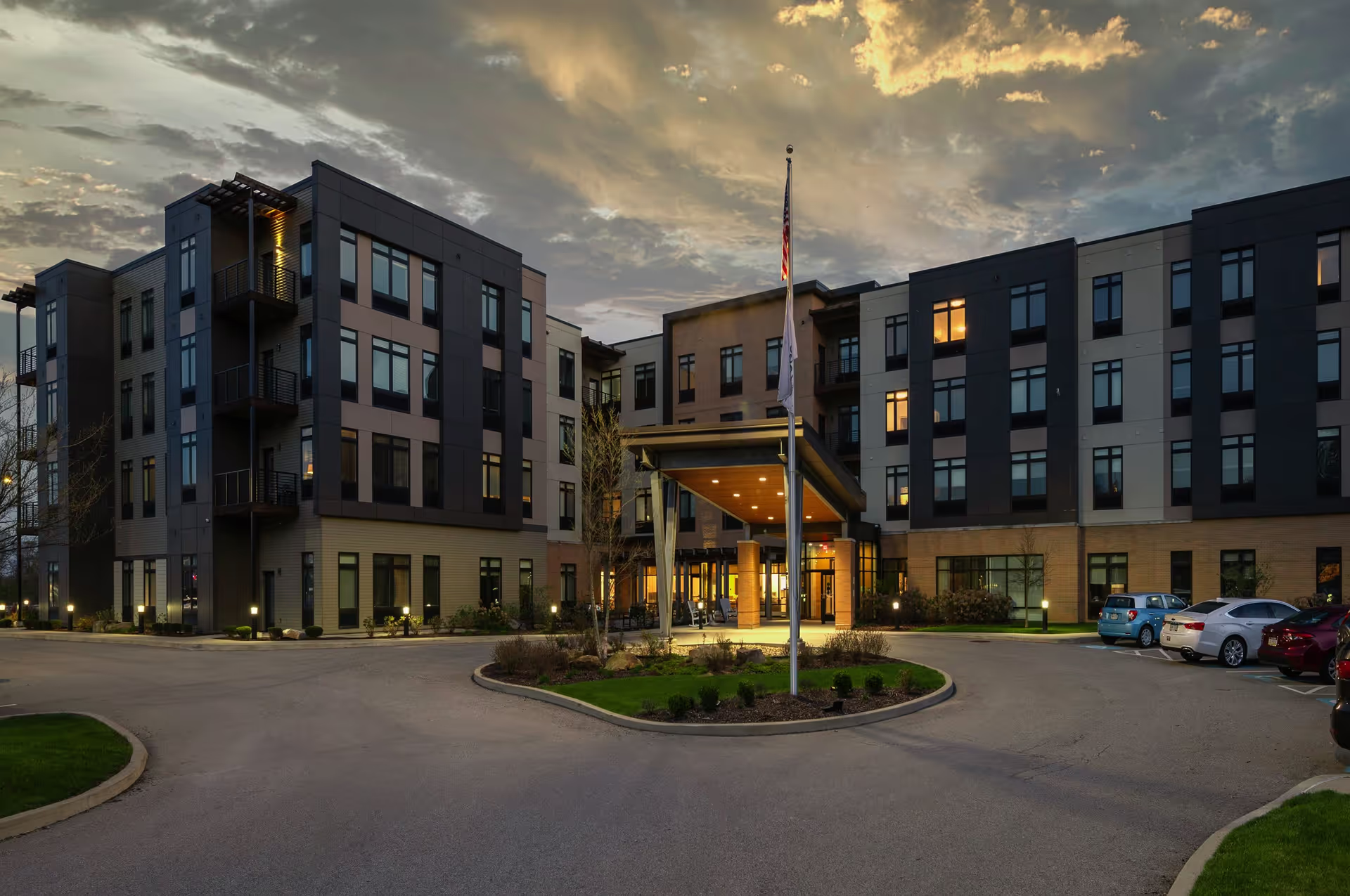
Facilities and infection control: The facility’s smaller footprint and sunlit rooms are assets for many residents, and housekeeping is commended in numerous accounts. However, multiple reviews raise sanitation and cleanliness concerns in specific areas (including shared bathroom conditions and cleaning frequency), and there are references to infection-control issues and regulatory citations related to dining. The physical plant shows signs of aging in places — cramped shared bathrooms, limited space for equipment, and areas needing cosmetic updates — which can affect both convenience and infection-prevention practices.
Management and patterns: Administrative engagement is a clear strength in many reports; the on-site director and social work team are frequently praised for accessibility and coordination. Conversely, other accounts describe inconsistent management responses, a blame-oriented culture, and communication breakdowns (including a problematic phone system and front-desk accessibility). Operational weaknesses that recur across reviews include laundry and personal-item handling gaps, inconsistent implementation of clinical protocols, and uneven experience between long-term residents and short-term rehab patients.
Bottom line: For families prioritizing strong, personalized rehabilitation and a small, home-like setting with engaged staff, this facility offers many important strengths. Prospective residents should, however, be aware of operational variability tied to staffing levels, food-service consistency, housekeeping and infection-control practices, and parts of an aging physical plant. Those considering placement would benefit from asking targeted questions about current staffing ratios (including night coverage), infection-prevention measures, dietary-protocol adherence, laundry procedures, and recent regulatory follow-up to ensure that the aspects that matter most to them are being actively managed.