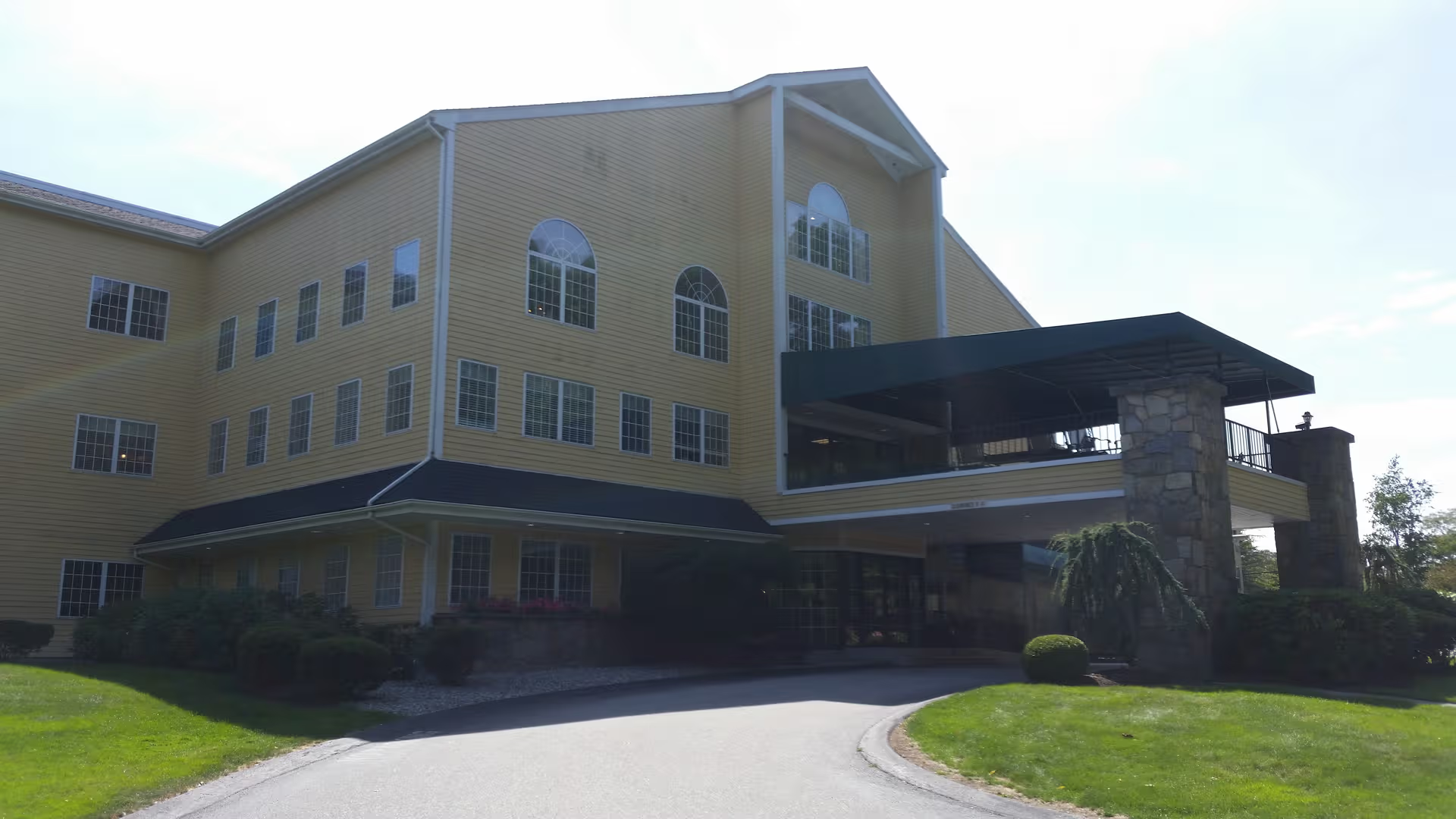
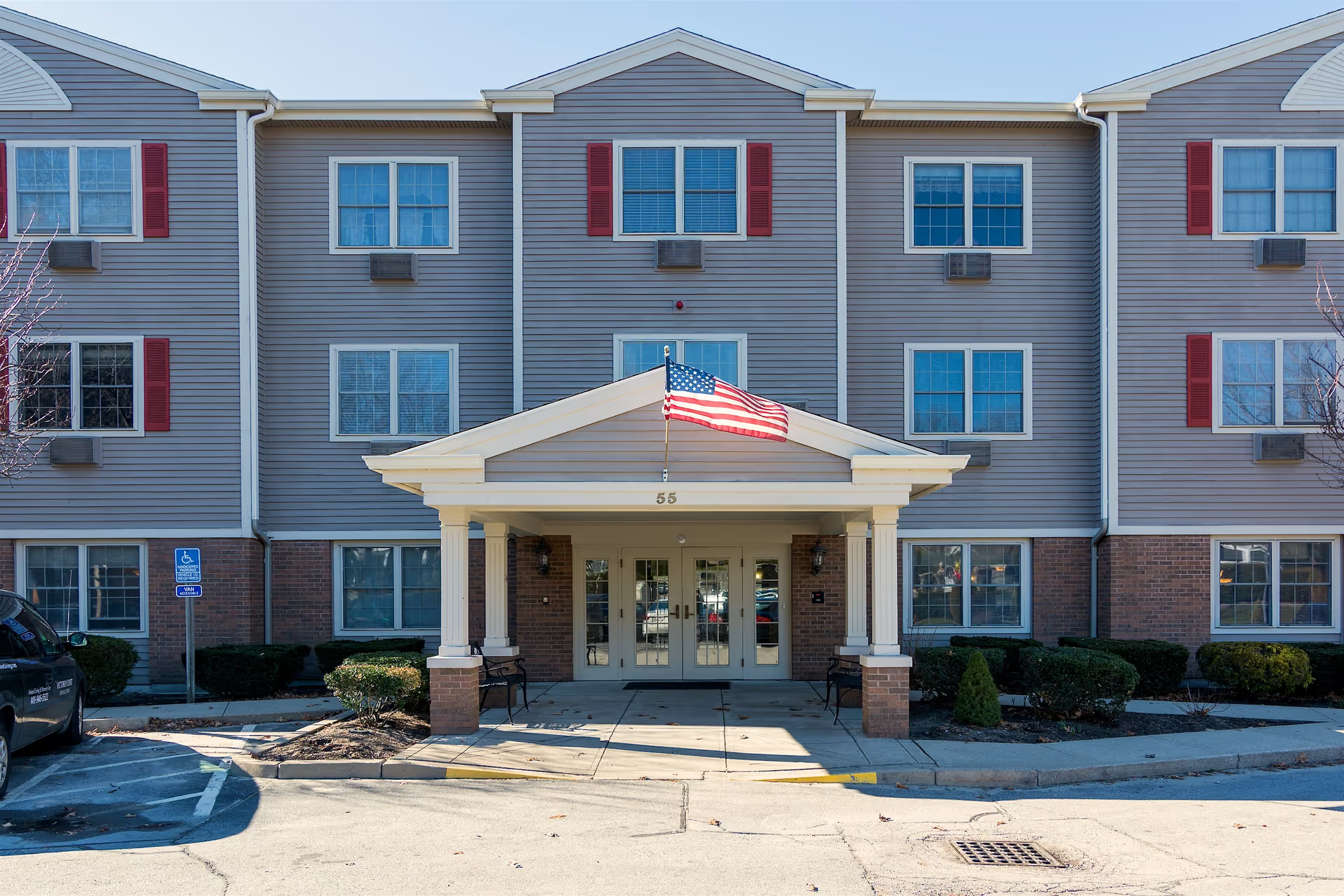
Brookdale Centre of New England receives broadly positive feedback for its people, campus and programming, but reviewers also identify recurring operational weaknesses. Many families and residents describe caregivers, nurses and the admissions team as warm, personable and professional; long-tenured staff and consistent faces are highlighted alongside empathetic, resident-focused interactions. The community’s activity calendar is robust, with themed events, classes, outings and active memory-care programming that many residents enjoy. The facility’s physical attributes — a recently built, bright interior, cathedral dining room, private spa, café and an enclosed courtyard with seating and grills — are repeatedly cited as strengths that contribute to a homelike, resort-like atmosphere.
Clinical care impressions are mixed. Several accounts praise attentive nursing response and good day-to-day care, while others flag gaps in medication management and coordination between therapy, nursing and families. There are particular mentions of inconsistent communication from clinical and therapy staff to family members; reviewers commonly request clearer, more timely updates. Memory-care services are active and structured, but some families expressed concerns about variable staff expertise in dementia-specific skills and inconsistent implementation of care plans.
Dining and housekeeping receive generally favorable comments about menu variety, a talented chef and appealing dining spaces; still, reviewers also call out inconsistent meal preparation, late or cold deliveries, and occasional problems with laundry or room cleaning. Activities are a strong point for many residents, who cite frequent programs, socialization opportunities and outings; transportation is available for appointments and field trips but reviewers mention limited van capacity, restrictions for electric mobility devices and scheduling constraints that can reduce flexibility.
Operational and administrative issues form a clear pattern in the feedback. Common themes include perceived understaffing or turnover that affects responsiveness, limited overnight clinical presence, confusing or non‑itemized contracts, and additional service charges that were not always disclosed upfront. Several families also described logistical challenges during move-in, and some noted slow administrative follow-up or disappointing responses from management when concerns were raised. Pandemic-related visitation restrictions affected family access at times and contributed to communication strain.
In sum, Brookdale Centre of New England is frequently praised for its welcoming staff, attractive campus, active programming and generally good day-to-day living experience. Prospective residents and families should weigh those strengths against operational considerations: clarify billing and extra-fee policies in writing, ask specific questions about medication coordination and dementia-care training, and confirm transportation and overnight clinical coverage expectations prior to move-in. Those steps can help align expectations with the facility’s prevailing strengths and the operational limitations described by reviewers.