Scandinavian Communities Assisted Living receives many positive remarks centered on staff, dining, activities and rehabilitation. Numerous accounts describe staff as caring, respectful and family-oriented; families and residents commonly praise the compassionate day-to-day caregiving and the facility’s ability to provide a warm, home-like environment. The community is frequently characterized as small and social, with an active calendar of engaging programming and outings that residents find beneficial for quality of life and social engagement. Rehabilitation and therapy services are also highlighted as an operational strength, with several descriptions of effective post-acute recovery support.
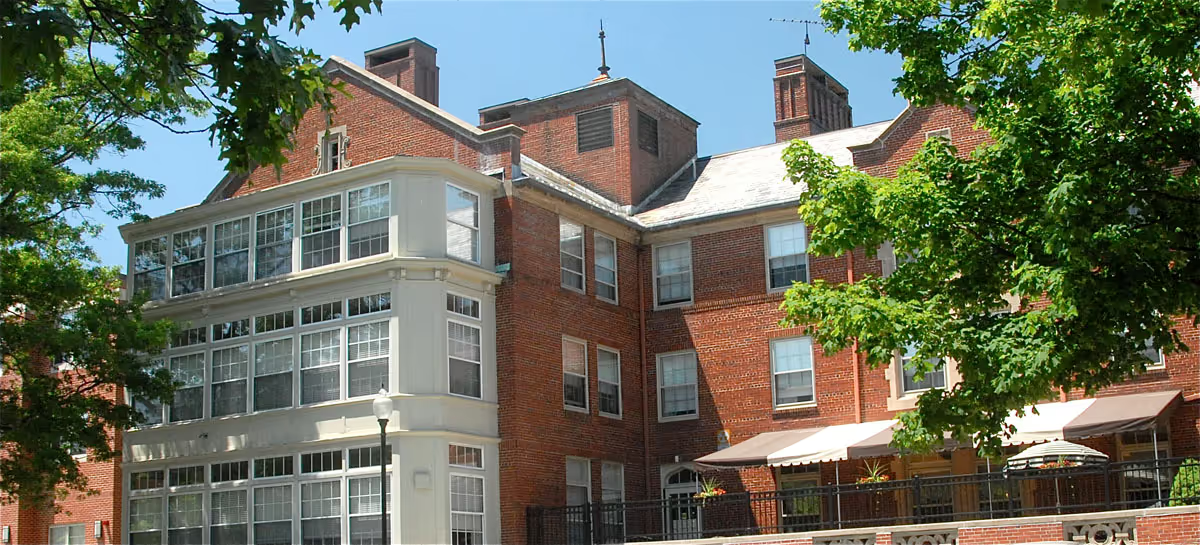
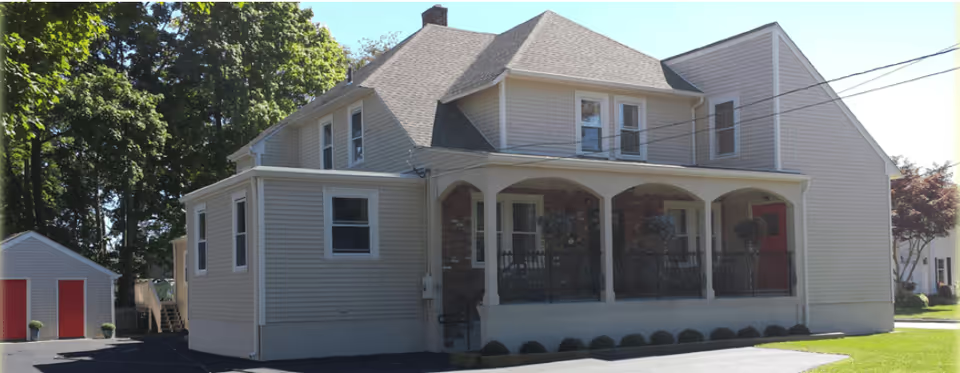
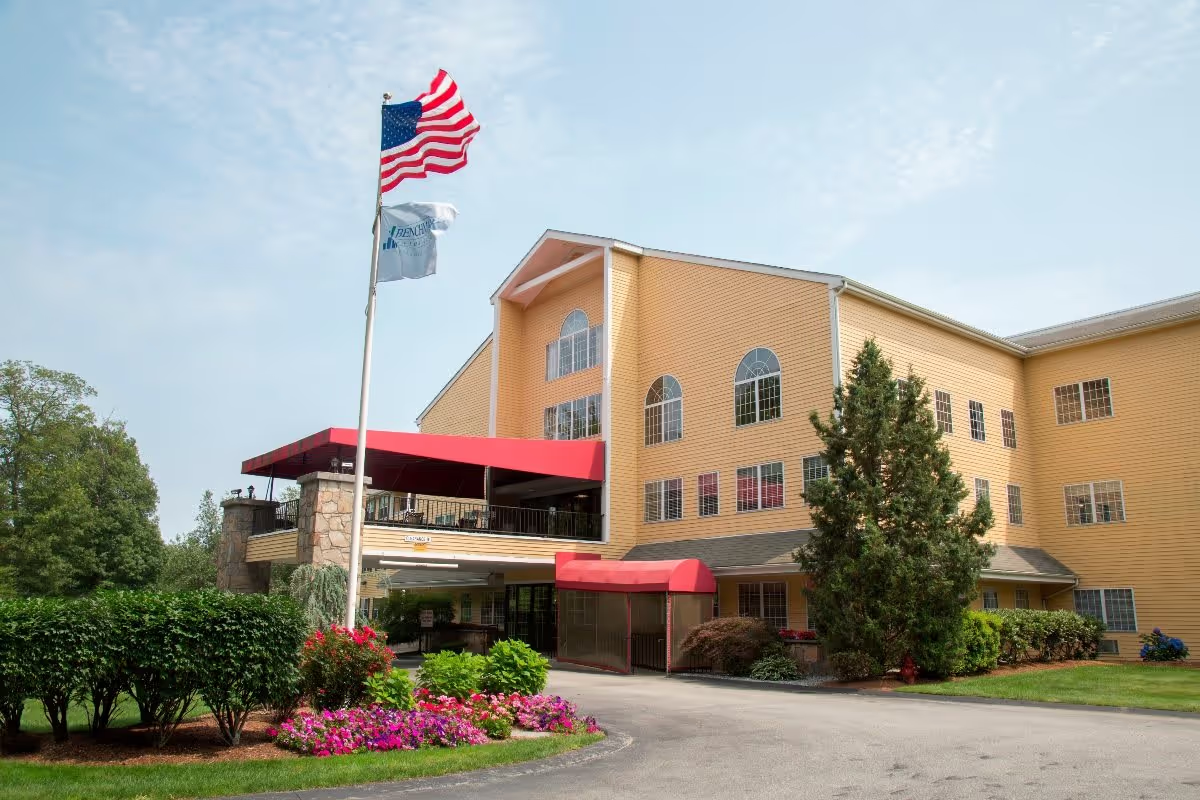
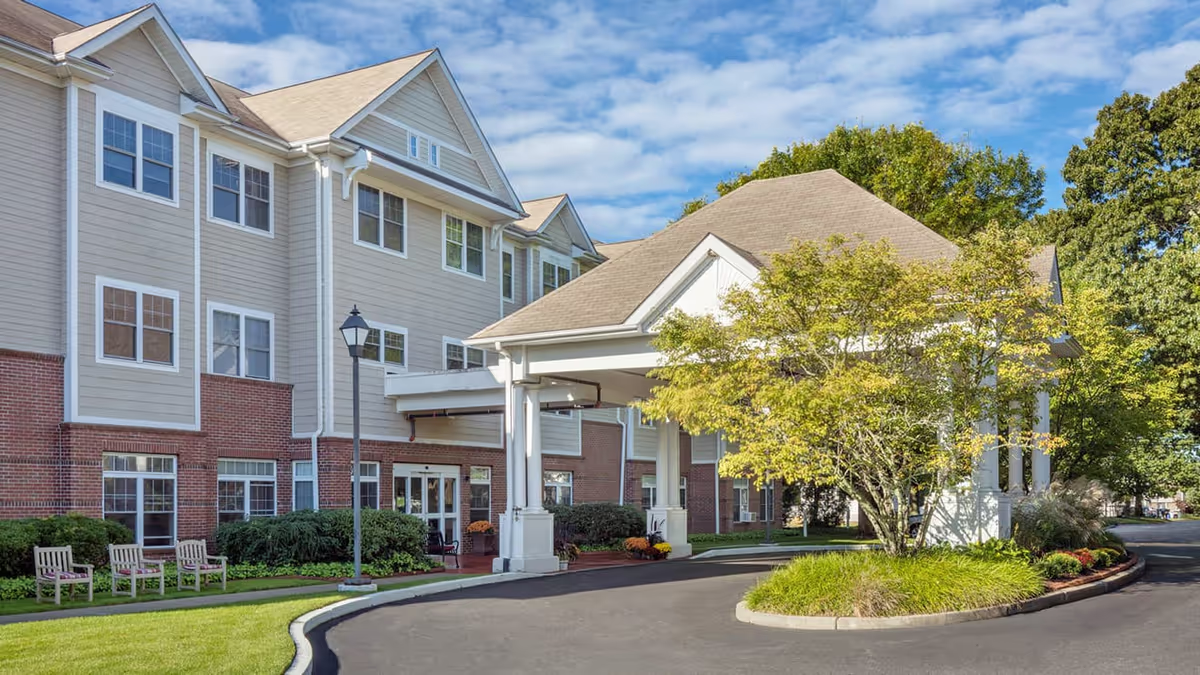
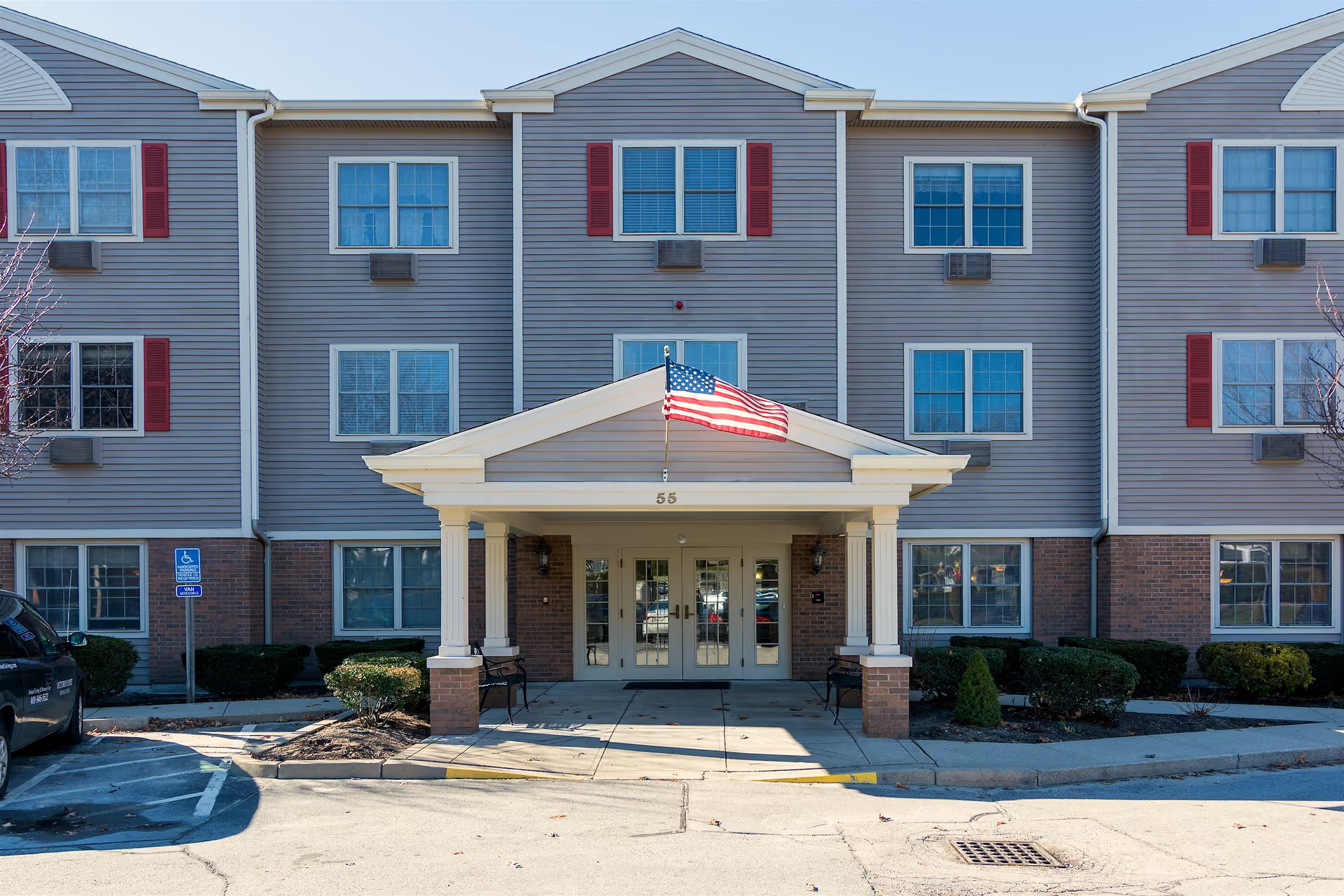
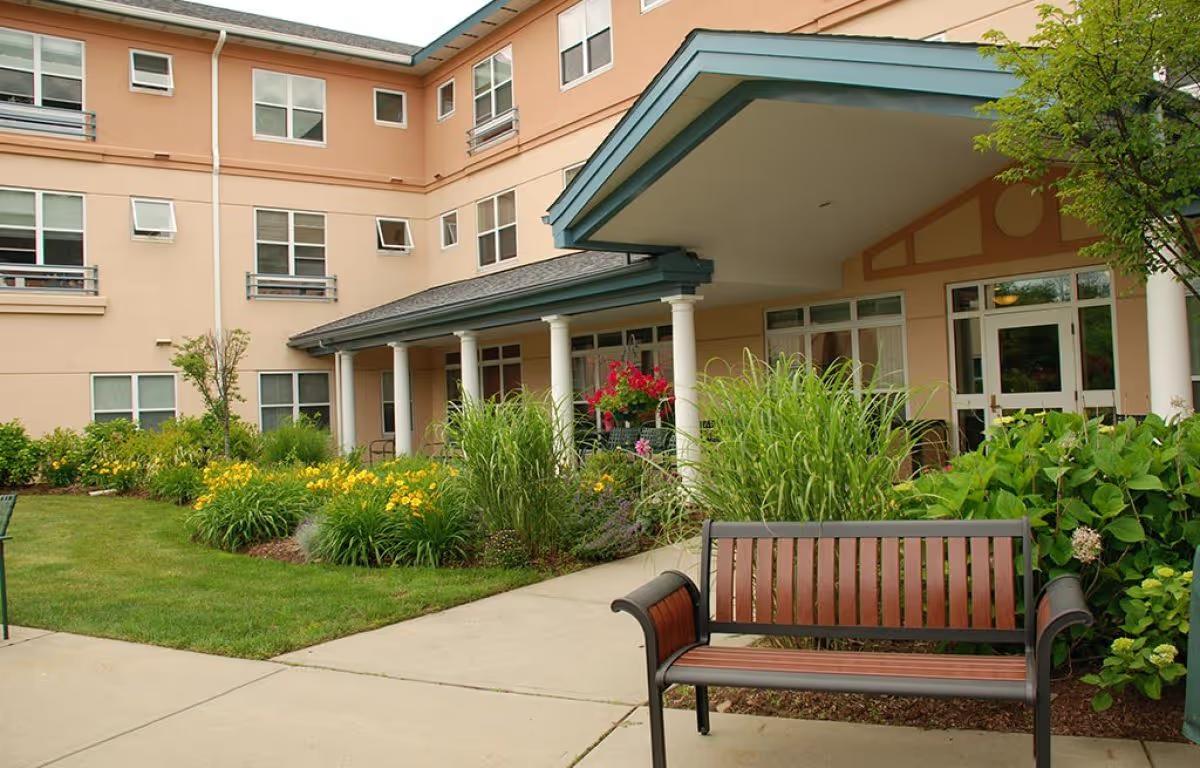
Dining and apartment amenities attract consistent praise. The dining room is described as attractive and the menu as varied, nutritious and well-regarded, contributing positively to resident satisfaction. Many reviewers note bright, clean and well-maintained apartments and common areas, and that the facility’s general upkeep supports a comfortable living environment.
Despite these positives, a set of operational and consistency concerns recurs across the feedback. Several accounts point to odor concerns in some resident rooms or common spaces and to apartment-size and layout limitations that can make accommodation of mobility aids difficult. Linked to physical layout, reviewers cited cramped room configurations in particular units and instances where furniture/bed placement impaired mobility access. Transportation and logistics are also identified as a limitation for some residents who rely on community transportation for outings or appointments.
There are notable concerns about responsiveness and management processes. Some families described slow or inadequate responsiveness after admission and found admissions communication and follow-up to be problematic. Others described inconsistent staff performance or leadership instability, and some raised issues with how incidents were handled and communicated to families. A limited number of serious allegations about care responsiveness were also mentioned; these descriptions are isolated relative to the broader set of positive experiences but warrant careful inquiry during a tour or pre-admission review.
Taken together, the pattern is one of a facility that delivers many strengths—especially in caregiving culture, social programming, dining, and rehabilitation—while showing variability in operational consistency, physical layout suitability for mobility needs, and management responsiveness. Prospective residents and families should consider an in-person visit that includes a meal and an activity, ask about staffing levels and turnover, review incident-response and communication protocols, inspect the specific apartment layouts for mobility equipment, and inquire about odor-control and sanitation procedures. These targeted questions will help clarify whether the facility’s strengths align with an individual resident’s care and accessibility needs and will surface any recent changes in management or operations that could affect consistency.