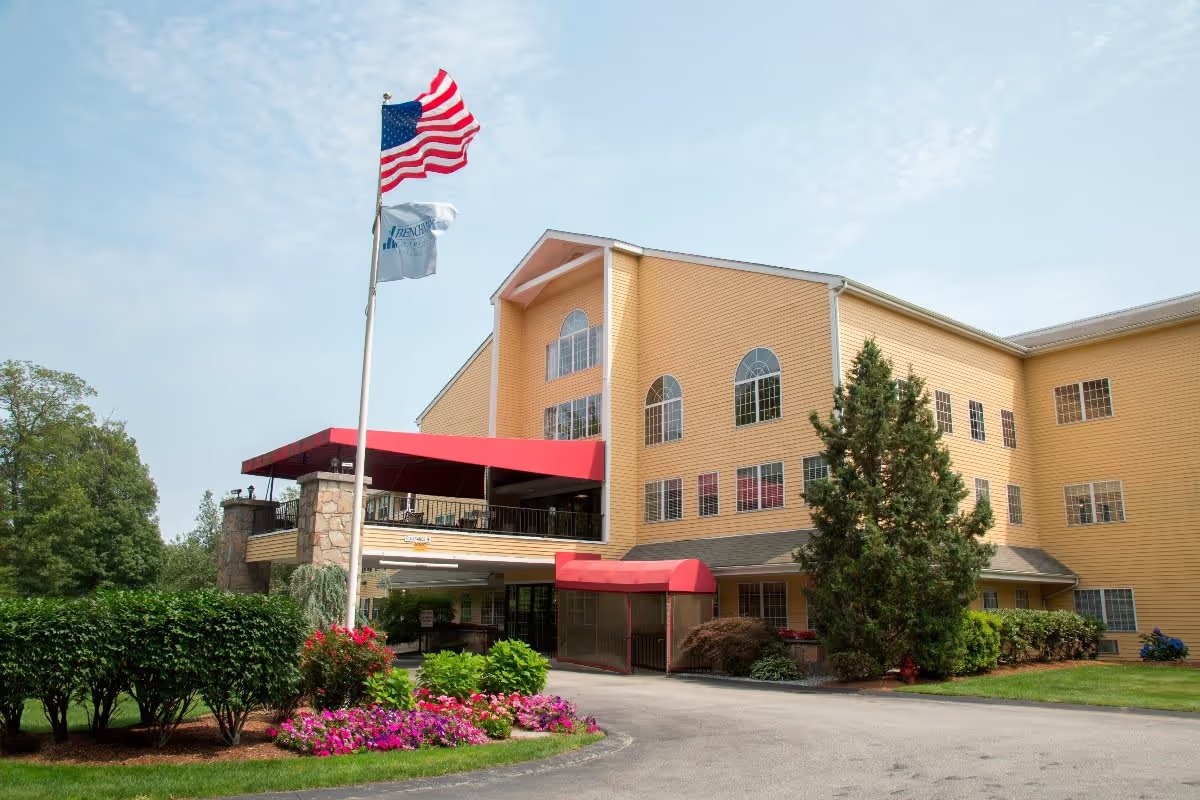
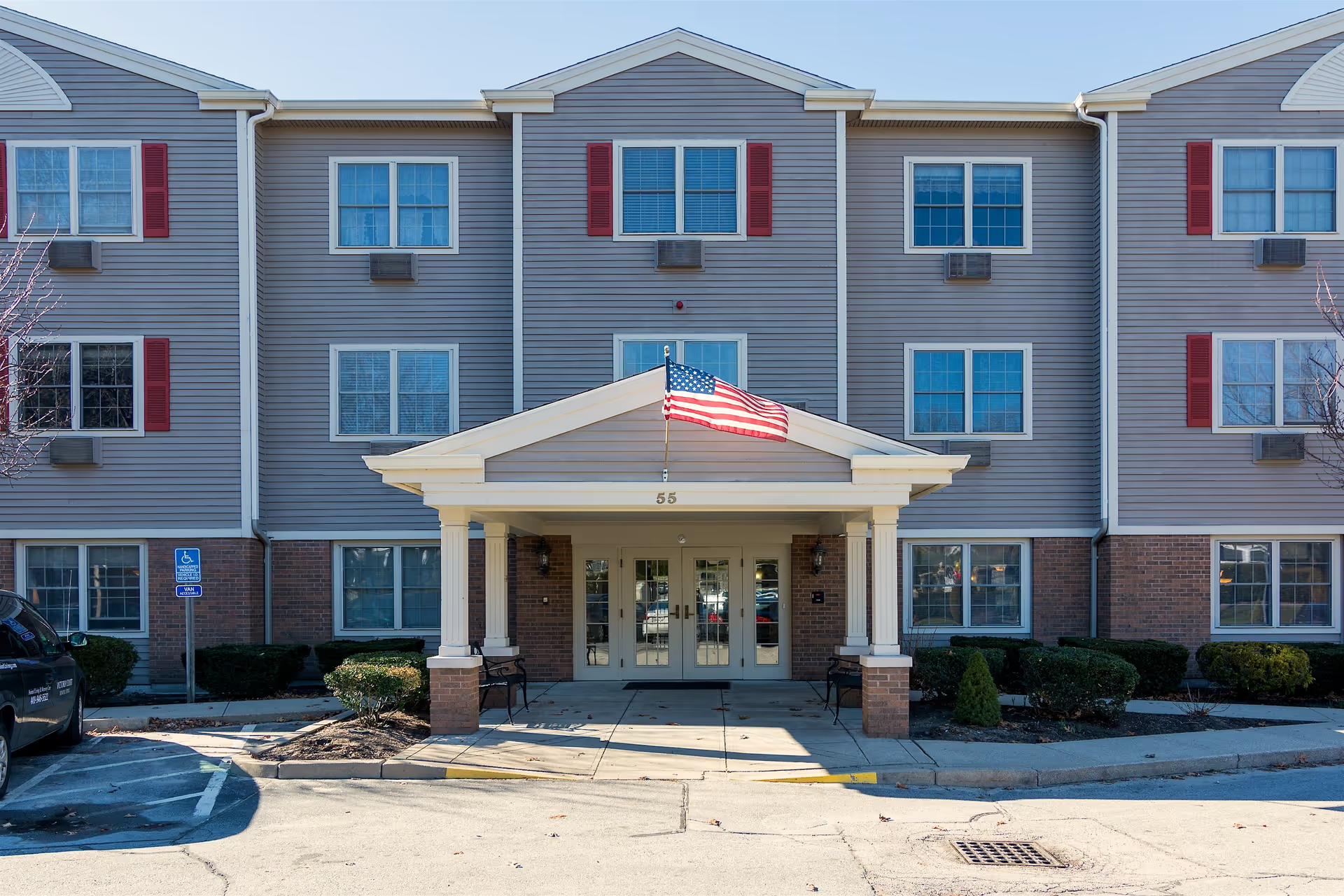
Saint Elizabeth Home Skilled Nursing & Rehabilitation Center elicits a mixed but instructive set of impressions. Many families and residents describe a warm, home-like atmosphere with private rooms and bathrooms, a strong rehabilitative focus, and staff who present as compassionate and engaged. Admissions staff are frequently noted as helpful and efficient, and the facility’s quick bed availability and on-site rehabilitation services (PT/OT) receive consistent praise. Several accounts emphasize an environment that feels comfortable and family-oriented, with specific staff members called out for attentive nursing, effective therapy, and accommodating end-of-life care.
Positive clinical strengths include attentive therapy teams and features that support safe transfers when available (ceiling lifts, plentiful call buttons). Dining is often described favorably: hot, home-style meals with multiple daily selections and a generally high food-quality rating. Housekeeping and common areas are commonly described as clean and well cared for, contributing to the facility’s non-institutional ambiance. Long-term residents and families who stayed for extended periods frequently describe the staff and community as supportive, reflecting continuity and relationship-building in those cases.
Counterbalancing these strengths are recurring operational concerns. Several accounts point to inconsistent responsiveness to call lights and delayed assistance at times, especially during higher-demand periods or when agency staff are used. Use of temporary staff and uneven staffing levels appears to contribute to continuity gaps and variability in daily care. Family communication and social-work follow-up are an area of weakness in multiple narratives: families describe difficulty obtaining timely updates, occasional failures to contact primary physicians, and frustration with discharge or external-transport arrangements. Medication-management and physician-family collaboration are also highlighted as an area needing improvement, with some families describing unilateral prescribing decisions or discharge practices that did not align with family expectations.
Dementia care elicits divergent views: while some families praise a specialized memory-care unit and knowledgeable caregivers, others describe inconsistent approaches to residents with cognitive impairment. Cleanliness and room-level sanitation are generally well regarded for common areas, but isolated accounts of unclean rooms and delayed housekeeping indicate variability in implementation. There are also one-off, serious allegations such as a claim of discrimination in a training program; these stand apart from pattern-level operational concerns and would merit direct inquiry by prospective families or regulators.
Overall, Saint Elizabeth Home presents strengths in rehabilitation, therapy, dining, and in many cases compassionate caregiving within a home-like setting. The predominant operational risks to weigh are variability in day-to-day responsiveness, staffing continuity (including reliance on agency personnel), family communication and care-coordination processes, and inconsistent dementia-care practices. Prospective residents and families should visit multiple times, ask about typical staffing patterns for the specific house/unit, review dementia-care protocols, and clarify communication and discharge procedures before placement.