Grand Islander elicits a mix of enthusiastic endorsements and operational concerns. Many families and residents praise the facility for its skilled therapy teams, compassionate nursing, and a home-like culture — particularly for short-term rehabilitation and memory-care services. Strengths commonly described include a robust PT/OT/speech program (with seven-day therapy availability), engaging activities such as art, music, and pet visits, and staff who provide attentive bedside care and discharge planning support. Multiple accounts highlight helpful social-work assistance with insurance and financial matters and note clear COVID protocols and visitor-friendly policies.
Care quality and staffing are central to the divergent experiences. Positive reports emphasize dedicated nurses, long-tenured caregivers, and therapy teams that support successful returns home. Counterbalancing these, reviewers identify recurring operational issues: inconsistent staffing levels and CNA turnover, delays in responding to call buttons and bedside needs, and variability in clinical continuity when temporary staff are on shift. Several accounts raise concerns about medication management and refill coordination, and a subset of families describe pressure-injury prevention and wound-care process gaps that warrant specific inquiry.
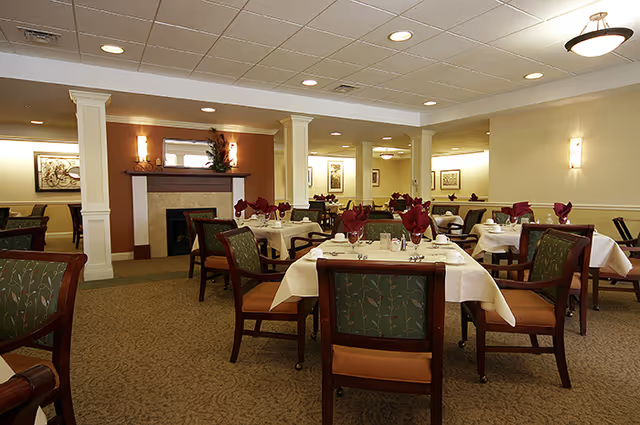
Dining and activities present a mixed picture. Many residents describe tasty, varied meals and an accommodating kitchen able to handle dietary preferences, and the activity calendar — including memory-care programming — receives repeated praise for promoting engagement. Conversely, other families report inconsistent meal service, missed dietary accommodations, and instances of cold or incorrectly apportioned meals. Prospective families should ask about current kitchen procedures, weekend meal service, and options for special diets.
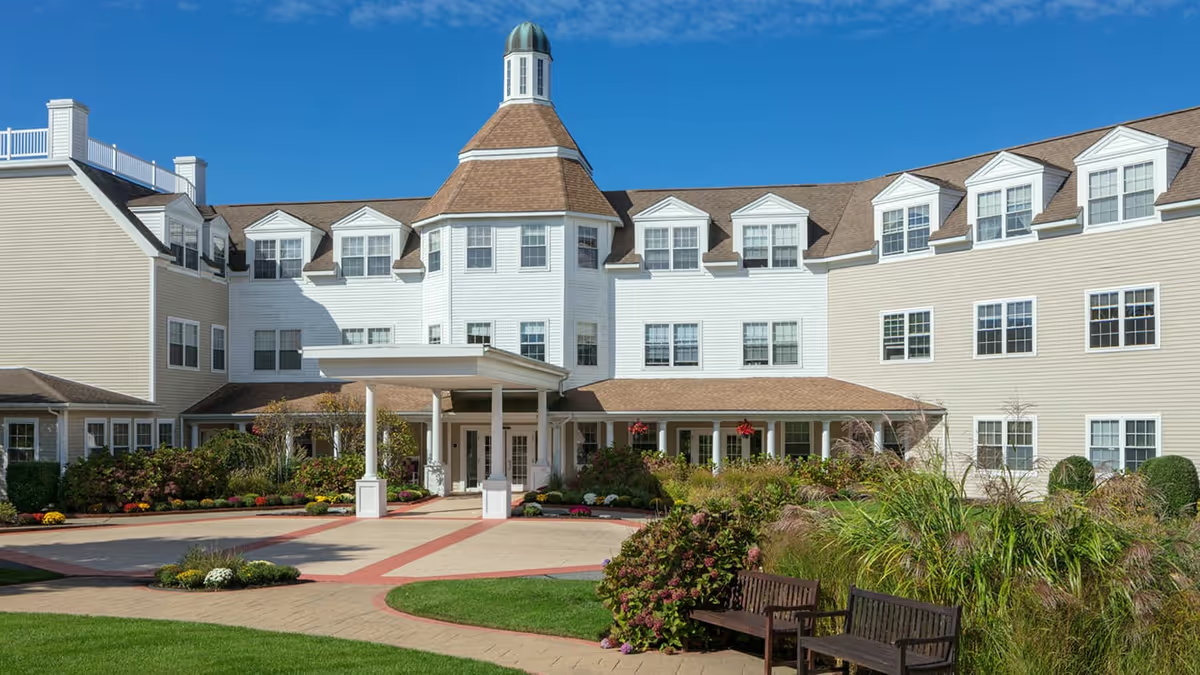
Facility condition and maintenance also vary by unit. Numerous reviewers describe clean, well-maintained common areas and responsive maintenance staff who address room issues. At the same time, others cite localized sanitation concerns, odors, small room sizes, and inconsistent upkeep of furnishings and equipment. These contrasts suggest variability between units and over time rather than a uniform facility condition.
Management, communication, and administrative processes show both strengths and weaknesses. Several reviews single out effective administrators and social workers who provide coordinated care and clear communication; others describe unresponsiveness from administration, billing and paperwork errors, and poorly coordinated discharges or transport plans that left families without needed transition information. These items point to inconsistent administrative follow-through rather than a single persistent practice.
Notable patterns for prospective residents and families: the facility appears to excel at rehabilitation, therapy-driven recovery, and memory-care engagement when staffing is stable and experienced clinical teams are in place. Persistent operational risks include variable staffing, episodic maintenance and sanitation issues, medication-refill coordination, and inconsistent discharge/billing administration. To evaluate fit, visitors should tour the specific unit where care would be provided, ask about current staffing ratios and turnover, inquire about medication-refill and weekend coverage policies, review the facility’s pressure-injury prevention protocols, and request examples of recent discharge coordination. Speaking with current families and observing mealtime and activity periods can help clarify whether the strengths highlighted in many accounts are present in the areas most relevant to your loved one.