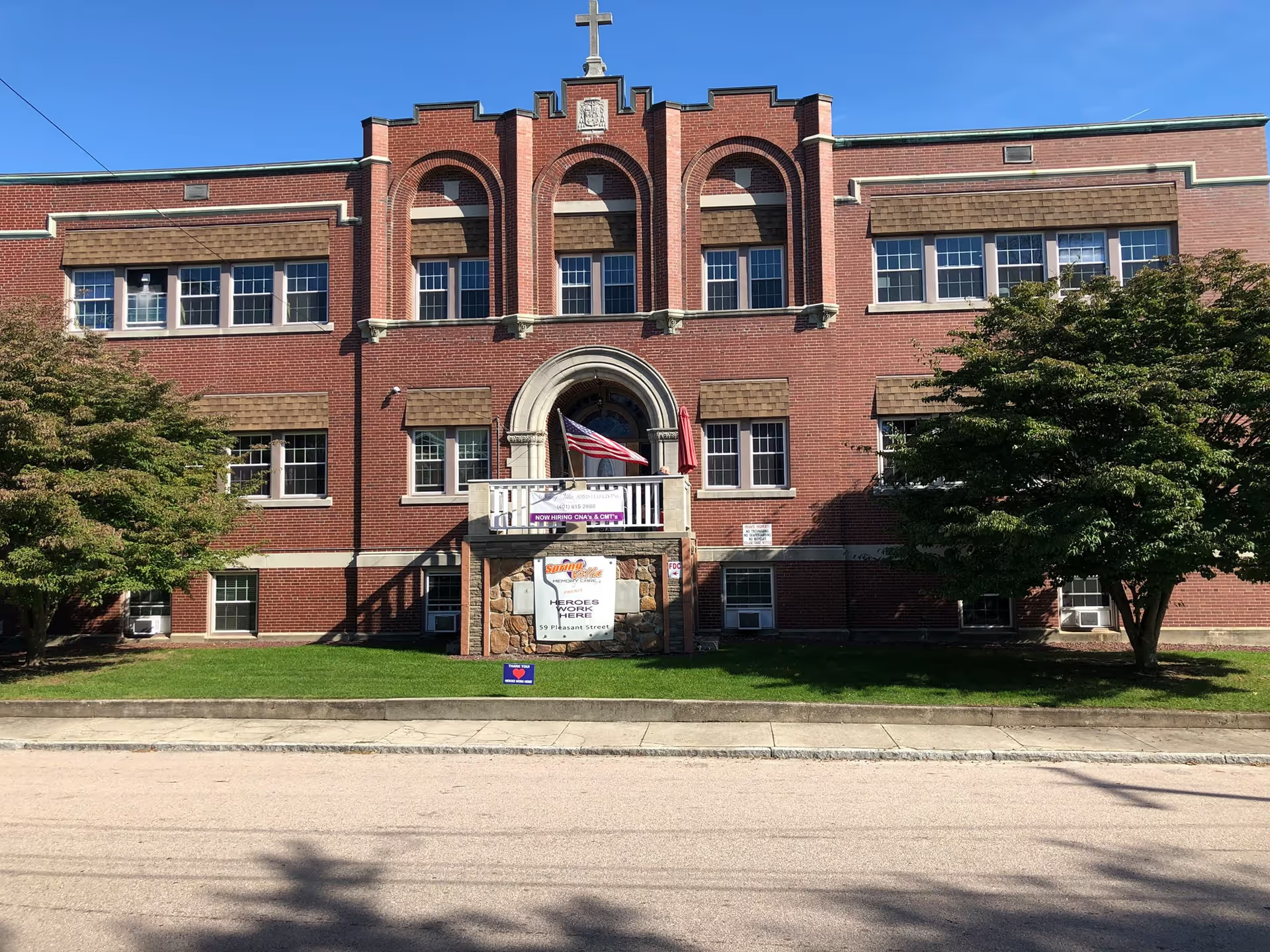
Reviewers describe a facility with clear strengths in rehabilitation and therapy services alongside persistent operational and staffing challenges. The rehabilitation program, particularly physical and occupational therapy, is frequently highlighted as a major asset: therapists are described as skilled, goal-oriented, and effective at progressing mobility and daily-living goals. Organized therapy spaces, in-room therapy options, and a generally accommodating rehab workflow make the short-term post-acute program a good fit for many recovering patients.
Clinical nursing and direct-care staff receive mixed but often positive assessments. Many families praised attentive nurses and CNAs, timely medication administration, and compassionate bedside care; several accounts single out individual staff for exceptional service and note the value of social workers and specific admissions staff in smoothing transitions. At the same time, there are recurrent reports of inconsistent responsiveness to call lights, delays assisting with toileting or transfers, and variability in night-shift conduct and privacy practices. These patterns suggest that care quality may fluctuate by unit and shift.
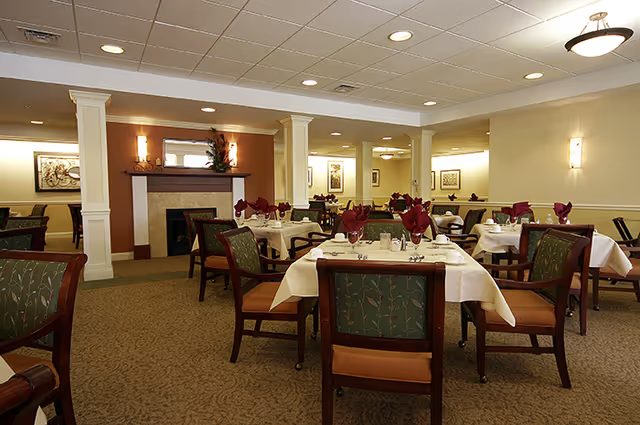
Dining and basic care services are areas of notable variability. Some reviewers described appealing meals and adequate housekeeping, while others raised concerns about meal quality, limited heart-healthy or alternate-diet accommodations, and weekend meal-service gaps. Sanitation and incontinence-care concerns were reported for particular units or stays; these accounts point to uneven cleanliness standards across the facility rather than a universal condition. Infection-control practices were also described as inconsistent in some reports, including breakthrough infections and related operational disruptions.
Management and operations present a mixed picture. Several families complimented admissions leadership and specific administrative staff for being communicative and supportive. Conversely, other reviewers described strained interactions with administration, questions about billing (bed-hold charges), and operational lapses such as transportation refusals or mishandled personal belongings. Reliance on agency or contract staff and high staff turnover are recurring themes that appear linked to variability in daily-care consistency and resident experience.
Notable patterns for prospective residents and families: the facility appears well suited for goal-driven short-term rehab stays where therapy intensity and facility resources are a priority. Long-term care experiences seem more variable, with outcomes heavily influenced by staffing stability and the particular unit or shift. When evaluating placement, families should assess current staffing levels, observe mealtime offerings and diet flexibility, ask about infection-control protocols and night-shift practices, and confirm logistical policies (transportation, bed-hold billing, personal property procedures). Overall, the facility demonstrates clear strengths in rehabilitation and several high-performing staff members, but consistent oversight of staffing, sanitation, dietary accommodations, and administrative communication would be necessary to address the recurring operational concerns described by reviewers.