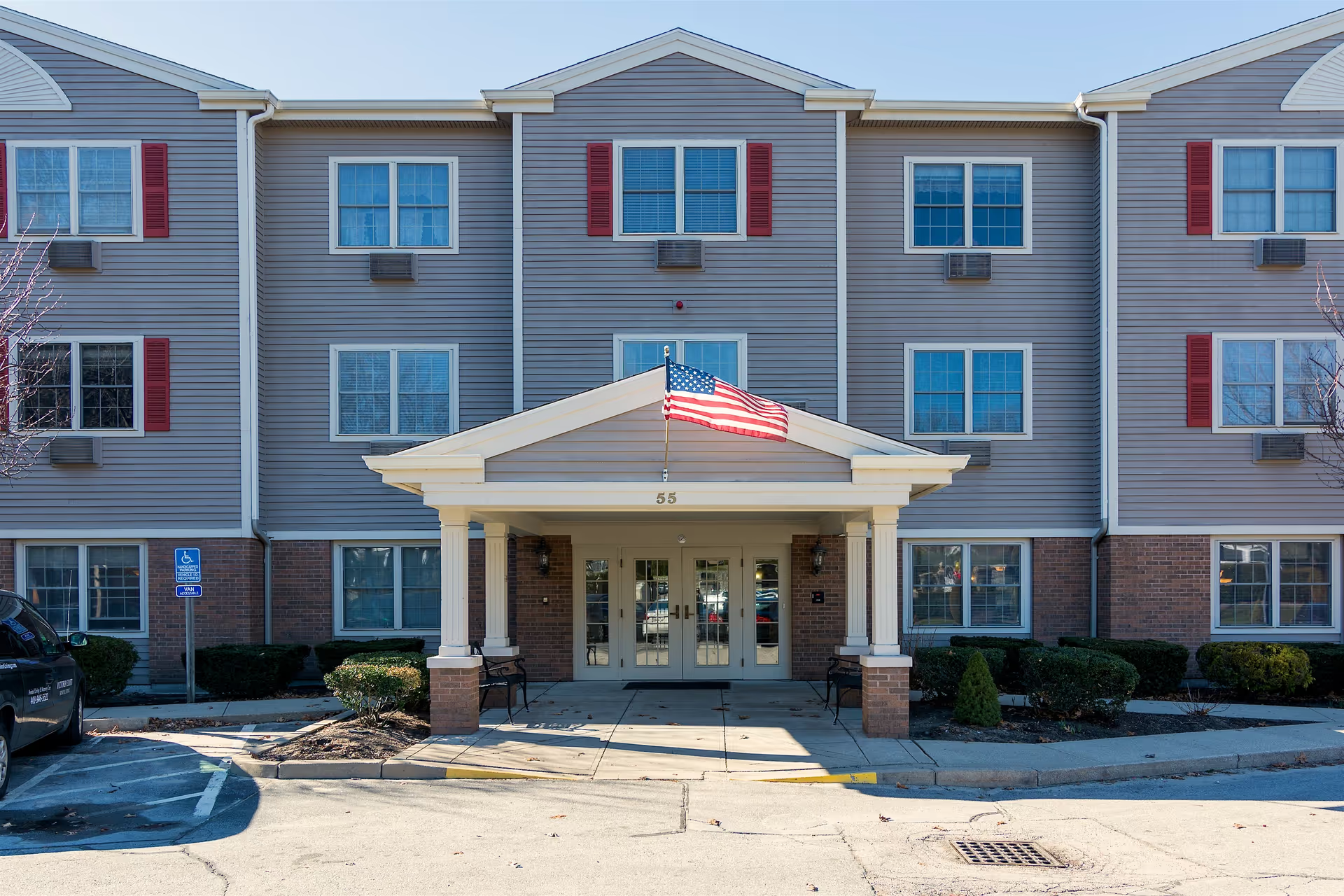
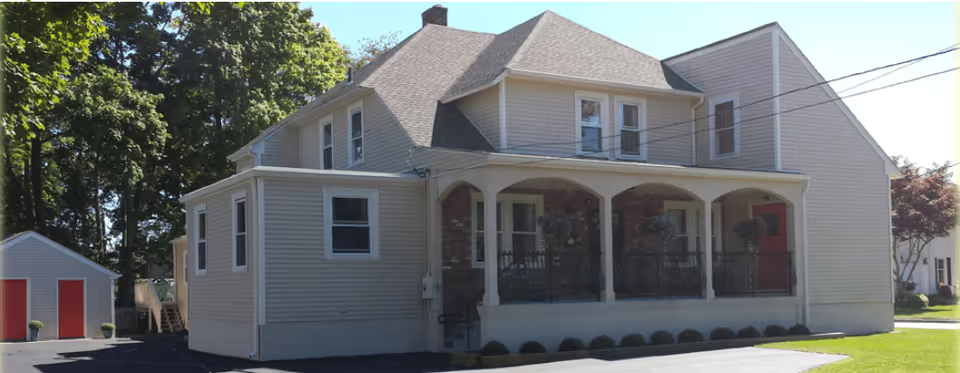
The reviews present a highly polarized picture of care at this facility. On the positive side, the facility receives repeated praise for its rehabilitation and therapy offerings: physical and occupational therapy staff are frequently described as skilled, effective, and instrumental in restoring mobility for short-term residents. Hospice and end-of-life services are also highlighted as compassionate and accommodating, with families noting in-room hospice support and caregiver accommodations. Many reviewers single out certified nursing assistants for being attentive, kind, and responsive; those staff members are commonly credited with providing day-to-day comfort and practical assistance.
Counterbalancing those strengths are consistent operational concerns that affect clinical care and resident experience. Families described delays in personal-care tasks (including toileting and clothing changes), inconsistent assistance with eating, and weight or nutrition intake concerns. Several comments point to staffing shortages and uneven coverage that coincide with slower response times to call bells and longer waits for routine care. There are also recurring concerns about medication-management practices and clinical oversight, with some families reporting medication or clinical-management issues that they felt required stronger supervisory review.
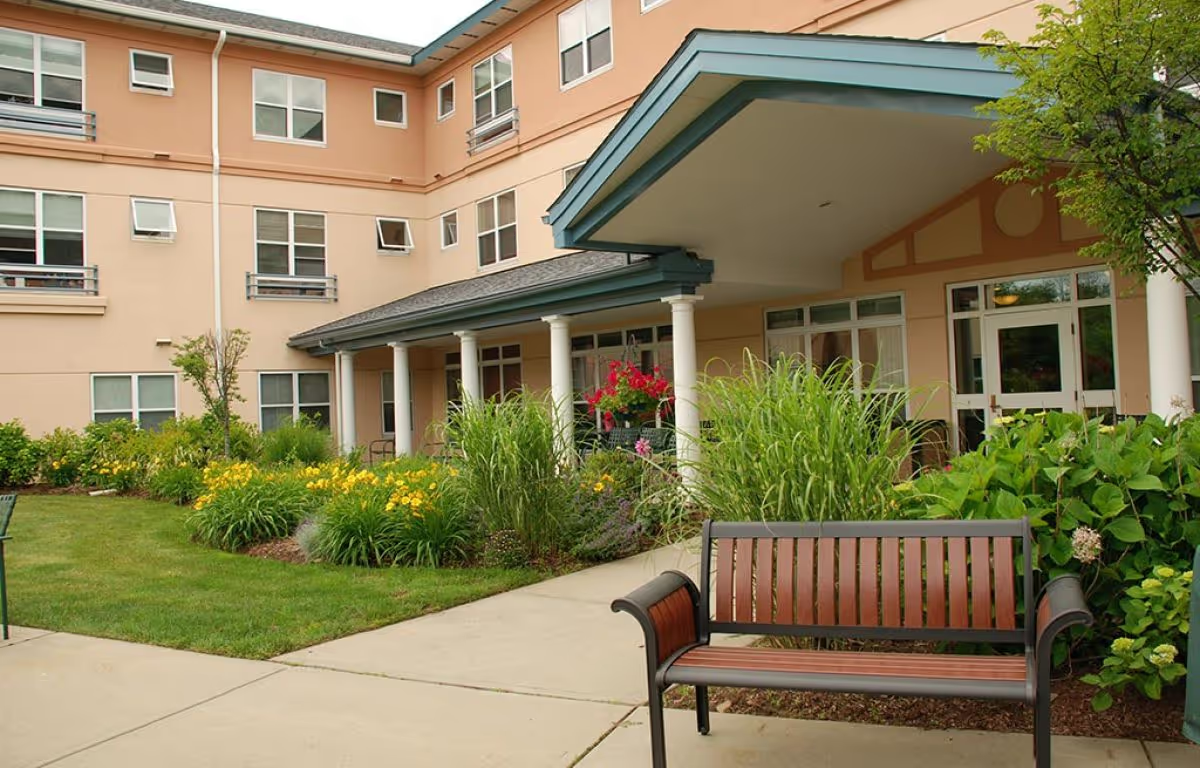
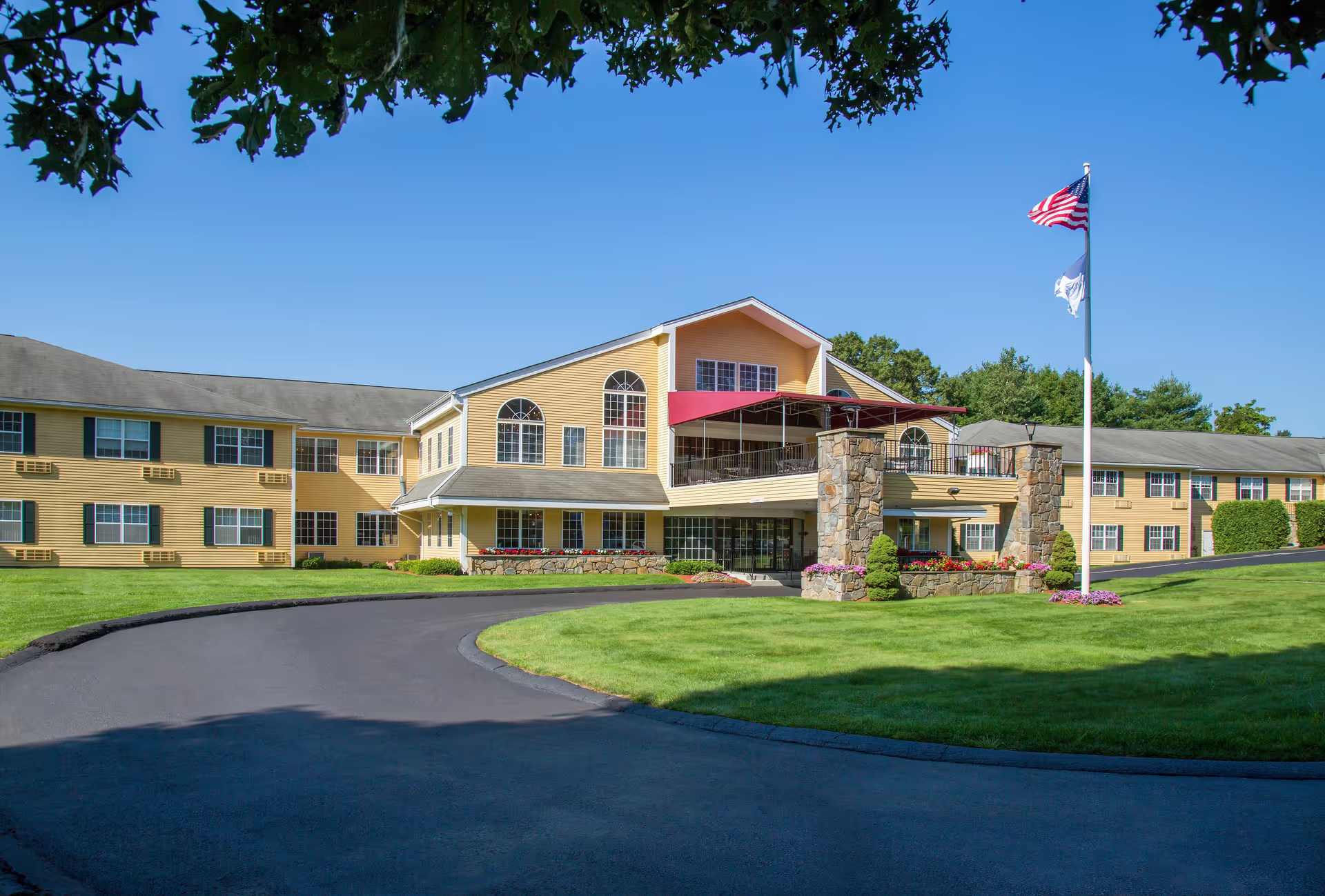
Food, activities, and the physical environment evoke mixed reactions. The activities program and social offerings receive favorable mentions for engagement and variety. Dining experiences vary: some families describe pleasant meals and attentive dining staff, while others cite poor food quality or inappropriate textures for residents with chewing or swallowing needs. Facility cleanliness is similarly mixed — parts of the building and some units are described as well maintained, whereas other areas raise sanitation and housekeeping concerns. Furniture and bathroom conditions were specifically noted as dated or in need of repair by some families.
Staffing dynamics and management practices are central to many of the criticisms. Reviewers describe variability in professionalism and communication tone between frontline caregivers and supervisory nursing staff; charge nurses and some managerial roles are singled out as less effective in several accounts. Families reported inconsistent follow-through on care plans, communication lapses during clinical declines or transfers to acute care, and occasions when family questions did not receive timely answers. Conversely, other reviewers report clear, informative communication and coordinated care during positive stays.
Notable patterns for prospective residents and families: this facility appears capable of strong short-term rehabilitation and compassionate end-of-life care when core therapy and CNA teams are engaged. However, there is a pattern of inconsistency in nursing oversight, personal-care responsiveness, meal preparation for residents with special needs, and housekeeping across units. Those considering placement should weigh the facility's rehabilitative strengths and praised CNA staff against the documented variability in staffing, clinical oversight, and environmental maintenance. Families may want to ask about current staffing levels, medication oversight protocols, dining accommodations for texture-modified diets, and recent housekeeping or quality-improvement actions during tours and pre-admission discussions.