Overall impression: Elderwood of Scallop Shell at Wakefield presents as a clean, bright, and generally well-run short-term rehabilitation and long-term care setting with notable strengths in therapy services and direct caregiving. Many families describe compassionate, attentive nurses and CNAs, routine staff check-ins, and proactive communication from the care team. The facility features a well-equipped therapy gym, an active activities calendar (including outings, cribbage, music, and remembrance events), on-site amenities such as a salon and library, and pleasant outdoor seating that support social engagement and rehabilitation goals.
Care and clinical services: The physical and occupational therapy departments receive consistent praise for clinical skill, equipment, and emphasis on getting residents out of their rooms. Several accounts describe successful short-term rehab outcomes. Nursing and caregiving quality is frequently characterized as compassionate and responsive; functioning call-bell systems and routine family updates are positive touchpoints. However, reviewers also describe variability in nursing continuity and experience across shifts. There are recurring concerns about gaps in clinical follow-through during off-hours and weekends, which some families linked to delays in treatments or escalations of medical issues. Prospective families should clarify weekend clinical coverage and back-up protocols for urgent care needs.
Staffing, training, and management: Staffing adequacy is a mixed picture. While many reviewers highlight committed teams and strong teamwork, others note understaffing, particularly on weekends, and elevated staff turnover. These patterns are associated with perceptions of uneven experience levels among some staff and occasional lapses in routine processes. Management responsiveness is similarly variable: some families praise cooperative admissions and proactive department-head updates, whereas others describe difficulty obtaining timely explanations or resolution for concerns. There are also isolated and serious allegations raised by families, including alleged theft and discriminatory conduct, which warrant direct inquiry with administration and review of facility incident-handling practices.
Dining, safety, and operations: Dining receives inconsistent assessments; some reviewers commend fresh soups and high-quality meals, while others cite issues with meal temperature, availability (sandwich shortages/delays), and menu consistency. Operational weaknesses noted across reviews include admissions/intake and personal-item tracking procedures, occasional privacy lapses around room entry, and limited memory-care programming relative to other services. Security measures such as camera-monitored exits are in place and appreciated, but a few families raised concerns about resident elopement risk and hallway safety, which suggests variable implementation of door and wander-management practices.
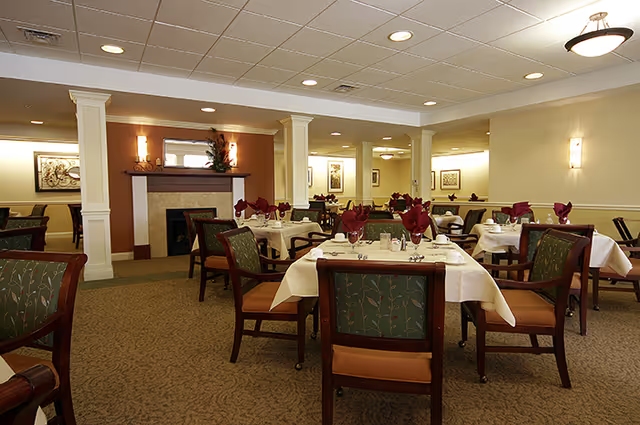
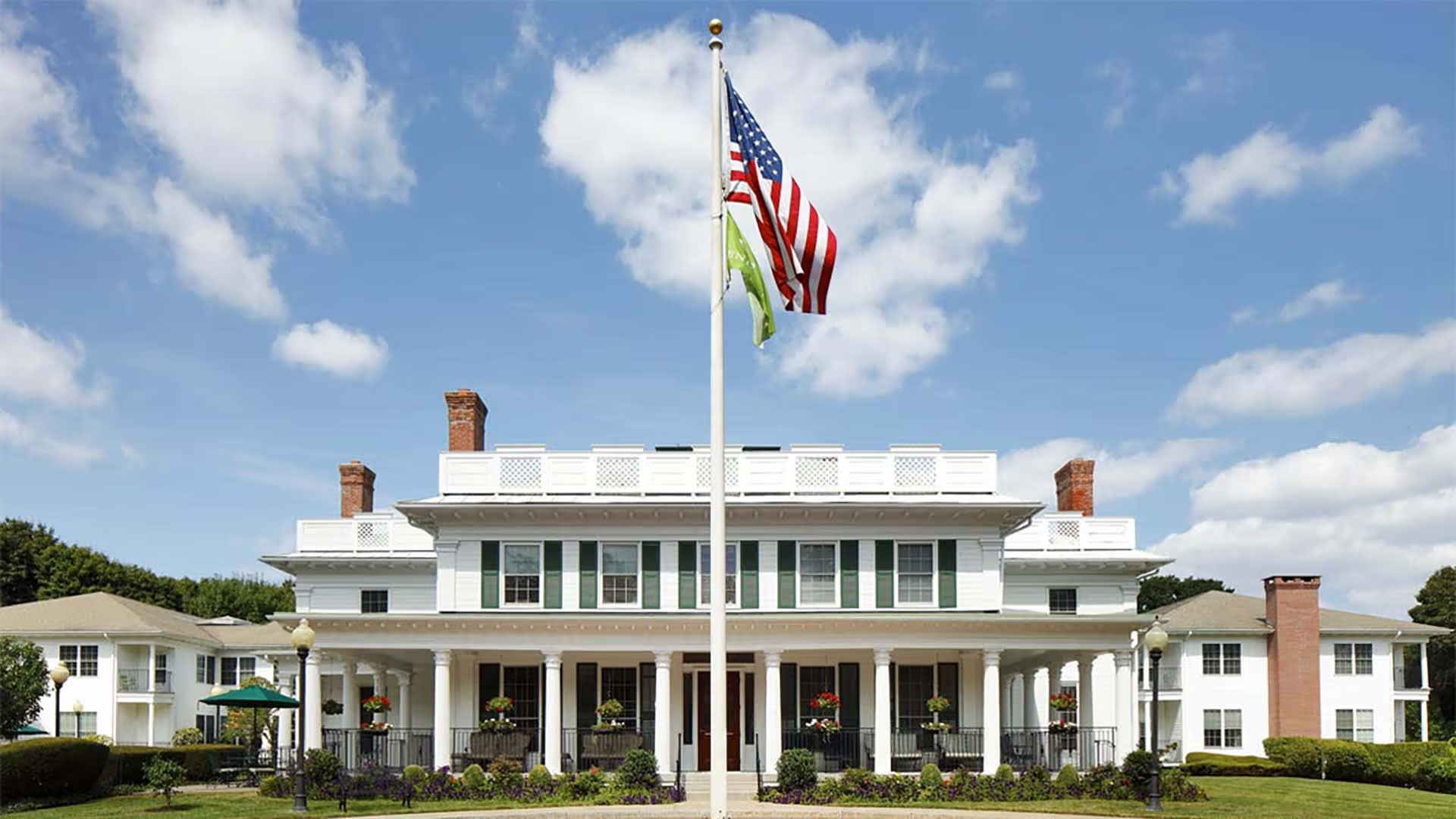
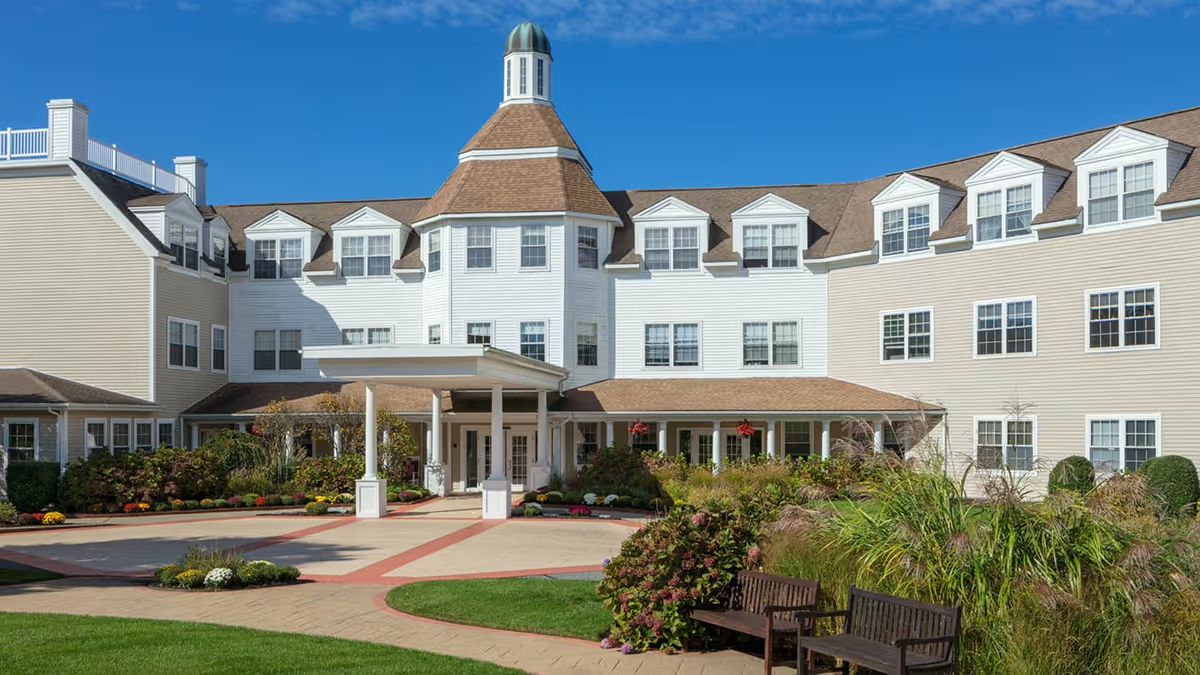
Facilities and atmosphere: The physical environment is commonly described as modern, homey, and well-maintained. Rooms are generally clean and bright, though some are small and semi-private configurations may not suit all residents' space needs. The campus and common areas receive positive feedback for upkeep and aesthetics.
Notable patterns and guidance for families: Strengths center on therapy services, engaged activities, and many compassionate direct-care staff. Recurrent operational themes to probe during a tour or intake conversation include weekend staffing and rehab availability, off-hour clinical escalation procedures, memory-care capacity and programming, inventory and intake tracking for personal belongings, meal service practices (including meal temperature and supply consistency), and the facility’s process for handling complaints or serious allegations. Asking for recent inspection reports, staffing ratios by shift, and documentation of staff training can help families evaluate how the facility’s strong elements are paired with controls for the documented weaknesses.