Overall impression: Reviews present a mixed picture in which interpersonal strengths are prominent but important operational gaps are also described. Families and some residents emphasize compassionate, friendly care from nursing, therapy and administrative staff, a home-like atmosphere, and availability of hospice and rehabilitation services. At the same time, several operational issues — particularly around diet management, clinical response, and mobility support — emerge as recurring concerns that prospective residents and families should evaluate closely.
Care quality and clinical concerns: Many remarks praise the compassion and accessibility of nursing and social-work staff, and hospice teams are described as providing comfort at end of life. However, there are specific concerns about clinical follow-through: reviews describe instances where prescribed therapeutic diets for residents with advanced swallowing difficulty were not consistently implemented, and at least one account raised serious concerns following a resident's death that involved aspiration-related respiratory infection and systemic complications. These comments point toward potential weaknesses in swallowing-diet compliance, clinical assessment, and timely medical response. Prospective residents with complex medical needs — especially advanced dysphagia or recent hospital discharges requiring close monitoring — should confirm the facility's protocols for diet verification, swallowing assessments, and rapid escalation of medical issues.
Rehabilitation, mobility, and staffing: The facility offers on-site PT/OT/speech services and oxygen-support equipment, and some families reported positive therapy experiences. Other reviews, however, describe inconsistent therapy quality or inexperience among therapy staff, and note limited assistance with walking and ambulation. This suggests variability in therapy staffing and in the level of hands-on assistance provided. For individuals needing higher-acuity or intensive post-hospital rehabilitation, the facility may have limited capacity; families should review therapy staff credentials, care plans for mobility, and staffing patterns during peak hours.
Dining, activities, and daily living: Dining impressions are mixed. Several residents expressed satisfaction with meals, while other accounts point to meals that did not align with prescribed diets (e.g., foods unsuited for advanced dysphagia). There is consistent mention that personal items are permitted in rooms, contributing to a home-like feel. Reviews provide limited detail about organized recreational programming or activities; the strongest social descriptors relate to a family-like environment and accessible staff rather than a robust activity schedule.
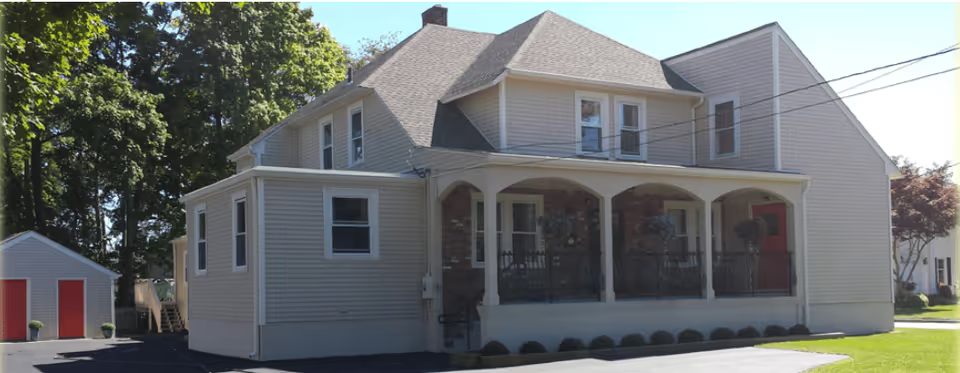
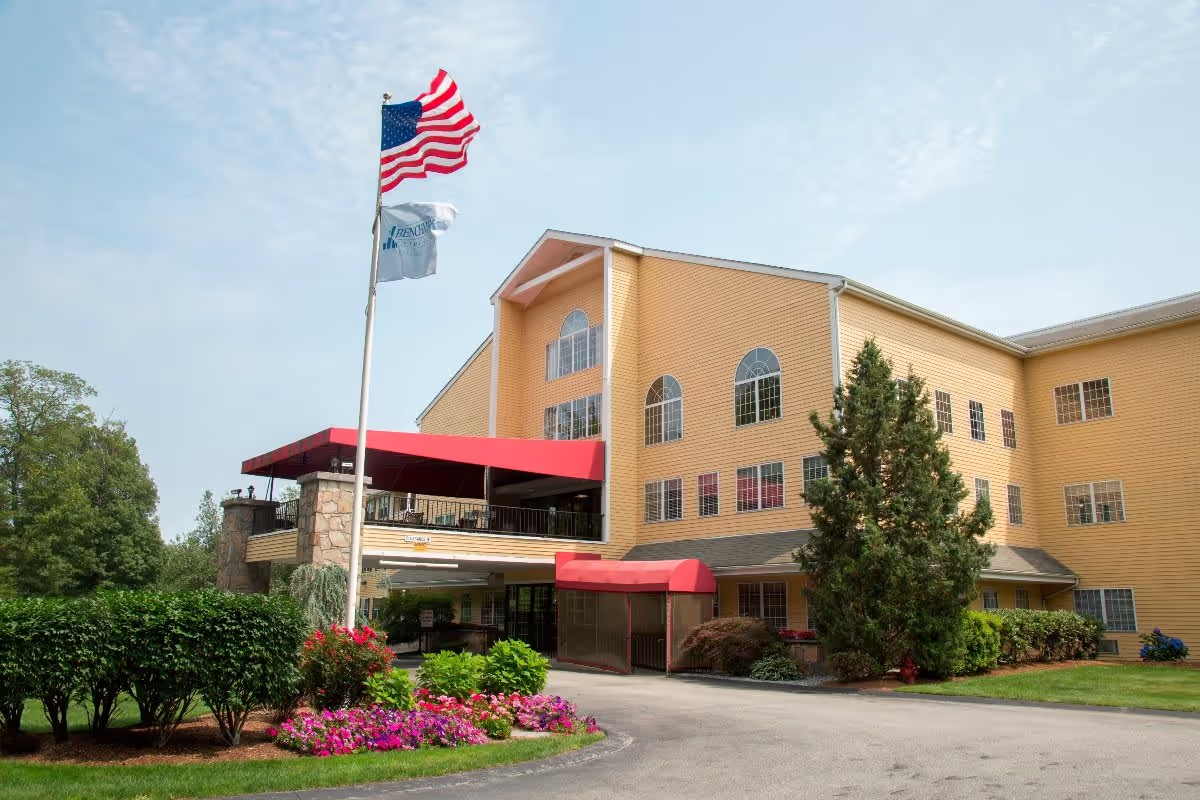
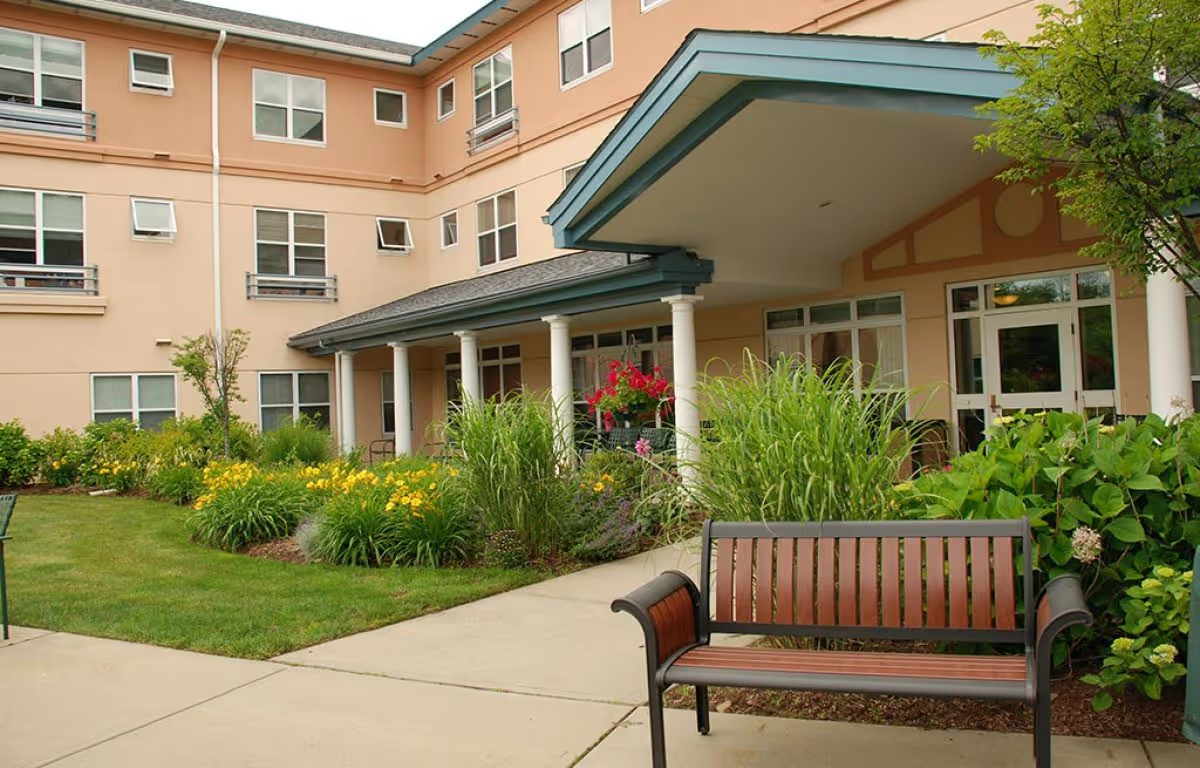
Facilities and management: The building is described as older with relatively small rooms; cleanliness and general maintenance were positively noted in multiple comments. Room placement and roommate compatibility are areas of concern — examples of basement rooms and unsuitable roommate assignments indicate room-allocation processes could be improved. Administrative and social-work staff receive praise for emotional support and accessibility, but some reviewers expressed dissatisfaction with communication and responsiveness following adverse clinical events. Families should ask administrators about roommate-assignment policies, incident communication procedures, staffing ratios, and emergency escalation protocols.
Recommendation for prospective families: The facility demonstrates clear strengths in compassionate interpersonal care, basic rehabilitation services, and hospice support, and it may be a good fit for residents seeking a warm, family-oriented setting with available therapy and medical equipment. However, families of residents with high medical acuity — particularly those with swallowing disorders or recent hospital discharges requiring close monitoring and ambulation support — should perform targeted due diligence: verify diet-adherence processes for dysphagia, review therapy staffing and experience, observe mealtime procedures, and discuss room-assignment and clinical-incident communication practices with management before making a placement decision.