Overall impression: Reviewers describe Grace Barker Health as a family-owned facility with a homelike atmosphere and consistently attentive staff. Positive comments cluster around the clinical and rehabilitative strengths of the facility, with families noting engaged therapists, a full-service rehab unit, and successful coordination of medical and psychiatric assessments that led to medication stabilization. Communication with families is frequently characterized as prompt and ongoing, and the administrator is described as visible and responsive.
Care quality and clinical services: The facility is portrayed as clinically competent, particularly for short-term rehabilitation and complex geriatric needs. Reviewers highlight skilled physical and occupational therapy, access to geriatric psychiatric evaluation, and effective medication management. Social services are also noted as responsive, and several accounts reference peaceful, well-supported end-of-life care. These elements suggest an ability to manage both restorative and palliative needs with interdisciplinary involvement.
Staff and management: Staff are consistently described as compassionate, friendly, and attentive; many family members emphasized individualized gestures and a sense that staff develop personal relationships with residents. The family-owned management structure and local community roots are viewed positively and associated with hands-on leadership and prompt resolution of issues. The visible administrator and reported responsiveness reinforce a perception of accessible management.
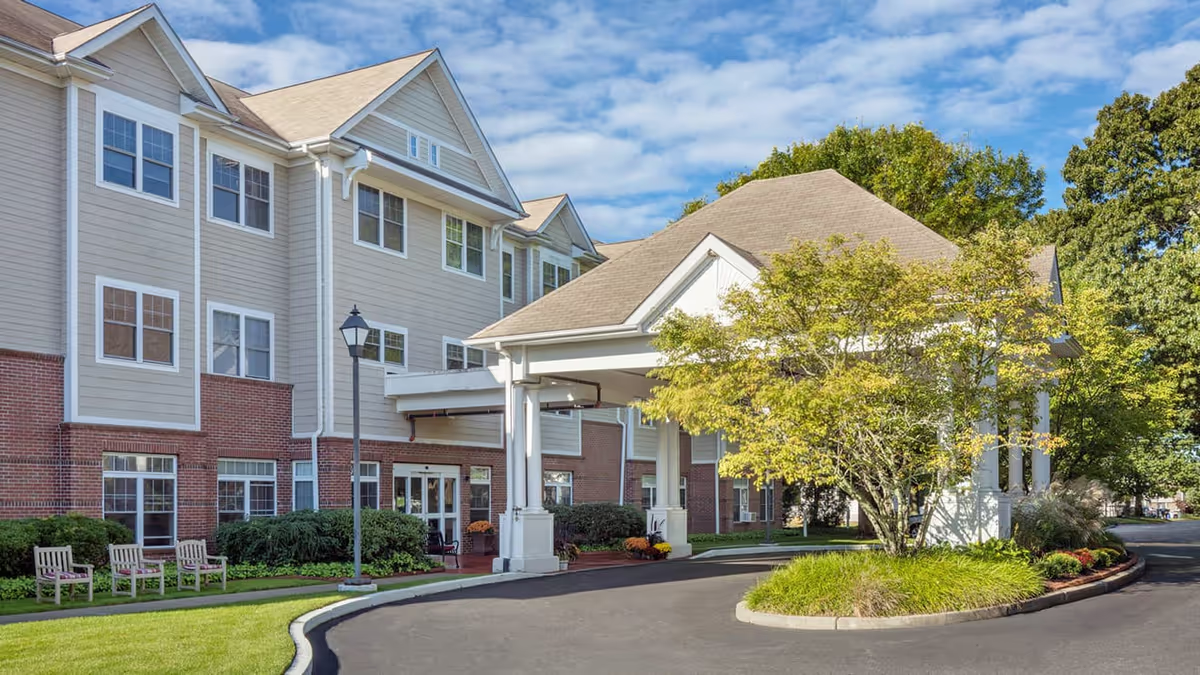
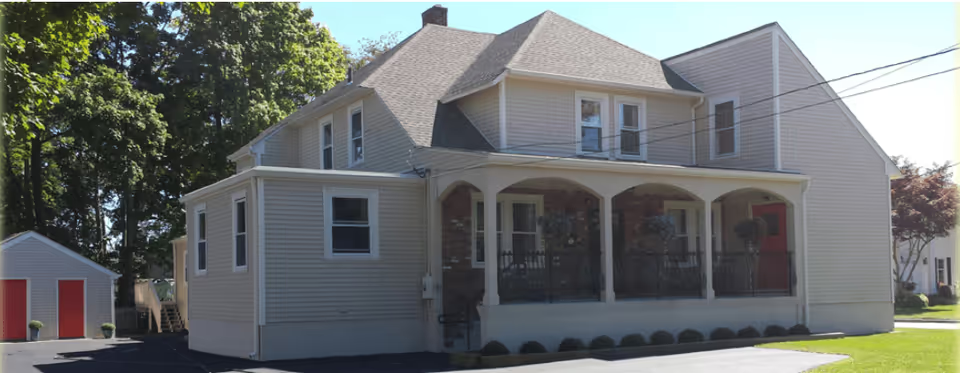
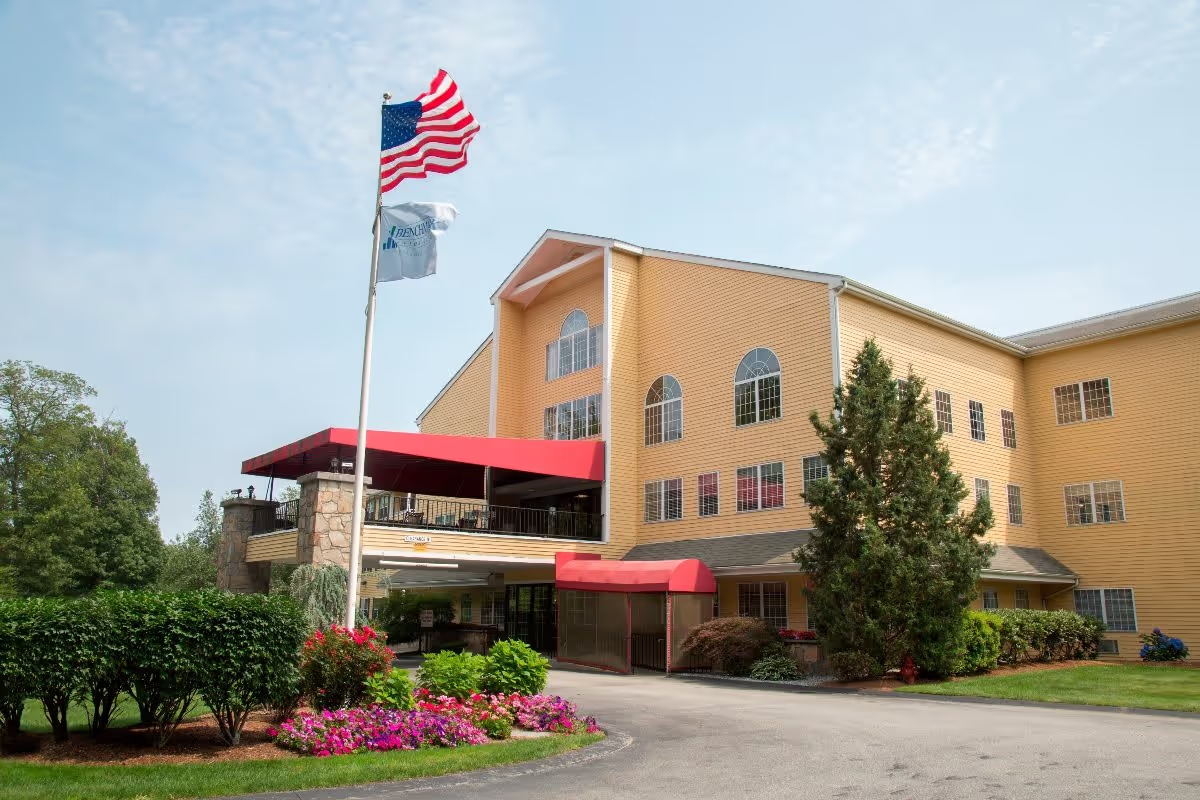
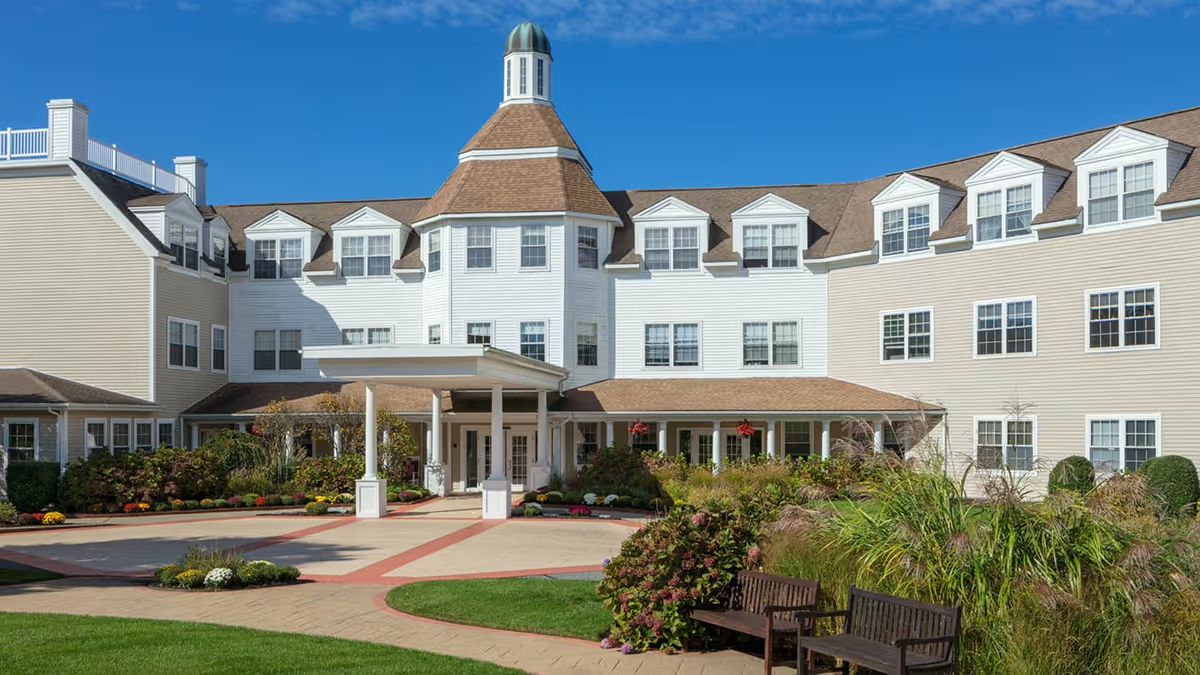
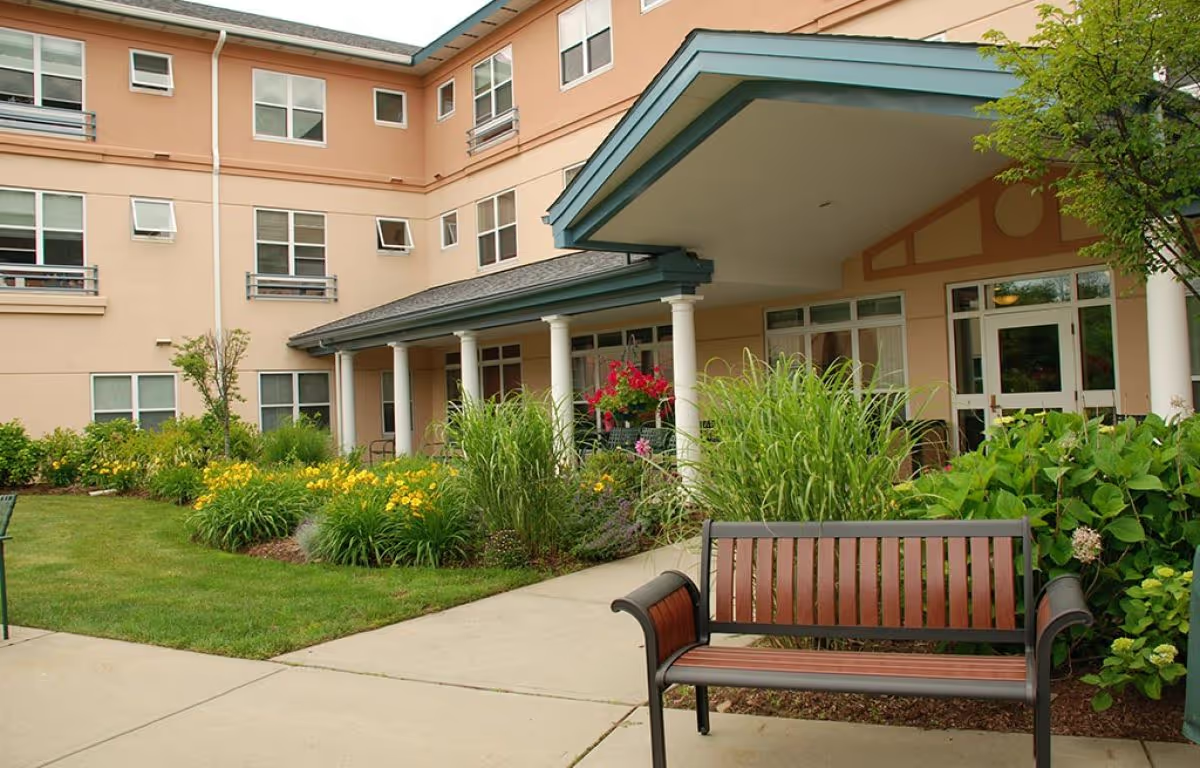
Dining, activities, and environment: Dining receives favorable commentary for quality and variety. The facility environment is described as immaculate and well maintained, with quarterly decor updates and attention to common areas. Activity offerings such as bingo and exercise groups are present and noted as opportunities for socialization. A recurring pattern is that residents in intensive therapy often do not participate in wider activity programming; reviewers indicate that therapy schedules can limit involvement in community activities.
Notable patterns and areas for consideration: The dominant themes are strong rehabilitative services, effective family communication, and a clean, homelike setting with engaged staff. Potential operational limitations to consider are related to activity integration for short-stay or intensive-rehab residents: therapy-focused scheduling can reduce opportunities for participation in broader social programs. Prospective residents and families who prioritize intensive rehabilitation should balance the excellent therapy resources against the likelihood of reduced activity involvement during the rehab stay.
In summary, Grace Barker Health is consistently portrayed as a caring, therapy-capable, and well-managed facility with strengths in communication, clinical coordination, and environmental upkeep. Families seeking strong short-term rehabilitation and personalized, family-style management are likely to view these attributes favorably; those who prioritize daily participation in group activities during an intensive therapy course should inquire about how therapy and recreational schedules are coordinated.