Overall impression The reviews present a mixed but clear pattern: the facility receives repeated praise for its caregiving teams and rehabilitation services, while operational and environmental inconsistencies create uneven resident experiences. Many families emphasize compassionate, attentive nursing and aide staff, strong physical and speech therapy programs, and an active activities department. At the same time, a subset of accounts point to lapses in basic care processes and facility upkeep that materially affect some residents.
Care quality and clinical responsiveness Clinical strengths are a consistent theme: reviewers describe attentive nurses and CNAs, effective PT/speech therapy, and emotional support during difficult transitions. Numerous rehabilitation patients report good outcomes and safe, supportive therapy. Counterbalancing these positives are accounts that indicate delayed recognition of clinical change, difficulties obtaining timely assistance, and lapses in continence-care and bathing schedules. These issues are best characterized as operational gaps in clinical responsiveness rather than uniformly poor clinical practice — they appear to correlate with staffing variability and unit-level differences.
Staff and management Staff at the point of care receive substantial and repeated commendation for compassion, going above and beyond, and building family-like relationships with residents. Several reviewers singled out individual nurses, CNAs, and therapists for exceptional attention. Management and administration draw mixed comments: many families praise responsive leadership and problem resolution, while others report perceived administrative priorities that feel financially driven and note curt or unhelpful interactions at reception. Communication consistency — especially between families and clinical staff or front-desk personnel — is a clear area for improvement.
Dining and nutrition Feedback on dining is variable. Some reviewers find the food comforting and better than alternatives, and dining spaces are described as comfortable and communal. Opposing comments highlight inconsistent meal delivery, portions or placement of meals out of residents' reach, and occasional dissatisfaction with menu quality. These points suggest the facility provides a generally acceptable dining program, but assistance during meals and menu consistency may be uneven across units or shifts.
Activities and psychosocial support The facility’s activities program is frequently praised for keeping residents engaged with bingo, music, movies, and other social events. Reviewers commonly note attention to psychosocial and emotional needs alongside physical care, contributing to a small-community atmosphere that families value.
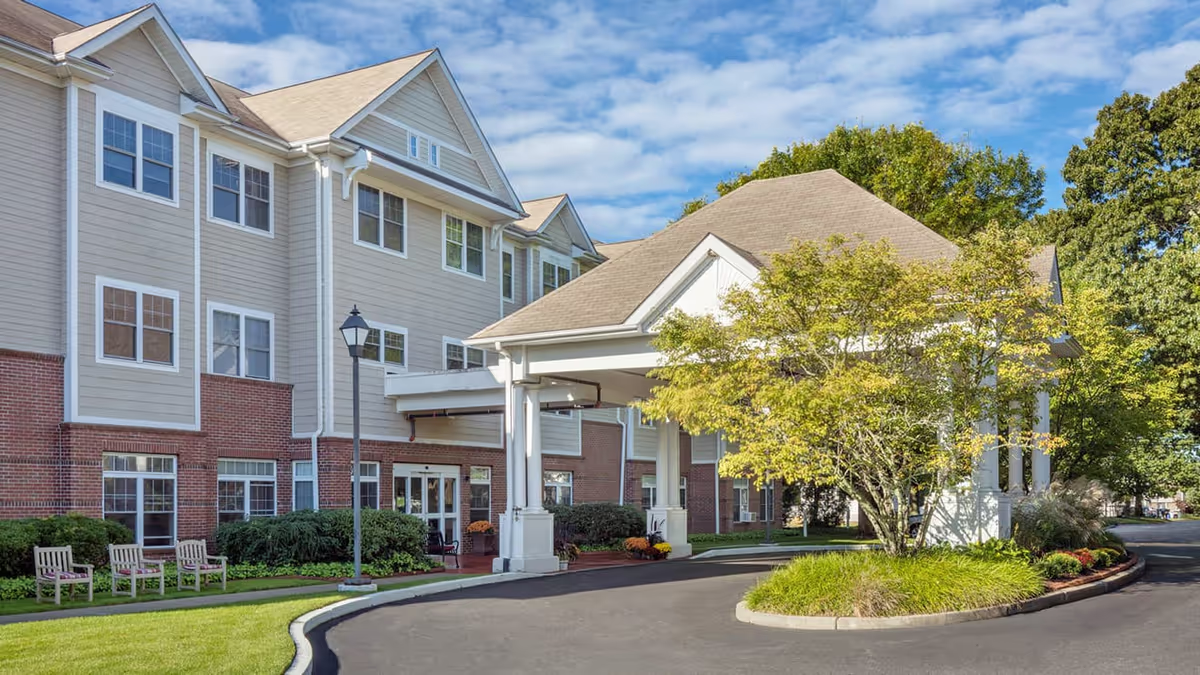
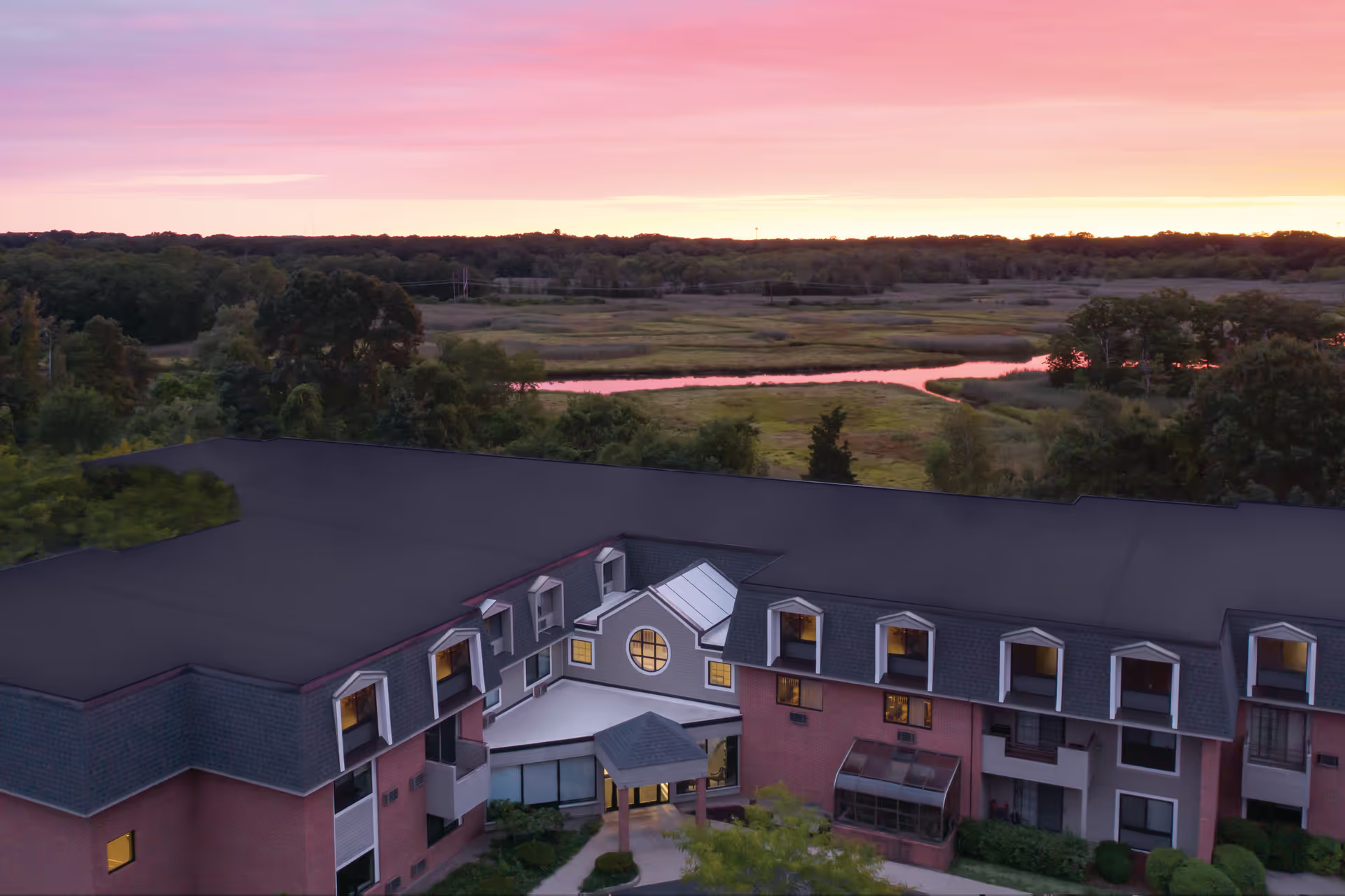
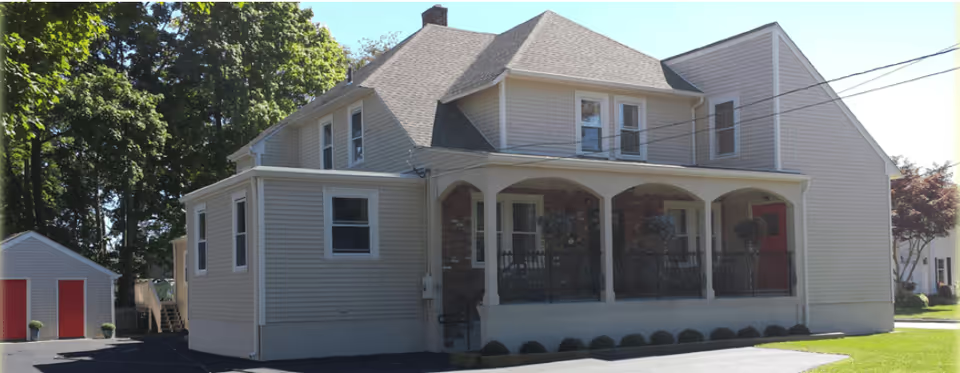
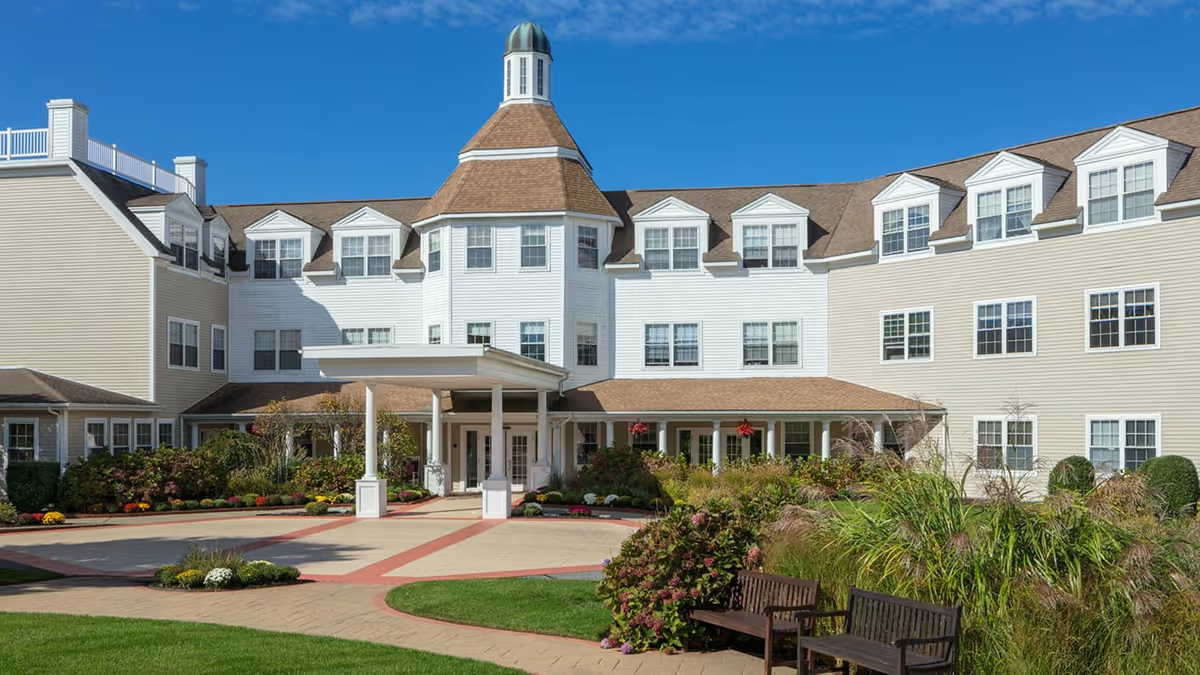
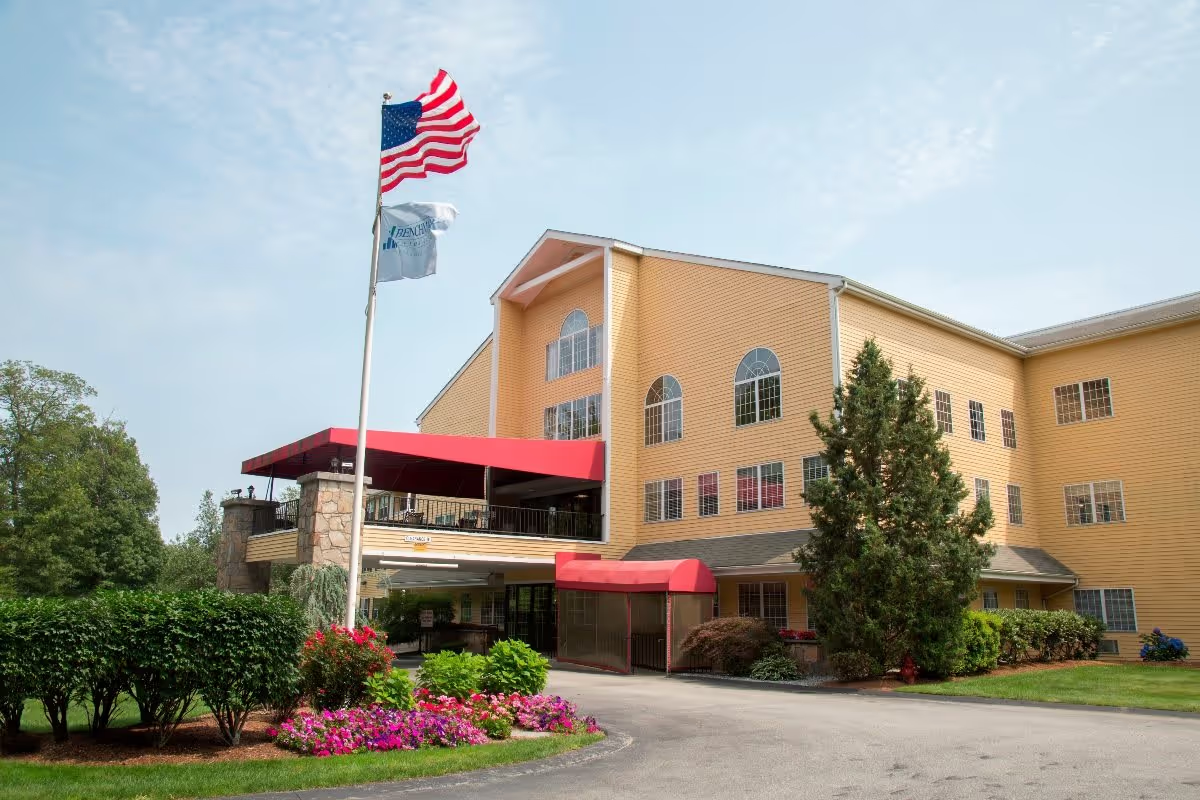
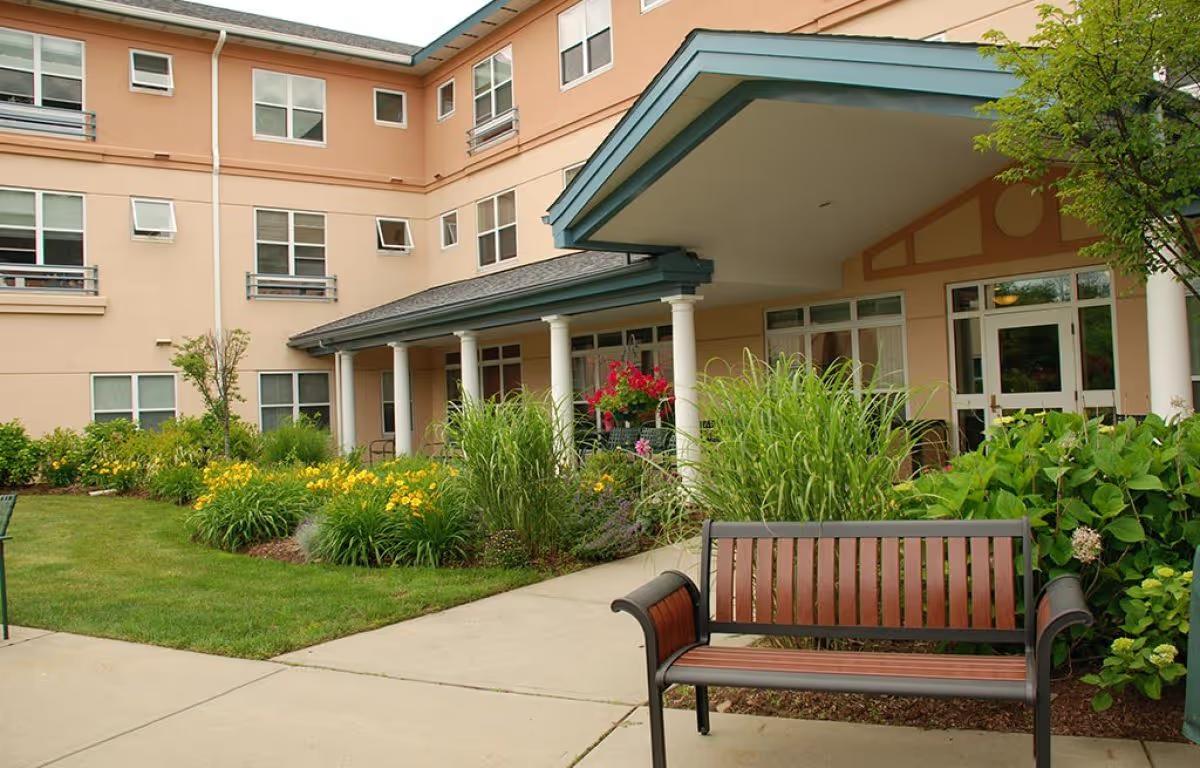
Facilities and housekeeping Many comments describe a clean, well-maintained interior and proactive housekeeping, with some rooms recently renovated. However, reviewers also describe variability: odor concerns and sanitation issues in particular areas, inconsistent laundry or clothing management practices, small room footprints for the price charged, and shared bathroom arrangements in some units. The exterior appearance and some unrenovated rooms do not always align with the better-maintained sections, indicating uneven capital investment or phased renovations.
Notable patterns and guidance for prospective families The dominant positive signal is high-quality, compassionate bedside care and strong rehabilitation services. The dominant negative signals are operational: inconsistent staffing, delays in responding to resident needs, and variability in cleanliness and room quality. These patterns suggest that outcomes at this facility can depend significantly on unit, room, and shift.
Prospective families should consider an in-person visit focused on the specific unit and room being offered, ask about current staffing ratios and typical response times, review bathing and incontinence-care protocols, confirm meal-assistance procedures, inspect laundry and clothing-management processes, and verify phone/communication arrangements for the resident’s room. Reviewing recent inspection reports and speaking directly with the clinical manager about contingency plans for clinical deterioration will help clarify whether the facility’s strengths align with an individual resident’s needs.