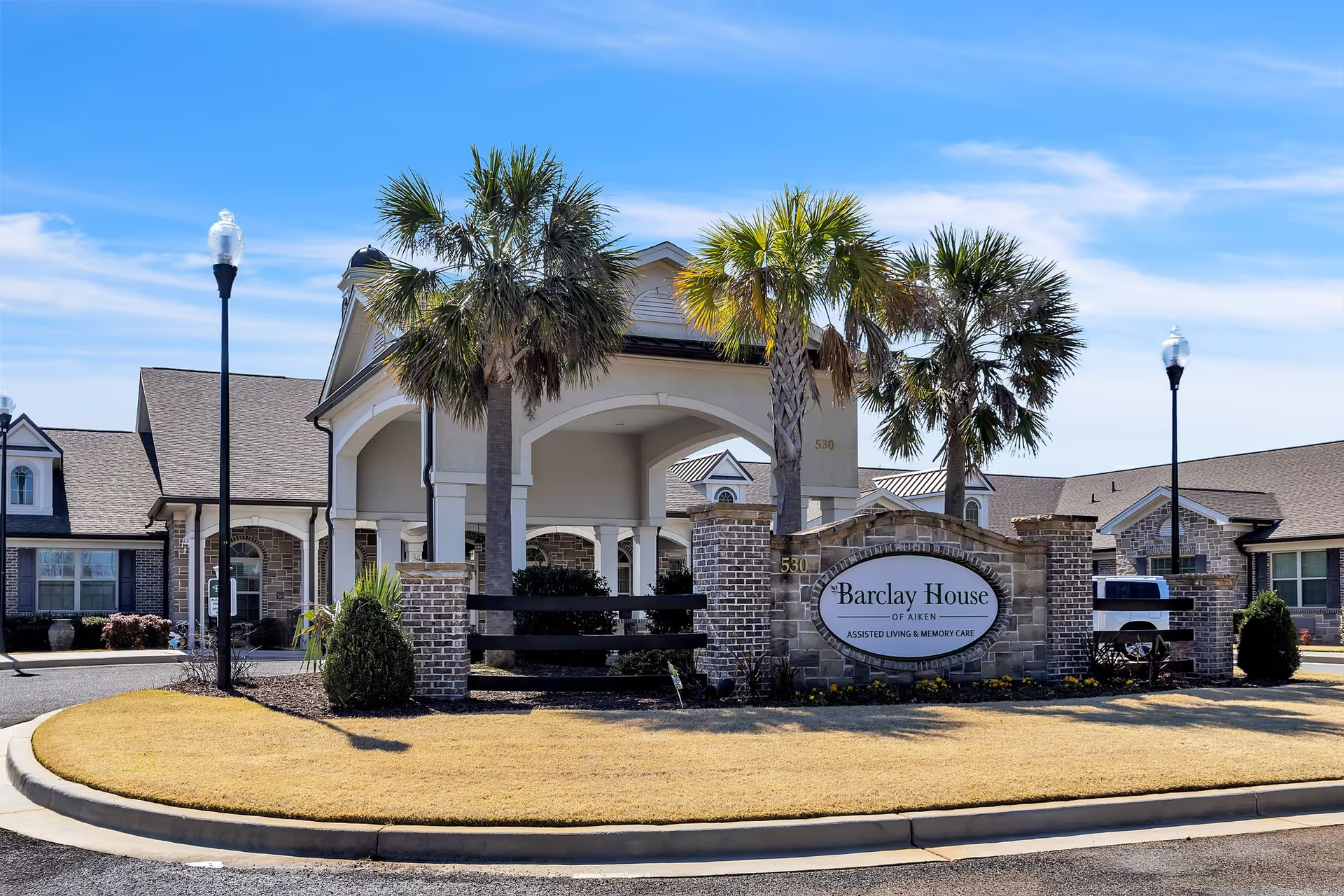
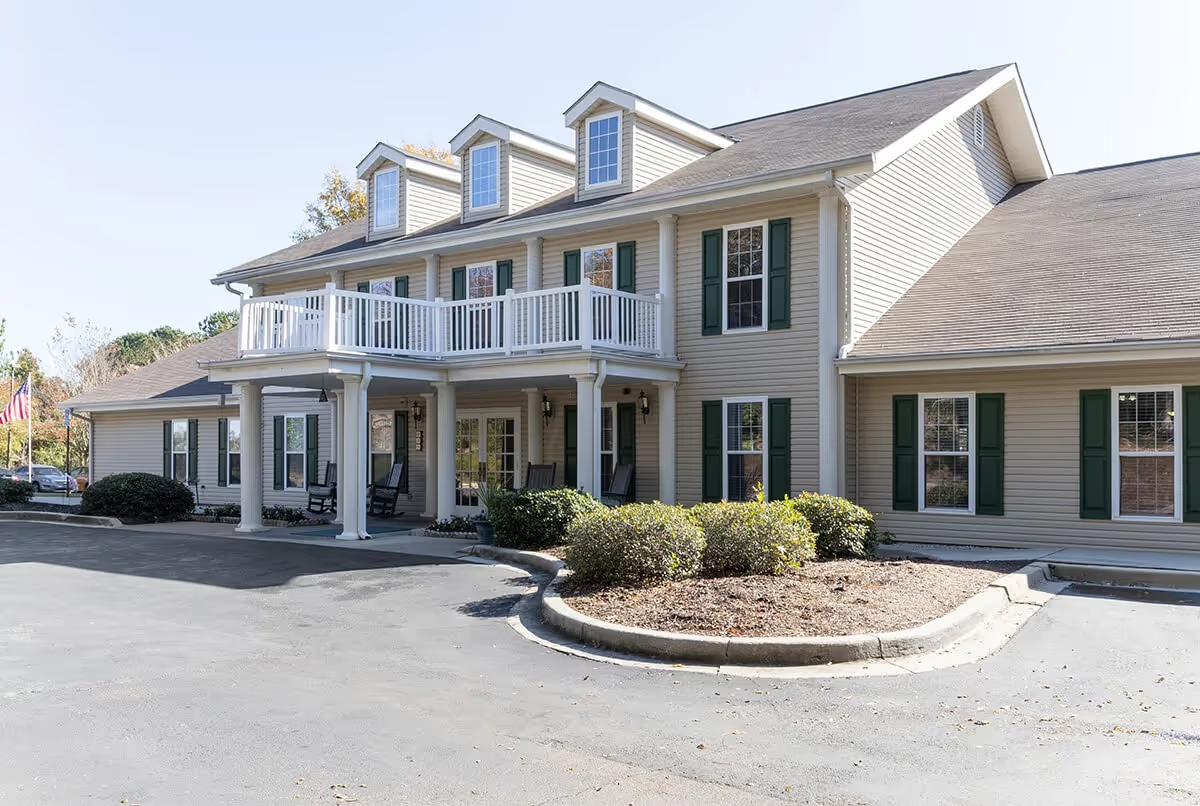
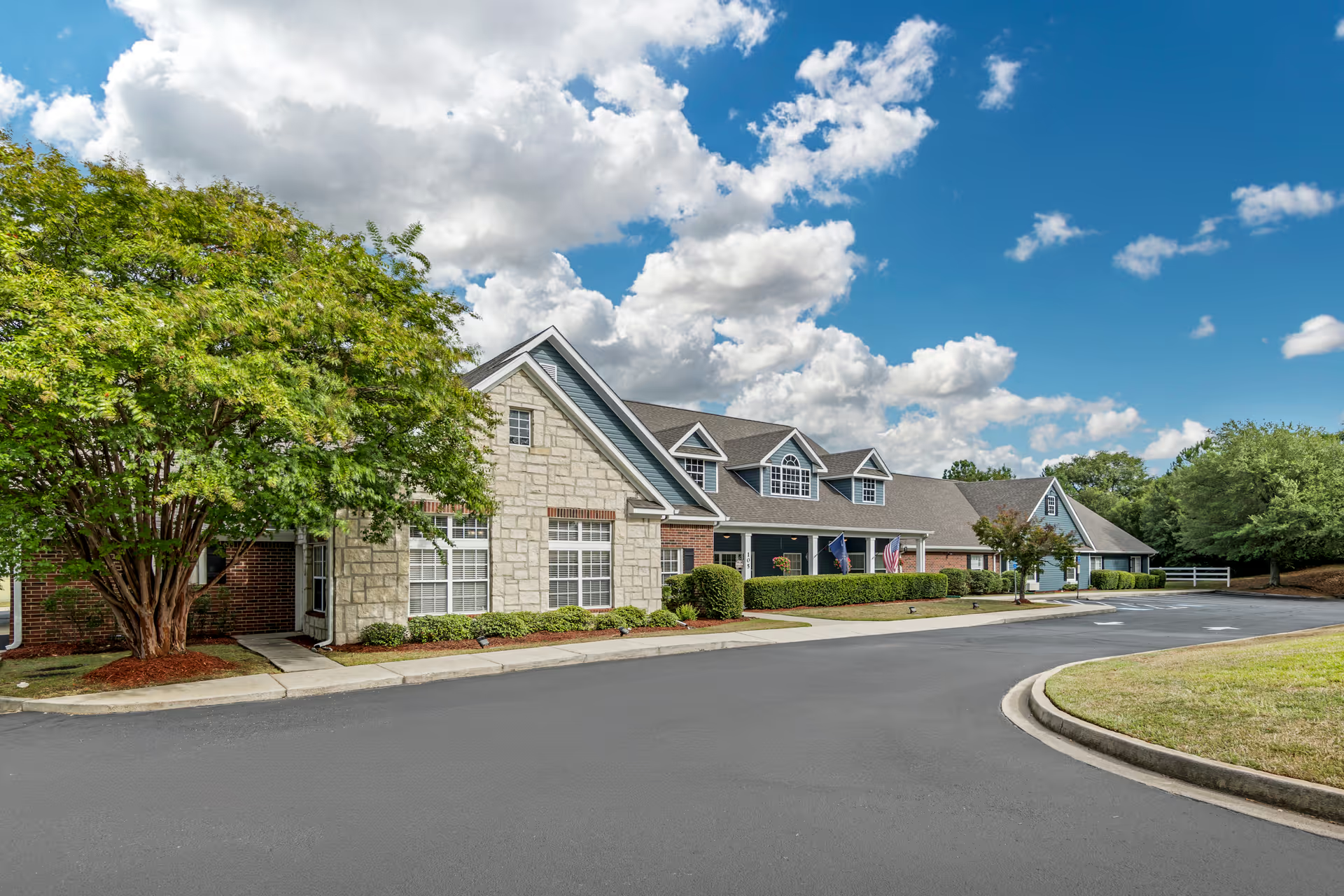
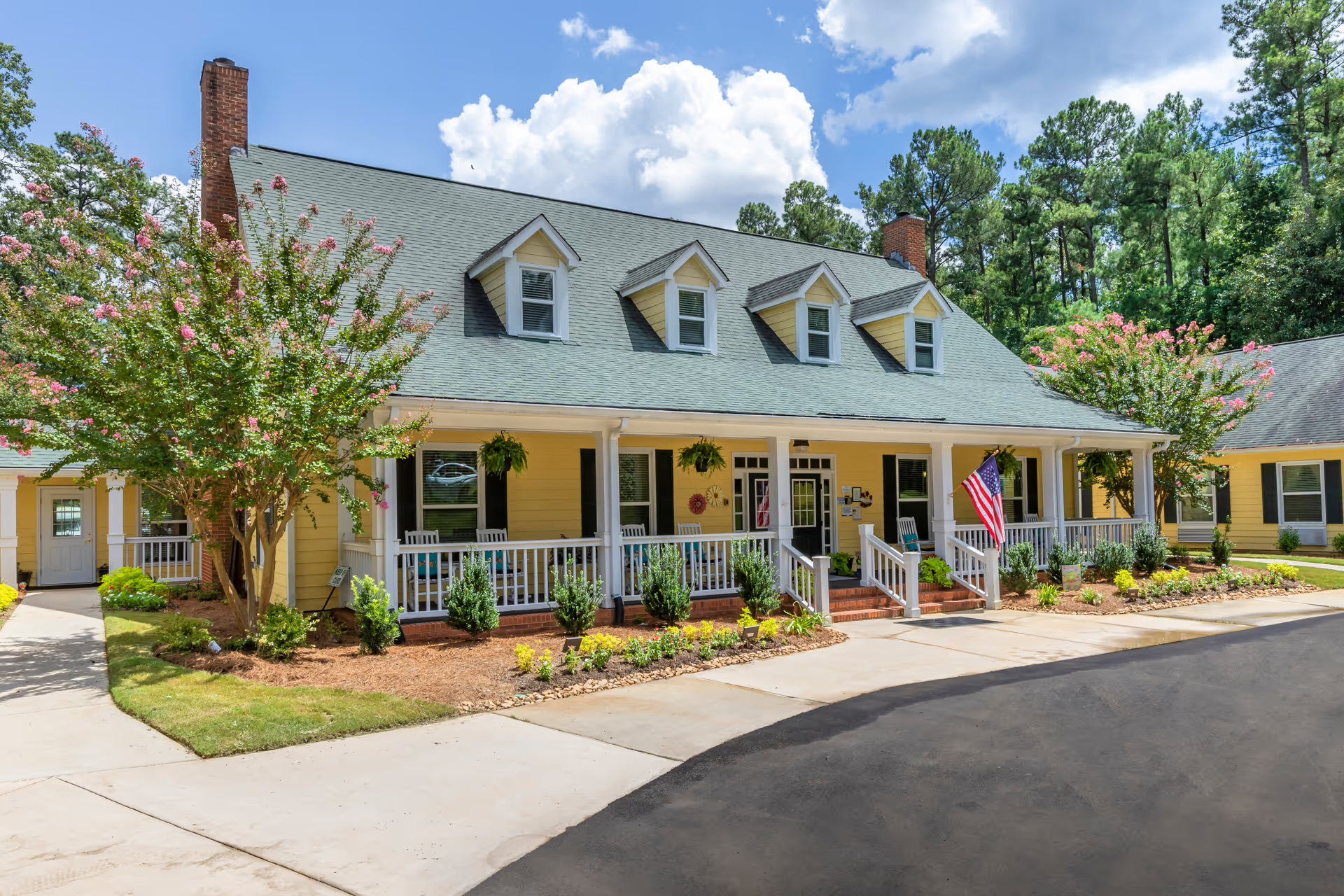
Reviewers describe a facility with clear strengths alongside recurring operational weaknesses. Strengths most consistently cited include caring, compassionate direct-care staff and a robust rehabilitation/therapy program that enabled some residents to return home. Admissions staff and some administrative personnel are frequently described as helpful and informative, and several individual caregivers received explicit praise. The campus offers pleasant outdoor amenities and generally comfortable rooms, and many families noted prompt maintenance and attentive hospice coordination for end-of-life needs.
Care quality is uneven. When staffed and managed well, nursing and CNA teams are described as attentive and family‑oriented; however, reviewers indicate variability by shift and unit. Several accounts point to delayed responses to calls, inconsistent bedside checks, and gaps in clinical skills or judgment. These patterns translate into concerns about medication and pain management, and inconsistent approaches to toileting and personal care assistance. A number of reviewers highlighted specific caregivers as exemplary, underscoring that positive experiences often hinge on individual staff members.
Dining and nutrition receive mixed assessments. Some residents and families enjoyed meals and the dining atmosphere, but others experienced late trays, incorrect meal handling, or inadequate dietary accommodations. Meal timing and snack availability were cited as operational issues by multiple reviewers and appear to be an area where consistency is lacking.
Activities programming is a relative strength: the facility offers a variety of social and recreational options that families and residents found meaningful, including music, bingo, and seasonal events. Therapy and rehab spaces and staff were also praised for motivating and informative approaches when functioning as intended.
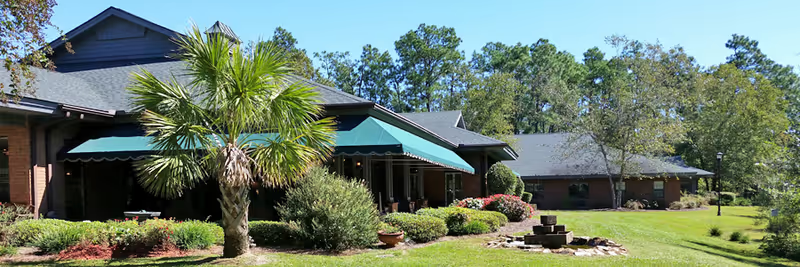
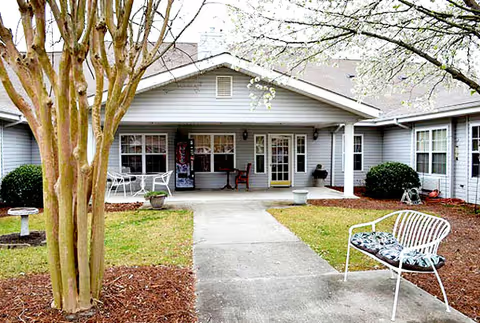
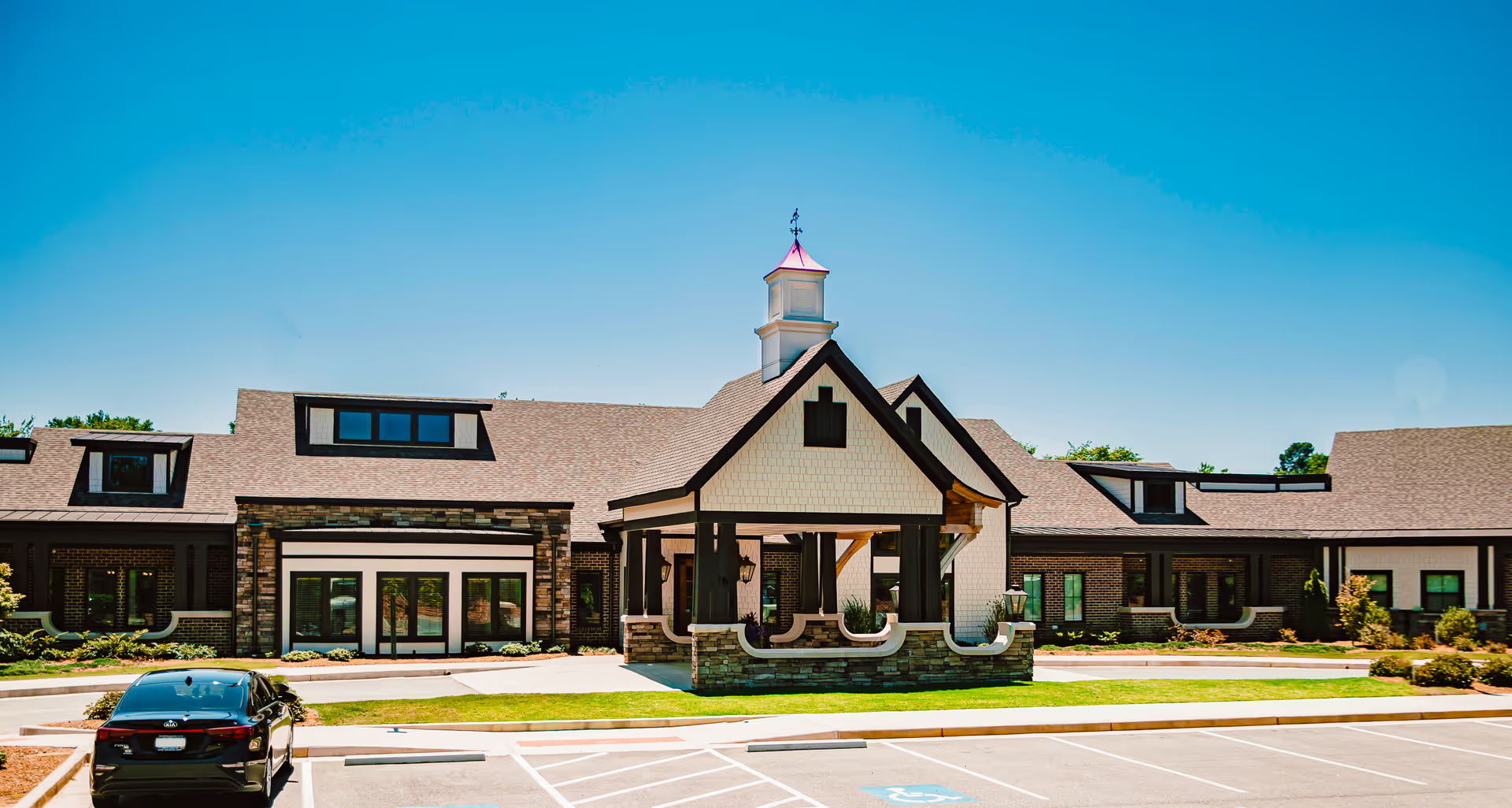
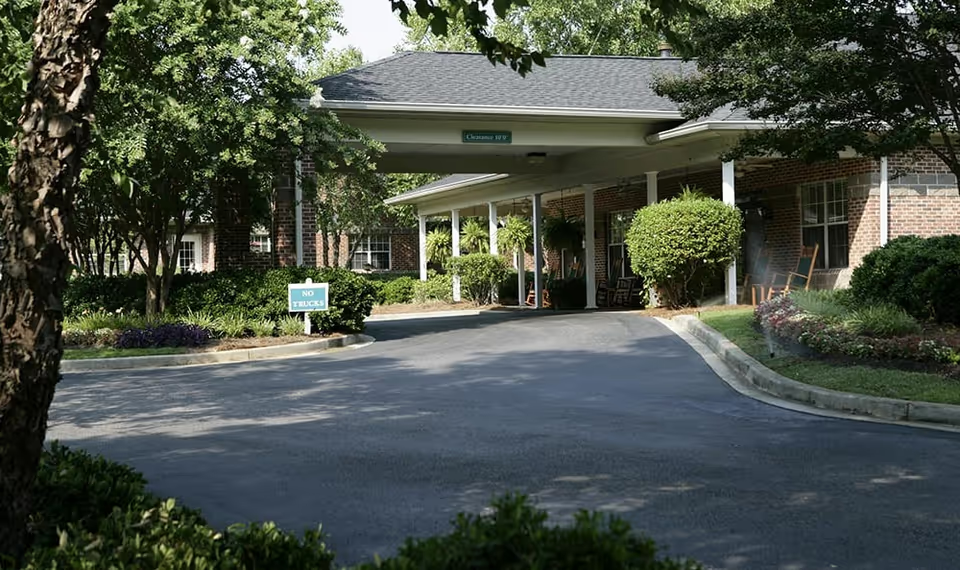
Facility condition is described as a mix of modernized and in-need areas. Several reviewers reported comfortable, clean rooms and ongoing renovation work, while others noted visible maintenance needs such as peeling paint, ceiling issues, and localized odor or sanitation concerns. Semi‑private rooms and small shared spaces limit privacy for some residents. The call/phone system and alarm responsiveness were frequently identified as outdated or unreliable, impacting family communication and timely staff response.
Management and communication present another area of mixed feedback. Admissions and some administrative staff are lauded for helpfulness and billing transparency, but families also reported inconsistent communication, lack of transparency around care issues, and a perception that operational priorities sometimes outweigh resident-centered concerns. A number of reviewers referenced regulatory attention or formal complaints, which has contributed to diminished confidence among some families.
Notable patterns across the reviews are variability by shift and unit, reliance on standout individual staff to deliver high-quality care, and recurring operational gaps in sanitation, staffing consistency, dietary services, and alarm/phone responsiveness. Prospective residents and families should consider visiting across different shifts, ask specific questions about staffing levels, sanitation protocols, call-response times, dietary accommodations, private-room availability, and any ongoing regulatory matters. These targeted inquiries can help clarify whether the facility’s strengths align with a given resident’s priorities and needs.