Reviews for Anchor Post-Acute present a mixed but consistent pattern: the facility is widely praised for its rehabilitation program and for many individual caregivers, while operational and clinical consistency appear to be the primary concerns. The therapy department—physical and occupational therapy—is repeatedly identified as a strength: therapists are described as knowledgeable, effective, and central to recovery plans. Many families and residents described personalized rehab plans, an equipped therapy space, and staff who actively engage patients in recovery activities.
Clinical care and front-line nursing receive more variable feedback. Several reviewers commended specific nurses and CNAs as compassionate and attentive, and night-shift staff were sometimes singled out for responsiveness. At the same time, a recurring theme is inconsistent performance across nursing and CNA teams, with understaffing and high patient-to-staff ratios cited as contributors. Reported operational consequences include delayed responses to care requests, delays in medication administration and test follow-up, and uneven adherence to wound, catheter, and post-operative care protocols. These patterns suggest that resident experience can depend strongly on staffing levels and individual caregivers on duty.
Dining and nutrition emerge as another area of concern. While a specialized menu and quality meals are mentioned positively in some accounts, many reviewers reported inconsistent meal temperature and presentation, limited variety, and lapses in following dietary restrictions such as diabetic menus. Families noted cold meals and substitutions that did not match documented dietary orders, indicating gaps in meal-service continuity and dietary compliance.
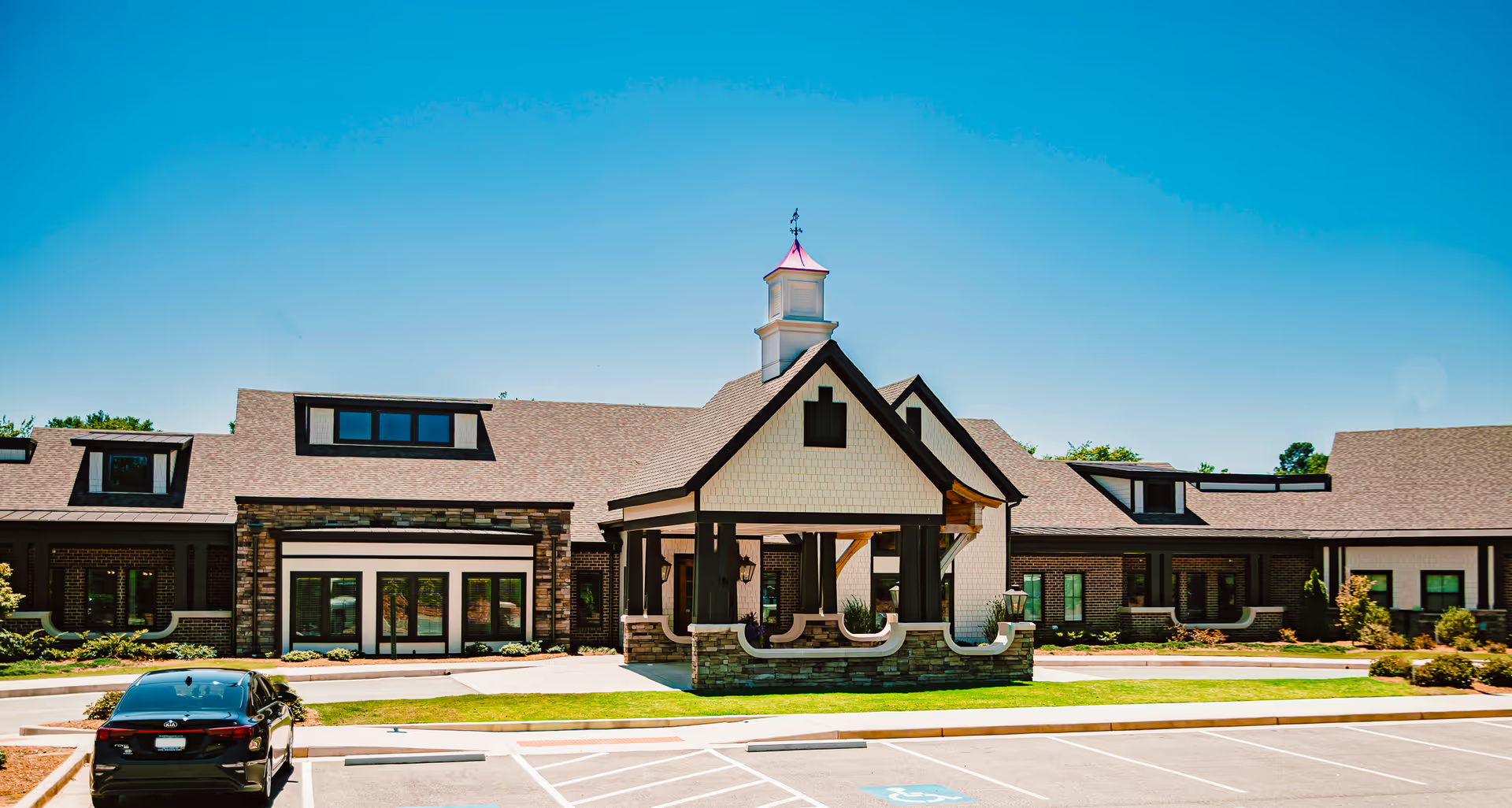
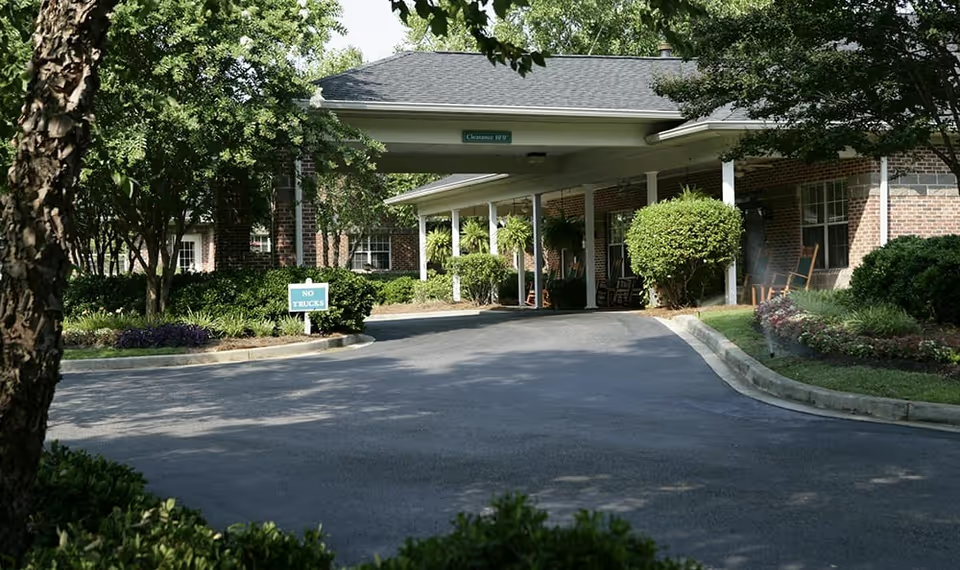
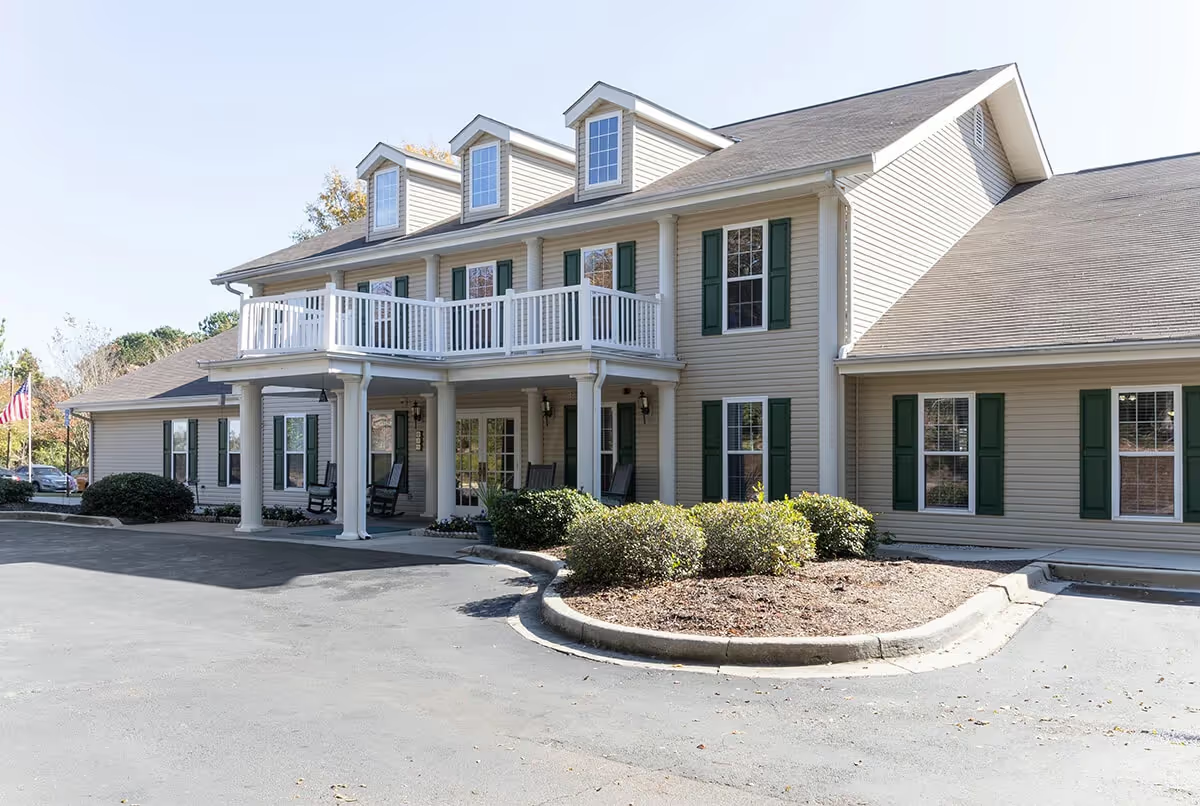
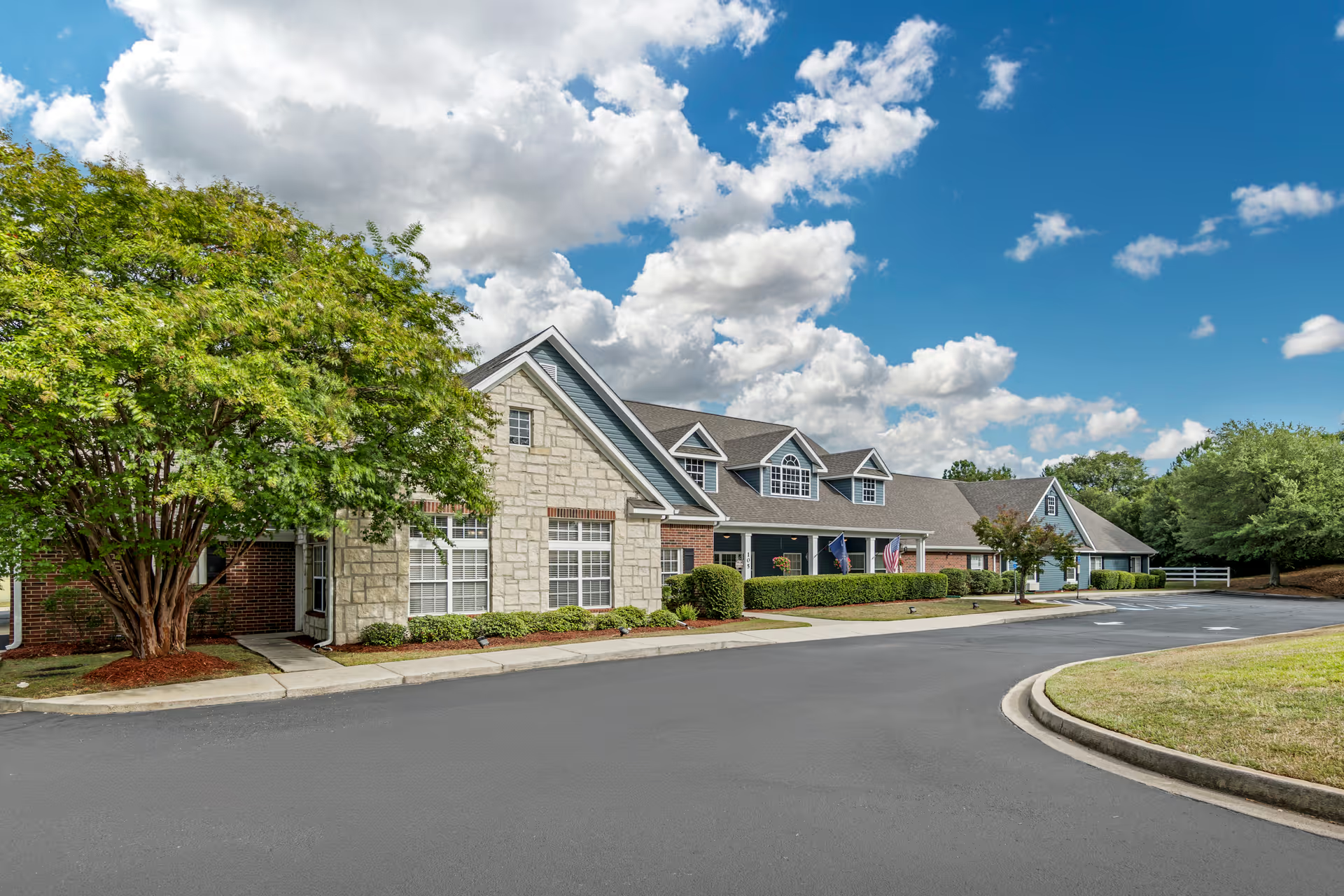
The facility itself is frequently described as attractive, spacious, and generally well maintained, with pleasant grounds and communal amenities. Activities and recreational offerings (games, Wii, group events) were appreciated by residents. However, some reviews raised sanitation and cleanliness concerns in resident rooms and bathrooms, as well as irregularity in bathing schedules and incontinence-related care practices. Housekeeping was praised in parts of the facility but described as inconsistent in others.
Communication and management responsiveness are described as mixed. Multiple reviewers praised helpful admissions staff, social workers, and administrators who actively assisted with insurance and discharge planning. Conversely, others reported delayed or inadequate communication about clinical changes, conflicting information, and difficulty obtaining timely administrative attention for care problems. Pharmacy coordination and medication-order processing were also cited as fragmented in some cases, contributing to medication delays.
In summary, Anchor Post-Acute offers a strong rehabilitation program and many dedicated individual staff members, within an attractive facility and with useful therapy amenities. Prospective residents and families should weigh these strengths against patterns of inconsistency in nursing/CNA performance, staffing levels, medication and clinical follow-up, dining operations, and certain sanitation and hygiene practices. When considering placement, it would be wise to ask specific questions about staffing ratios for the anticipated unit and shift, medication administration protocols and pharmacy arrangements, bathing and incontinence-care schedules, wound and catheter-care procedures, dietary accommodations, and mechanisms for family communication and escalation. Doing so can help align expectations with the facility’s demonstrated strengths and address the operational areas where reviewers identified recurring concerns.