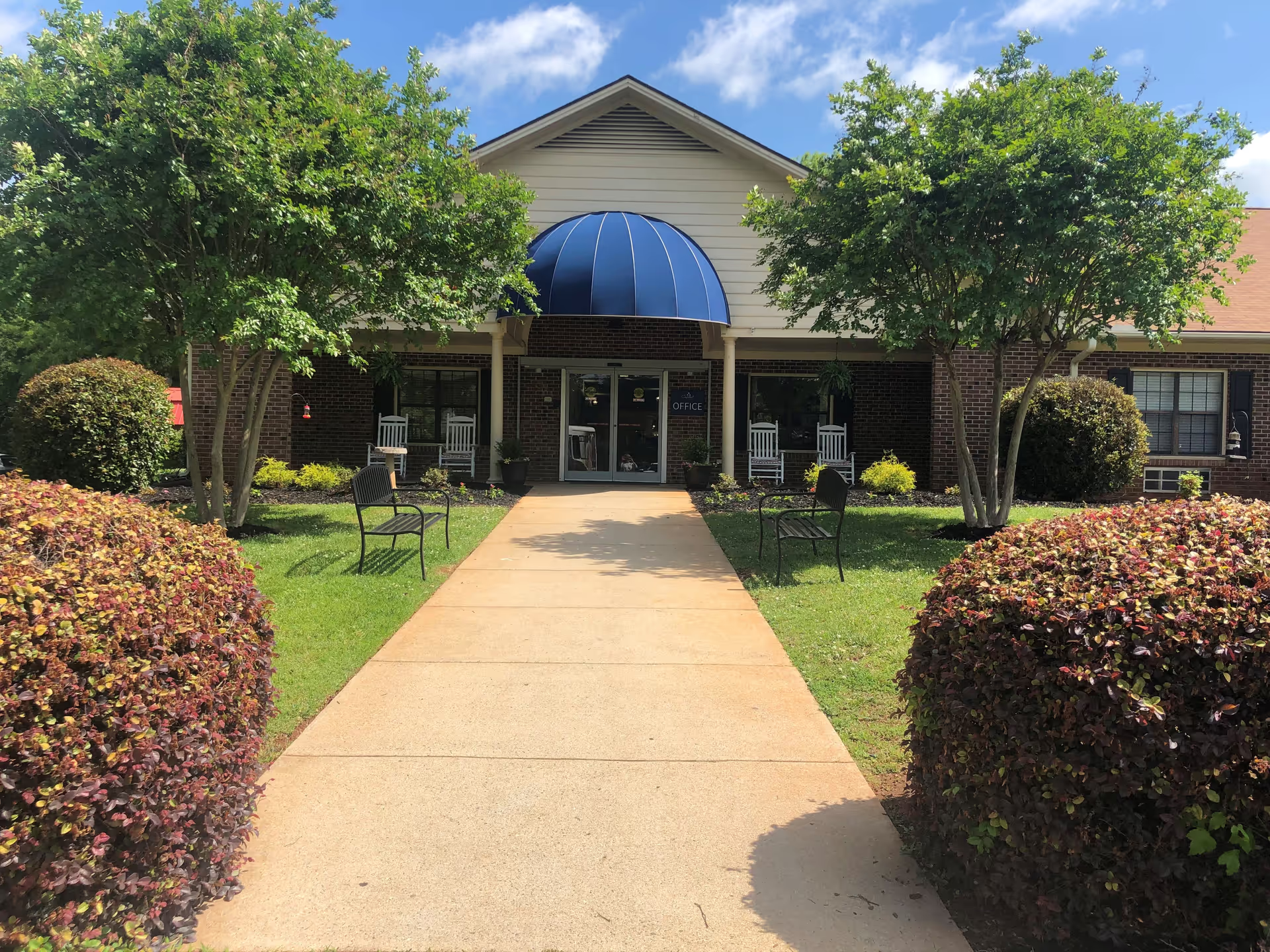
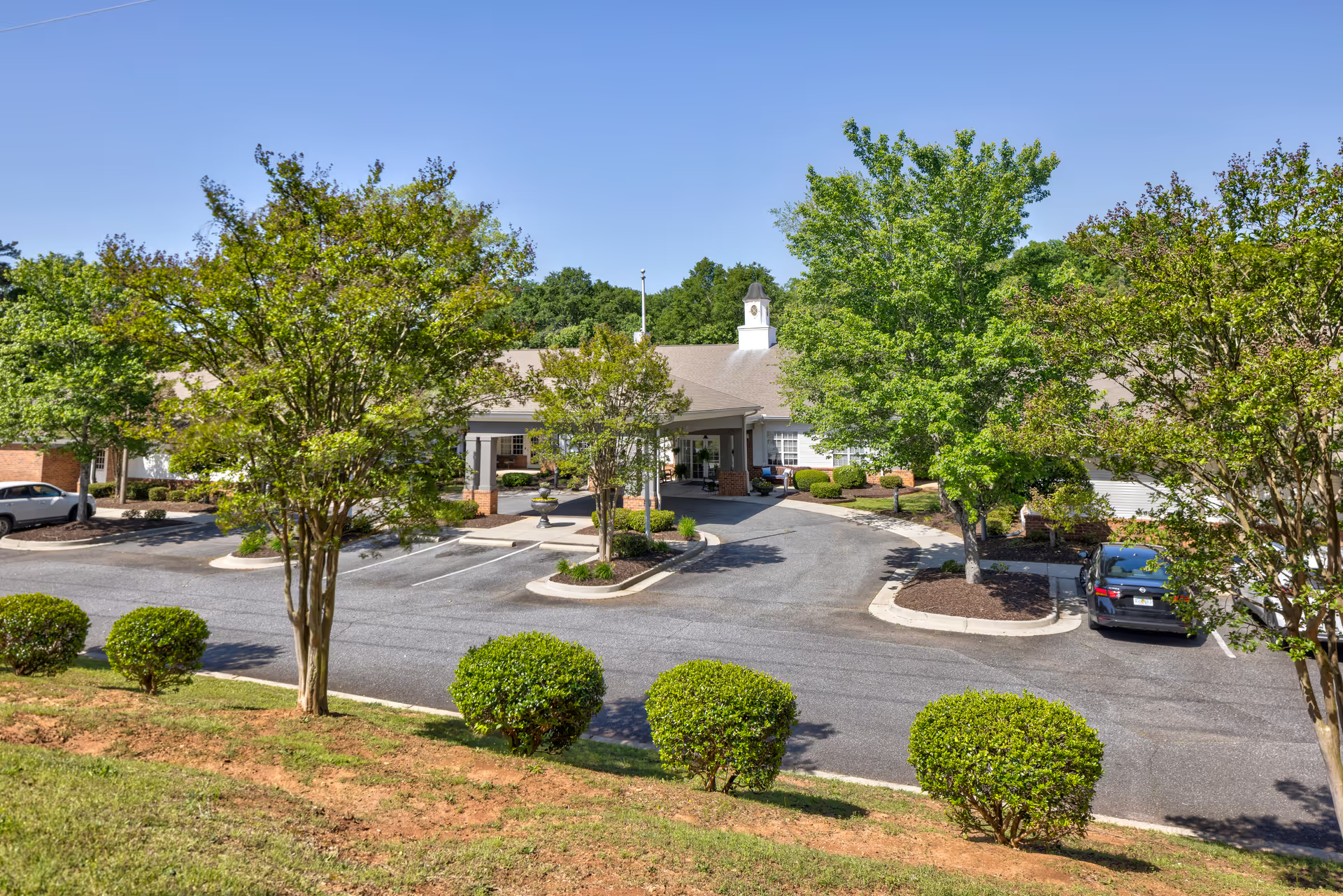
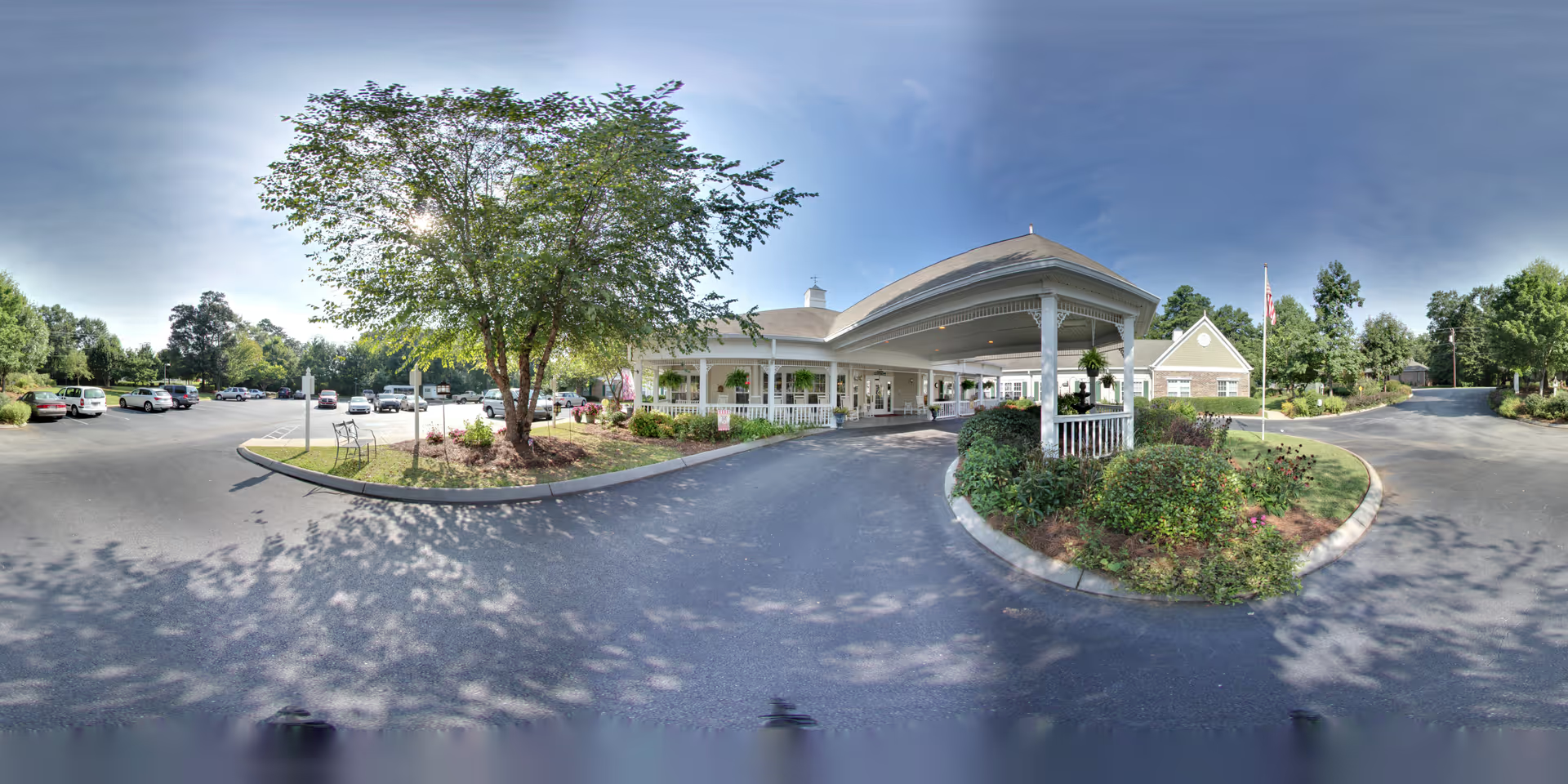
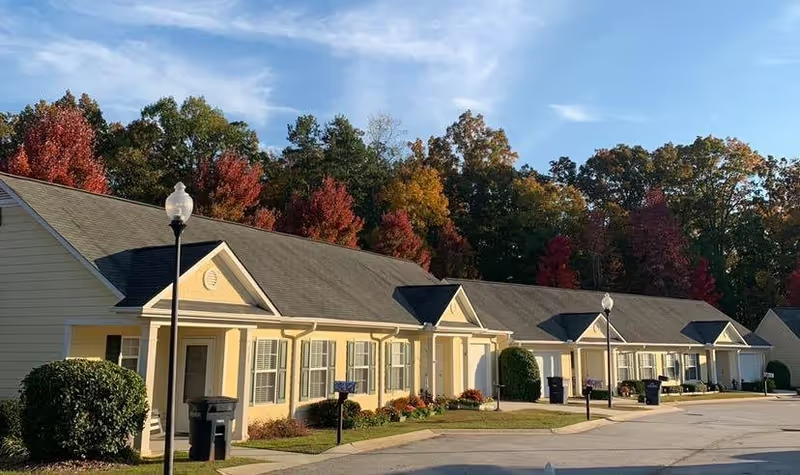
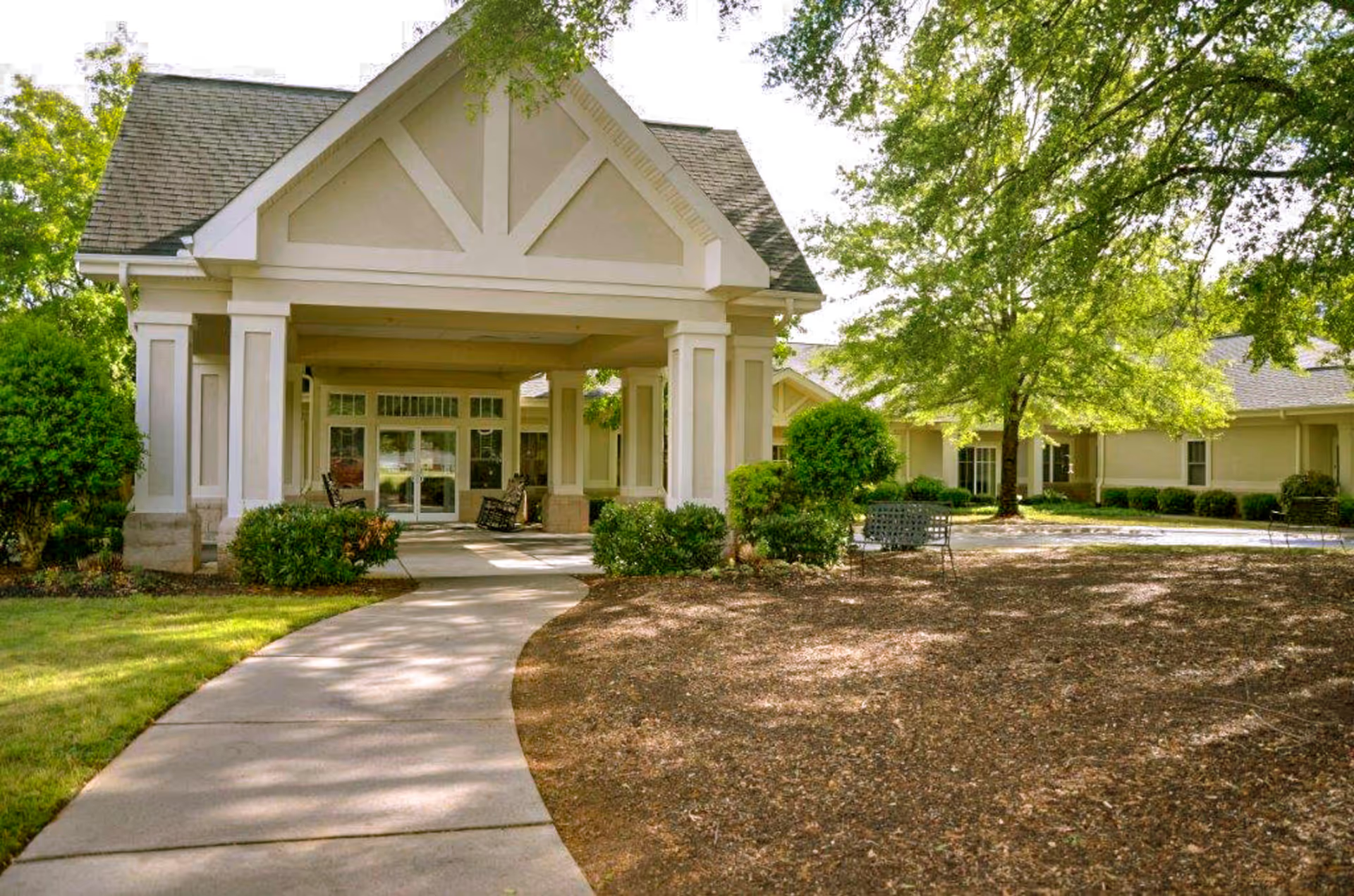
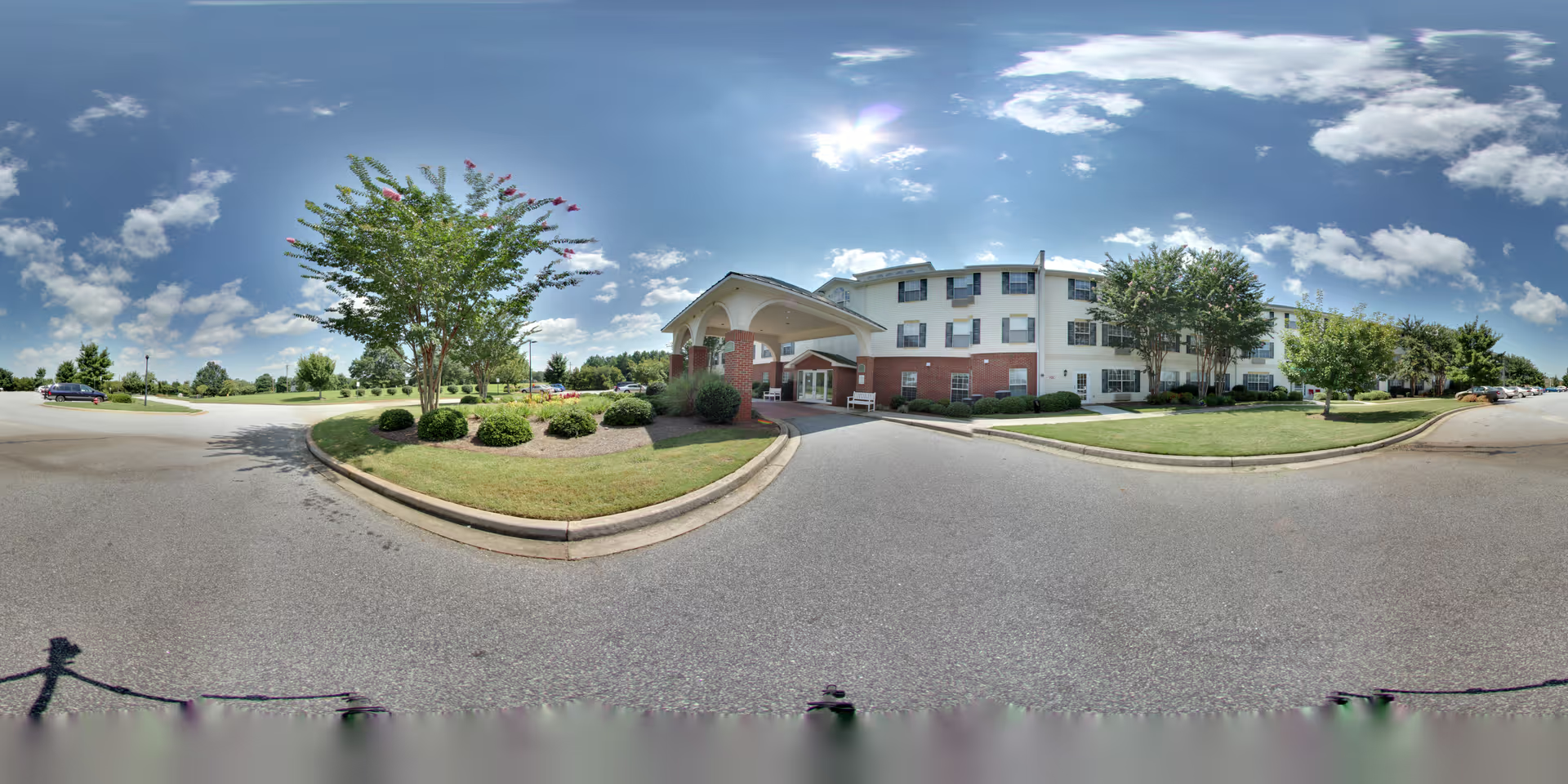
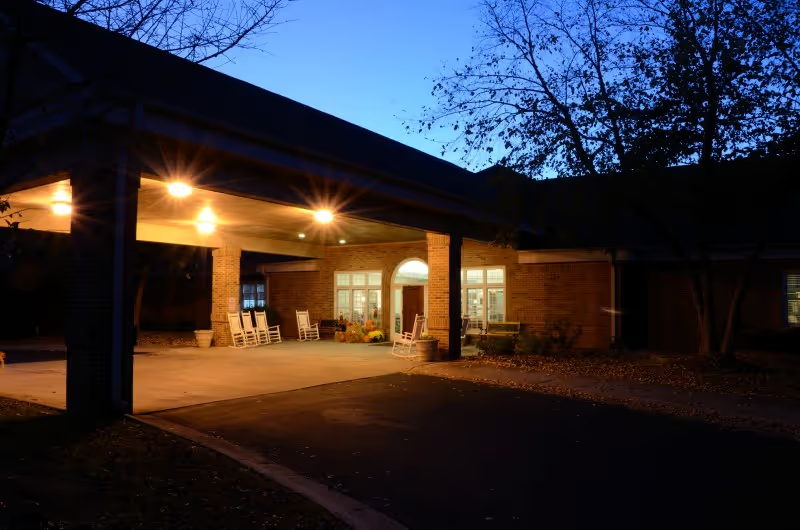
Overall impression: The community presents as an independent-living, condo-style active-adult campus with resort-like amenities. Strengths include private cottage options with enclosed courtyards, in-unit laundry, a pet-friendly policy, and a broad activities calendar that emphasizes fitness, arts, and social engagement. The grounds, pool, covered walkways, and communal spaces such as a workout room and library support an active lifestyle, and the location is convenient to shopping, dining, hospitals, and highway access.
Staff and care quality: Staff are consistently described as knowledgeable, attentive, and helpful. Maintenance responsiveness and property-management presence are positive operational features; reviewers note that maintenance requests are handled and that grounds are generally well kept. The community also markets future assisted-living availability, which may be relevant to residents seeking a long-term continuum of care. At the same time, multiple reviewers described staffing and management turnover and changes in ownership; these transitions have affected perceptions of stability and contributed to episodic service interruptions.
Dining and services: The culinary program is a highlighted strength—an experienced chef and meal-delivery options were noted, including lunches brought to residents and meals delivered when a resident was unwell. However, there have been disruptions to regular meal service (including a cafeteria closure with little advance notice), and reviewers noted limited opportunities to sample food prior to moving in. This pattern suggests the kitchen and dining operations can provide high-quality, flexible service when staffed and settled, but continuity of service has been uneven during periods of operational change.
Activities and community life: The activity offerings are robust and diverse: water aerobics, line dancing, card groups, bridge, sip-and-paint, daily exercise, and resident-run breakfasts contribute to a socially active environment. Residents described welcoming interactions and an enthusiastic community culture. These programming elements align well with independent-living expectations and support social engagement.
Facilities and accessibility: Physical amenities are generally well regarded—units and common areas are described as clean, and individual cottages offer private outdoor space. That said, reviewers noted variability in unit condition (recent updates to many cottages alongside aging siding or units that still need renovation), small apartment footprints in some unit types, lack of garages, and parking spots that can be a walk from certain units. There were also comments about a confusing campus layout and at least one ramp accessibility issue, indicating wayfinding and universal-access features could be improved.
Management and notable patterns: Property management has demonstrated the capacity to resolve issues (for example, trash concerns were addressed), but operational weaknesses have emerged during ownership or staffing transitions. Key recurring patterns are strong interpersonal staff interactions and engaging programming, paired with episodic lapses in operational continuity (dining service changes, staffing turnover, communication gaps). Prospective residents should weigh the community’s lifestyle and amenities against the potential for variability in services during periods of organizational change, and should ask for current information on unit condition, parking assignment, accessibility features, and dining options prior to committing.