Overall impression: Reviews portray a facility with strong interpersonal strengths and a generally well-kept physical environment, balanced by several operational areas that warrant attention. Families and residents frequently emphasize compassionate, professional staff and a rehabilitative culture that can produce measurable functional gains. At the same time, repeated mentions of dining, some aspects of clinical monitoring, and staffing patterns signal systemic opportunities for improvement.
Care quality and clinical concerns: Many families describe attentive, person-centered nursing and successful rehabilitation outcomes, with physical-therapy staff credited for helping residents regain mobility. However, reviewers also described concerns consistent with uneven clinical practices: instances of compromised skin integrity (pressure injuries), variable oral-care and hygiene follow-through, and hygiene stabilization issues at admission. These items point to gaps in routine preventive care and monitoring rather than uniformly poor care; targeted quality-improvement work in skin-integrity protocols, oral-care standards, and admission assessments would likely address the pattern identified.
Staffing and staff behavior: Staff are repeatedly characterized as kind, respectful, and willing to go above and beyond; administrative personnel receive positive remarks for communication and accessibility. At the operational level, several comments indicate understaffing on second and night shifts for CNAs, which can affect timely assistance and routine care tasks. Leadership appears approachable, but the facility would benefit from staffing stability and shift-coverage strategies to ensure consistent care across all hours.
Dining and nutrition: Dining is the most frequently noted operational weakness. Reviewers report limited menu variety, repetitive seasoning, and meat textures that are difficult for denture-wearers, contributing to low meal acceptance among residents. This pattern suggests a need for menu modification, texture-appropriate meal options, and enhanced dining services to improve intake and resident satisfaction.
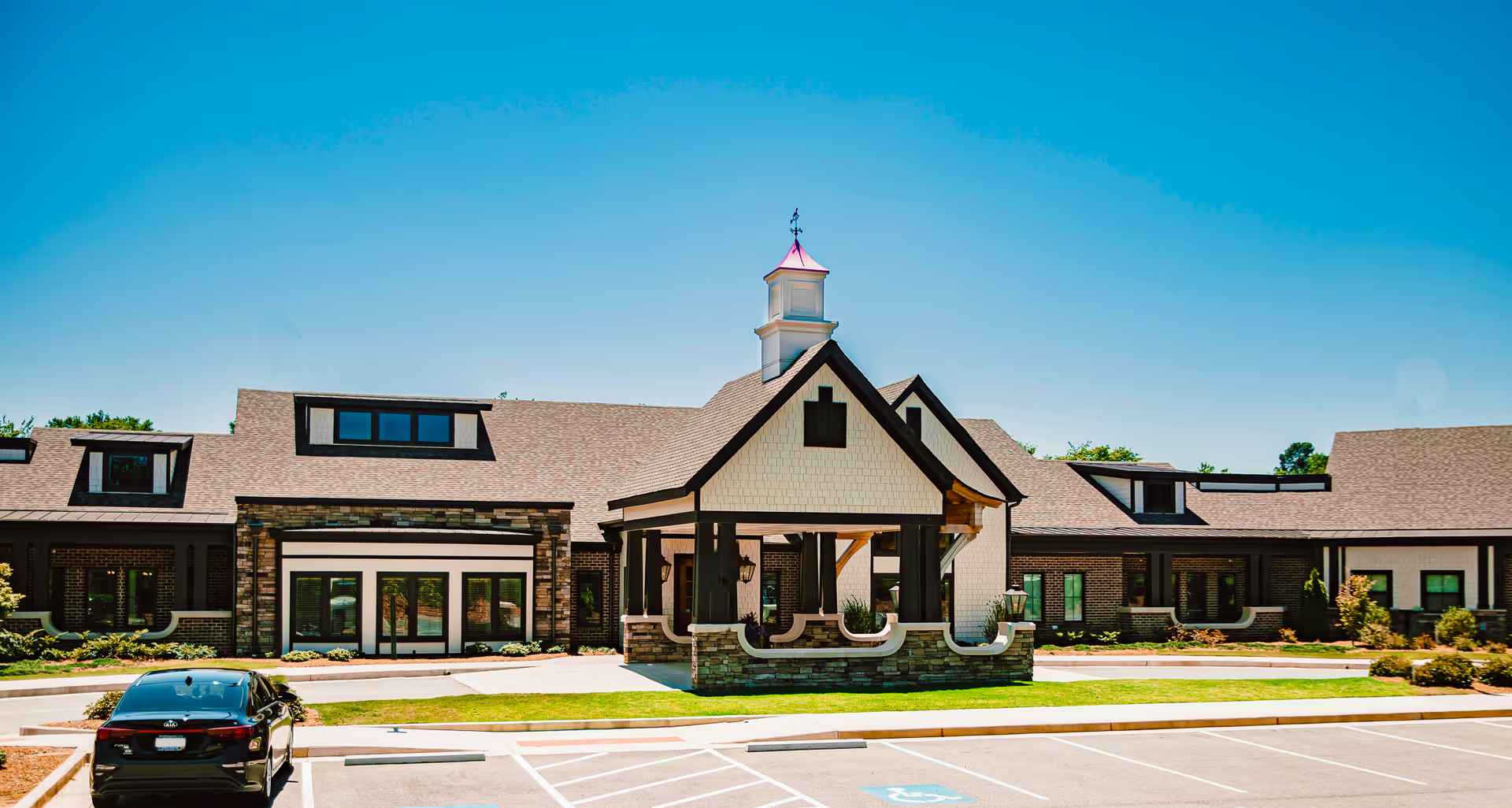
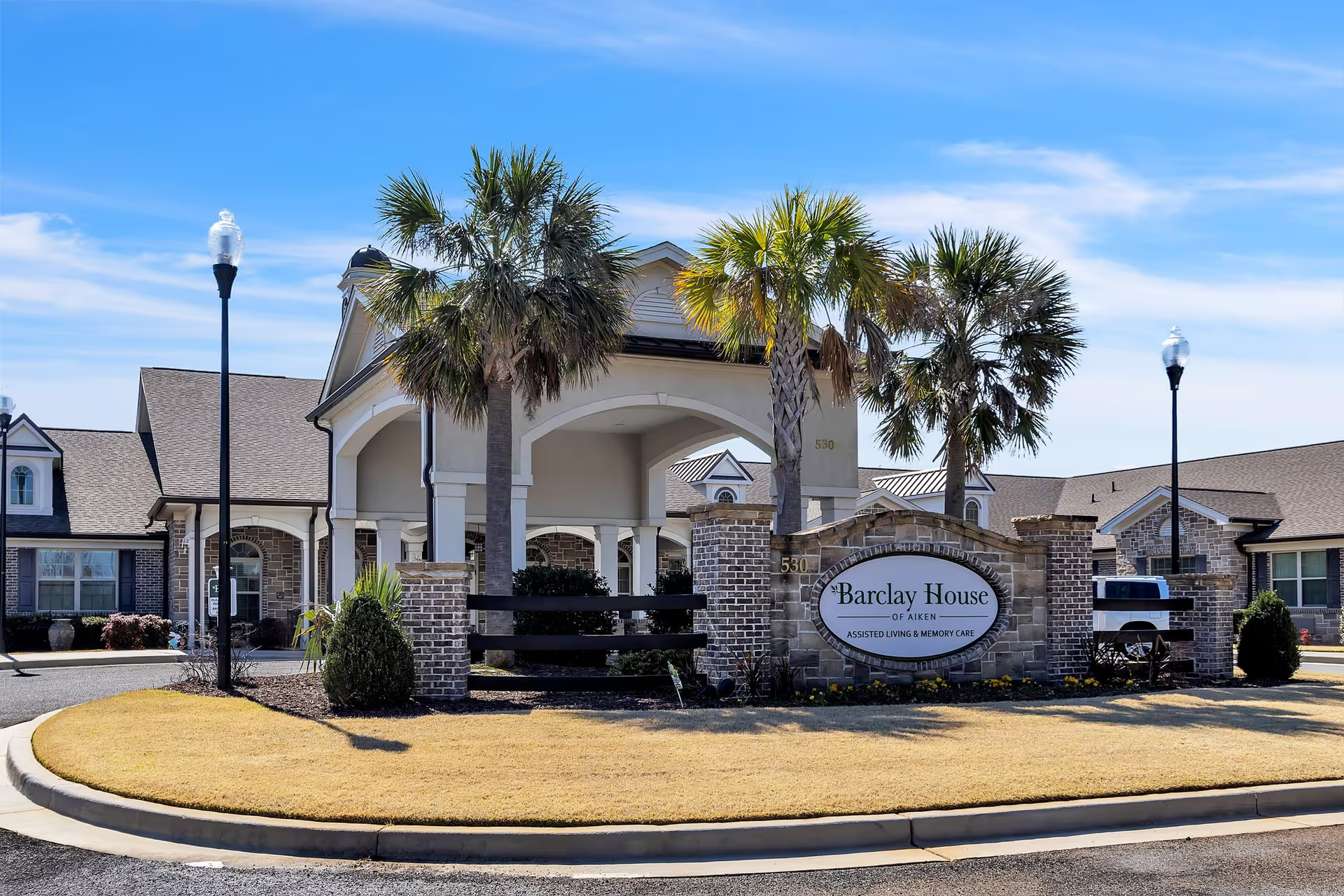
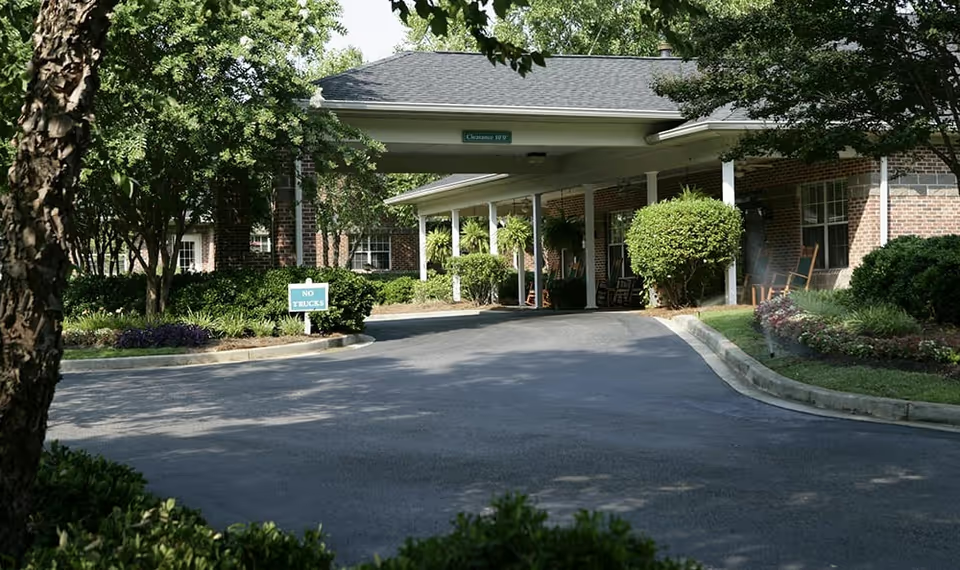
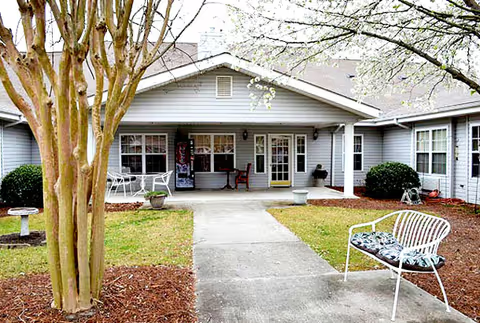
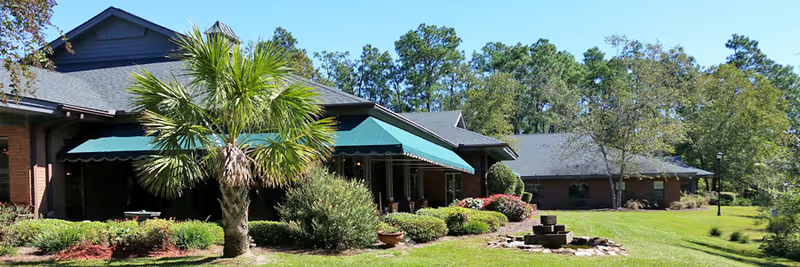
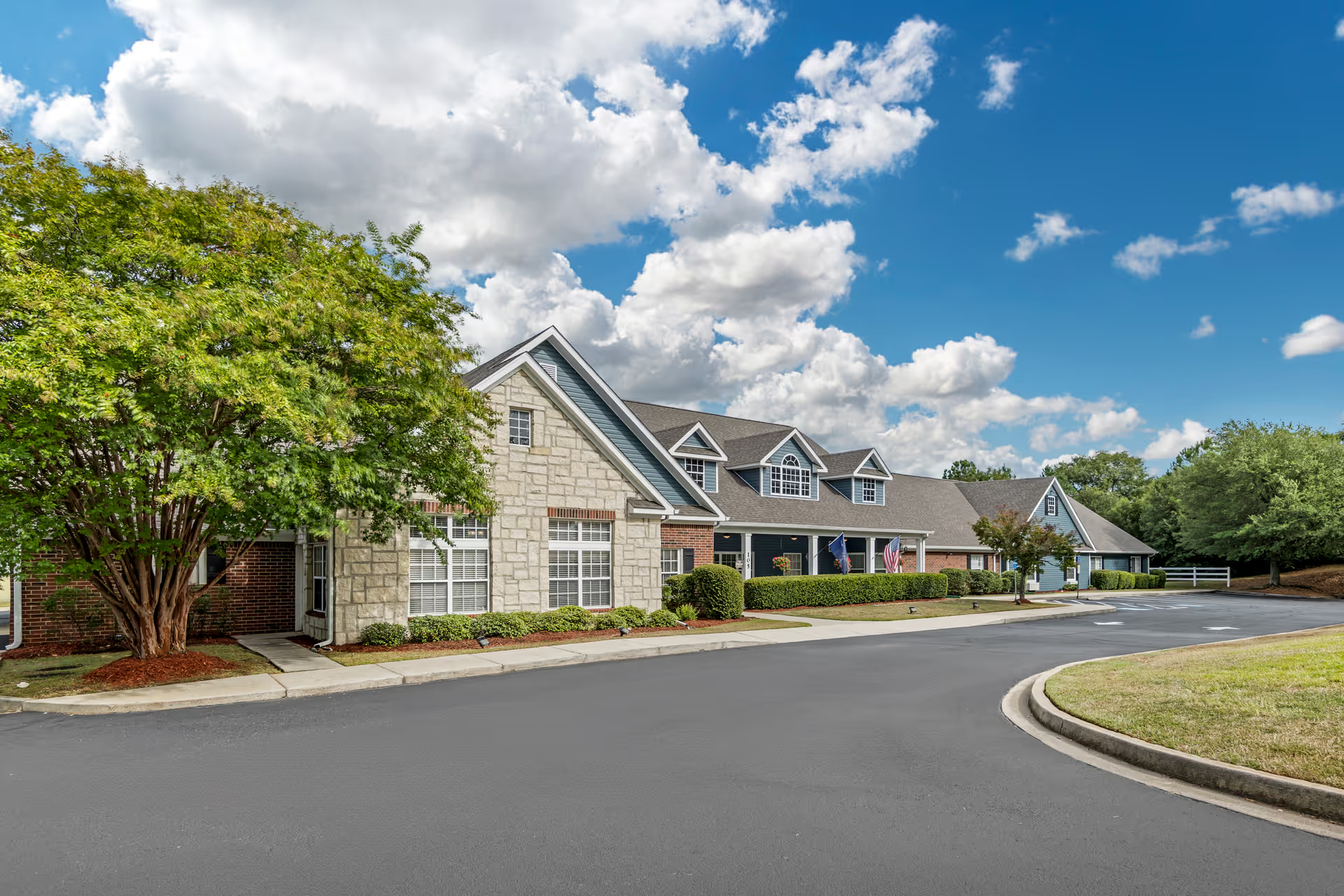
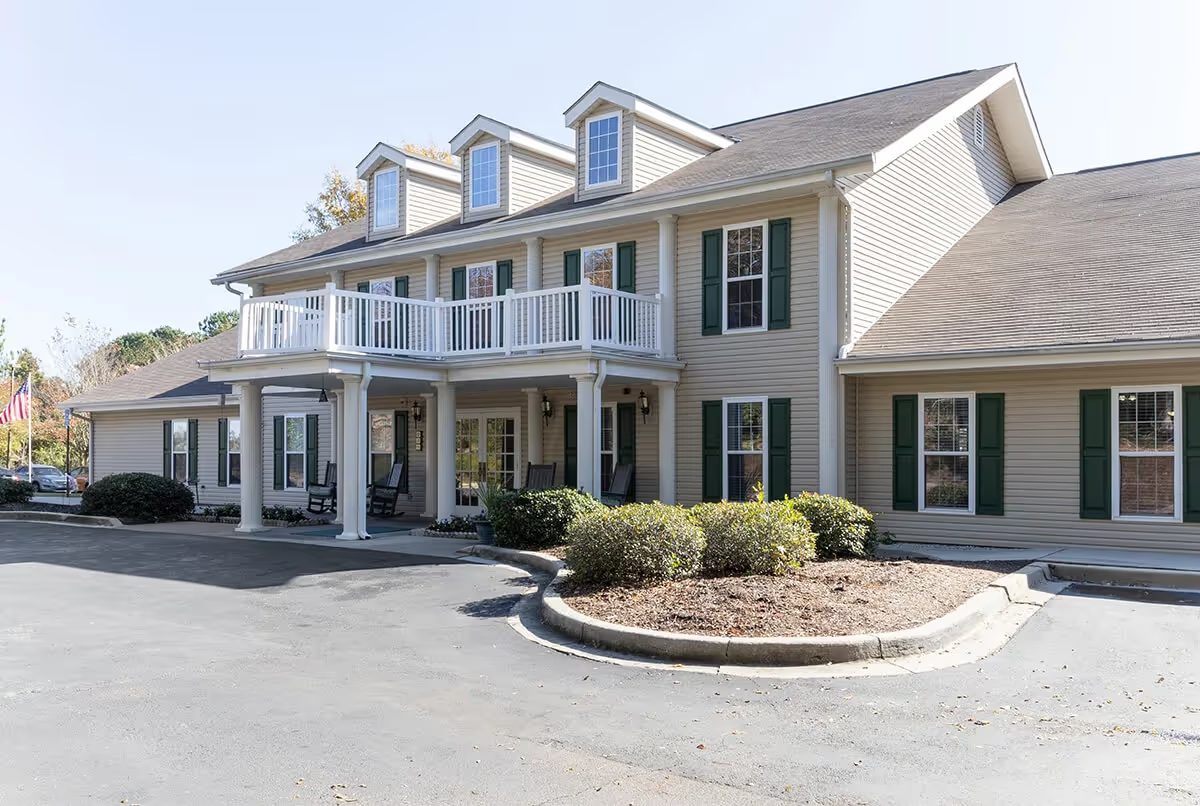
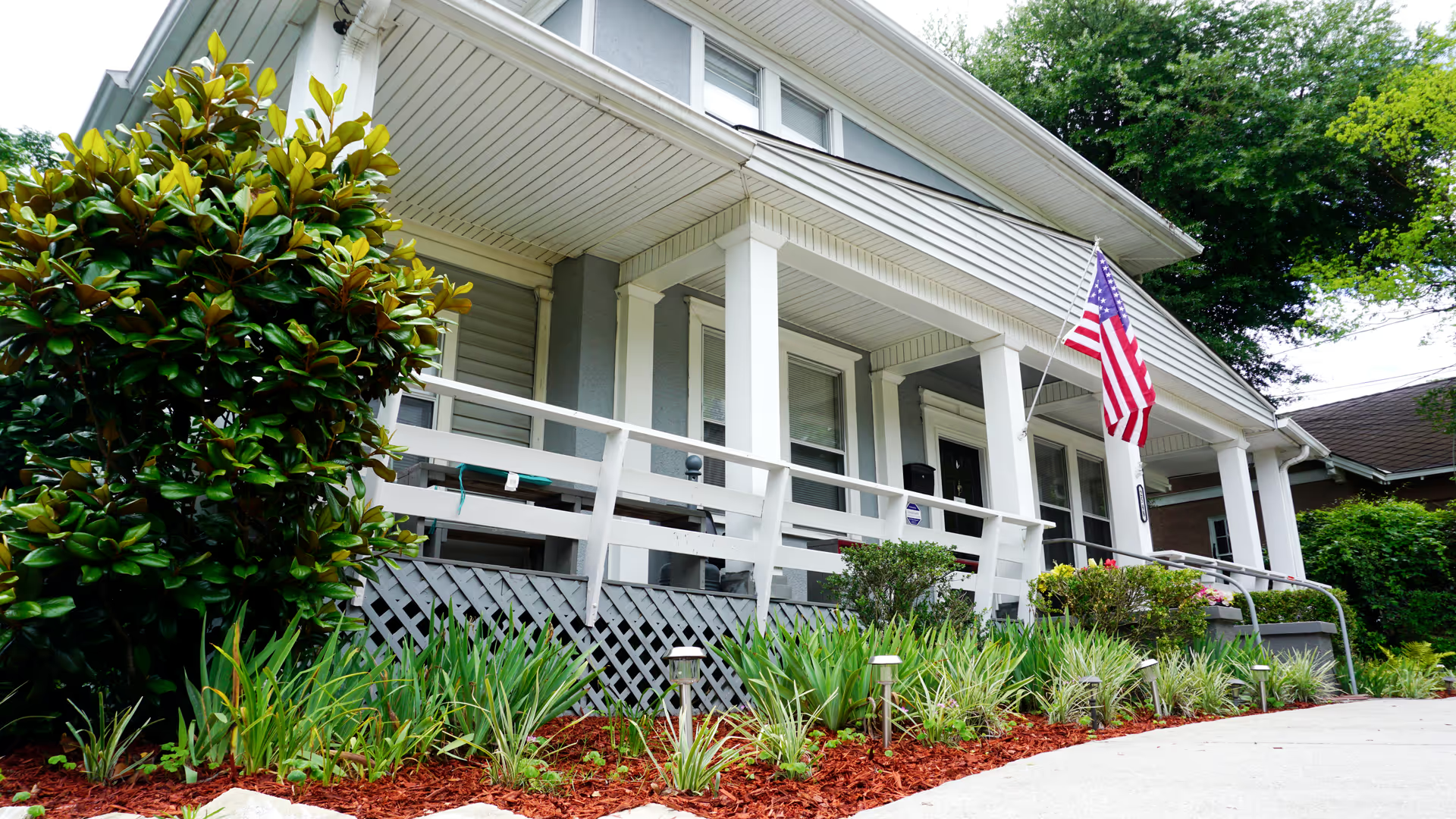
Activities, facility, and culture: The facility environment is consistently described as clean, well-maintained, and pleasant, with ample activities that residents enjoy. Reviewers highlight a family-like atmosphere and spiritual programming that contribute to resident quality of life. These strengths are important protective factors and support resident social and emotional well-being.
Communication and management patterns: Families generally appreciate proactive communication about appointments and daily care. Nevertheless, there are recurring concerns about communication surrounding clinical incidents and transitions of care, including discussions about end-of-life care and changes in condition. Addressing these communication gaps—through clearer escalation pathways, documented family notifications, and standardized care-transition checklists—would help reconcile clinical shortcomings with the facility's strong relational strengths.
Bottom line: PruittHealth - Barnwell appears strong in staff compassion, rehabilitation, cleanliness, activities, and a supportive culture. Operational improvements in dining quality, night-shift CNA coverage, preventive clinical protocols (skin and oral care), and family communication around clinical changes would align the facility’s positive culture with more consistent clinical outcomes.