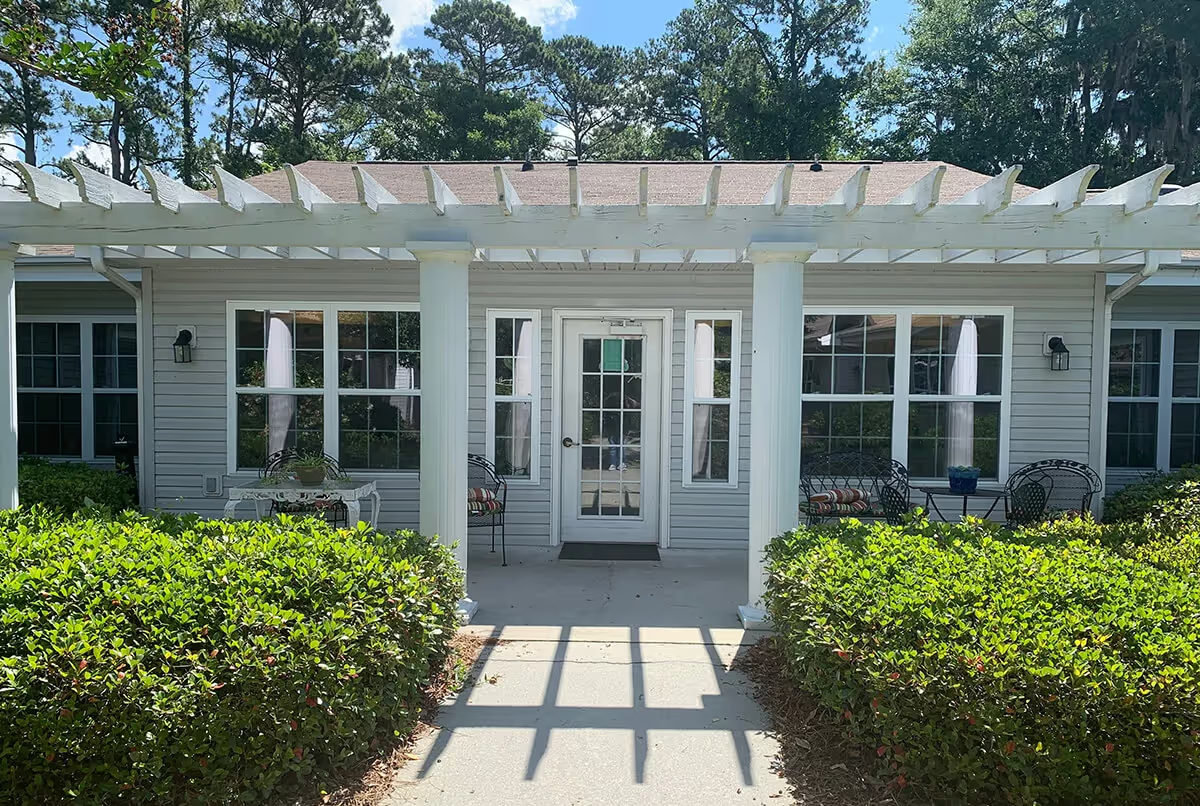
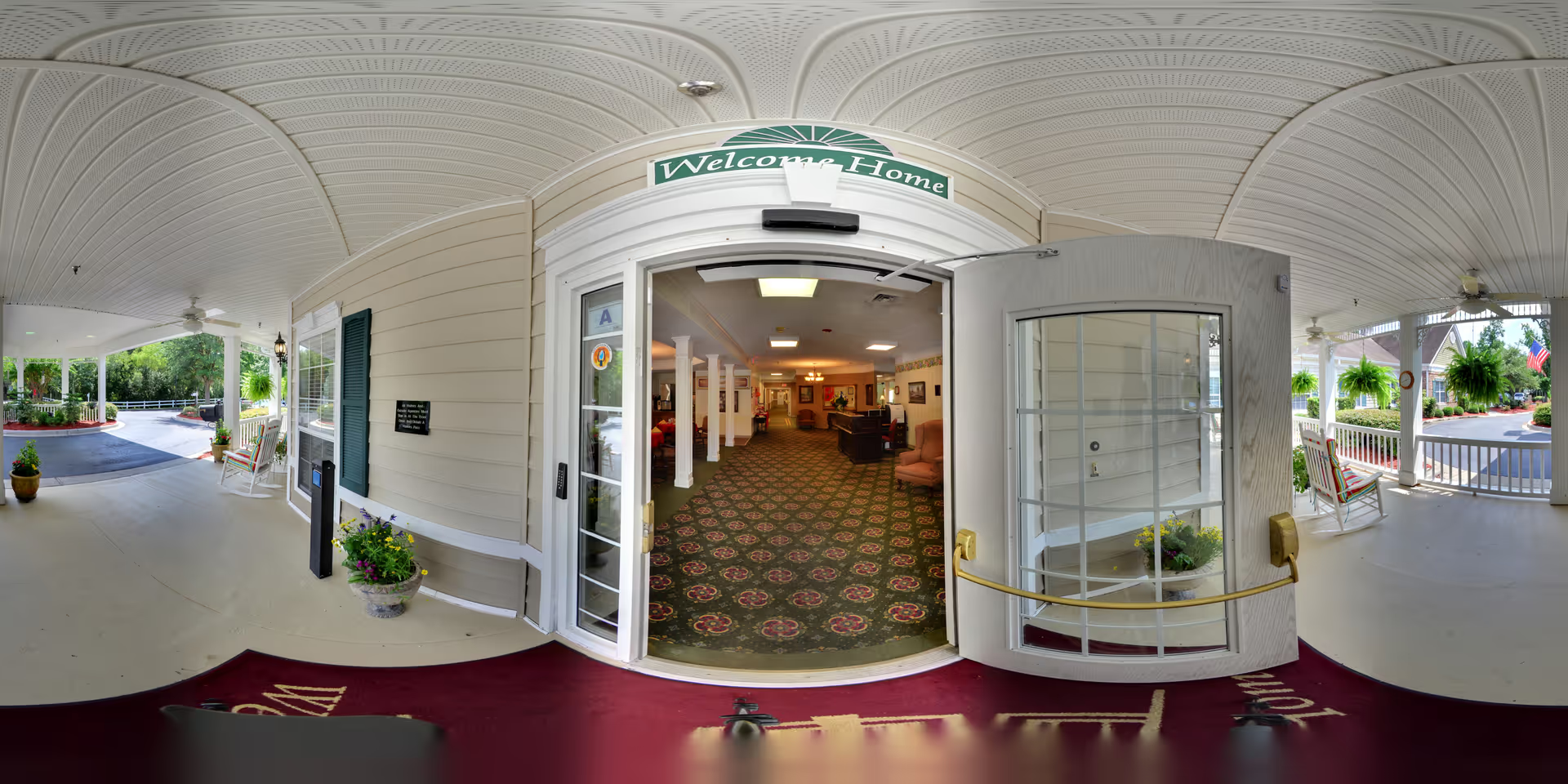
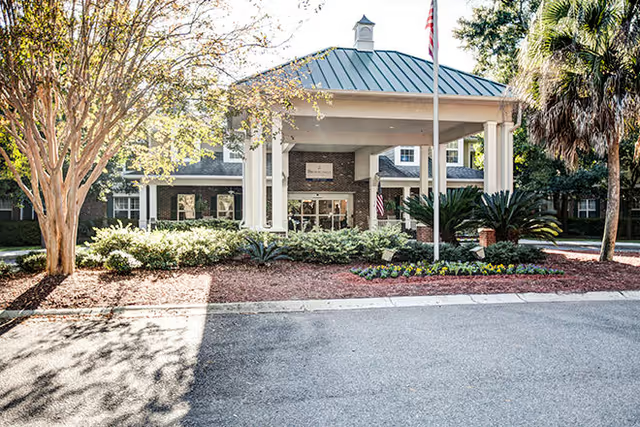
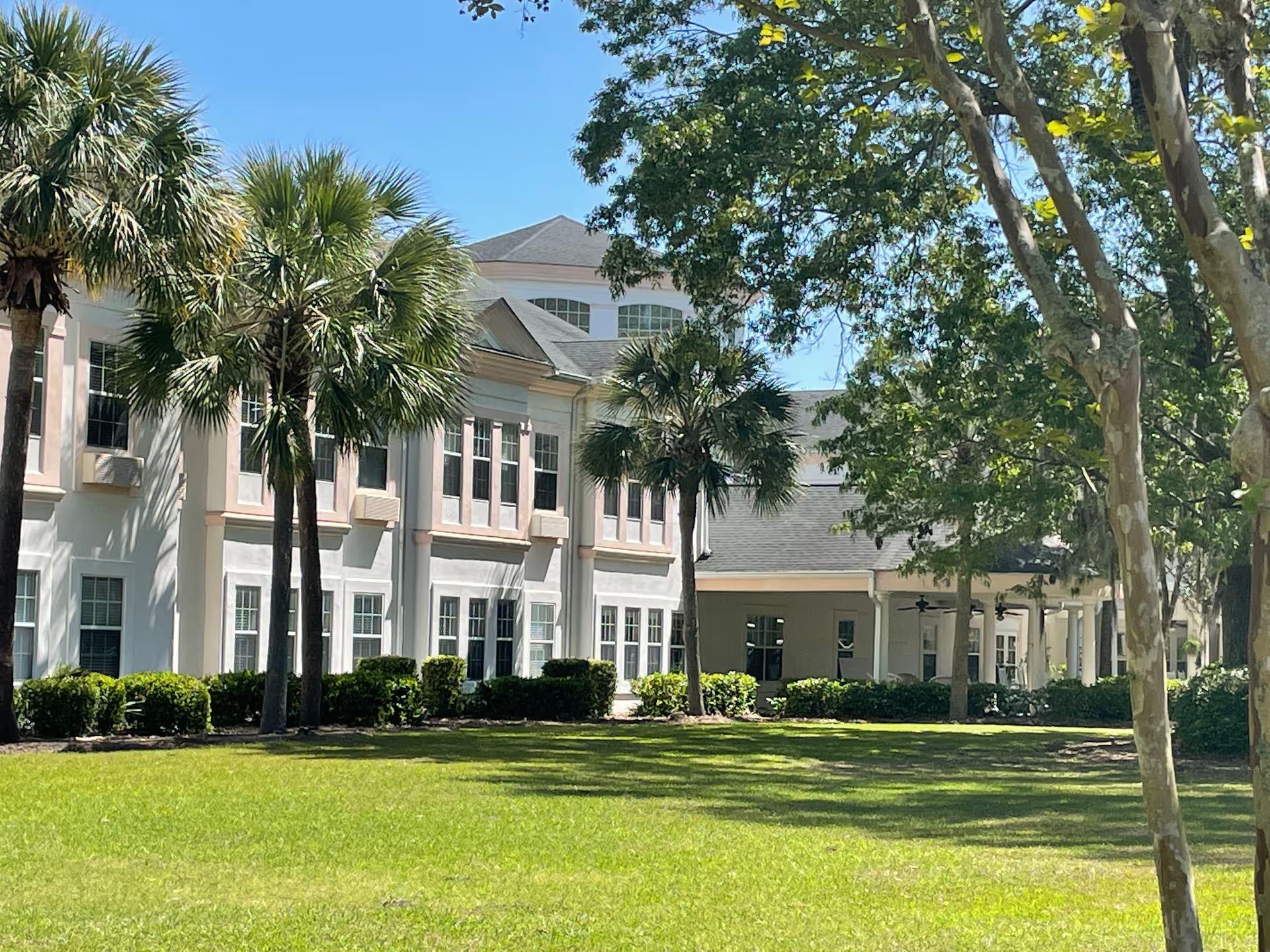
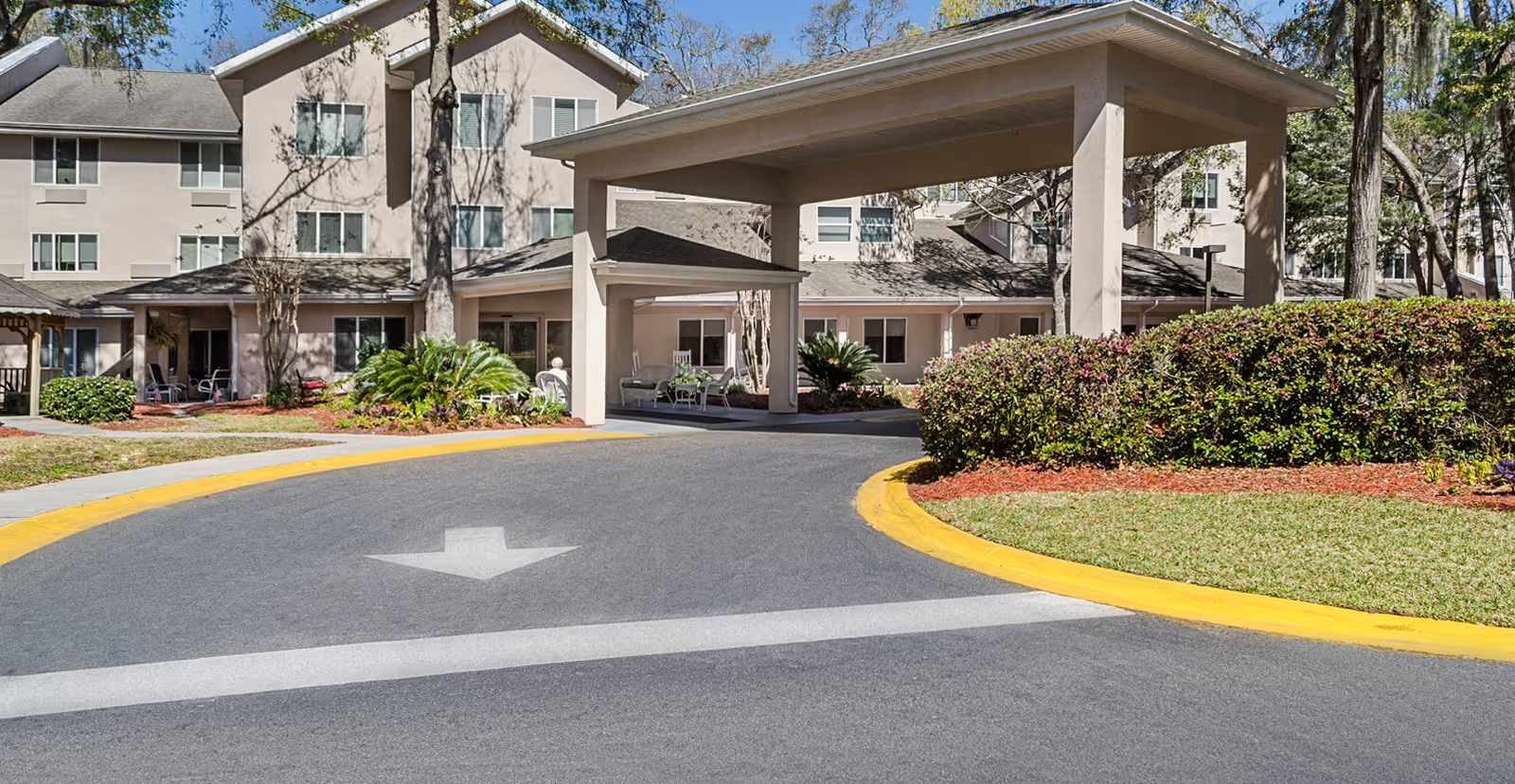
The reviews present a polarized portrait of Resorts at Beaufort: many reviewers describe strong clinical rehabilitation services, personable frontline staff, and attractive communal spaces, while others report operational shortcomings that families should evaluate carefully. The facility receives repeated praise for its therapy program, social programming, and scenic riverfront common areas; several reviewers also cite improvements under new leadership and active administrative involvement in clinical oversight.
Care quality shows two distinct patterns. On one hand, the rehabilitation/therapy department and some nursing teams are described as highly effective, helping residents meet goals and transition home. On the other hand, there are recurrent concerns about inconsistent clinical practices—particularly around post-operative monitoring, medication timing, and wound/pressure-injury prevention—that indicate variability in day-to-day nursing care and follow-up. Prospective families should inquire about staffing ratios, care-plan rounding frequency, and protocols for post-operative and high-acuity patients.
Staff and management comments are mixed. Multiple reviews identify compassionate, engaged nurses, social workers, and an involved Medical Director, and several note positive change with recent leadership and a DON who prioritize patient care. Conversely, other reviewers report lapses in responsiveness, poor communication from some staff, and occasional unprofessional interactions at the unit or front desk level. Staffing levels, especially in the evening, are cited as a contributor to delayed responses and inconsistent service.
Dining, housekeeping, and facilities likewise show variability. Many accounts praise friendly dietary and housekeeping teams and describe clean, attractive public areas and ongoing remodeling with updated equipment. Contrasting reports raise concerns about meal temperature/quality, sanitation issues in certain resident areas, and pest-control problems in some rooms. Visitors should observe a mealtime and inspect resident-unit cleanliness during a tour, and ask about pest-control and environmental services protocols.
Activities and community life are generally highlighted as strengths: regular events, a large common area with river views and a piano, volunteer engagement, and social-service support are cited as contributors to resident satisfaction. The facility has also been recognized for effective coordination during emergencies and evacuations.
Notable patterns to weigh: the facility's reputation appears to be in transition—some reviewers describe measurable improvements under new administration, while others recount legacy problems including administrative delays in records access, concerns following a resident's death, and serious allegations such as theft and other incidents that have led families to seek legal or regulatory remedies. These more severe claims are individual in nature but significant enough that verification (inspection reports, state complaints, and written policies) is advisable.
Practical recommendations for prospective residents and families: conduct an in-person tour that includes a mealtime observation; meet the nursing leadership and ask about nurse-to-resident ratios and post-operative protocols; review recent inspection and complaint histories; request samples of care plans and medication-administration procedures; ask about environmental services and pest-control schedules; and verify procedures for medical-records access and family communication following clinical events. This preparatory work will help determine whether the facility's strengths align with your loved one's needs and whether recent leadership changes have translated into consistent, reliable care.