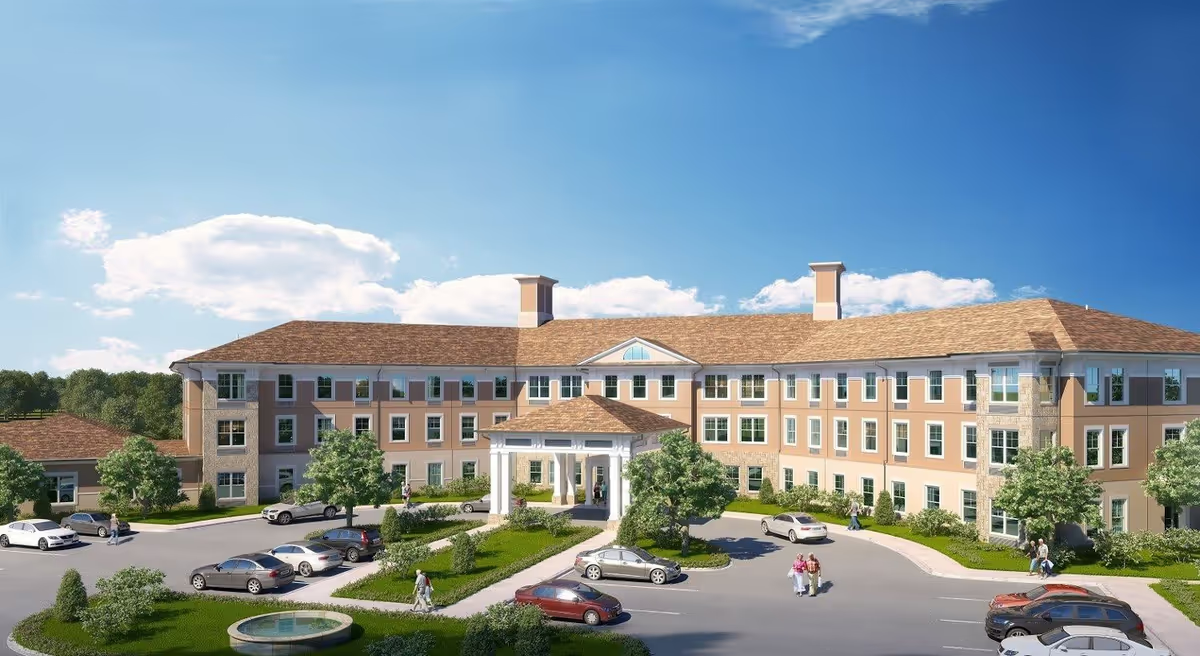
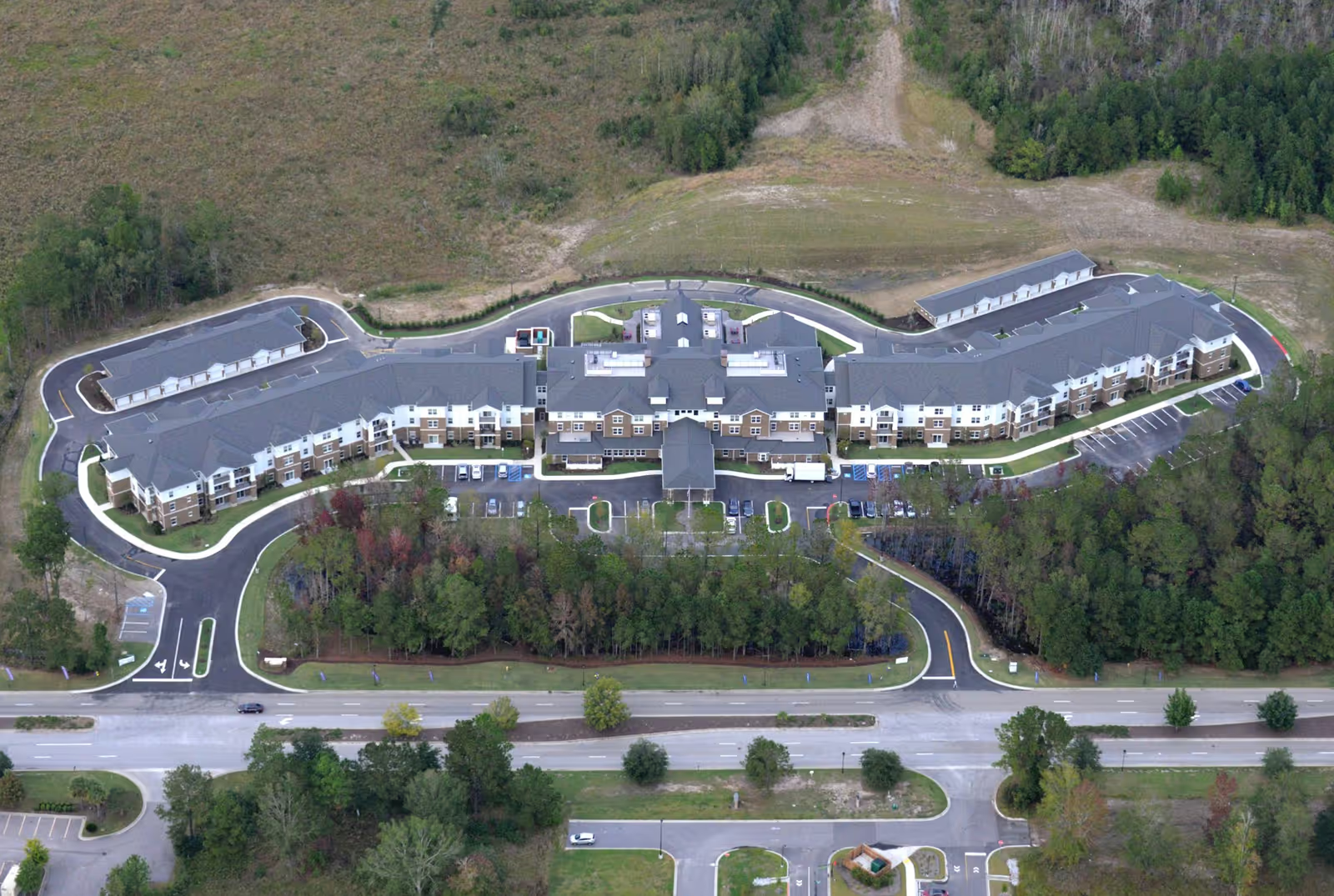
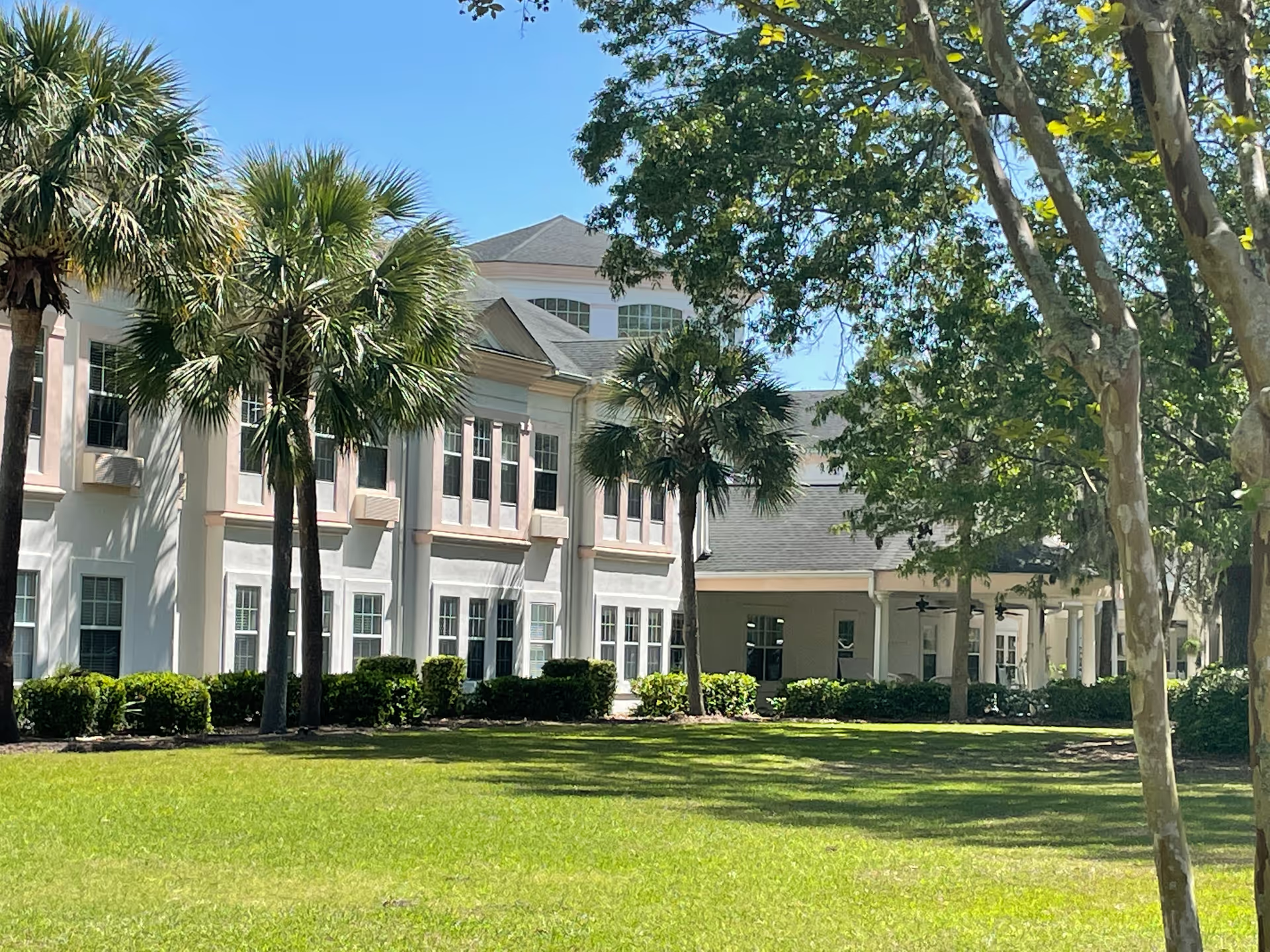
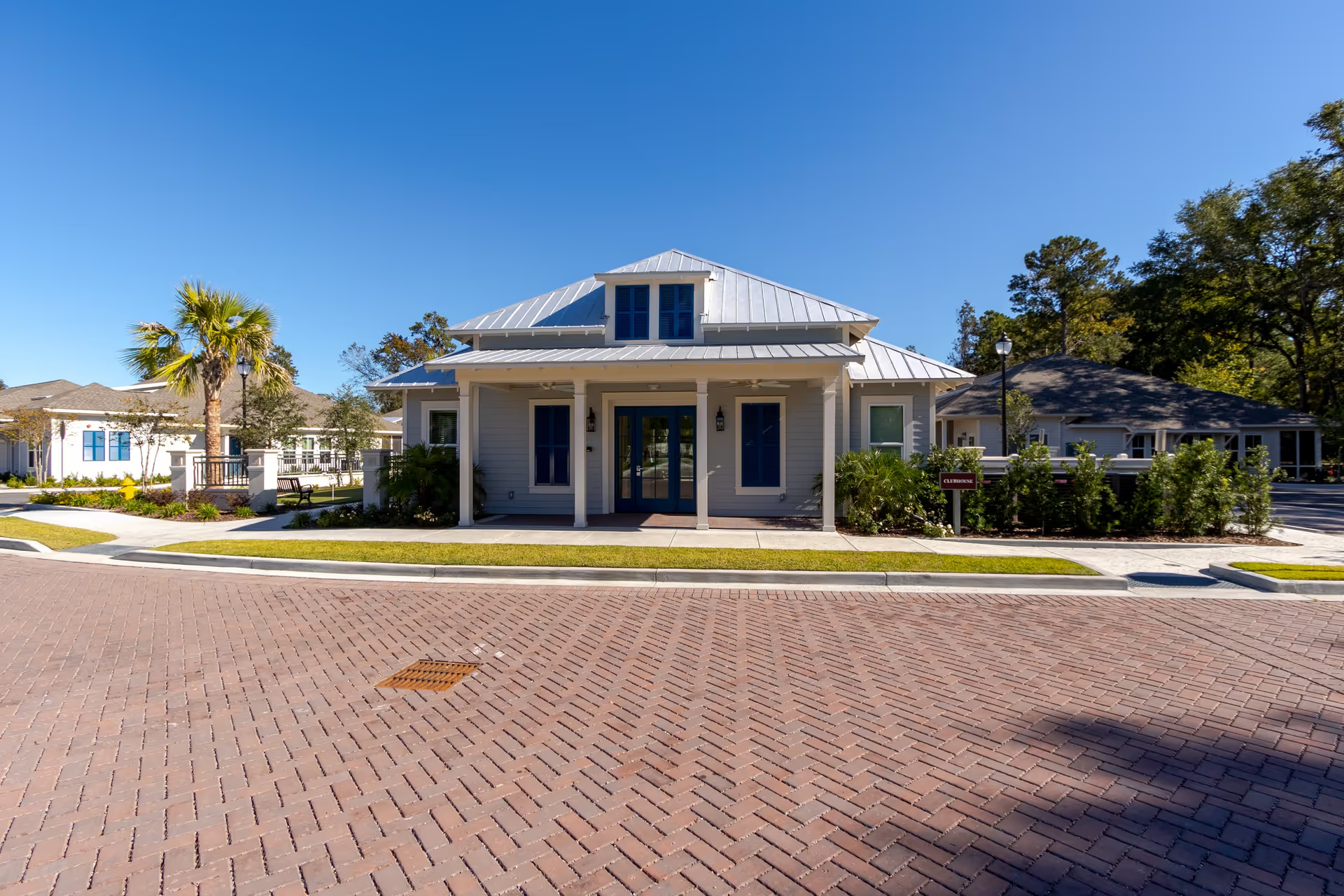
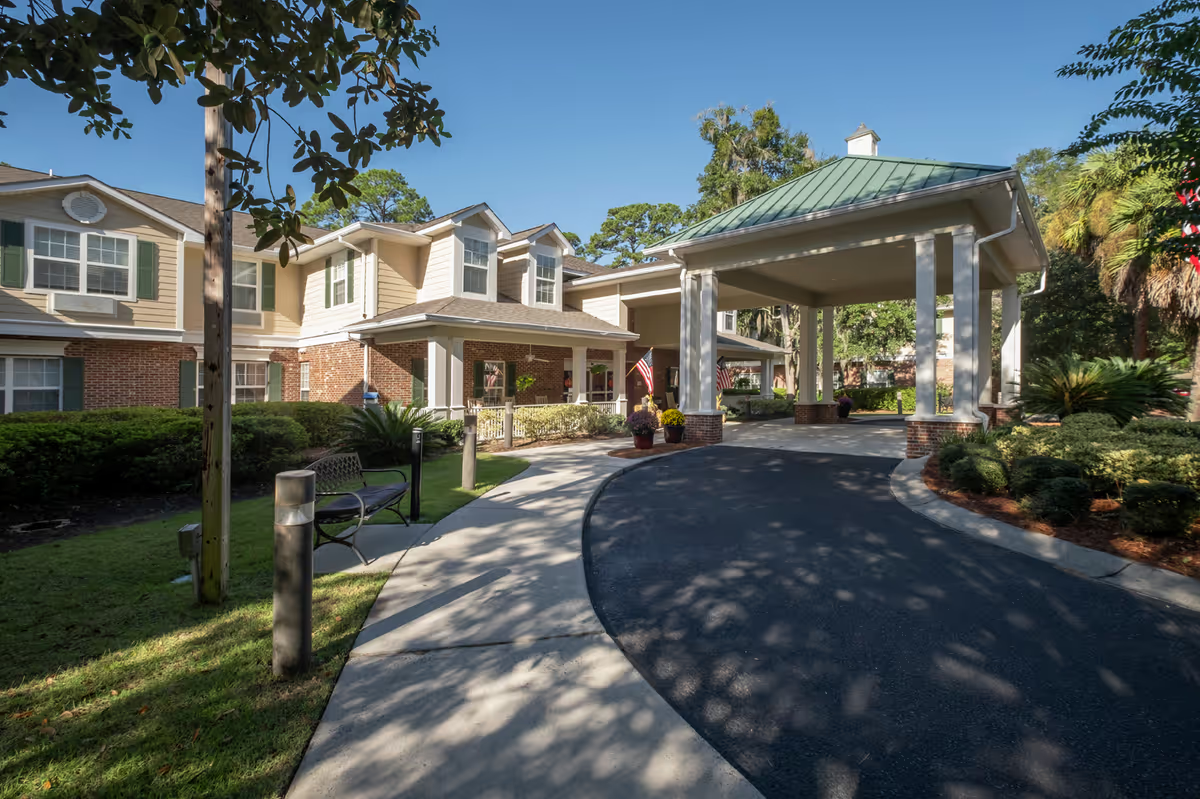
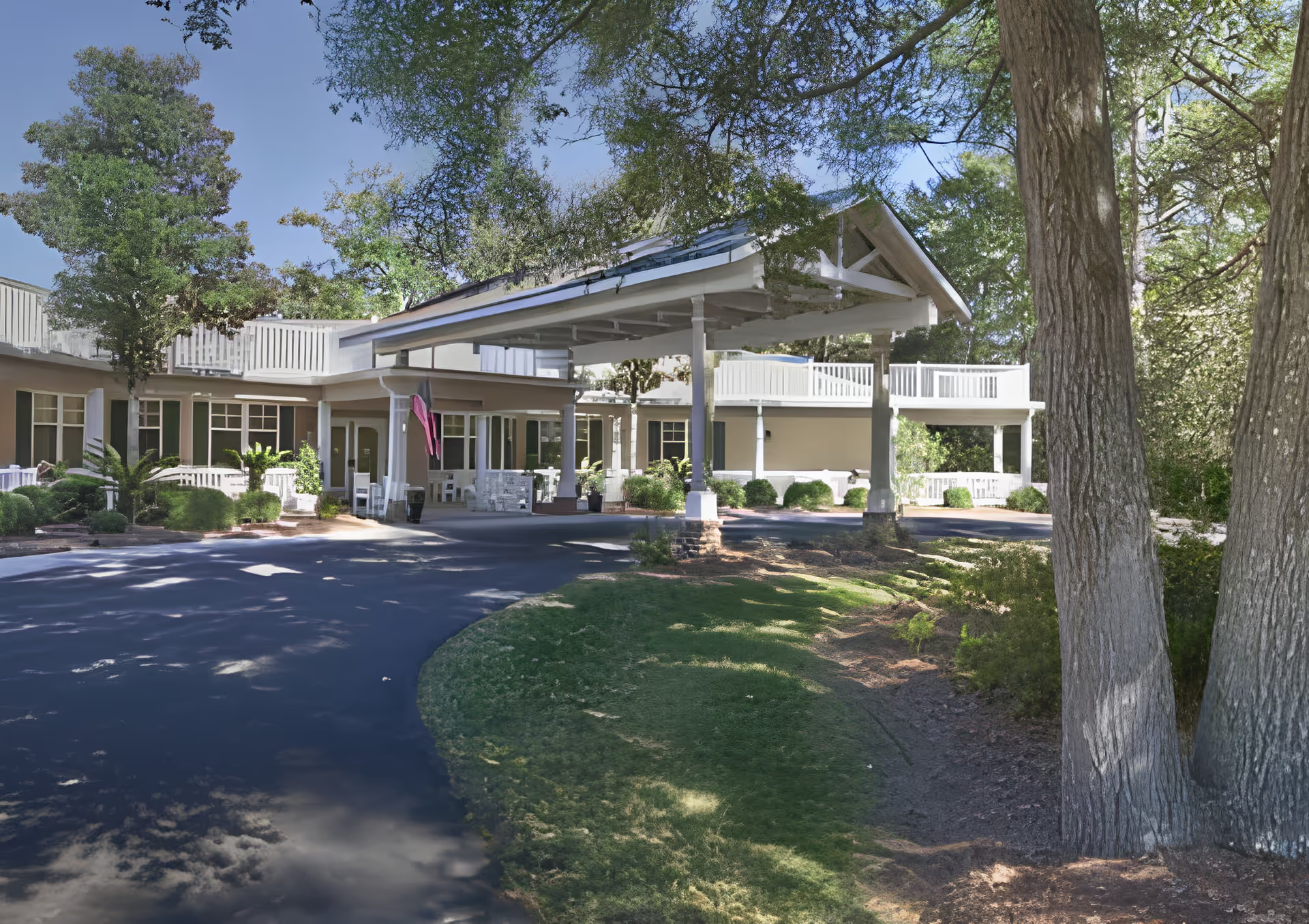
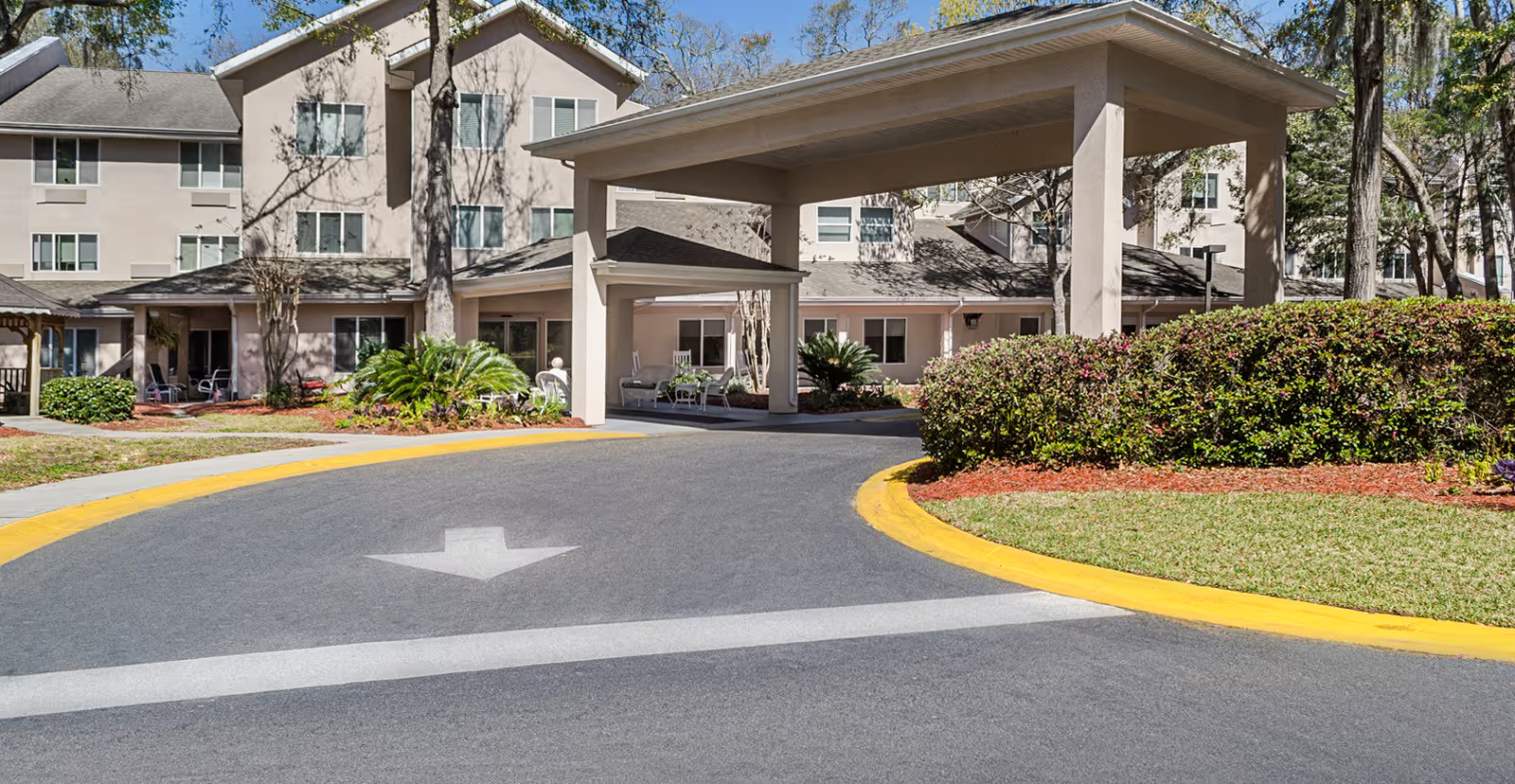
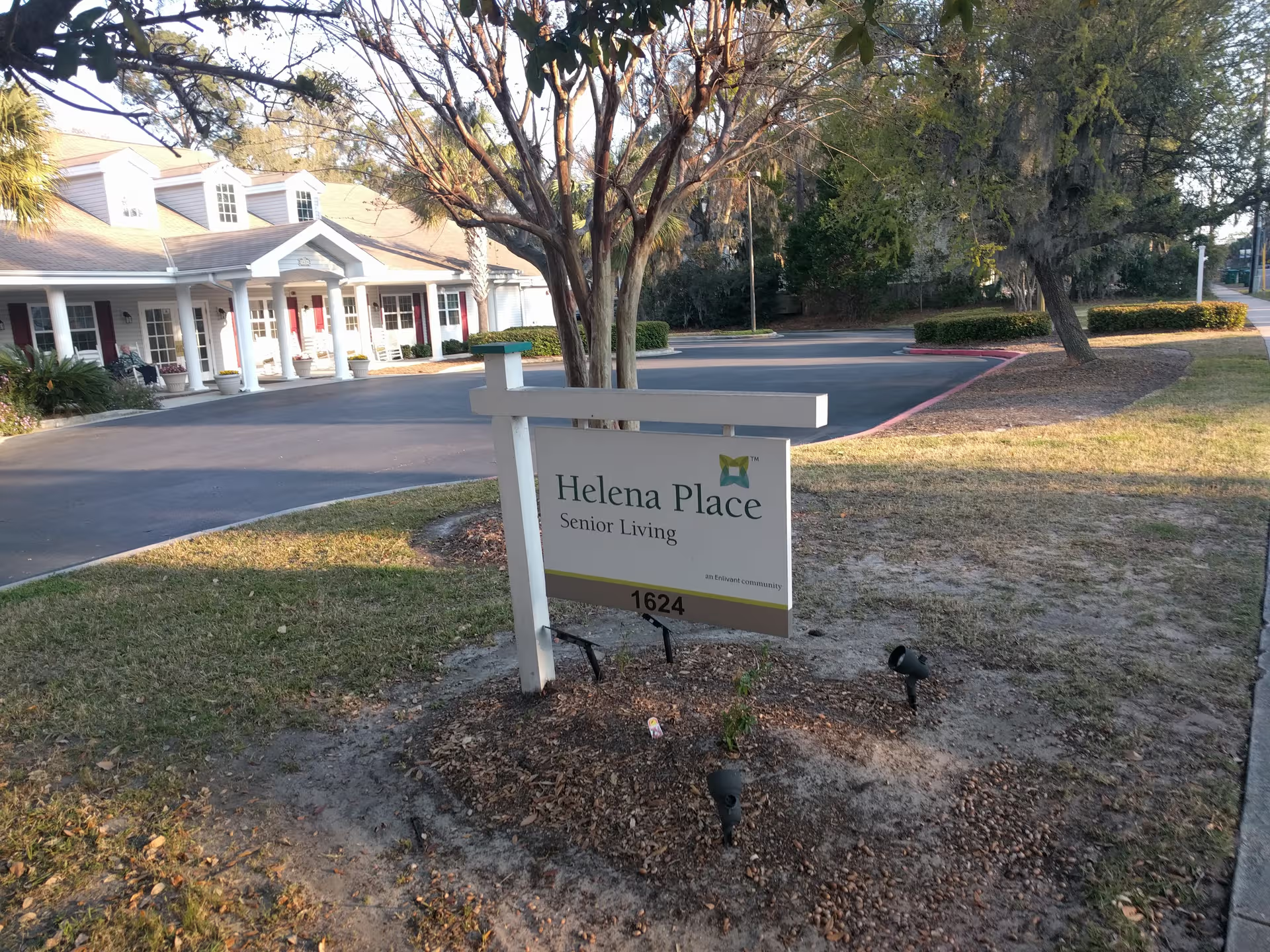
Vineyard Bluffton is consistently described as an attractive, recently built community with hotel‑style appointments, well‑kept landscaping, and pleasant outdoor spaces. Many accounts highlight clean, modern apartments and common areas, a secure Memory Care unit with electronic access, and amenities such as courtyards, lagoons, and pool areas. Physical plant and décor are frequently cited as a strength that contributes to a residential, welcoming atmosphere.
Staff and day‑to‑day care receive mixed but generally positive commentary. Reviewers often emphasize compassionate, professional administrative and clinical staff, with multiple references to an executive director who is visible and supportive during transitions. Move‑in experiences are commonly described as smooth and well‑managed, and several comments single out the activities and reception teams as welcoming and helpful. However, there are recurring operational concerns about caregiver continuity and training: reviewers noted variability in aide skill levels and the effects of staff turnover on consistency of care.
Dining and programming are notable parts of the community’s appeal. Several accounts praise the dining experience, meal flexibility, and specific menu items, and activities programming is repeatedly described as vibrant, varied, and well led. The presence of dementia/aging education for families and active efforts to integrate new residents into daily activities are further positives. That said, perceptions of food quality are not uniform; some people praise meals highly while others find dining inconsistent.
Communication and responsiveness to families are areas of concern. Multiple remarks indicate that families sometimes need to advocate for updates or encounter gaps in outbound communication. Similarly, custodial and maintenance responsiveness was identified as uneven in some reports, producing frustration when families expect timely resolution of nonclinical issues. Construction work and associated disruptions were also noted by reviewers who moved in during building activity.
There are also more serious interpersonal and operational issues raised by a subset of reviewers. These include perceived problems with staff conduct, privacy, or bias in interactions, and worries about the facility’s cost relative to the level of service when turnover is present. While these are not framed as widespread regulatory incidents, they do represent reputational and relationship risks that prospective families should evaluate during a tour and reference check.
In sum, Vineyard Bluffton presents as a high‑amenity, aesthetically strong community with many positive reports about its staff, activities, and living environment. Prospective residents and families should verify clinical-service scope for assisted‑living needs, ask for specific approaches to staff training and turnover mitigation, clarify family‑communication protocols, and inquire about current construction status or other disruptions. Those measures will help determine whether the community’s strengths align with a given resident’s care and communication expectations.