White Oak Manor Charleston elicits a strongly mixed set of impressions. Many families and residents praise individual caregivers, rehabilitation therapists, and the facility’s activity program; these positive elements are frequently credited with functional gains, improved mobility, and smoother transitions to Medicaid or home. At the same time, a substantial body of feedback highlights repeat operational weaknesses that prospective families should weigh carefully.
Care quality and clinical management are characterized by variability. Positive accounts describe strong PT/OT services and nurses who provide attentive, hands-on care. Conversely, there are recurring accounts of delayed medical escalation, slow lab and culture follow-up, and inconsistent wound or post-operative dressing care. Several descriptions point to delayed recognition or response when residents showed signs of infection or fever, indicating gaps in monitoring and clinical escalation protocols. Infection-control concerns, including staff COVID-19 exposure events, are also noted and have affected families’ confidence in the facility’s ability to isolate and communicate during infectious outbreaks.
Staffing and staff conduct present a polarized picture. Numerous reviews single out individual CNAs, weekend staff, and therapists as compassionate and highly effective; those employees are credited with providing reassuring, attentive care. However, reviewers also report chronic understaffing, reliance on third-party staffing, high turnover, and inconsistent shift coverage. These operational staffing issues are associated with slower response times to nurse call buttons, delays in personal-care tasks (bathing, linen/diaper changes), and the need for families to intervene to coordinate care. Concerns about workplace culture — including favoritism, disrespectful conduct toward certain employees, and inconsistent supervision — were reported and tied to variability in frontline performance.
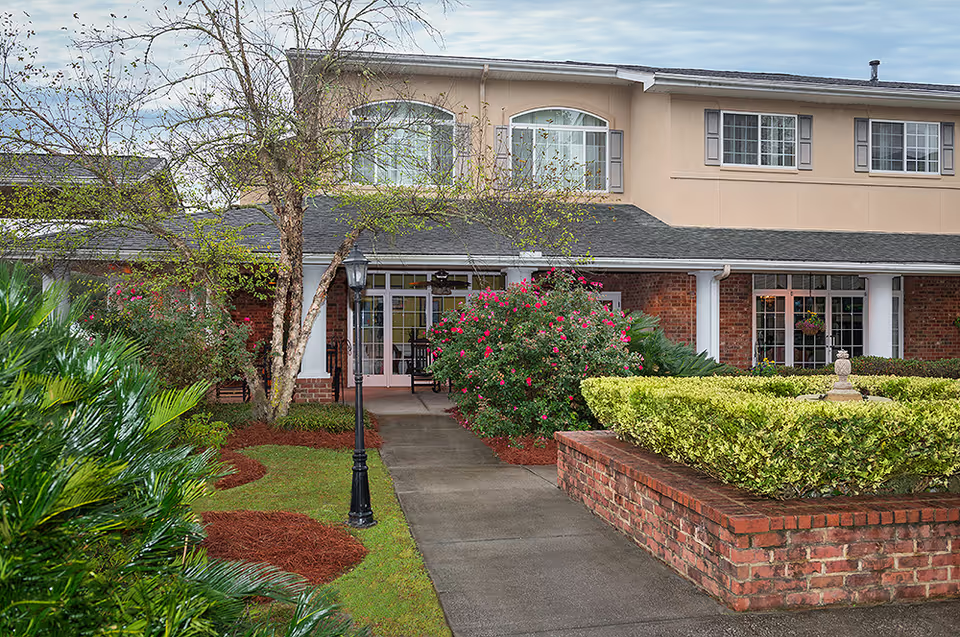
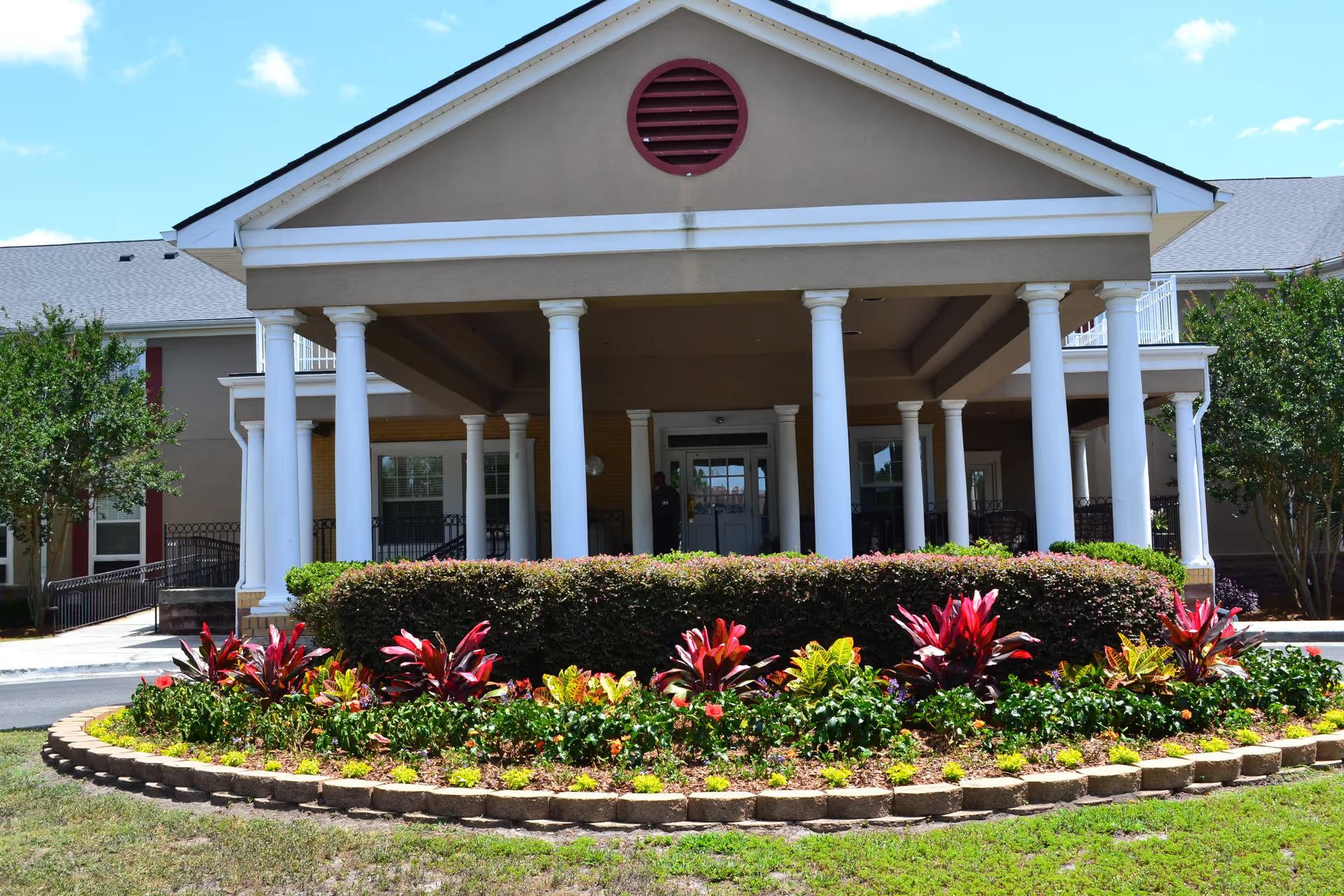
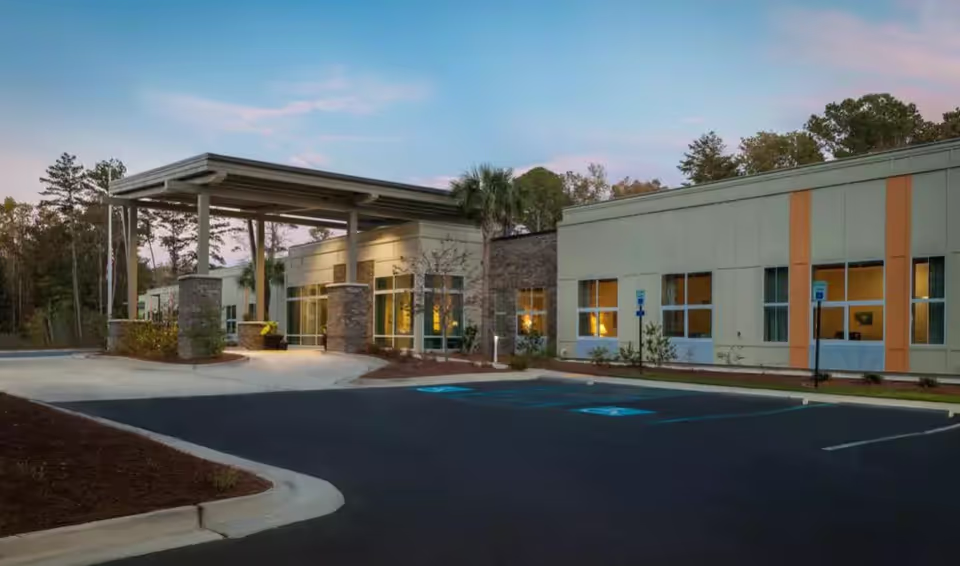
Dining, activities, and facilities receive mixed remarks. The activity program is widely regarded as a strength, with a steady schedule of crafts, games, and social programming that supports resident engagement. Facility cleanliness and room setup are often praised, including single accessible bathrooms and available equipment such as hospital beds. At the same time, multiple comments describe inconsistent meal quality, leftover or repeated dishes, and even alleged mishandling of food service. Pest-control concerns were raised in some accounts, and maintenance issues (for example, malfunctioning beds or problems with oxygen tubing/supplies) were described in ways that suggest lapses in equipment checks and preventive maintenance.
Management, communication, and business processes are frequent points of concern. Families describe inconsistent responsiveness from administrators and front-desk personnel, slow callbacks from admission or home-health coordinators, and frustration with billing or Medicare-processing practices. Several reviews frame decisions as financially driven — emphasizing reimbursement limits or staffing cuts — and link that perception to variable care quality. There are also allegations of theft or mishandling of resident valuables; this is a serious concern that reviewers raised alongside requests for clearer accountability and incident follow-up.
Overall, White Oak Manor Charleston appears to offer strong rehabilitation services, an engaging activities program, and many dedicated caregivers who deliver compassionate care. Prospective residents and families should balance those strengths against repeated operational concerns: inconsistent clinical responsiveness, understaffing, variable personal-care practices, food- and pest-control issues, equipment-maintenance gaps, and management or communication weaknesses. Visiting the unit(s) of interest, asking for recent staffing and infection-control metrics, reviewing incident and maintenance logs, and meeting therapy and nursing leadership directly would help families evaluate whether the facility’s strengths align with an individual resident’s clinical and safety needs.