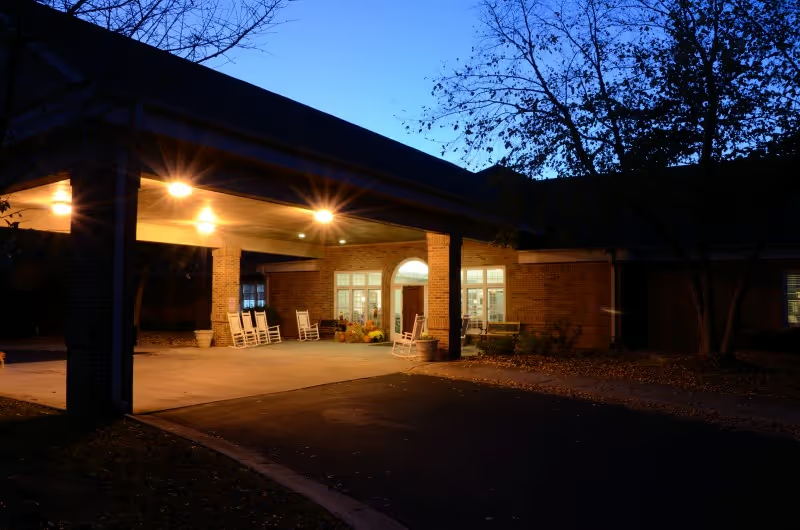
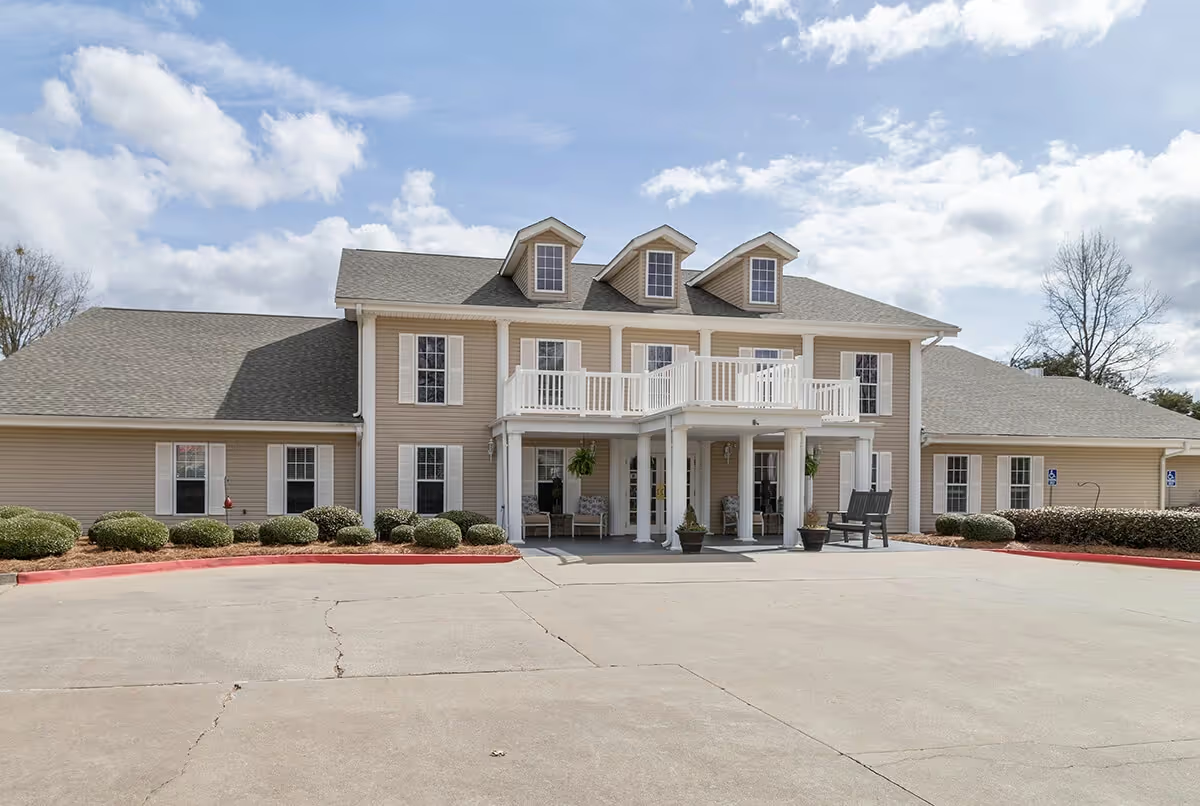
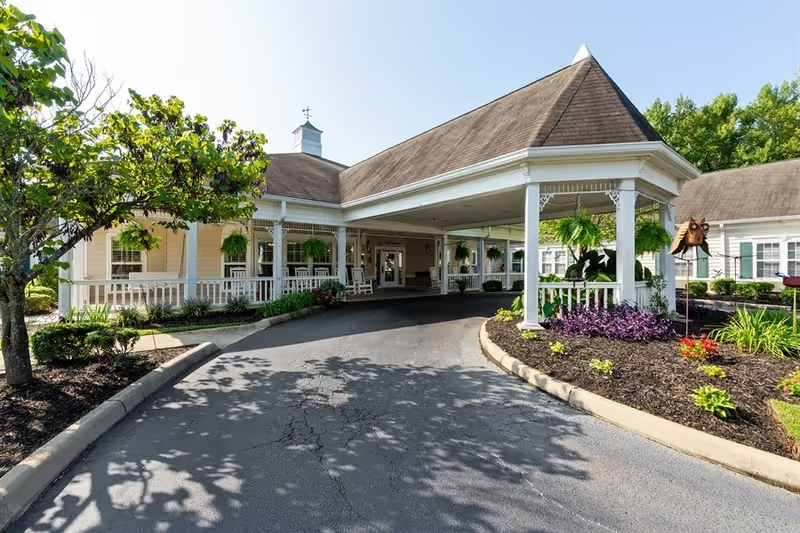
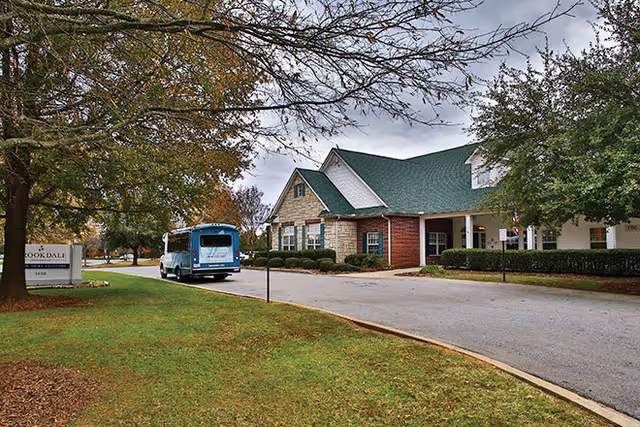
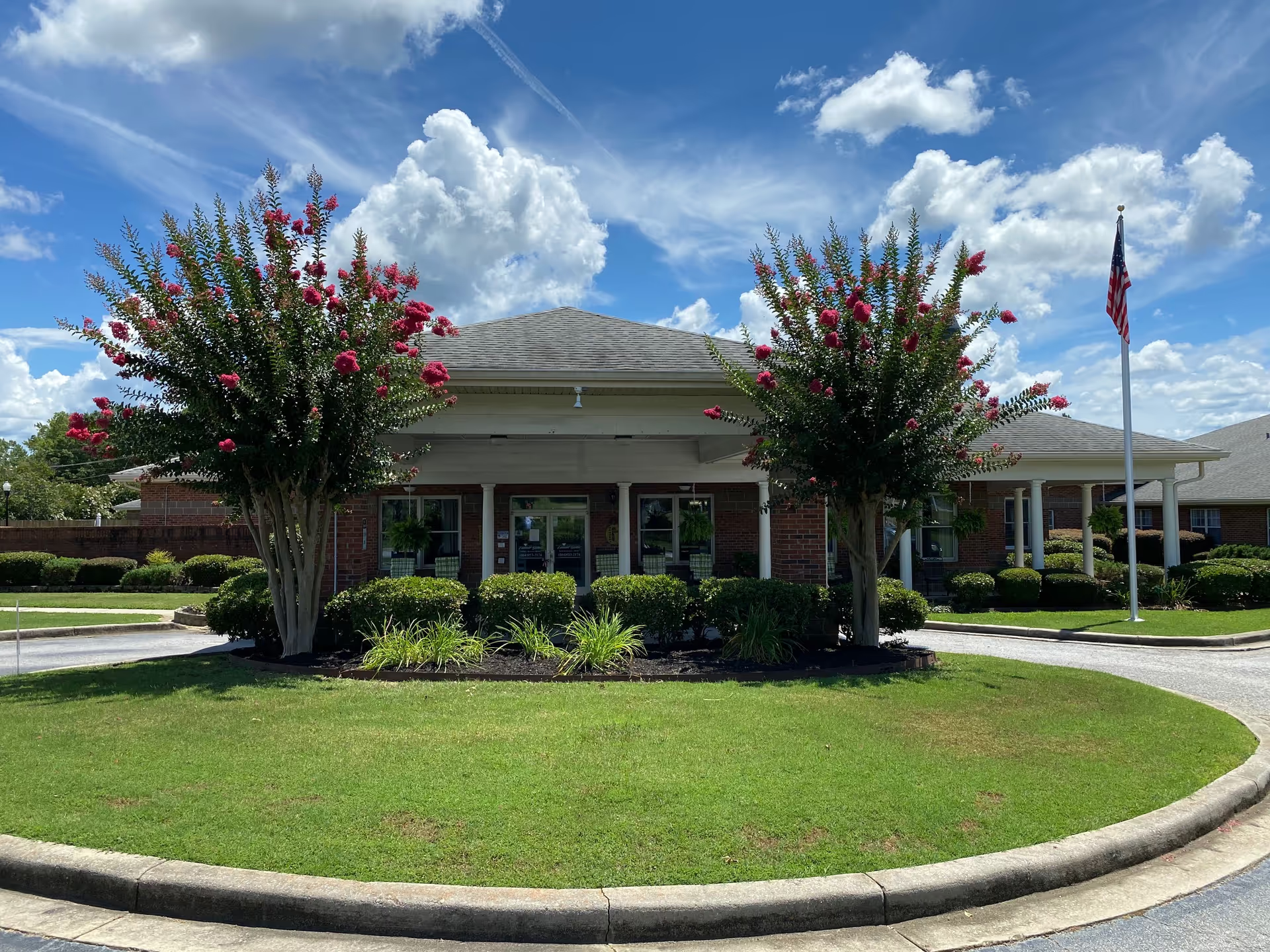
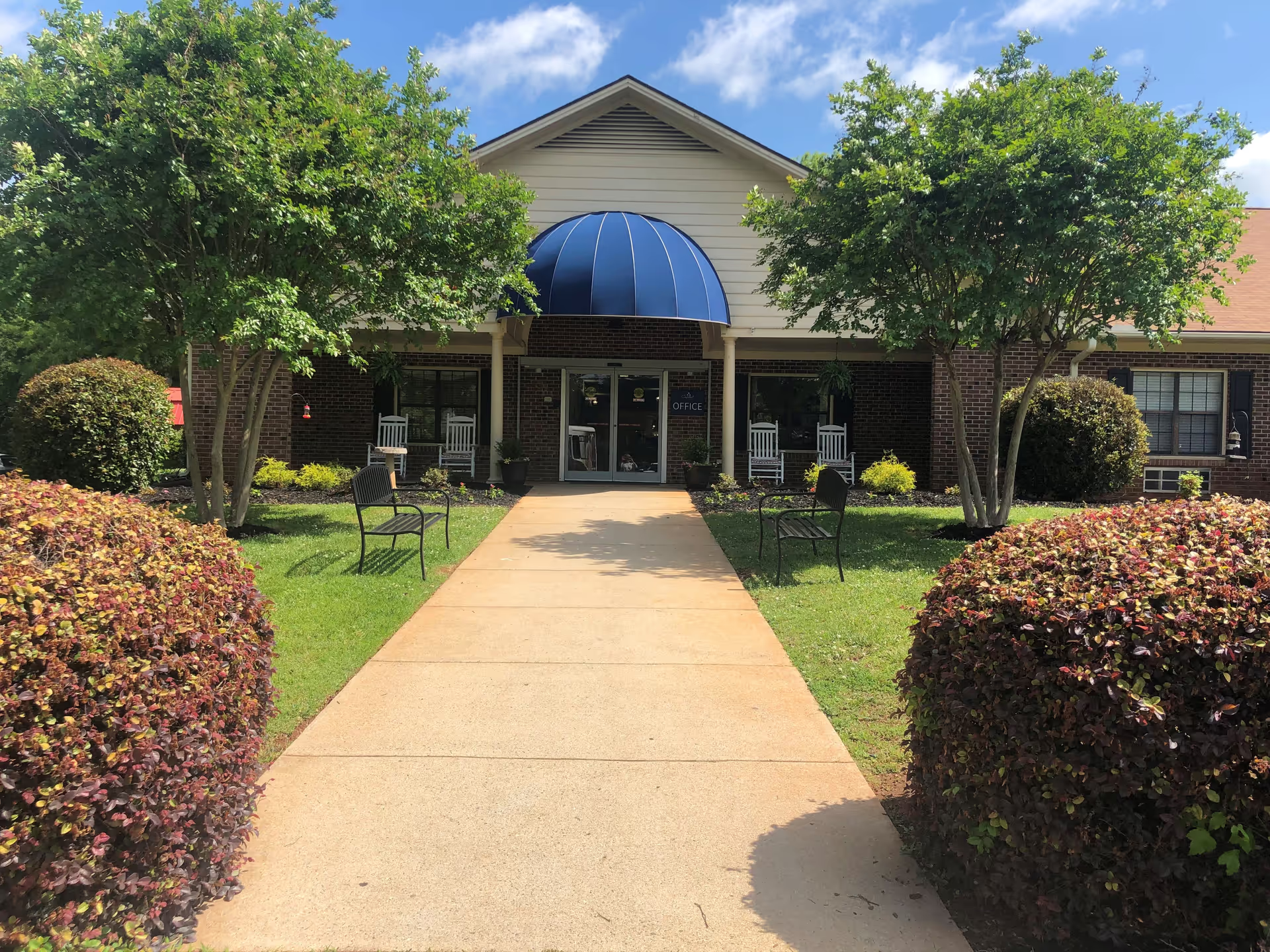
The Renaissance Senior Living presents as a well‑kept, home‑style campus with substantial strengths in atmosphere, dining, and social programming. Reviewers consistently describe attractive grounds and a homelike interior, an active connection with a local college, and a variety of housing types ranging from independent cottages to assisted living and a secured memory‑care unit. Many families praise the presence of an on‑site chef, three daily meals with variety, and reliable housekeeping and maintenance services. Onsite amenities — including a chapel, library, beauty shop, gyms, and physical‑therapy services — support resident engagement and daily living.
Care and staffing receive generally positive marks for compassion and attentiveness. Administrative leaders and individual staff members were named for responsive behavior and family communication, and staff involvement in activities and outings is highlighted. At the same time, reviews indicate variability in staffing levels and day‑to‑day responsiveness: some accounts describe delays in personal‑care assistance and concerns about staff conduct or professionalism. Medication assistance and clinical practices are described as timely by many families, but other families experienced inconsistency; a minority of reviews included more serious allegations about responsiveness to personal‑care needs and professional conduct.
Dining and household services are a notable strength for many residents. The on‑site chef and dining staff are frequently praised for good quality, varied meals and accommodating service. Food is described as homelike and often restaurant quality, with options for self‑serve and dietary needs. A small number of reviews raised service‑conduct concerns related to mealtime practices; prospective families may wish to observe dining service during a tour.
Activities and social engagement are robust features. The community runs a varied activity schedule with cognitive therapy, exercise, games, and regular outings for shopping and appointments. The relationship with the nearby college contributes additional programming and volunteer interaction. That said, some reviewers noted variability in activity frequency or seasonal programming, and that engagement levels may differ between independent and higher‑care units.
Facility attributes are mixed. Private, spacious independent units and cottages with in‑room kitchenettes and outdoor space are repeatedly praised, as are accessible bathrooms and emergency call systems. The memory‑care area is secured for safety, though room sizes there are described as small. Parts of the physical plant show signs of age, and several families reported slow follow‑up on repair requests or maintenance items.
Location is both an asset and a limitation: proximity to a small college adds cultural and recreational opportunities, but the campus is in a rural area with long drives to grocery and commercial services. Some reviewers noted challenges with ambulance/transport logistics in emergencies and overall travel distance for family visits.
Overall, The Renaissance appears to offer a caring, activity‑rich environment with strong dining and a homey campus feel. However, variability in staffing, maintenance responsiveness, and consistency of personal‑care assistance are recurring themes. Prospective residents and families should tour multiple unit types, observe dining and activities, and ask direct questions about current staffing ratios, personal‑care schedules, medication‑assistance protocols, and maintenance response times before deciding.