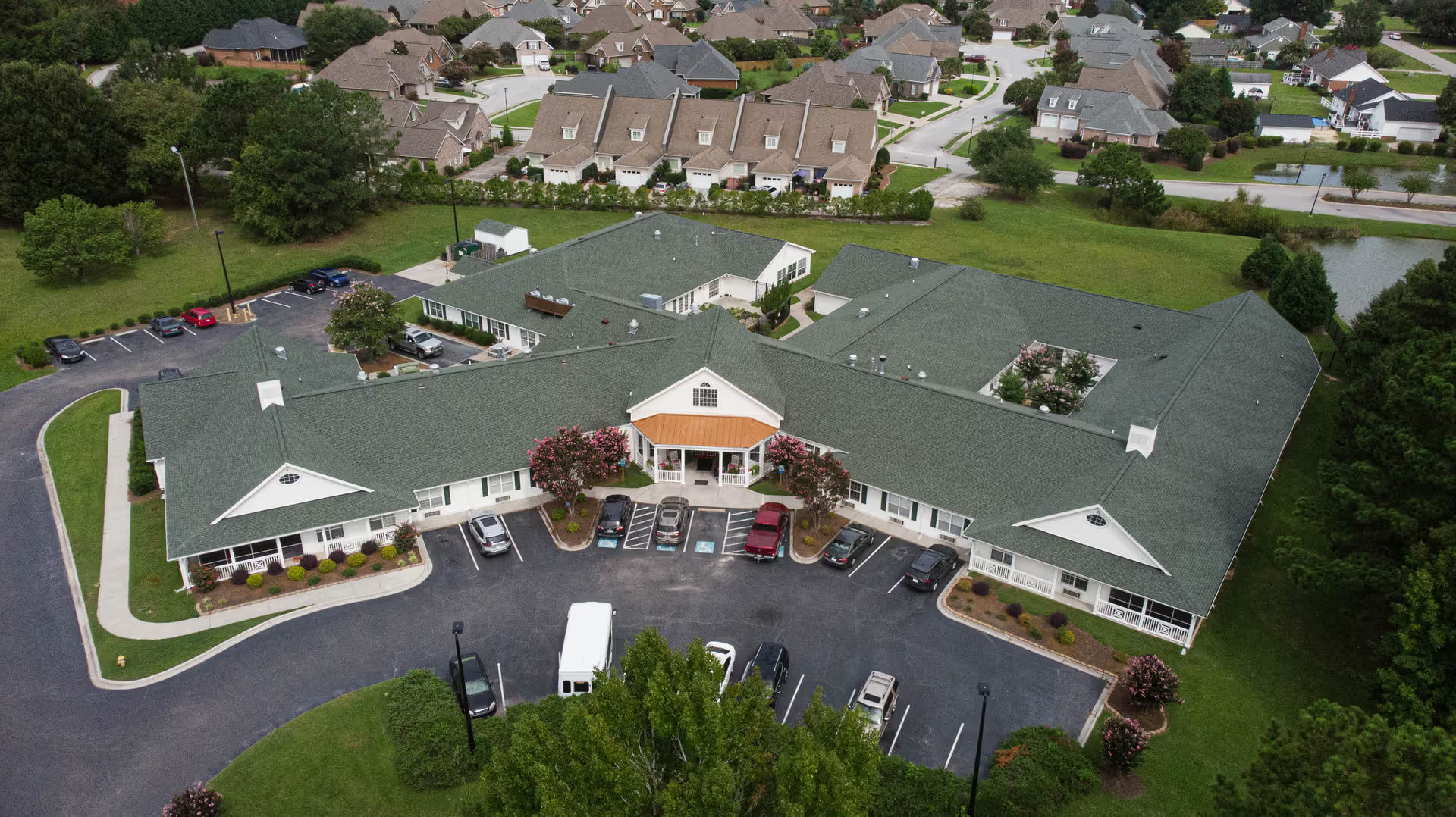
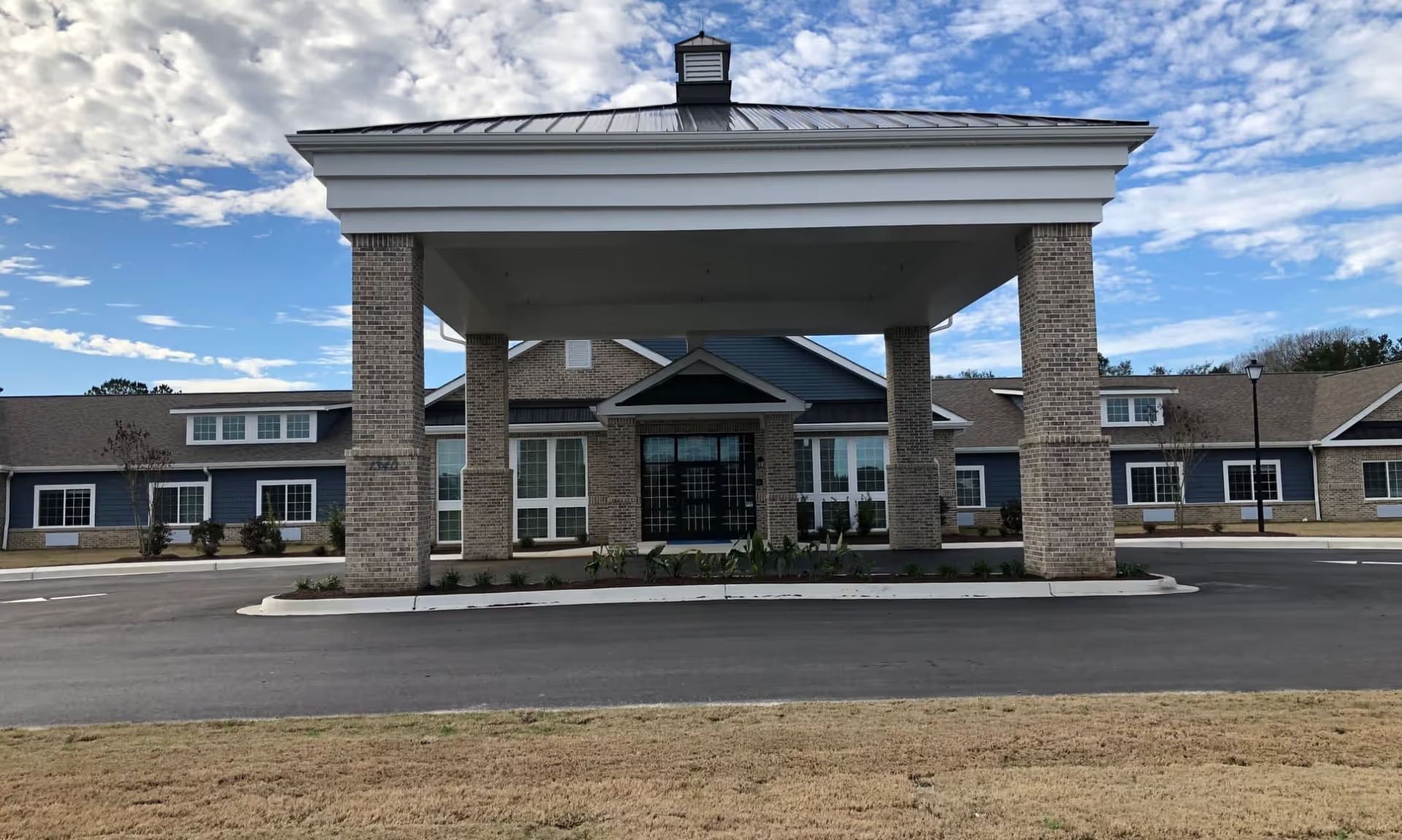
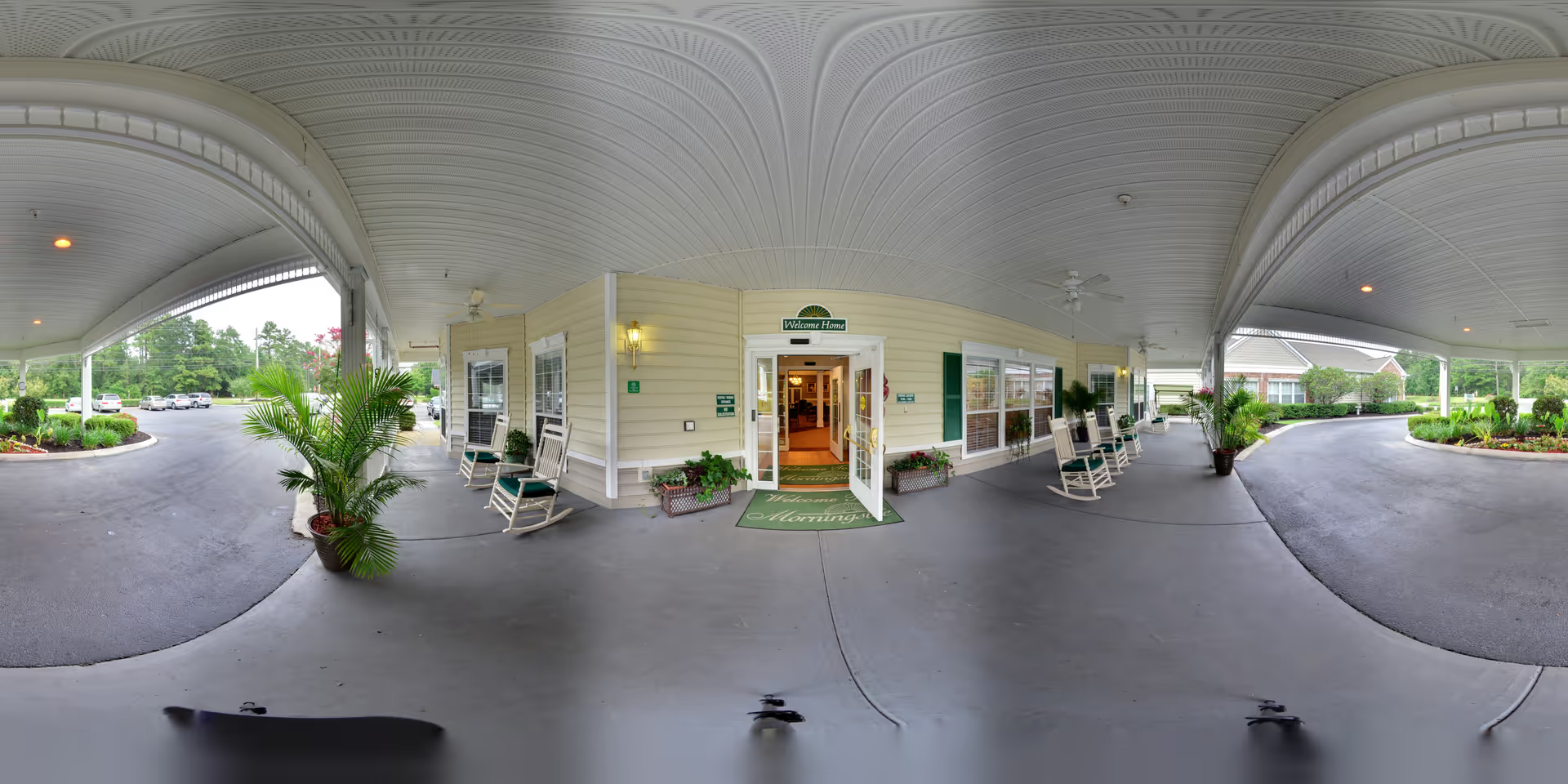
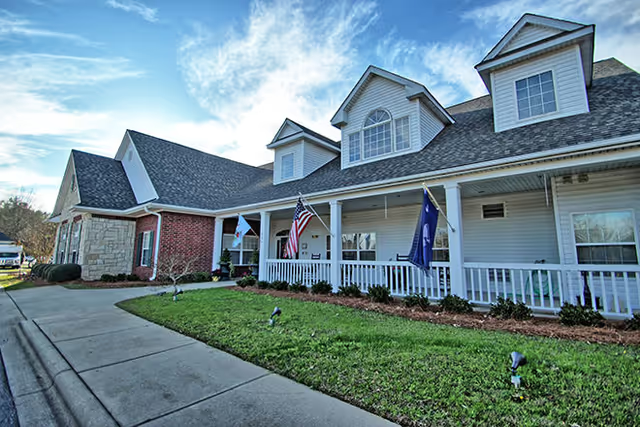
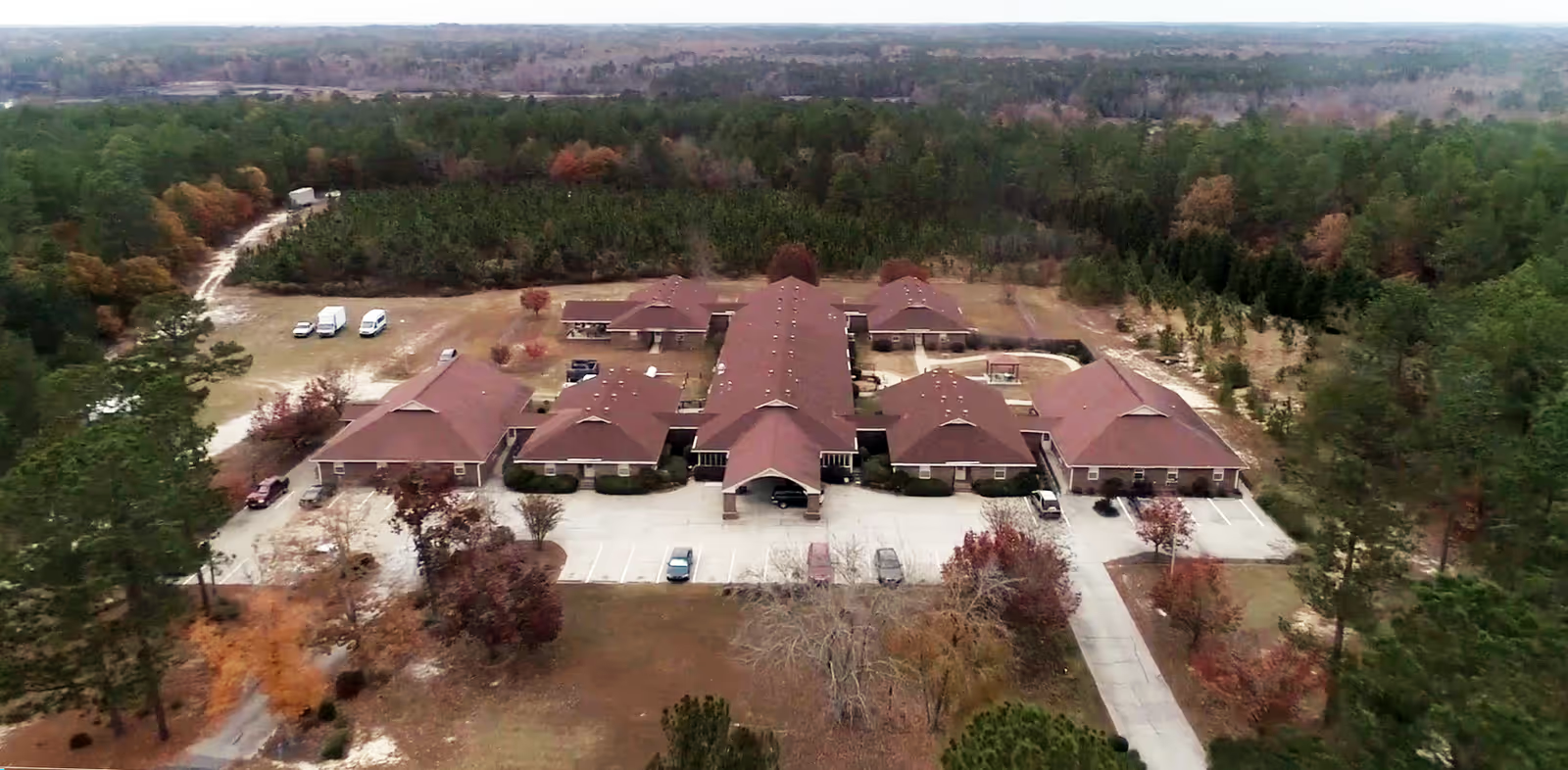
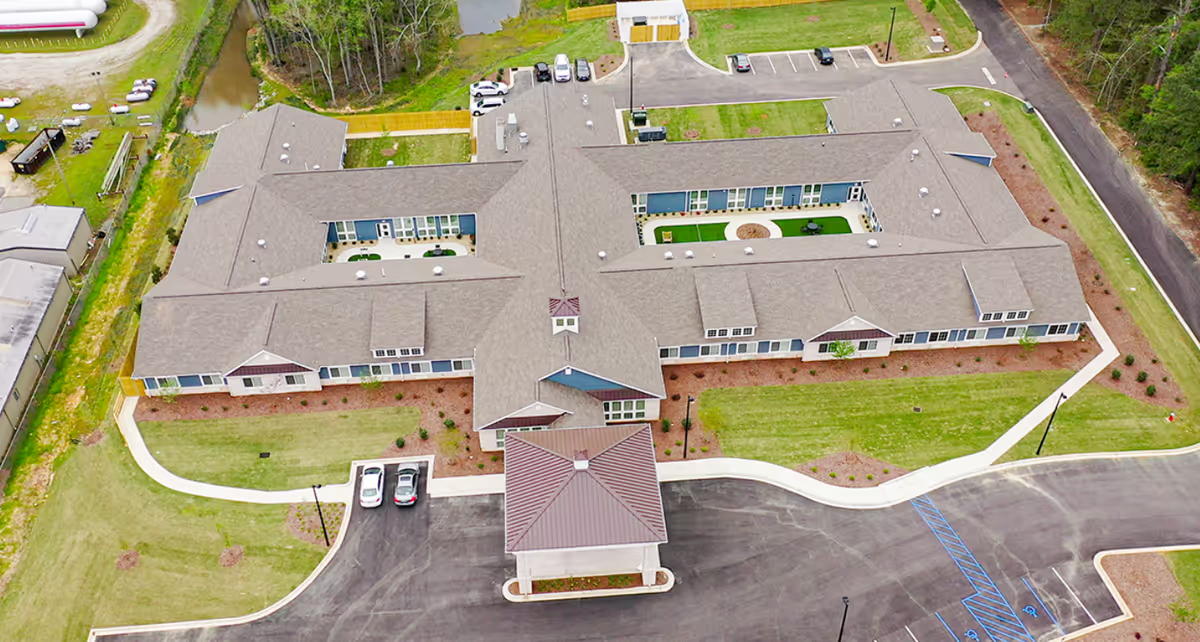
Overall impression: Addison of Florence presents as a new, well‑appointed assisted living community with many hallmarks families seek: bright, modern spaces; thoughtfully designed common areas; secured memory‑care access; and an all‑inclusive fee structure that bundles apartments, utilities, meals, transportation, laundry, linens, and housekeeping. Review summaries consistently highlight a warm, home‑like atmosphere, active programming, and numerous amenities such as outdoor seating, a screened porch, and multiple apartment configurations with in‑room refrigerators and patio access.
Care and clinical oversight: Many families praised the caring nature of direct‑care staff, nurse‑supervised medication protocols, and regular clinical touchpoints in some cases (for example, nurse practitioner visits). At the same time, reviewers describe significant operational gaps that affect clinical reliability: errors or lapses in medication administration, reports of extended periods without a licensed nurse on site, and delayed responses to medical emergencies. These patterns suggest inconsistent clinical oversight and weaknesses in contingency staffing and emergency procedures that prospective families should clarify during a tour.
Staff and management: Staff are frequently described as compassionate, personable, and willing to go above and beyond—examples include individualized attention, providing personal contact information, and steady engagement with residents. However, reviews also describe variability in staff competence and professionalism, along with concerns about management organization. Comments reference inconsistent administrative communication, perceptions of favoritism, and organizational instability tied to ownership or leadership transitions. Such mixed feedback indicates that day‑to‑day experience can depend on staffing levels and which personnel are on duty.
Dining, housekeeping, and amenities: Dining and activity programming are strengths for many residents—menus with choices, dietary accommodations, plentiful desserts, and active social calendars (bingo, outings, exercise, live music) contribute to resident engagement. Nonetheless, meal quality and consistency are uneven in some accounts, with comments that food quality declined after management changes. Housekeeping and cleanliness are generally praised, though isolated issues such as wrinkled laundry and inconsistent linen/appearance handling were noted.
Safety, security, and property concerns: The community’s secured memory‑care unit and controlled access are positive safety features. Conversely, summaries raise serious concerns about security of personal property and financial items, with allegations of missing jewelry, cash, or food. This, combined with medication and emergency‑response inconsistencies, points to operational risk areas related to resident safety and property management.
Notable patterns and considerations: The overall narrative is mixed—many families describe a supportive, engaging environment with high‑quality amenities and devoted staff, while others report operational weaknesses that have material consequences for clinical safety and resident security. Prospective residents and families would benefit from asking detailed questions about medication administration protocols, licensed clinical staffing levels and on‑call procedures, emergency response timelines, property‑security measures, recent ownership or leadership changes, and meal preparation policies. A balanced, in‑person assessment focused on those operational safeguards will help determine whether the facility’s strong social and environmental attributes are matched by reliable clinical and administrative practices.