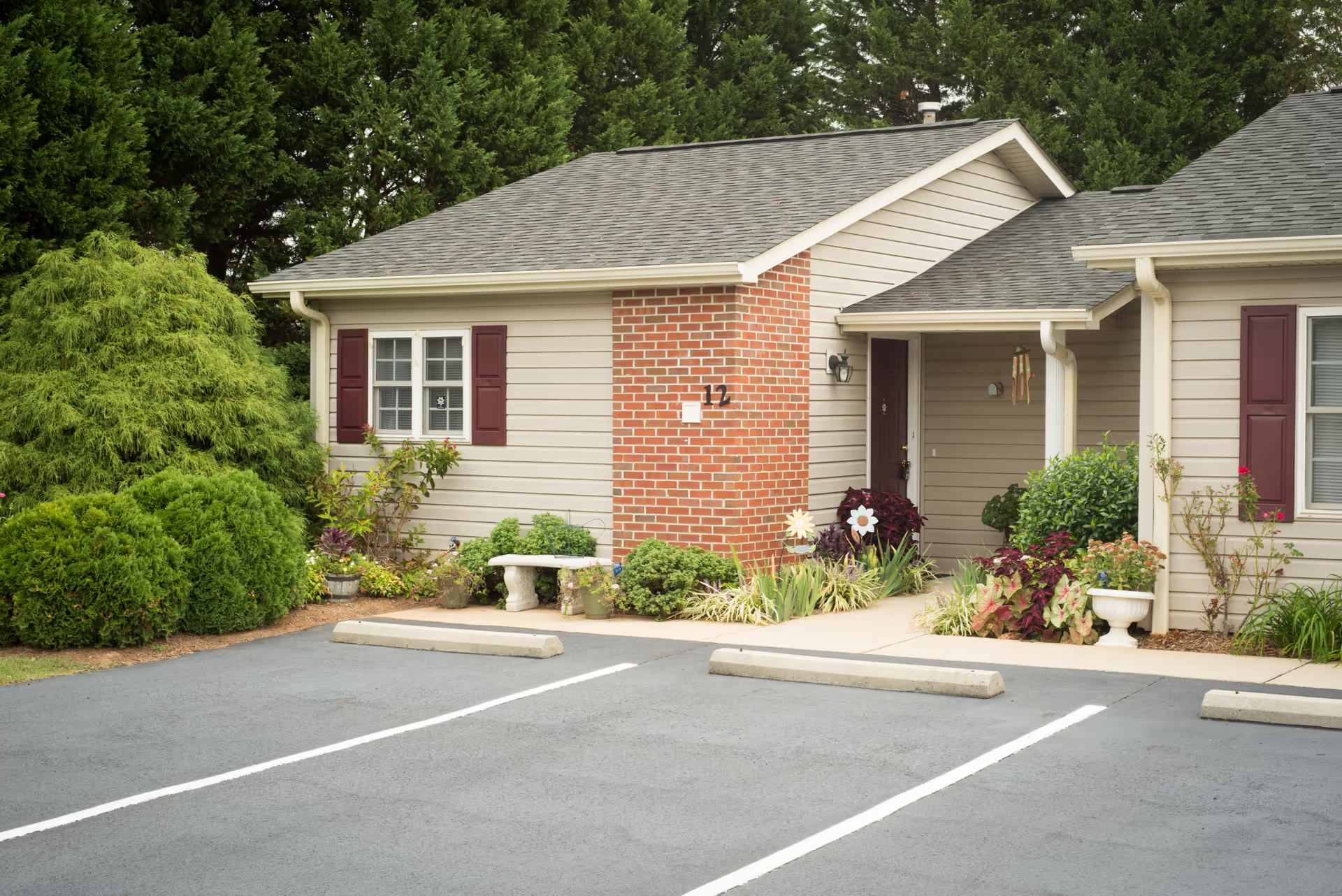
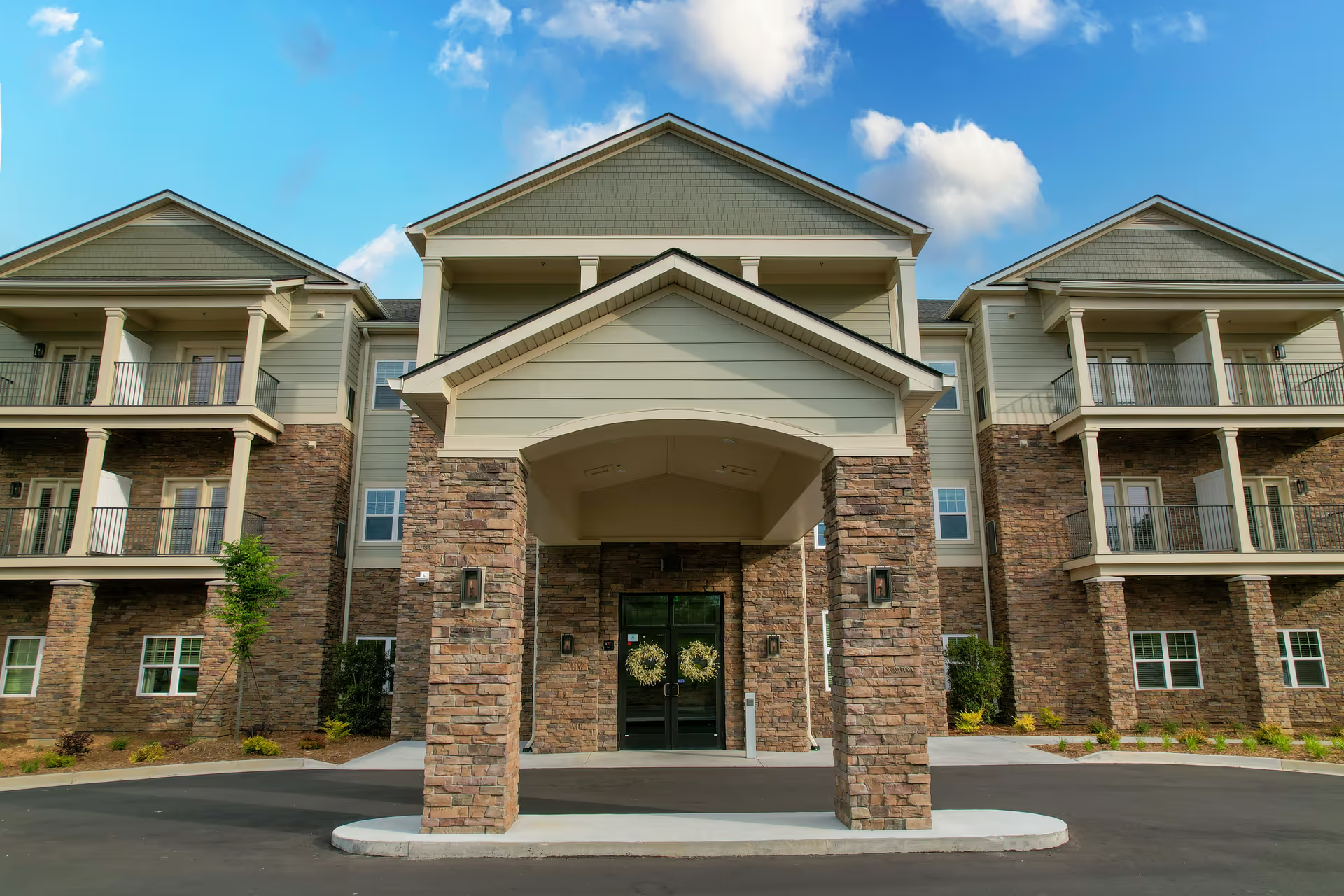
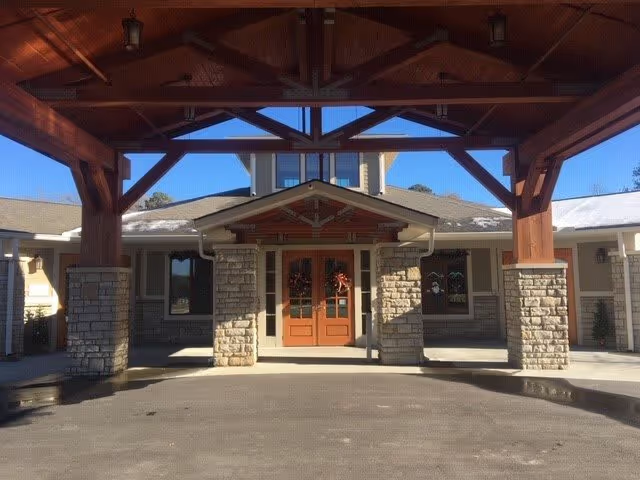
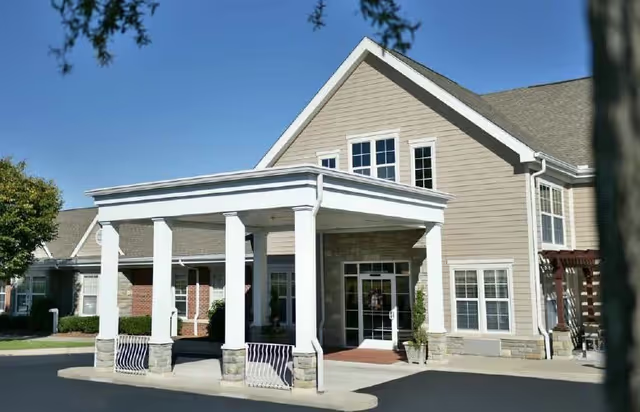
Fountain Inn Post Acute elicits strongly polarized assessments: many families and patients describe compassionate bedside care, an effective therapy team, and a clean, orderly environment, while other accounts indicate operational gaps that affected clinical continuity and family confidence. Strengths most consistently referenced include the therapy department (notably physical and occupational therapy), frequent staff interactions, and an overall clean, fresh-feeling facility with well-maintained common areas. Admissions, front-desk staff, and several administrators receive favorable mention for creating a welcoming and organized intake experience.
Clinical care is an area of mixed perception. Positive narratives emphasize skilled therapists producing measurable rehabilitation gains, attentive nurses, frequent safety checks, and clinicians who communicate changes in condition when families are engaged. Conversely, there are recurring concerns about medication administration processes, wound-care follow-through, and delays in escalation or family notification after adverse clinical events. These clinical-process gaps manifest as missed or delayed medications, inconsistent nursing follow-up for complex needs, and in some cases, delayed family communication during care transitions.
Staffing and conduct are another prominent theme. Many reviews praise individual caregivers, CNAs, and therapists as compassionate and hardworking, and several staff members are named for exemplary service. At the same time, reviewers describe inconsistent staffing quality and periods when staff appeared overburdened, producing longer response times to calls for assistance and variability in resident experience depending on staffing levels or family presence. This variability ties to reports of care delays (including assistance with toileting and transfers) and raises questions about sustained staffing capacity and training consistency.
Dining, activities, and environment expectations are similarly mixed. The facility offers organized activities, spiritual services, and nutrition oversight, and some families note a helpful dietary manager and balanced meal options. Other comments cite intermittent meal quality and menu inconsistency. The physical environment is generally well-kept, airy, and odor-free according to many observers, with high marks for laundry and housekeeping; however, some areas (furniture, linens, décor) are described as dated and in need of updating, and a few reviews mention sanitation or pest-control concerns in specific units.
Management and communication show both strengths and weaknesses. Several families found administrators responsive and appreciated efficient admissions and safety-focused visitor practices. Contrasting accounts describe lapses in communication, unmet management promises, abrupt discharge coordination, and at least one allegation of financial mishandling. Taken together, the pattern suggests the facility can deliver strong rehabilitation and attentive care under the right staffing and supervisory conditions, but prospective residents and families should specifically evaluate medication protocols, wound-care follow-up, fall-prevention procedures, and the facility’s communication practices during transitions of care. Visiting in-person, asking about recent staffing ratios, incident escalation policies, and reviewing the admission/discharge process can help clarify whether the facility’s operational performance aligns with an individual patient’s needs.