Care quality at Brookview Healthcare Center presents a mixed picture. The facility receives consistent praise for its rehabilitation services: physical and occupational therapy staff are often described as skilled, engaging, and effective in helping residents regain function. Several families and patients credited therapy and rehab teams with positive clinical progress and successful discharges home. At the same time, there are substantive concerns about day-to-day nursing care continuity. Reviews describe patterns of delayed medication administration, missed or delayed physician follow-up, and slow responses to call buttons; these operational gaps are associated in some accounts with clinical decline (weight loss, dehydration risks, and delayed treatment of infections).
Staff performance is similarly polarized. Numerous individual staff members and departments — including certain nurses, CNAs, therapists, admissions coordinators, and social workers — are singled out for being compassionate, proactive, and helpful. Specific staff were praised for going ‘‘above and beyond’’ and for creating a family-like atmosphere. However, many accounts point to chronic understaffing, frequent use of agency or rotating personnel, and uneven training/orientation of temporary staff. The net effect described is inconsistent care experience depending on staffing on a given day, with particular frustration around responsiveness and follow‑through from nursing teams.
Dining and activities are variable. Some reviewers described an active activities schedule and supportive social engagement; others found the programming minimal or not individualized. Food quality and meal delivery are reported inconsistently — while some families were satisfied, others described repetitive menus, missed feeding assistance, and limited dining support. Housekeeping and laundry likewise receive mixed evaluations: some families praised cleanliness and timely laundry service, while others raised sanitation and maintenance concerns that affected resident comfort.
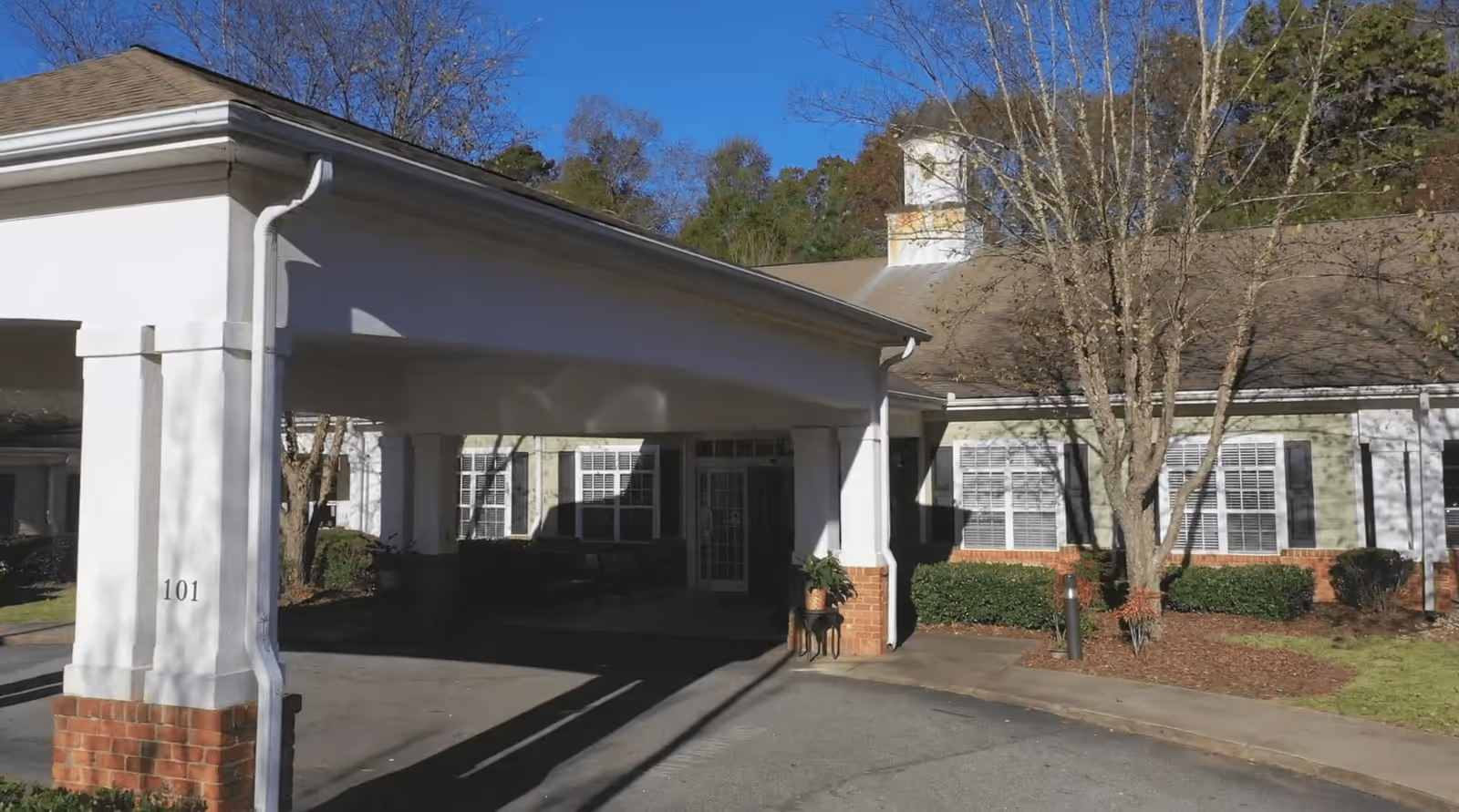
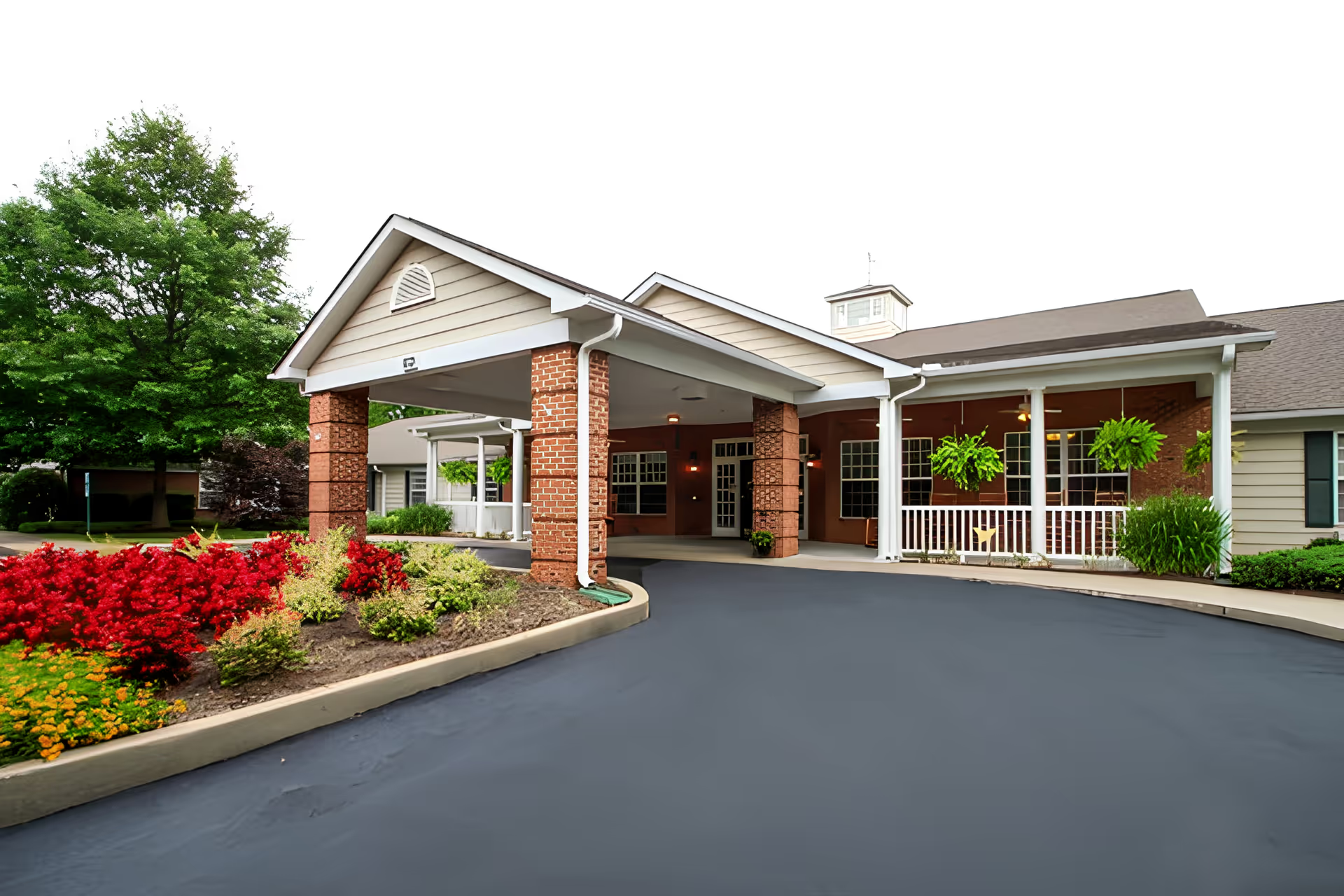
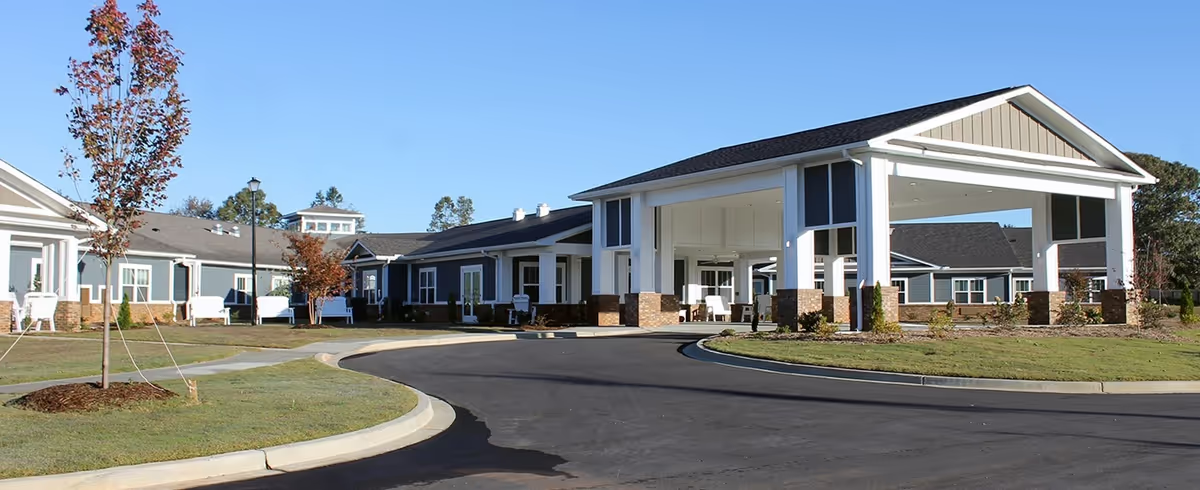
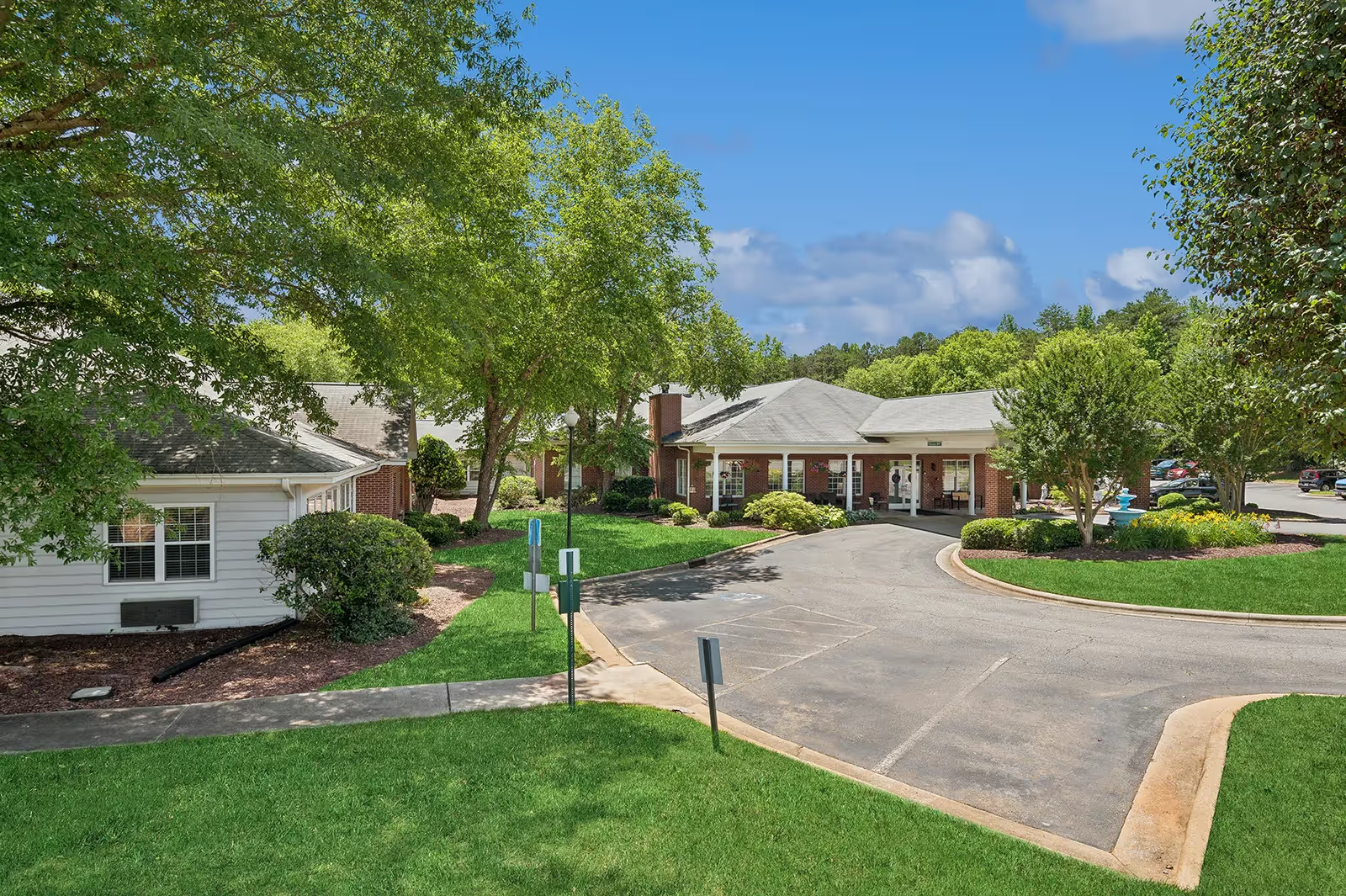
The physical environment shows contrasting observations. Positive comments note spacious and well-kept rooms in certain units, but multiple reviews reference aging infrastructure (malfunctioning windows, plastic mattress covers, general maintenance needs) and sanitation or pest-control concerns in parts of the building. Safety and access-control processes were described as uneven, with delays in emergency or code access responses noted in some accounts.
Management and administration generate divergent impressions. Several reviewers singled out individual leaders and coordinators for strong advocacy and responsiveness; others criticized administrative tone, lack of timely family communication (including limited outreach after hospital transfers), and perceived dismissiveness when issues were raised. There are mentions of regulatory involvement and inspection activity; at least one inspection outcome was described as passing, while separate entries raised questions about billing, medication handling, and allegations of property loss or theft.
Notable patterns: (1) consistently strong rehabilitation/therapy services and several highly regarded individual staff members; (2) chronic staffing instability and a reliance on agency personnel that appear to drive many of the negative operational issues; (3) recurring concerns about medication timeliness, clinical follow-up, and family communication; and (4) variability in housekeeping, dining, and facility maintenance between units or shifts. Prospective residents and families should weigh Brookview's robust therapy offerings and many praised caregivers against the documented operational vulnerabilities, and consider direct discussions with facility leadership about staffing models, medication-safety protocols, family communication processes, and recent regulatory actions before making placement decisions.