Overall impression: Wesley Court is presented in these summaries as a well-managed, small assisted living community with consistently positive family feedback. The dominant themes are strong, compassionate caregiving; a clean, homelike environment; and a robust schedule of activities and services. Families frequently describe peace of mind around daily supervision and individualized attention.
Care and clinical services: Reviewers emphasize attentive caregiving from CNAs and med techs, active medication management, and accessible clinical support including on-site therapy services and nursing coverage. Care plans are described as written and followed with regular meetings, and families cite skilled caregivers who tailor assistance to resident needs. A recurring operational concern is intermittent gaps in clinical–family communication during infection-control periods or other high-demand events; families advise confirming communication protocols with staff when assessing the facility.
Staff and management: Staff are repeatedly characterized as compassionate, respectful, and responsive, with several named leaders and long-tenured staff receiving praise. Recent administrative changes are described positively, with new leadership credited for increased energy, accountability, and an open-door approach. At the same time, summaries indicate there has been variability in leadership over time; prospective families may wish to ask about leadership stability and staff turnover during their tour.
Dining and nutrition: Dining is consistently highlighted as a strength. The community is described as offering chef-driven, restaurant-style meals with customizable options and tailored diets, served three times daily. Families report good portioning, dessert enjoyment, and a pleasant dining room atmosphere that accommodates family meals.
Activities and social life: Activity programming is a strong point — frequent outings, bingo, musical and religious programming, birthday and holiday events, and on-site entertainers create an active social calendar. Transportation for appointments and recreational outings is available and used regularly. The programmatic focus contributes to comments about improved resident mood and engagement after moving in.
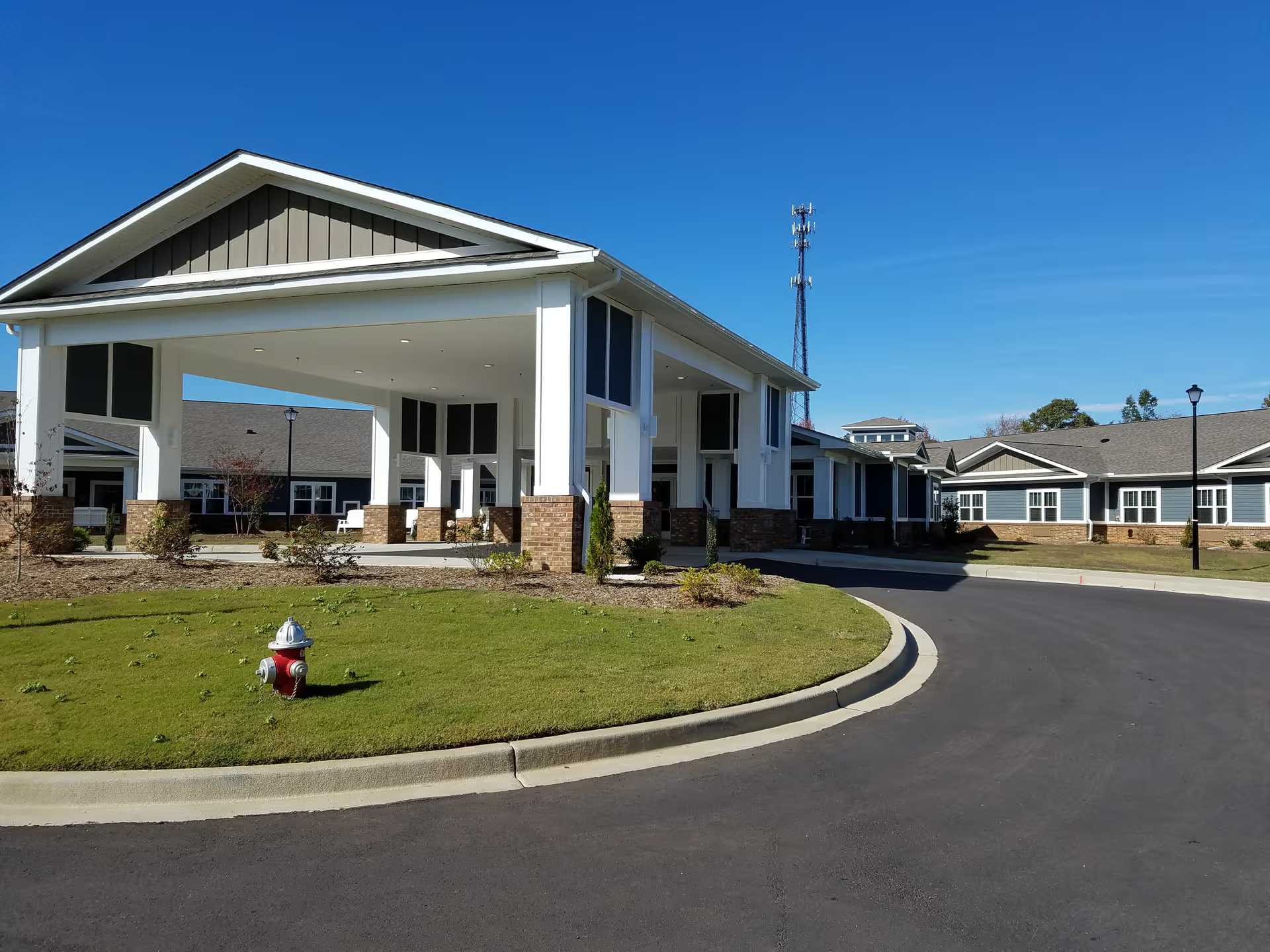
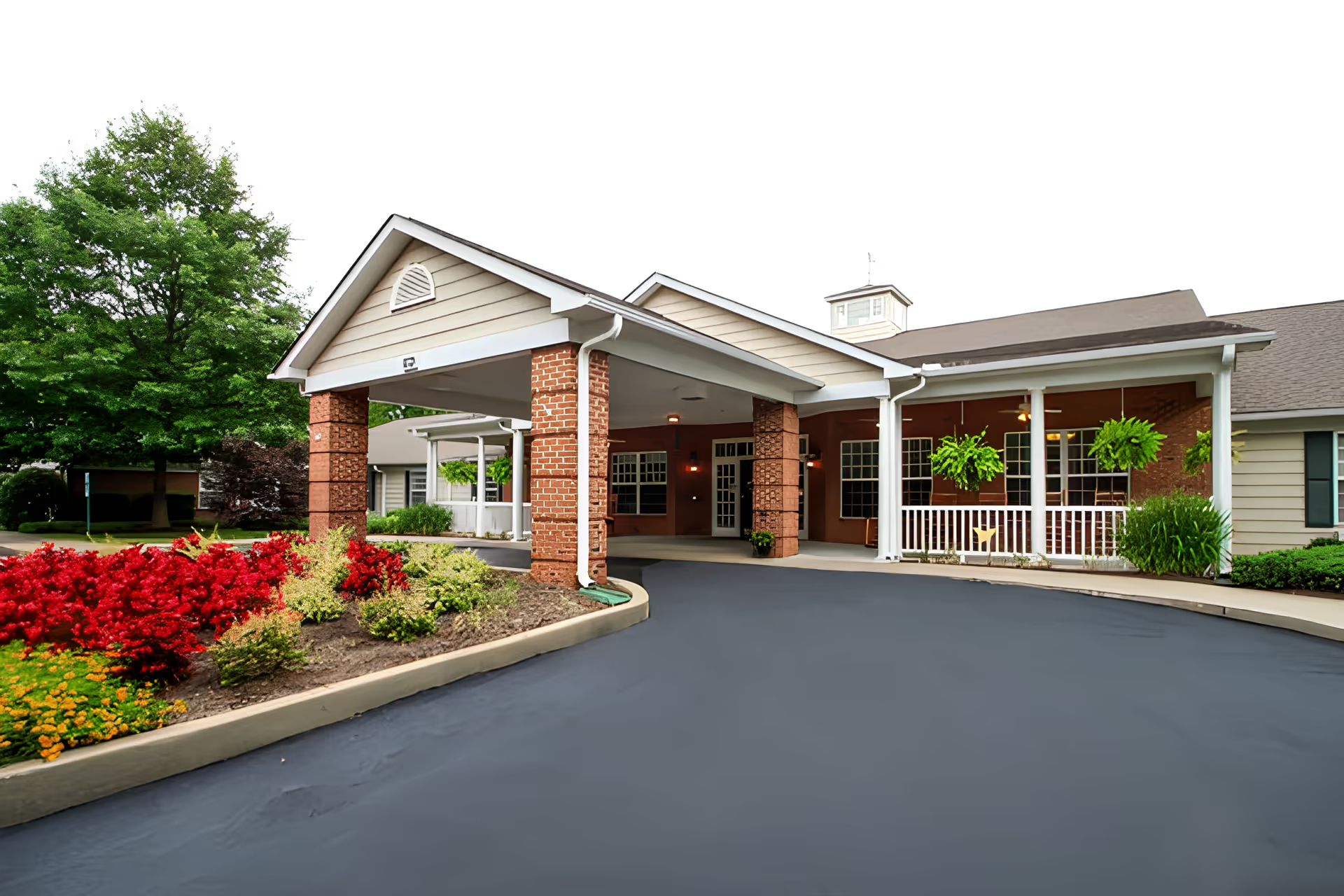
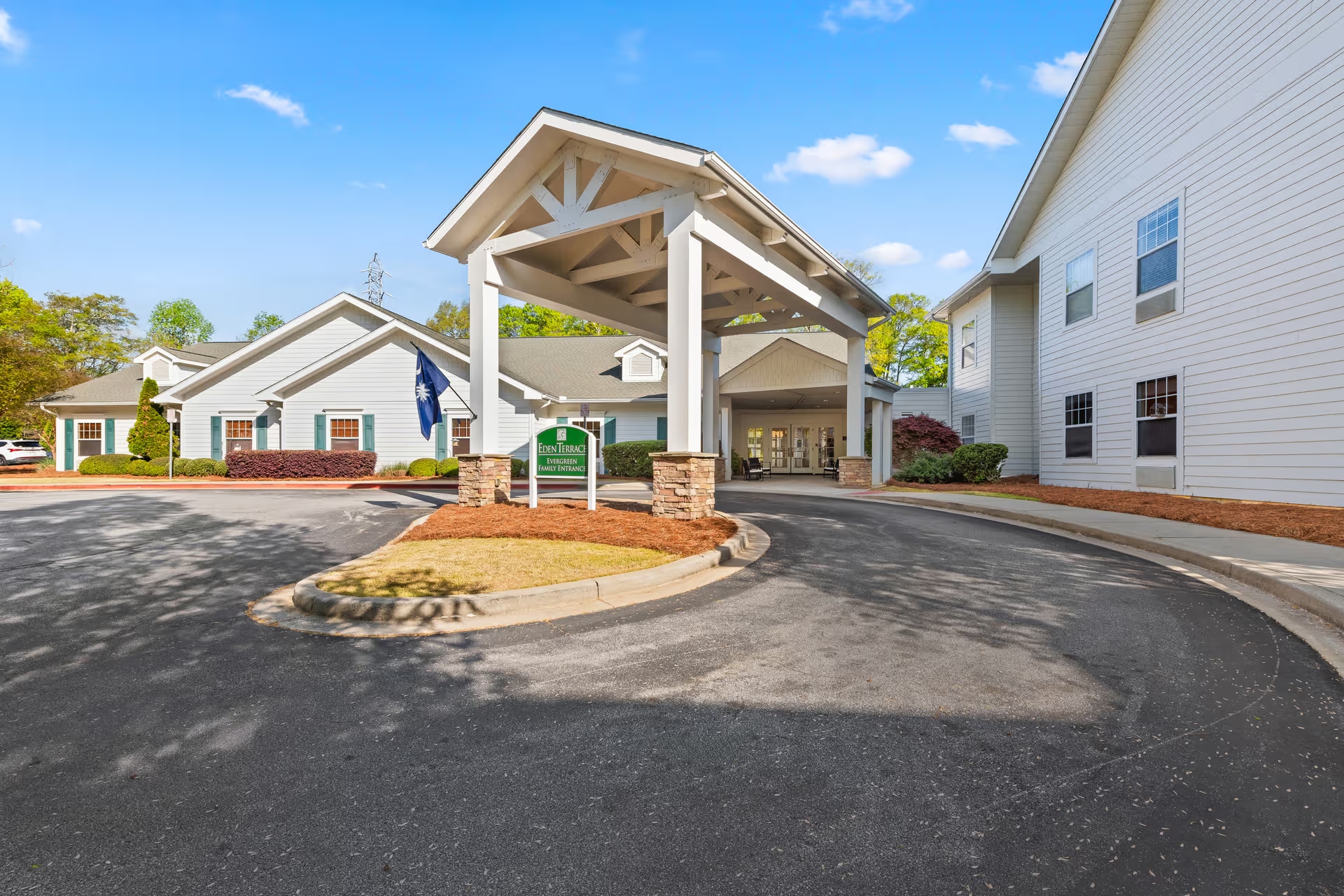
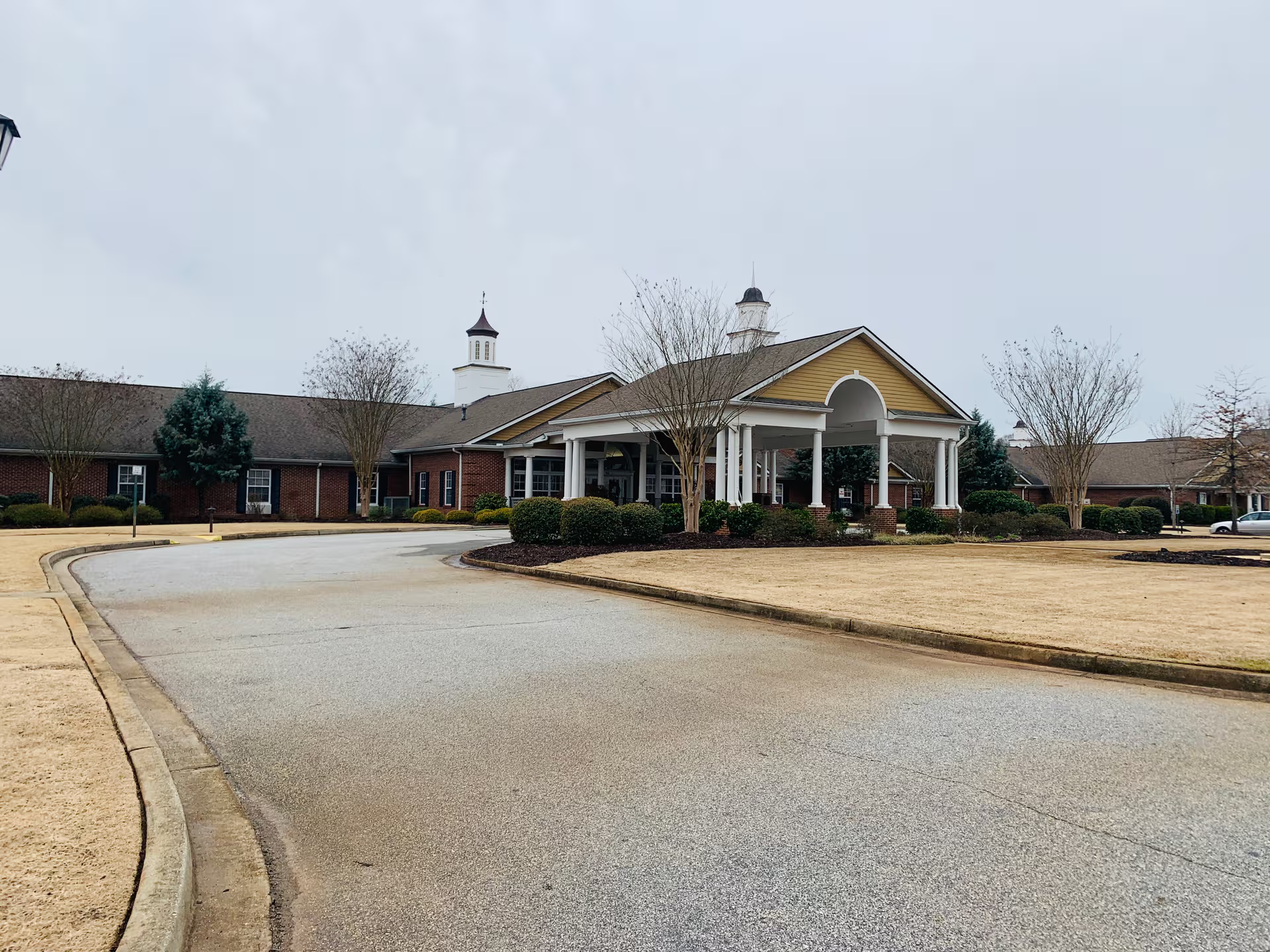
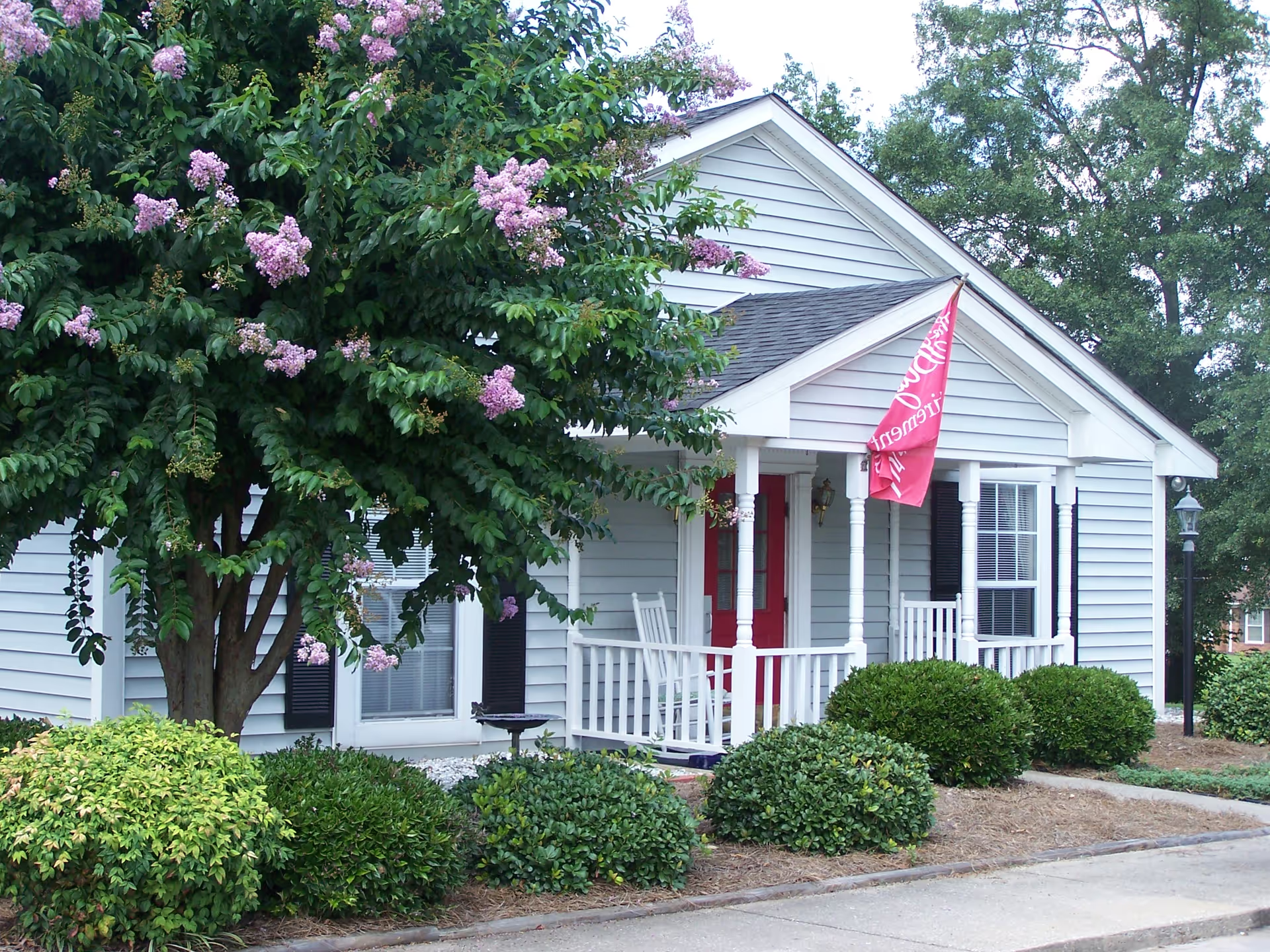
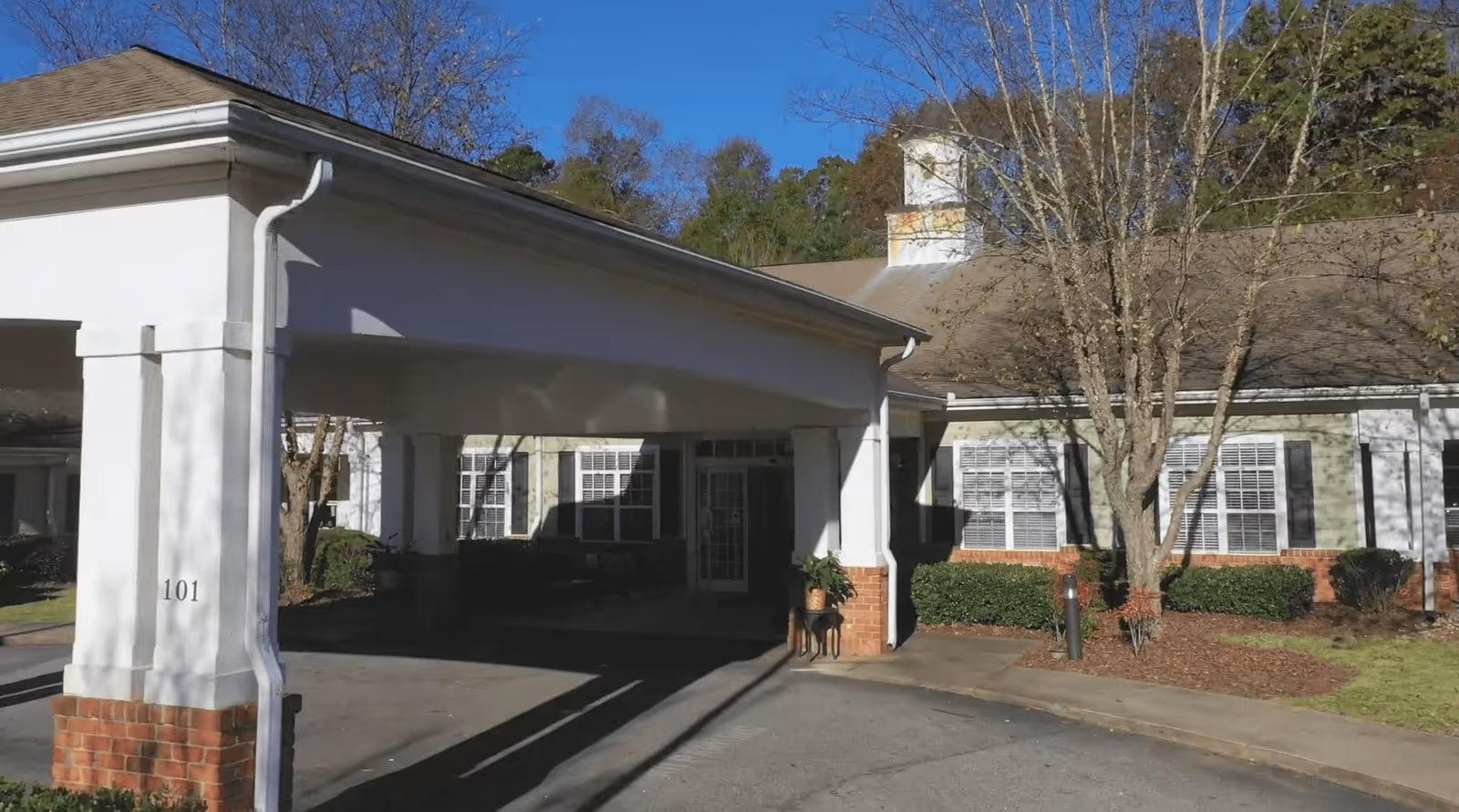
Facilities and maintenance: The building and common areas are frequently described as clean, well-maintained, and decorated seasonally, with private rooms that feel hotel-like and allow personal furnishings. Maintenance response is described as prompt. A few summaries note aging finishes (notably carpeting) and potential trip-risk areas; families may want to inspect flooring and circulation space during a visit. Some reviewers also described peak-time crowding and relatively narrow hallways, which can affect circulation in common areas.
Notable patterns and practical advice: The aggregate tenor of the summaries is strongly positive with extensive praise for care quality, staff attitude, dining, and activities. Where concerns appear, they cluster around operational traits rather than clinical safety: intermittent communication lapses during quarantines or busy periods, older interior finishes that could pose trip risks, occasional crowding in shared spaces, and a sometimes complex admission process. Prospective residents and families should prioritize asking about current leadership and staff retention, communication protocols during infection-control or other high-demand events, and the specific room finishes and layout for mobility needs.
Conclusion: For families seeking a small, community-focused assisted living option with active programming, strong meal service, and highly praised caregiving staff, Wesley Court appears to be a compelling choice. Due diligence on the points above (communication procedures, physical room condition, and peak-time common-area circulation) will help align expectations and individual care needs with the facility’s strengths.