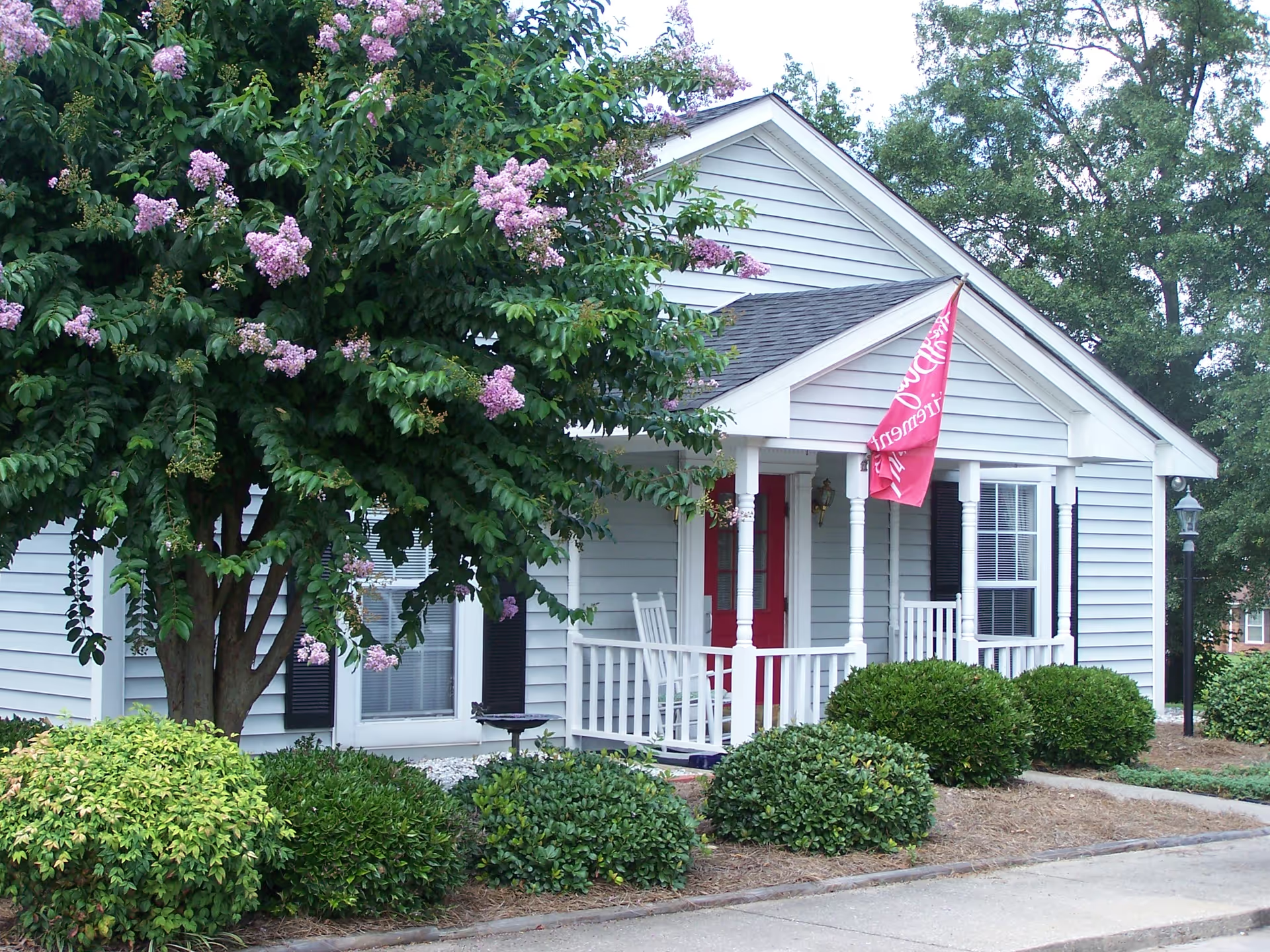
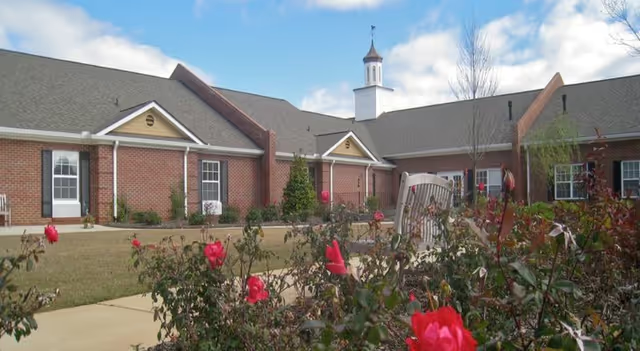
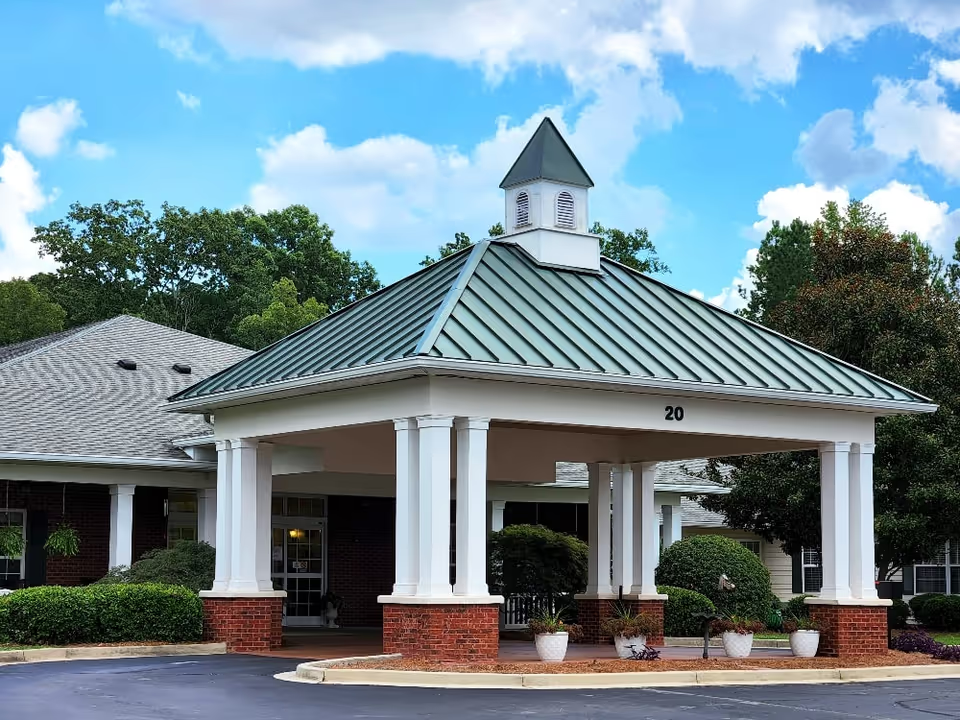
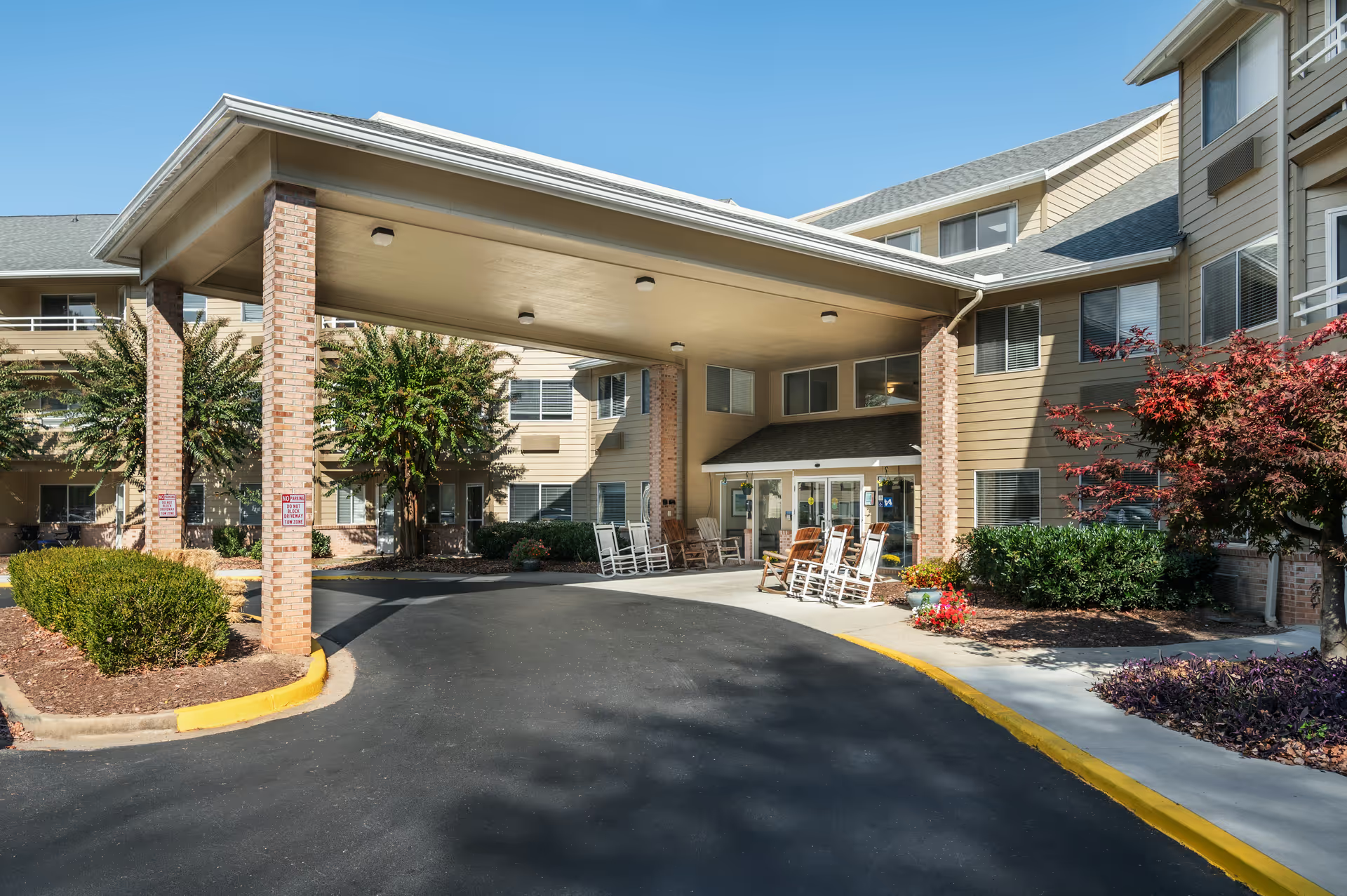
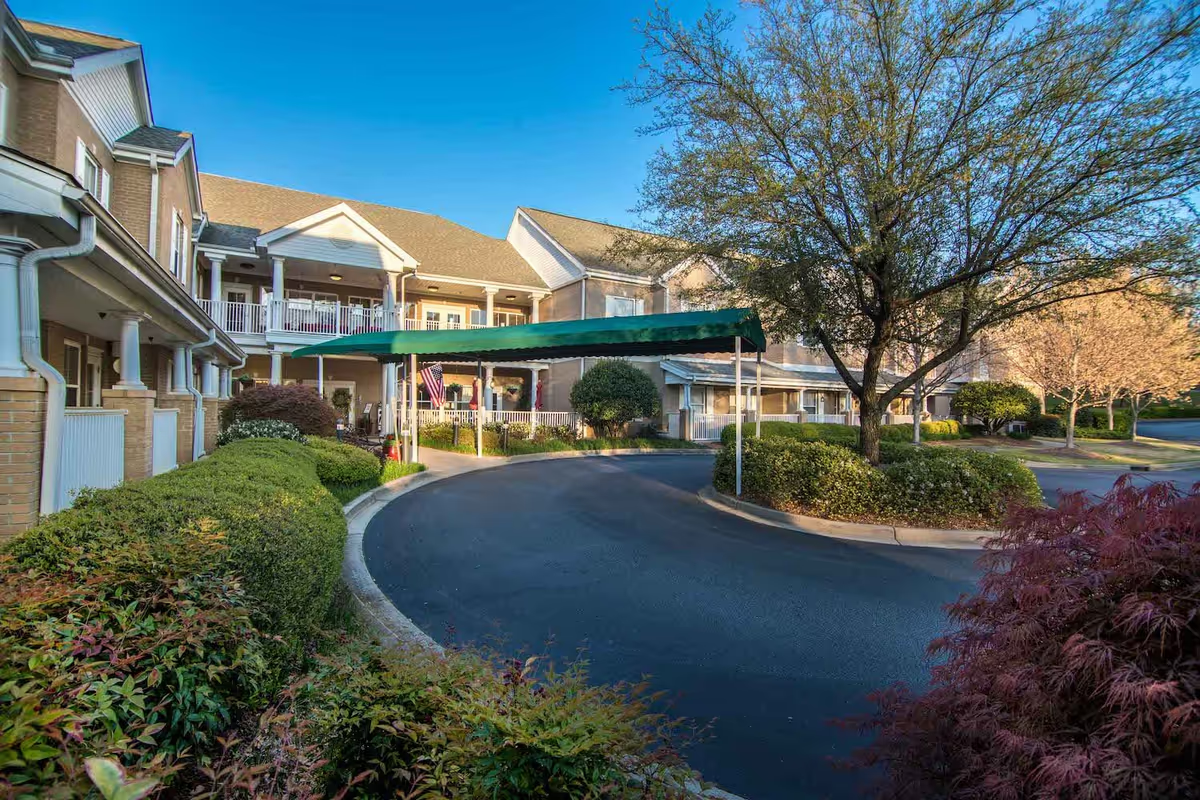
Manning Square is consistently described as a small, family-style assisted living community with under 40 units. Many families praise its warm, home-like atmosphere, active social life, and staff who demonstrate personable, attentive interactions. The facility's size and layout are repeatedly noted as strengths: common rooms and a courtyard encourage socialization, accessible walking spaces and frequent outings offer residents opportunities to remain engaged, and apartment floor plans range from studios to spacious one-bedrooms with kitchenettes. The community is pet-friendly and includes amenities such as a salon, spa area, puzzle and craft spaces, and an in-house theater, all of which contribute to resident activity and satisfaction for those who use them.
Care and staffing receive mixed but clear themes. Numerous accounts highlight compassionate caregiving, individualized attention, and staff who know residents by name; several reviewers specifically praised activity staff and managers who facilitate outings and events. At the same time, a pattern of operational weaknesses emerges: there are recurring concerns about inconsistent medication administration controls, variability in staffing levels and turnover, and occasional delays in responding to resident call signals. These operational gaps have, in some instances, manifested as irregular personal-care schedules and inconsistencies in medication handling. For prospective residents, clarifying current staffing ratios, recent turnover trends, and medication-administration policies during a tour is advisable.
Dining and activities are major positives for many families. The facility typically offers three meals a day, communal dining that encourages social interaction, and a broad schedule of activities including bingo, music programs, low-impact exercise classes, walking clubs, crafts, and regular outings to shopping and local sights. Food quality is generally described as adequate and consistent with assisted-living expectations, though several families expressed a desire for greater menu variety or higher culinary standards. Activity engagement and visible resident enjoyment are frequent positive remarks; prospective families should observe a mealtime and an activity period to assess fit for individual preferences.
Facility condition and operations are described in contrasting ways. Many reviewers commend cleanliness, modern common areas, and well-kept grounds and courtyards; others describe lapses in housekeeping and laundry follow-through, and occasional odor concerns in parts of the building. Management and administrative performance likewise shows variability: several families praised a welcoming admissions process, helpful community relations staff, and proactive communication, while other accounts describe management instability, rate increases, and uneven follow-through on promised services. There are also mentions that the community is more focused on assisted living than on providing higher-acuity skilled nursing, so families needing escalating clinical support should seek facilities with on-site skilled nursing capabilities.
Notable patterns for families considering Manning Square: the community offers a small, socially active environment with many residents experiencing positive day-to-day life and strong activity programming. However, there are identifiable operational risks around medication controls, housekeeping consistency, staff turnover, and management stability that have impacted some residents' experiences. During a visit, families should ask about recent staff turnover, current staffing ratios per shift, documented medication-administration procedures and oversight, housekeeping/linen schedules, admission and exit policies, and any recent changes in leadership or pricing. Observing mealtime, an activity session, and response time to a call signal will provide practical insight into daily operations and help determine whether Manning Square’s strengths align with an individual’s needs.