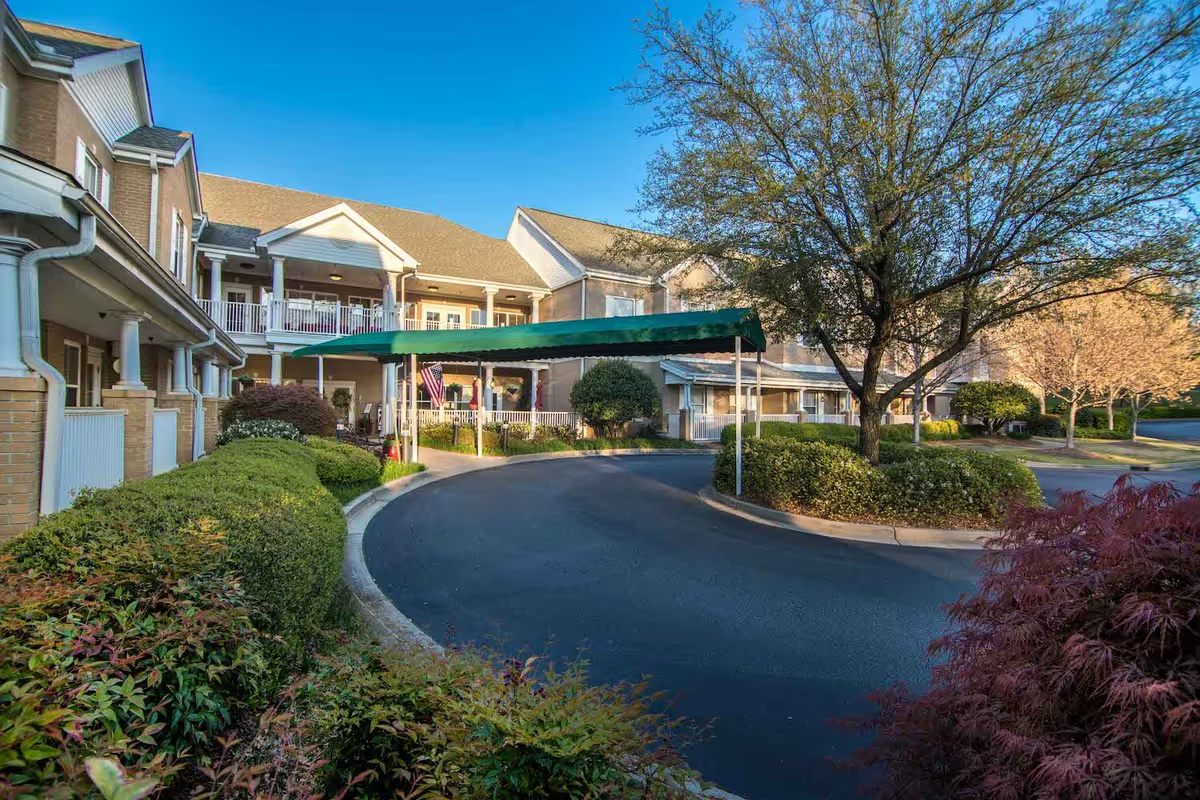
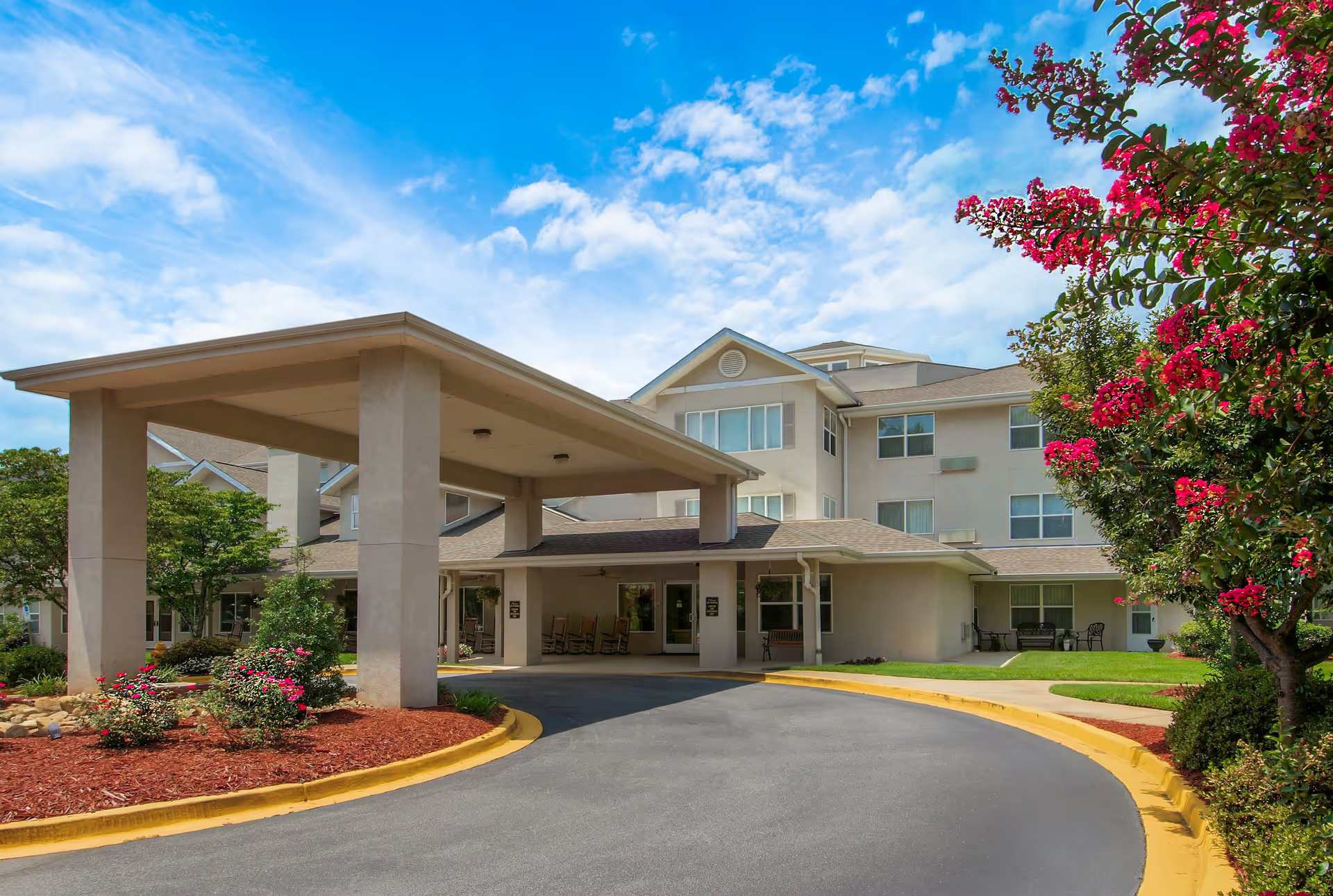
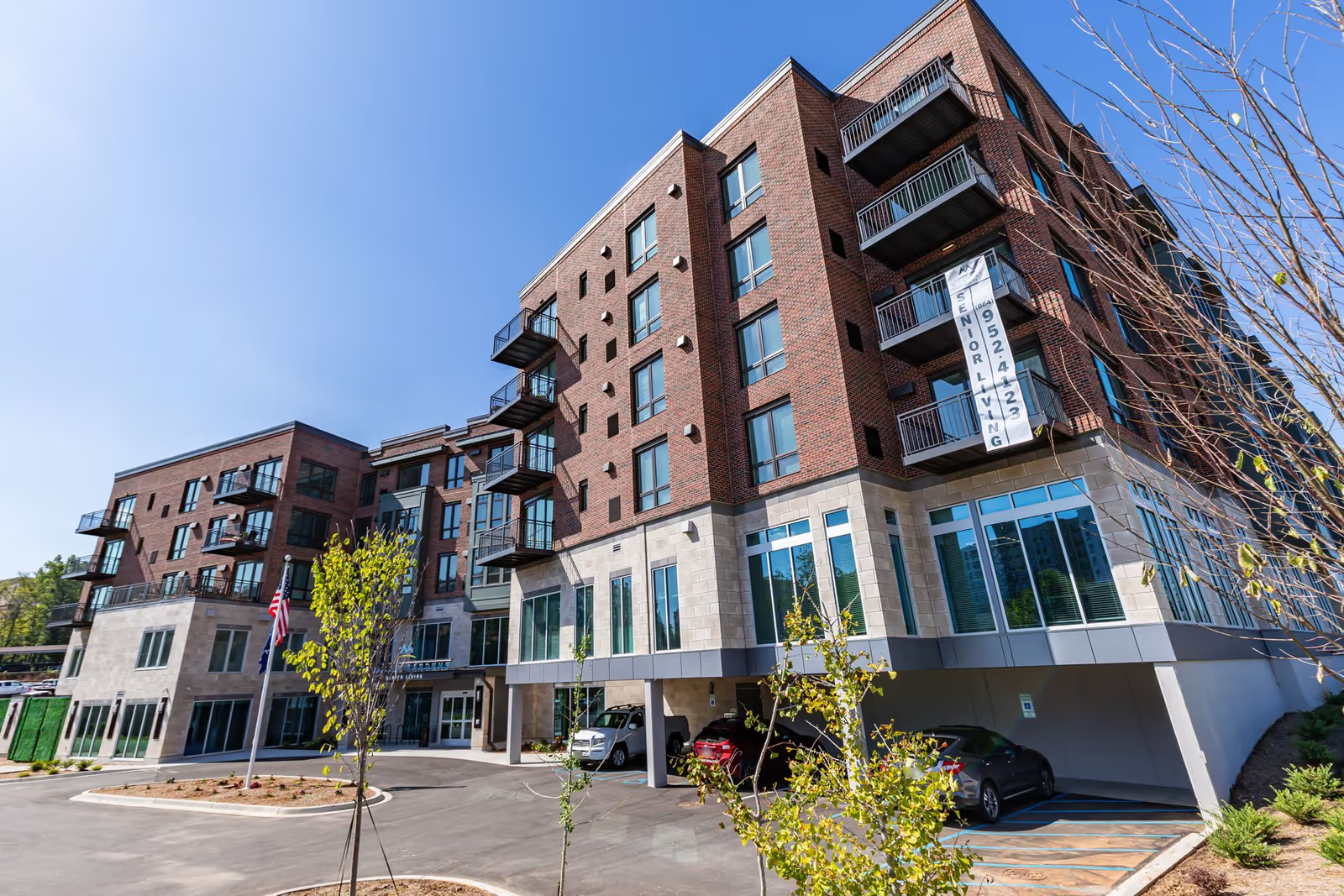
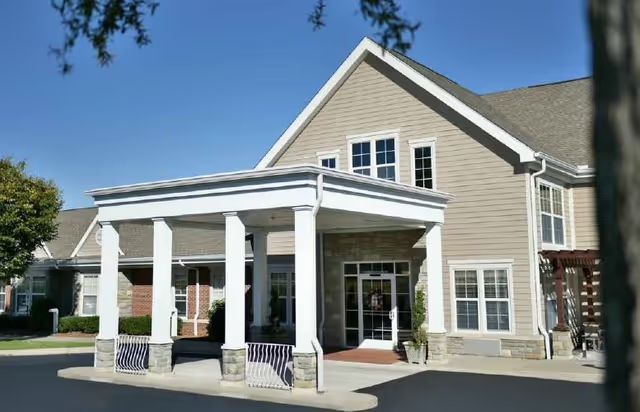
Haywood Estates by Barclay House presents as a well-located, largely positive independent-living community with a number of strengths that appeal to prospective residents seeking autonomy and social engagement. The facility has invested in renovations and landscaping, offers multiple apartment floor plans (including one- and two-bedroom units, patios or balconies, and ample closet space), and includes convenient on-site amenities such as a movie theater, activity/gym rooms, laundry facilities, and an activity bus. Many families and residents praise the campus layout, proximity to shopping and trails, and the overall bright, renovated appearance.
Staff and clinical supports are a consistent positive theme. Reviewers frequently describe staff as compassionate, attentive, and personally engaged—knowing residents by name and providing a welcoming atmosphere. The sales and admissions team is also noted as professional and informative. On-site therapy (PT/OT) and nursing/NP services are available, and staff have been credited with going above and beyond during transitions and safety concerns. These strengths make Haywood Estates a generally good fit for independent residents or those needing light, intermittent support.
Dining and programming are mixed. Many residents enjoy three hot meals daily, social dining, and special events; the community is noted for engaging activities, trips, movie nights, games, and an active calendar managed by a dedicated activities director. At the same time, multiple reviews identify inconsistent food quality and limited menu variety at times, along with service and dining-room sanitation issues (for example, condiment shortages and surface-cleaning lapses). In-unit kitchens are limited—many units lack ovens and have small refrigerators—so the dining program is central to daily life and its variability affects resident experience.
Operational and management patterns merit attention. There are repeated observations of staffing shortages, elevated turnover, and coverage gaps—particularly on weekends and nights—that affect housekeeping, dining service continuity, and perceived responsiveness during off-hours. Administrative challenges such as billing confusion, inconsistent onboarding/check-in procedures, and occasional lapses in written service delivery (for example, housekeeping not occurring as contracted) are also noted. Under some ownership and leadership changes, reviewers indicate improvement in areas while also documenting continuing operational inconsistencies.
Care-level considerations should be explicit to families: Haywood Estates functions primarily as an independent-living community with on-site therapy and some clinical support, but it relies on subcontracted caregivers for higher-assistance needs. This model can work well for independent residents or those needing minimal help; however, families of residents who require ongoing assisted-care should plan for outsourced caregiver arrangements (and the associated costs) or consider a higher-acuity setting. Several reviewers specifically advise caution for residents with substantial assistance needs.
In summary, Haywood Estates offers strong interpersonal care, an active social calendar, attractive living spaces, and convenient location—features that create a home-like environment for many independent seniors. Prospective residents and families should weigh those strengths against operational limitations: variability in dining and housekeeping, staffing and coverage gaps, administrative inconsistencies, and constrained in-unit kitchen amenities. For independent seniors seeking community, activity, and responsive staff, Haywood Estates is often a good fit; for those anticipating progressive care needs, families should clarify subcontracted care arrangements, staffing patterns (including night/weekend coverage), and the facility’s written commitments before moving forward.