The body of reviews presents a mixed picture: many families praise the frontline caregiving teams, therapy staff, and the breadth of services available at The Gables, while a distinct set of operational and management concerns recurs across other accounts. Strengths include a visible commitment from CNAs, MedTechs, and therapists who are described as compassionate, hands-on, and effective in rehabilitation work. The campus offers a full continuum of care—assisted living, memory care, and skilled nursing—along with on-site therapy, a bistro and salon, accessible outdoor walking paths, and programming that keeps many residents engaged and socially active.
Clinical care is described in contrasting terms. Several reviewers highlight good outcomes from therapy and prompt incident response by direct-care staff; others describe inconsistent clinical oversight, delays in medication delivery, and medication-administration errors. Those patterns suggest variability in medication-management controls and in supervisory oversight across shifts. Families should expect strong hands-on care from many frontline staff members, alongside occasional lapses tied to staffing levels or supervisory inconsistency.
Dining and nutrition appear similarly mixed. The facility provides meal accommodations and alternative options, and some residents enjoy the food and dining environment. At the same time, numerous accounts point to uneven meal quality, limited healthy or balanced choices, and occasional problems with meal preparation or temperature. These indicate that meal-service continuity and dietary monitoring can be inconsistent and may not reliably meet special-diet needs without close follow-up.
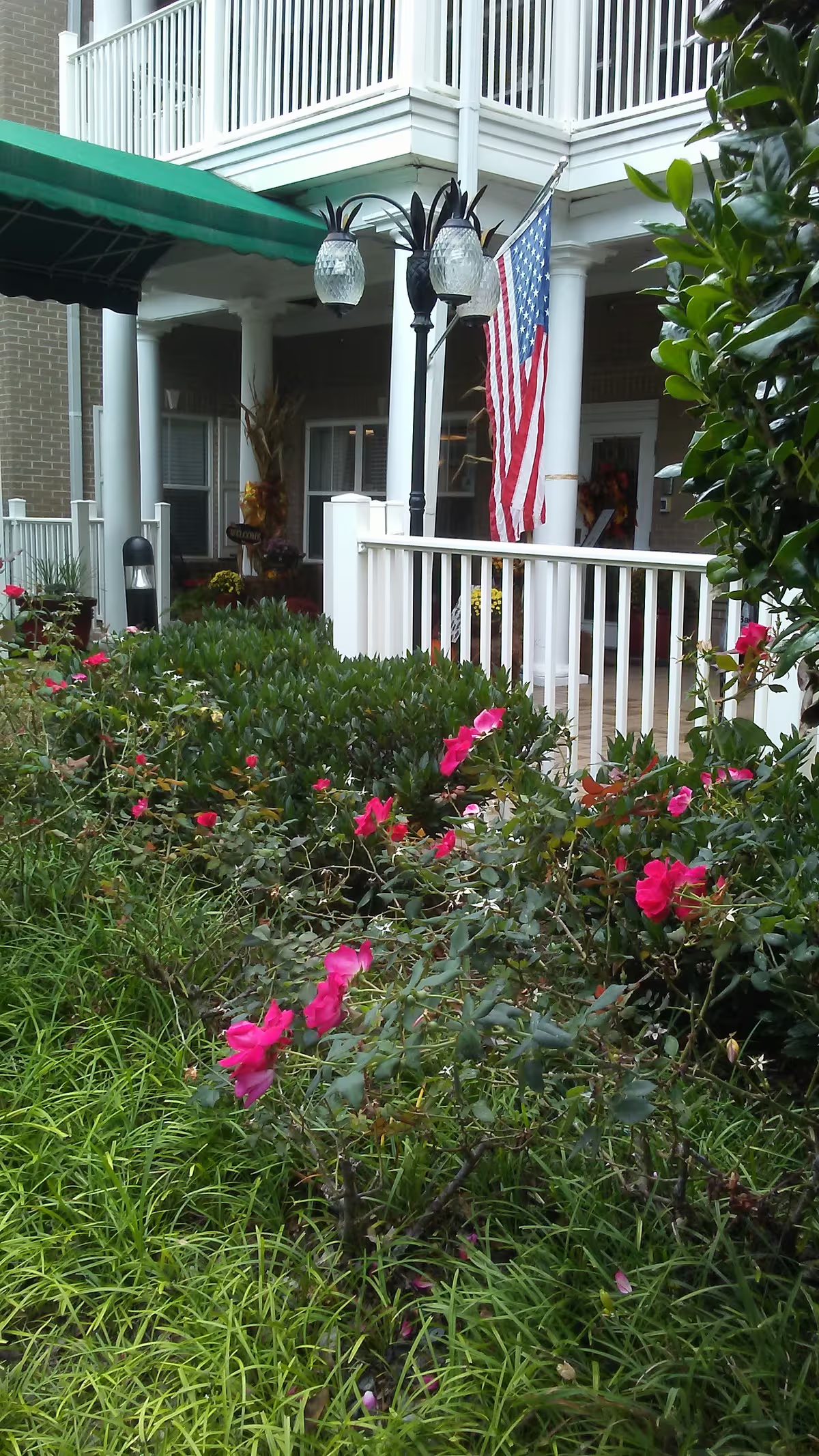
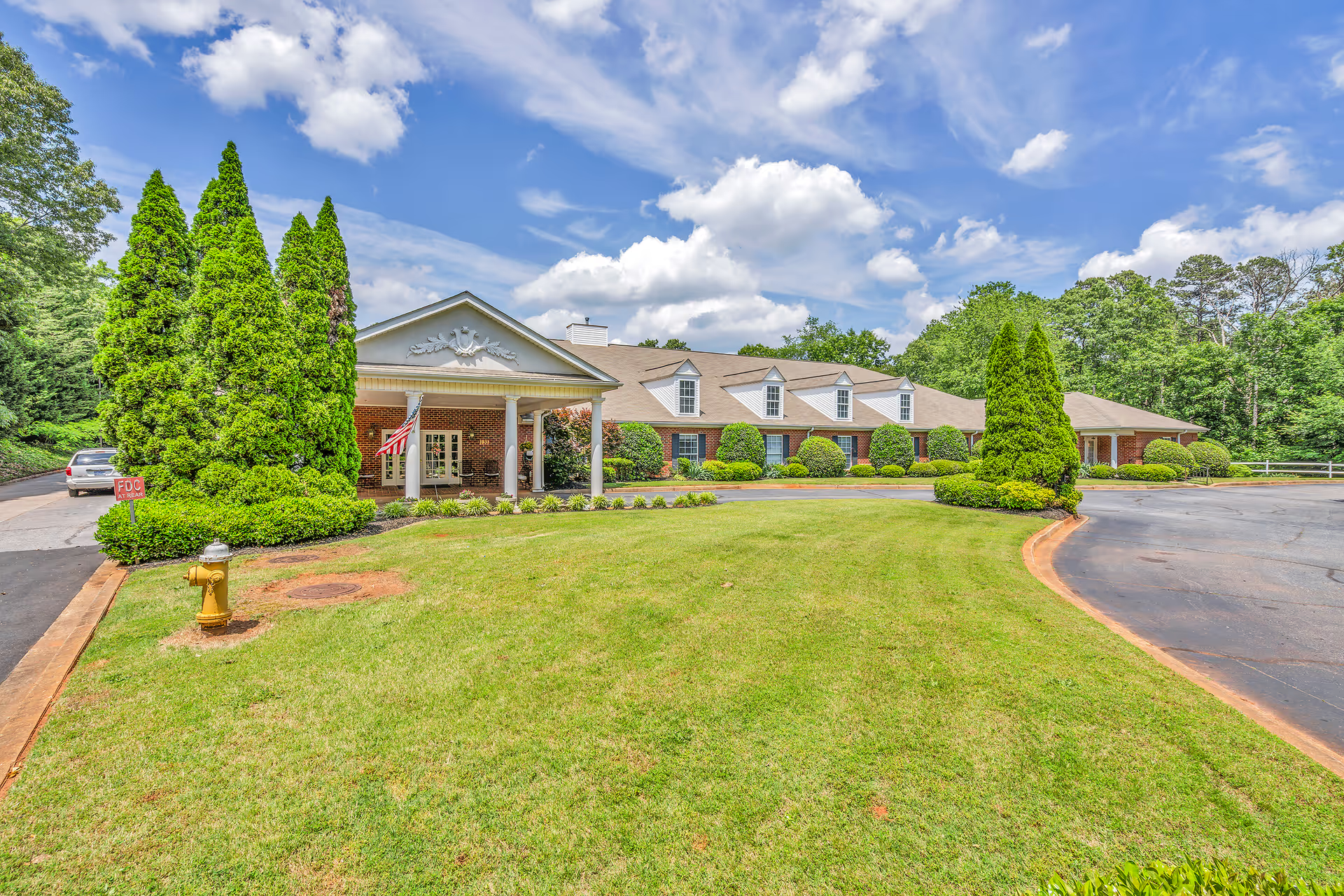
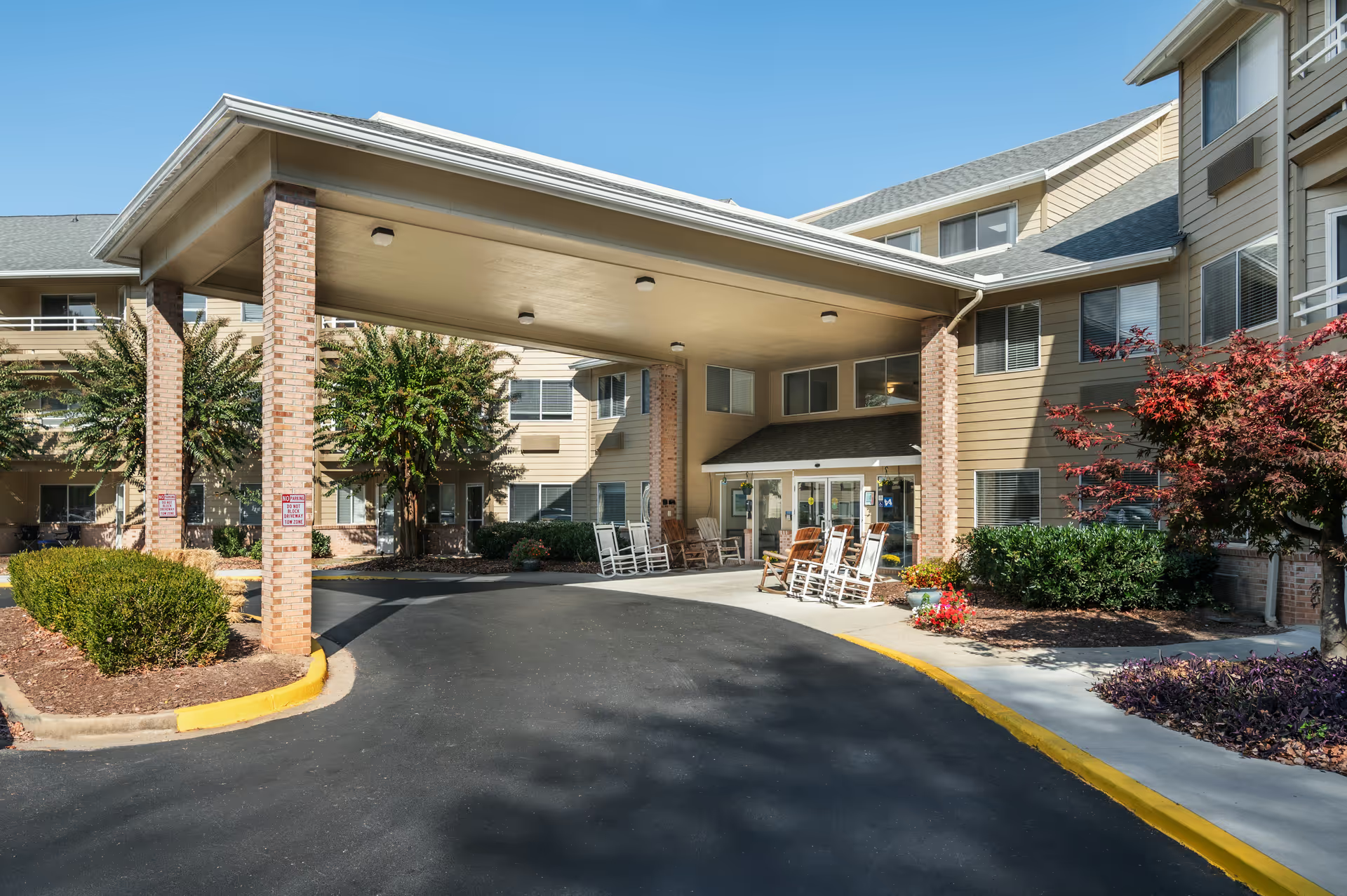
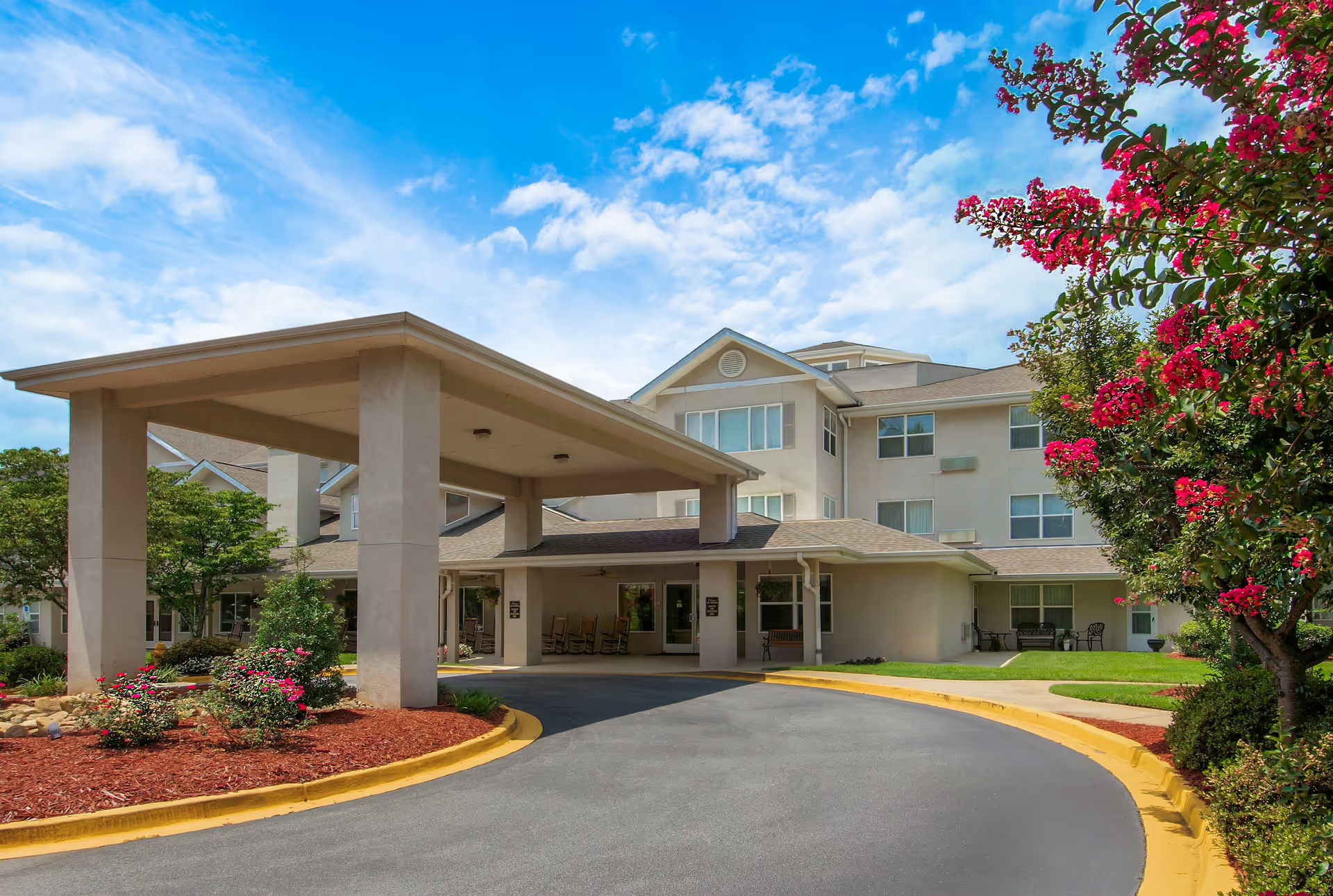
Activities and amenities are a clear positive for many residents: robust programming, social events, field trips, and memory-care engagement are repeatedly noted. The physical campus and many interior spaces are described as well maintained and hotel-like, with bright common areas and appropriately sized rooms for many residents. However, maintenance and reliability issues (e.g., intermittent elevator problems, IT and call-button failures) are also reported and can affect everyday convenience and perceived safety.
Operational and administrative themes are important to consider. Longstanding leadership and local managers are praised in multiple accounts for responsiveness and family communication, but there are also consistent comments about recent ownership or management changes that correlate with declines in communication, pricing transparency, and policy consistency. Families describe unexpected fee assessments, confusing billing or Medicare/Medicaid guidance, and a perception that financial considerations increasingly drive operational decisions. These administrative inconsistencies combine with staffing turnover to produce variable experiences between units and over time.
Sanitation and safety patterns warrant attention. Several reviews describe housekeeping lapses, localized odor concerns, pest-control issues, and problems with monitoring resident intake and hydration. There are also accounts describing inconsistent alarm and emergency-response practices, unsupervised resident smoking areas, and multiple falls or safety incidents tied to staffing or process gaps. Taken together, these items point to weaknesses in environmental sanitation, safety monitoring, and some aspects of infection control that families should verify during a tour and pre-admission checks.
Notable patterns: praise is concentrated around direct-care staff, therapy outcomes, and the breadth of on-site services; criticisms cluster around medication management, administrative transparency, staffing stability, dining consistency, and sanitation/maintenance reliability. Prospective residents and families would benefit from observing current staffing levels, clarifying medication and discharge procedures, reviewing recent quality or regulatory records, and confirming billing and insurance policies before committing. Overall, The Gables offers substantial clinical and social resources and a welcoming environment in many units, but operational variability and recent management-related changes have introduced risks that merit careful, specific inquiry prior to move-in.